A damp-proof course (DPC) is a barrier built into the base of walls to stop ground moisture from rising into a property. Modern homes normally...
Read More

A damp-proof course (DPC) is a barrier built into the base of walls to stop ground moisture from rising into a property. Modern homes normally...
Read More
Is your home feeling damp and clammy? Don’t worry – you’re not alone, and help is at hand! Damp in houses is a very common...
Read More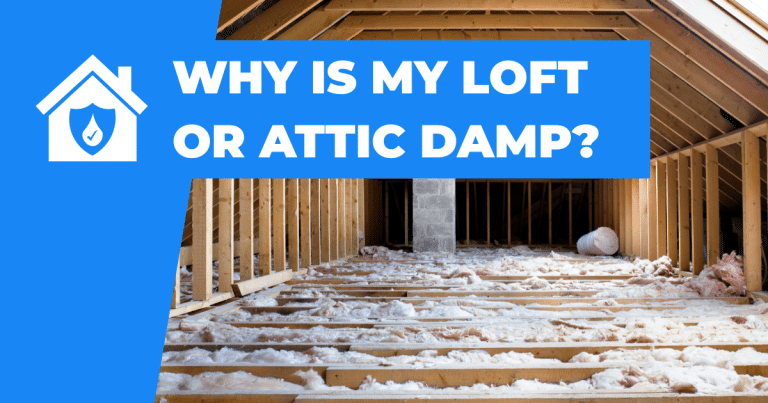
At its core, loft damp usually comes from condensation. Warm, moisture-laden air from the living spaces rises into the cooler roof void. When this humid...
Read More
Rising damp – it’s not just the title of a 1970s British sitcom, but a very real problem that can plague our homes. If you’re...
Read More
Mould and damp patches in the home are not only unsightly and musty-smelling, but can also pose health risks if left untreated. It’s no surprise...
Read More
Mould growing on bedroom walls is an all-too-common problem in UK homes – and it’s more than just an eyesore. Recent estimates suggest that between...
Read More
A professional technician is cleaning mould from a damp wall near a radiator. Landlords in the UK have a legal and moral obligation to provide...
Read More
Rotten skirting boards can look alarming, but damp issues are extremely common in UK homes and usually fixable. Skirting boards sit right at floor level,...
Read More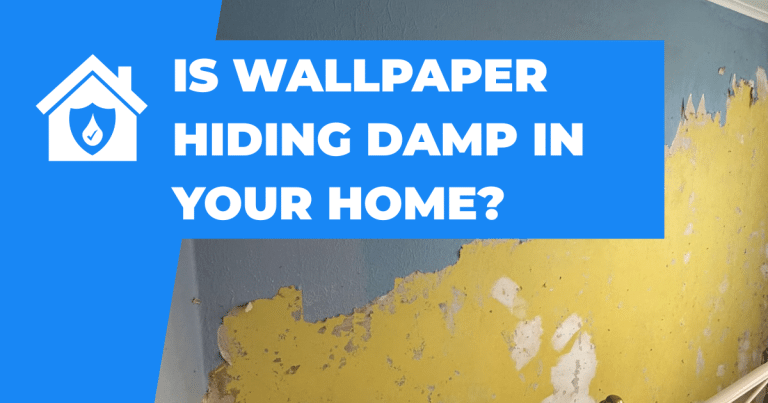
Wallpaper can mask early damp symptoms and, in some cases, make the problem worse by trapping moisture. You can smell mould even when you can’t see it—because it...
Read More
(And Why You Might Be Wasting Time and Money) Dryrods are one of the most common DIY products marketed for treating rising damp. They’re widely...
Read More
Homeowners in Dorset and Hampshire love their picturesque thatched cottages – but these charming historic homes face unique challenges from damp and timber decay. Thatched-roof...
Read More
Mould growth is a common problem in many homes, especially in damp or poorly ventilated areas. It’s not just an unsightly nuisance – household mould...
Read More
Condensation forms when warm, moisture-laden air meets a cold surface. Some rooms fog up far more than others because they consistently combine two things: high...
Read More
Kitchens are a hotspot for mould growth. It might seem puzzling since we usually clean our kitchens regularly, but the kitchen environment naturally promotes mould...
Read More
Damp is one of the most common issues found in homes, and spotting it early can save you a lot of trouble. Whether you’re buying...
Read More
Condensation often causes black mould around windows, as moisture collects on cold surfaces. Proper ventilation and heating can help prevent this common issue. Living with...
Read More
In October 2025, Awaab’s Law took effect in England – a landmark change forcing social housing landlords to treat damp and mould as the urgent...
Read More
Kids’ bedrooms should be a safe haven, but excess damp and mould can quickly turn them into a health risk. Children are especially vulnerable because...
Read More
Is your basement feeling damp, musty, or smelling a bit like an old swimming pool? Don’t panic. Basements in the UK are notorious for damp...
Read More
Airbricks (low-level wall vents) are a simple but critical part of many UK homes, especially those with suspended timber ground floors. They allow outside air to...
Read More
Salt damp is one of the most misunderstood moisture problems in UK homes. It often looks like rising damp. It behaves like condensation. And it...
Read More
Mould and mildew are both fungi that thrive in damp conditions. Put simply, mildew is a type of mould. In everyday use, people tend to...
Read More
Cavity wall insulation (CWI) is designed to improve energy efficiency by filling the gap between two layers of brickwork. In theory, insulation materials are water-repellent...
Read More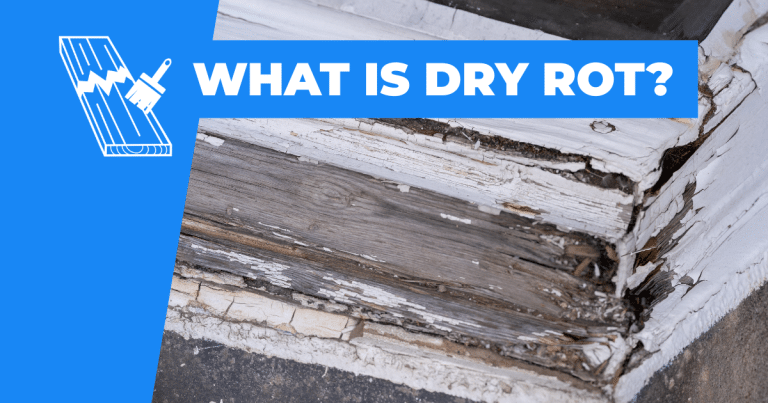
Dry rot is a wood-destroying fungus that can cause serious structural damage if left untreated. Despite the name, dry rot is caused by damp conditions....
Read More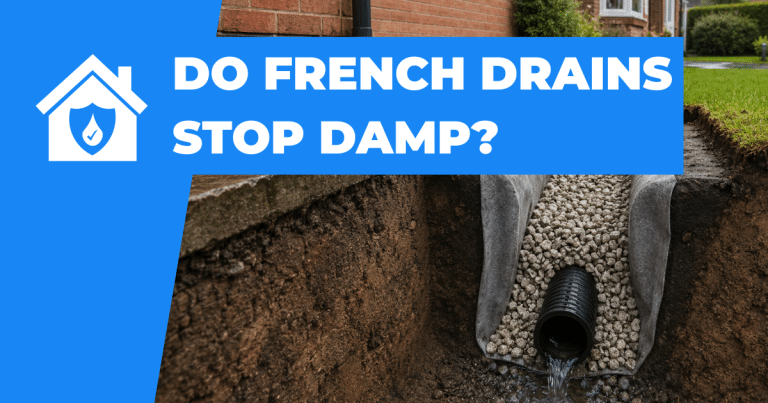
The honest answer is sometimes. A French drain can be very effective when damp is being driven by surface water, high external ground levels, splashback, uphill runoff,...
Read More
Home insurance typically covers sudden or accidental damage to your home (like fire, burst pipes or storms), but it does not normally cover damp or...
Read More
Damp and condensation aren’t just problems for creaky old houses – they can creep into any home, especially in chilly UK weather. In fact, government...
Read More
Southampton, Dorset and the Hampshire coast face unique weather and building challenges that trap moisture in homes. Coastal exposure means colder temperatures, higher wind speeds...
Read More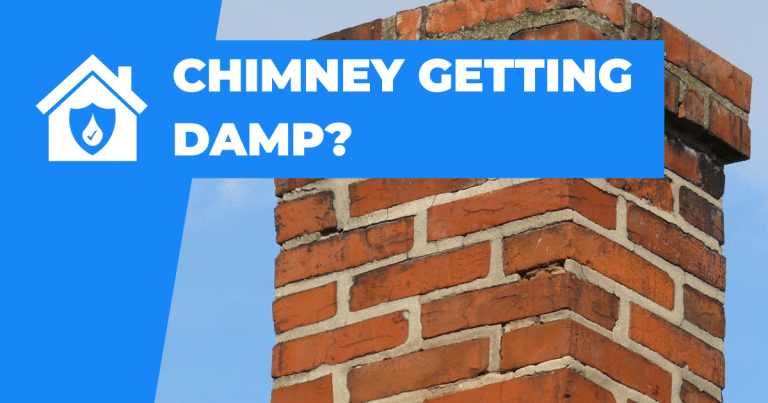
If your chimney is getting damp, you are not alone. At Nordic Damp Proofing, we regularly diagnose chimney-related damp across Bournemouth, Poole, Christchurch, Bath and...
Read More
Wet rot is a type of wood-rotting fungus that attacks damp timber in buildings. It typically needs high moisture – usually above about 20–23% –...
Read More
Bath’s unique combination of historic buildings and a rainy local climate makes damp problems a common concern for homeowners. According to Bath & North East...
Read More
Yes—damp and mould can make you ill. UK Government guidance states that damp and mould primarily affect the airways and lungs (and can also affect...
Read More
Flats often suffer worse condensation than houses because they typically have less effective natural ventilation, a higher moisture load per cubic metre, and colder internal surfaces where water vapour...
Read More
Damp is a common problem affecting many Bristol homes, given the city’s wet climate and mix of older housing. Left unchecked, damp can lead to...
Read More
Older homes have a character and charm that modern buildings often struggle to replicate. Features such as solid brick walls, timber floors and original plasterwork...
Read More
Yes, wet dogs can make a home feel damper, and in some properties they can push a room from “just a bit steamy” into repeat...
Read More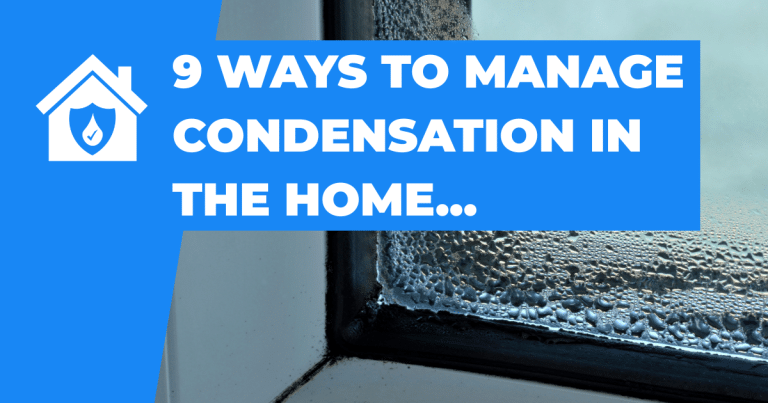
Condensation is usually the result of moisture-laden air meeting cold surfaces—most often windows, external walls, corners, and areas with poor airflow. Effective management is less about one...
Read More
At Nordic Damp Proofing, we treat cob wall damp treatment as a specialist job, not a standard masonry one. Cob is a traditional earthen material, typically built...
Read More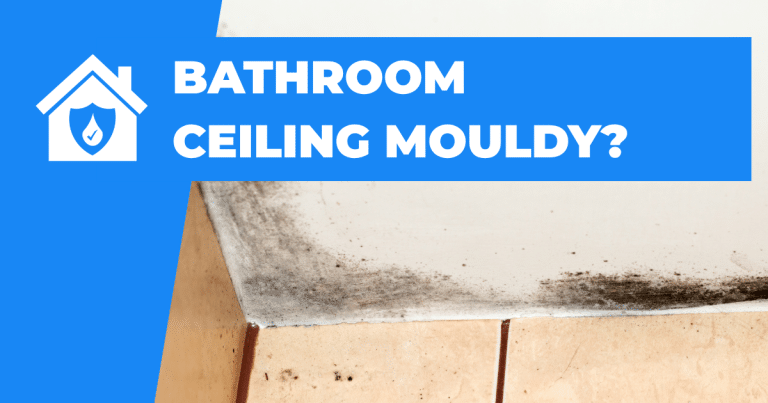
Mould on a bathroom ceiling is one of those problems that starts small and, if left untreated, quickly becomes harder to ignore and harder to...
Read More
At Nordic Damp Proofing, we see parapet walls cause recurrent damp not because parapets are “bad,” but because they are unforgiving details. A parapet sits...
Read More
Yes, it can. Failed silicone or mastic around windows, doors, roofline trims, flashings, gutters, and service penetrations can allow rainwater to get behind the outer...
Read More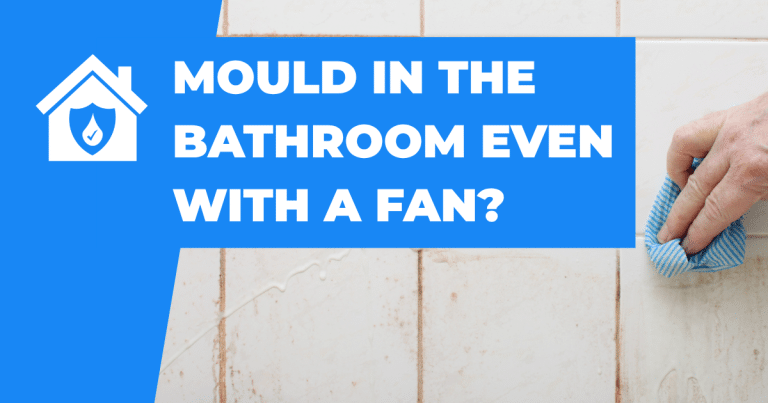
You made a smart choice. You have an extractor fan. You switch it on, and yet black mould keeps coming back around the ceiling, the...
Read More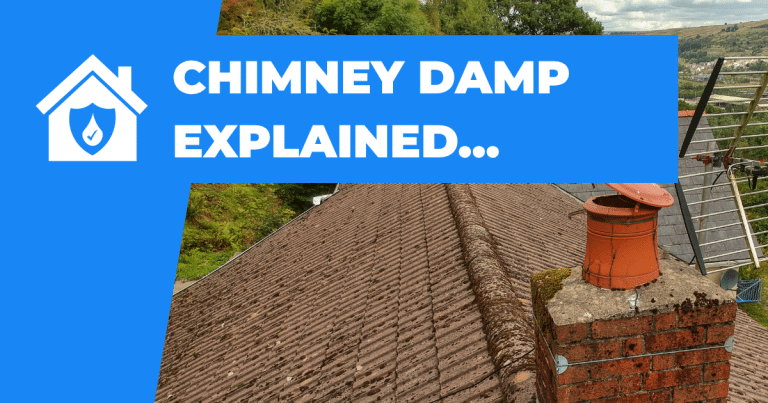
Damp on a chimney breast is one of the most consistently misdiagnosed problems in British housing. Two firms can look at the same brown stain...
Read More
Buying a flat is a major financial decision. Damp is one of the most common and costly problems that buyers discover too late. According to...
Read More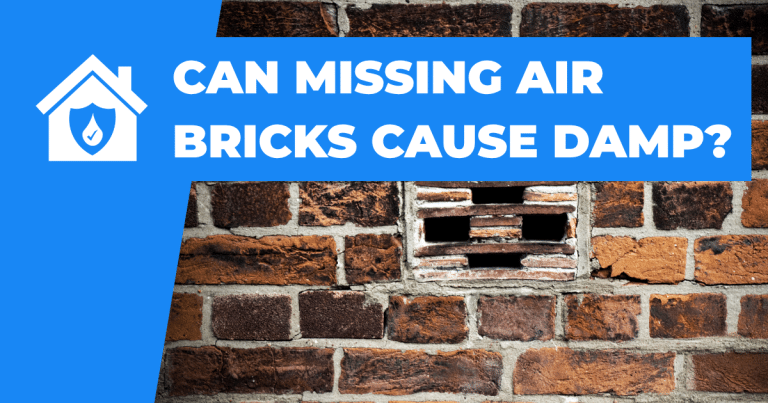
Yes. And it is one of the more expensive ways to get damp, because the damage happens under the floor where nobody sees it. Air...
Read More
Damp on a chimney breast is one of the most misdiagnosed problems in British housing. Two firms can look at the same brown stain above...
Read More
You have found a patch of black mould in the back bedroom, or a tide mark creeping along the hallway skirting, and you were hoping...
Read More
That musty smell in your home isn’t just unpleasant – it’s a warning sign. At Nordic Damp Proofing, we treat this type of issue every...
Read More
Your survey has come back and there is damp in it. Possibly a great deal of damp, written in careful language that seems designed to...
Read More
You paid for damp treatment, the wall looked fine for a while, and now the patch is creeping back in. Few things in owning a...
Read More
There is a lot to love about an old cottage. Thick stone walls, low beams, and a bit of history in the brickwork are all...
Read More
Owning a listed building means owning a structure that handles water in a fundamentally different way to a modern house. Treat it like a modern...
Read More
If you have found some soft, crumbling or discoloured timber somewhere in your home, there is a good chance it is rot. Both wet rot...
Read More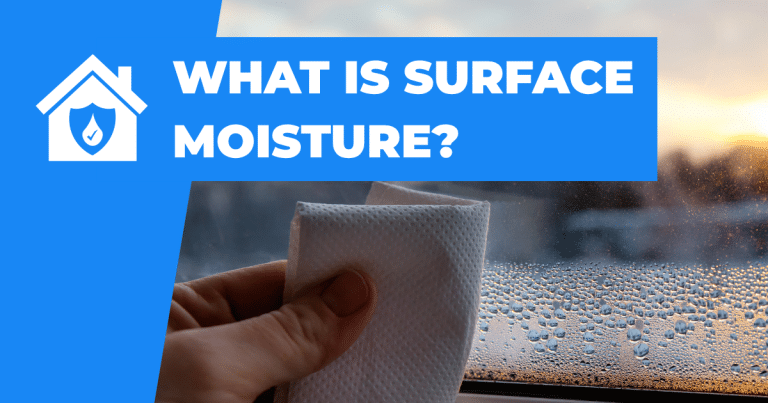
You run your hand along the wall. It feels cold and slightly damp. The paint looks patchy. Maybe there is a hint of mould in...
Read More
When a damp patch appears on the wall, then you assume there must be a leak and you call a plumber. They check the pipes...
Read More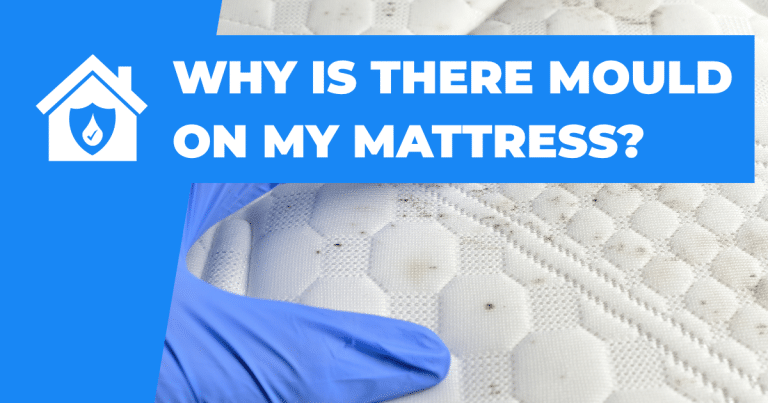
You have lifted the mattress to turn it and found black or green patches spreading across the underside, along with a smell you had been...
Read More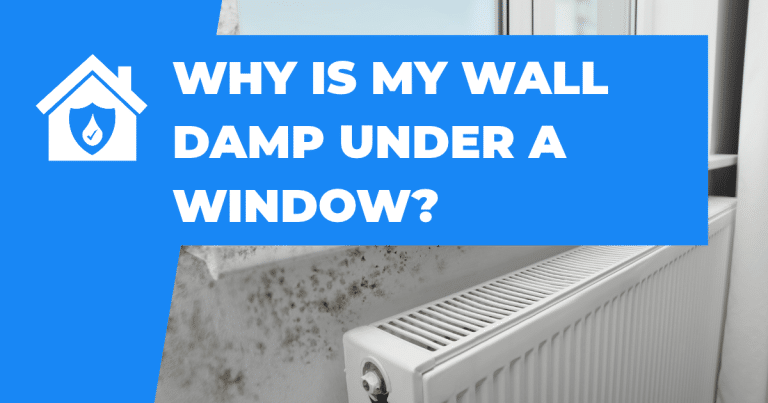
Damp under a window can look worrying, but its location often makes the cause easier to identify than damp elsewhere in a property. The key...
Read More
Finding mould in a loft can be alarming, especially when the roof itself appears perfectly sound. You may see black or grey growth across rafters,...
Read More
Yes, and all three main types worsen for different reasons. Most guidance answers this question for condensation alone, which is the obvious winter problem but...
Read More
You open the garage on a mild morning in February, and the floor is wet, the walls have a sheen across them, and the spanners...
Read More