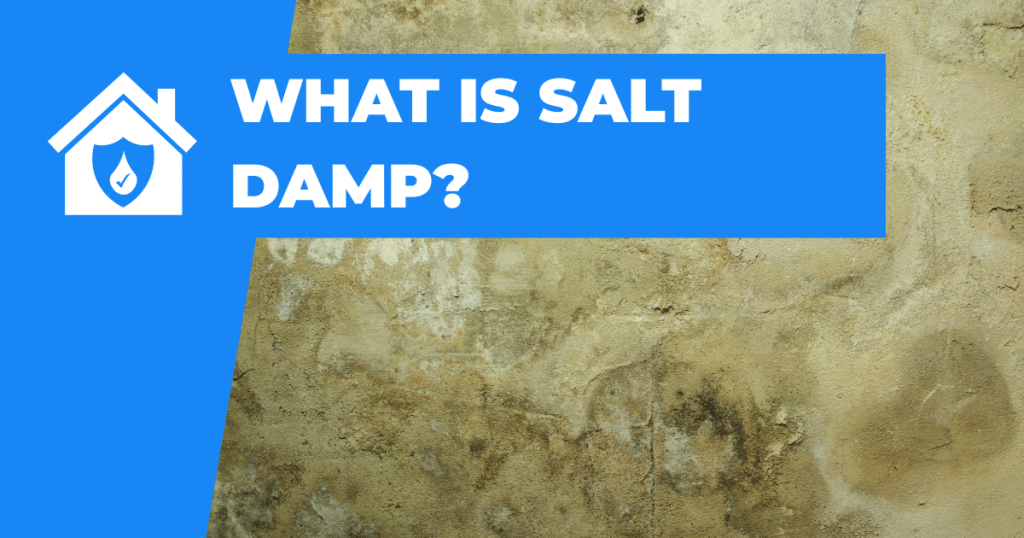
Salt damp is one of the most misunderstood moisture problems in UK homes. It often looks like rising damp. It behaves like condensation. And it frequently reappears even after redecorating.
At Nordic Damp Proofing, we regularly diagnose salt contamination in walls that homeowners believed was an active leak. In reality, the moisture is being attracted by salts embedded in the plaster and masonry.
Understanding how salt works is key to solving the problem properly.
What Is Salt Damp?
Salt damp occurs when hygroscopic salts within masonry or plaster absorb moisture from the air.
“Hygroscopic” simply means moisture-attracting.
You see this every winter when salt is thrown onto icy roads. The salt absorbs water from ice and air, lowering the freezing point and drawing in moisture. The same process can happen inside your walls.
Nordic Damp Proofing experts suggest that when salts are present in plaster, they can continue pulling moisture from humid air — even if the original source of water has long since dried out.
This creates persistent damp patches that appear to “come back” after decorating.
Where Do Salts in Walls Come From?
Salt contamination is common in UK homes for several reasons.
1. Groundwater (Rising Damp)
When moisture rises through masonry, it carries dissolved mineral salts from the soil. These often include:
- Nitrates
- Chlorides
- Sulphates
As water evaporates from the wall surface, salts remain behind in the plaster. Over time, these salts accumulate.
Even if a damp-proof course is later installed, the contaminated plaster can continue attracting atmospheric moisture.
2. Chimney Soot & Fireplaces
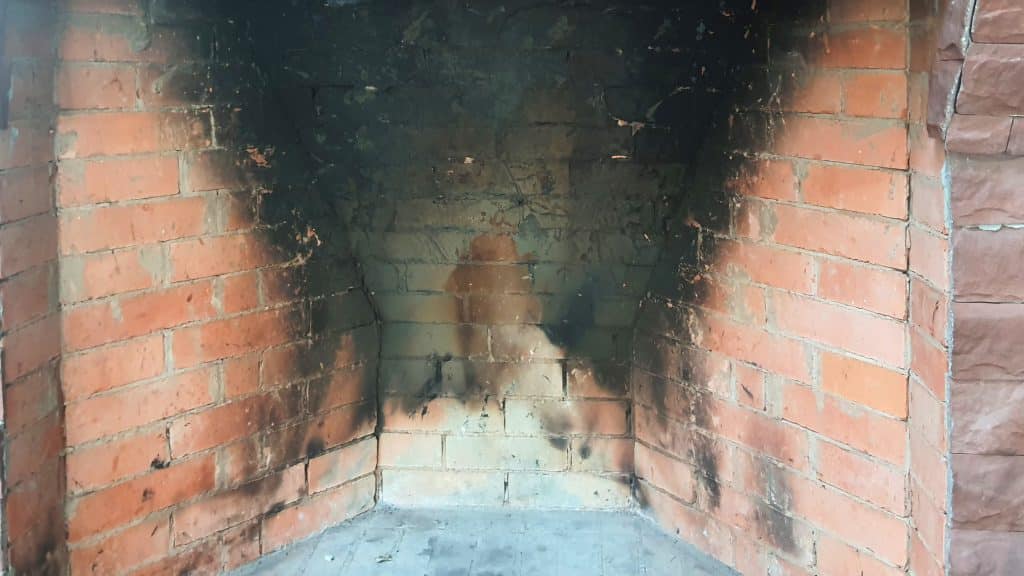
Old chimney breasts are a major source of salt contamination.
Combustion deposits from coal and wood fires contain sulphates and other salts. When chimneys are no longer ventilated properly, condensation forms inside, dissolving these salts and drawing them into surrounding plaster.
Nordic Damp Proofing experts frequently see chimney breast staining caused not by active leaks, but by hygroscopic soot salts attracting moisture from the air.
3. De-Icing Salts (Road Salt)
In colder months, road salt can splash onto lower brickwork of properties close to roads or driveways.
Salt spray and runoff can contaminate masonry externally. Over time, it migrates into the wall fabric.
Just like it absorbs moisture on icy roads, it can attract moisture within masonry.
4. Coastal Air
Properties near the sea are exposed to salt-laden air. Fine salt particles carried in wind-driven spray can settle on and penetrate porous masonry.
In coastal towns, Nordic Damp Proofing experts often identify chloride contamination contributing to persistent damp readings.
5. Contaminated Plaster or Sand

Historically, some construction materials contained higher salt content. In rare cases, contaminated sand or mixing water used in plastering can introduce salts directly into walls.
6. Using Salty or Hard Water
If plaster or mortar is mixed with water containing high mineral or salt content, this can leave hygroscopic residues once it dries.
What Does Salt Damp Look Like?
Salt damp is often mistaken for rising damp or penetrating water. It can appear as dark damp patches, often concentrated around chimney breasts, lower walls, or near exterior-facing surfaces. These patches may return even after decorating or plastering. You might notice bubbling paint, flaking plaster, or a persistent damp feel that doesn’t seem to improve with ventilation.
Another giveaway is a white, powdery residue on the surface — known as efflorescence. This is the salt crystallising as it meets air and draws in moisture.
Signs of Salt Damp
Look out for:
- Powdery white deposits (efflorescence)
- Flaking or blistering paint
- Persistent staining on chimney breasts
- Damp patches that return after replastering
- Moisture readings high at surface level but dry internally
- Damage confined to plaster rather than brickwork
Salt-contaminated plaster often becomes crumbly or soft over time.
Salt Damp vs Condensation
It’s easy to confuse salt damp with standard condensation. Both tend to show up in colder months or in rooms with poor ventilation. But there’s a key difference: condensation is water from humid air condensing on cold surfaces. Salt damp, on the other hand, is caused by salts in the wall pulling in moisture from that same humid air. You can ventilate all you like — the salt will still attract water.
This is why salt damp often shows up in rooms with high humidity like kitchens, bathrooms, and bedrooms with inadequate airflow. It’s also why the problem tends to get worse in winter, when windows are closed and moisture levels rise.
Here’s the key difference:
| Condensation | Salt Damp |
|---|---|
| Caused by humid air meeting cold surfaces | Caused by salts attracting moisture from humid air |
| Improves with ventilation | Persists even with improved airflow |
| Usually surface moisture only | Moisture often trapped in plaster |
However, condensation can make salt damp worse.
If a wall contains salts and the home has high humidity, the salt will continuously absorb atmospheric moisture — creating the appearance of an ongoing damp issue.
Why Painting Over It Doesn’t Work
Simply repainting or wallpapering over salt-contaminated walls traps moisture.
Over time you may see:
- Bubbling paint
- Wallpaper peeling
- Staining bleeding through
- Plaster deterioration
The underlying salts remain active.
How Is Salt Damp Treated?
Every case of salt damp begins with a proper diagnosis. At Nordic Damp Proofing, we never guess — we use moisture meters, profiling tools and thermal imaging to determine whether the wall is damp from external water ingress or from hygroscopic salts. If rising damp or a leak is present, we’ll treat the source first. If salt contamination is the issue, we’ll carefully remove affected plaster and reapply with the correct breathable, salt-resistant materials.
This is especially important around chimney breasts, lower ground floor walls, and older properties where past materials may have left behind hidden contamination.Proper treatment usually involves:
- Identifying whether active damp is present
- Installing a damp-proof course if rising damp is confirmed
- Removing contaminated plaster
- Replastering with salt-resistant render systems
Salt contamination without active moisture requires a different approach from true rising damp.
Why a Professional Survey Matters
Salt damp is one of the most misdiagnosed moisture problems in UK homes.
A surface moisture meter alone cannot determine whether:
- There is active water ingress
- Rising damp is ongoing
- Or salts are simply absorbing atmospheric moisture
Nordic Damp Proofing experts use detailed moisture profiling and inspection techniques to distinguish between:
- Rising damp
- Penetrating damp
- Condensation
- Hygroscopic salt contamination
Without proper diagnosis, unnecessary damp-proof courses are sometimes installed when plaster replacement alone would resolve the issue.
Book a Salt Damp Survey
If you have persistent damp patches that:
- Keep returning
- Appear worse in humid weather
- Affect chimney breasts
- Show white powder deposits
It may be salt contamination rather than an active leak.
At Nordic Damp Proofing, we:
- Provide professional damp surveys
- Identify salt-related issues
- Offer guaranteed treatments
- Use PCA-trained and accredited surveyors
- Provide long-term solutions — not cosmetic fixes
Book a survey today and get a clear answer.
We Find It. We Treat It. We Stop It Coming Back.