
Is your basement feeling damp, musty, or smelling a bit like an old swimming pool? Don’t panic. Basements in the UK are notorious for damp problems, especially in areas like Southampton, Dorset, and Hampshire where rainfall and groundwater levels can be high. Waterproofing your basement isn’t just about comfort; it’s about protecting your home’s structure and value too.
This guide explains what basement waterproofing is, why damp happens, how to get rid of it, and the best waterproofing methods for existing basements.
What is Basement Waterproofing
Basement waterproofing is the process of stopping water from entering or staying inside your basement. Because basements sit below ground level, they are surrounded by soil that holds moisture. Over time, that moisture pushes through walls or floors, creating damp patches, leaks, or even flooding.
A proper waterproofing system keeps water out or manages it safely. This could mean adding barriers to stop water from penetrating, or using drainage systems to collect and remove any moisture that gets in. The goal is simple: create a dry, usable, and healthy space below ground.
If your home has signs of damp or mould downstairs, it’s worth looking at specialist options such as basement waterproofing.
Why Do Basements Get Damp
Damp in basements is usually caused by one of three things:
- Groundwater seeping through the walls or floor.
- Rainwater building up around the foundations.
- Condensation forming on cold walls due to poor ventilation.
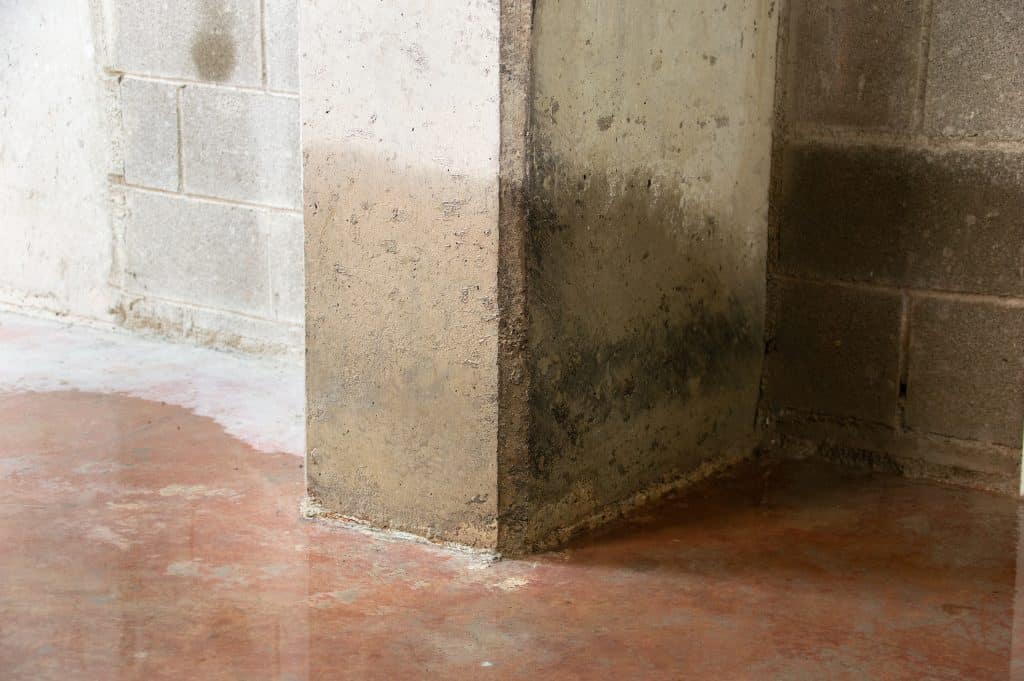
Because the walls are constantly surrounded by soil, water pressure pushes against the masonry. If there are any cracks, gaps, or weak points, moisture will find a way through. Even a small amount of water over time can cause plaster to flake, timber to rot, or mould to spread.
Common causes of basement damp include:
- Poor or failed external waterproofing
- Cracked or porous masonry
- Blocked or broken gutters and downpipes
- Poor drainage around the property
- Missing or ineffective damp proofing
- Lack of ventilation leading to condensation
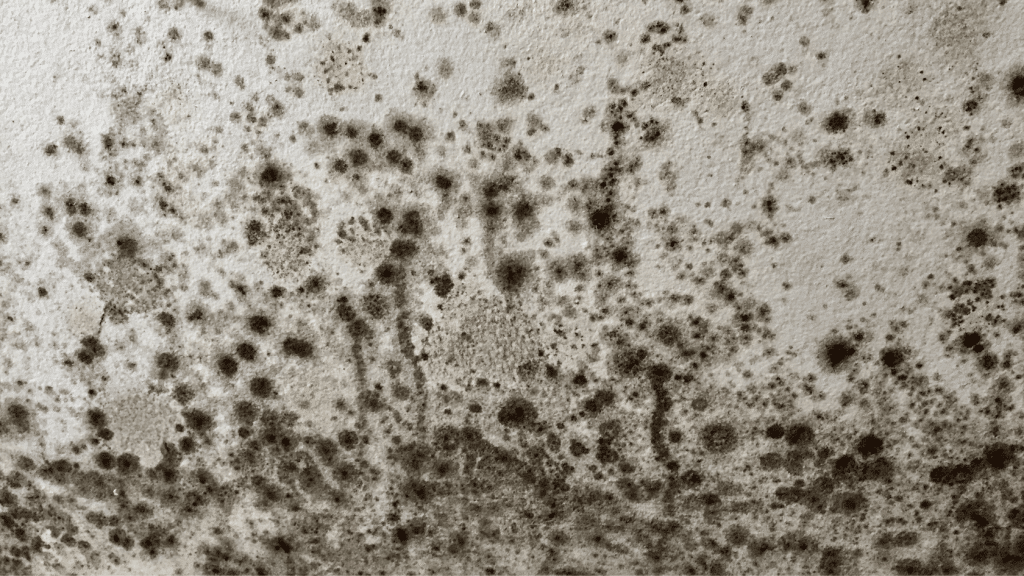
A damp basement often goes hand-in-hand with mould growth. Mould thrives in dark, humid spaces and can damage your belongings and cause health issues like allergies or respiratory irritation.
If you’ve spotted black mould, a musty smell, or peeling paint, it’s time to take action. A damp survey will help identify the source and guide the right solution.
Signs of a Damp Basement
Before you start waterproofing, it’s important to confirm what you’re dealing with. Common signs include:
- Water stains or tide marks on walls
- Flaking or bubbling paint and plaster
- Damp, cold walls to the touch
- Mould on walls, ceilings, or stored items
- Musty smells that linger
- White powdery residue (efflorescence) on brickwork
- Pooled water or puddles after rain
If you notice any of these, don’t just paint over the problem. Damp will always come back unless the underlying issue is fixed.
How to Waterproof an Existing Basement
Waterproofing an existing basement is a little different from waterproofing a new build. Excavating from the outside is often not practical, so internal systems are usually the best option.

Here are the main methods used by professionals:
1. Internal Tanking
Tanking involves coating the inside of the walls and sometimes the floor with a waterproof cement-based slurry or render. It creates a continuous barrier that stops water seeping through.
This method works best for light to moderate water pressure. However, if cracks appear later or the coating is damaged, leaks can return. A specialist should always inspect the surface first and make any structural repairs before applying tanking.
2. Cavity Drainage Membrane System (CDM)
This is one of the most popular systems for existing basements. Plastic studded membranes are fixed to the walls and floor, creating a small air gap behind them. Any water that seeps in is channelled into a hidden drainage system at the base of the wall, which leads to a sump pump.
The pump then removes the collected water safely outside. This system manages water rather than fighting against it, which makes it reliable and low risk. It’s also maintainable, which is an important requirement under BS8102:2022 for below-ground waterproofing.
3. Sump Pumps
A sump pump sits in a pit at the lowest point of your basement. Any water that collects from the drainage channels or leaks is automatically pumped out of the house and discharged safely.
It’s vital to have a battery backup or alarm fitted so you know if the system stops working, especially during heavy rain or power cuts.
4. External Waterproofing
In some cases, external waterproofing might still be possible. This involves excavating the soil around the basement walls and applying a waterproof membrane or coating to the outside. It’s more expensive and disruptive but offers a long-term solution.
Exterior systems often include French drains or gravel trenches to improve water flow away from the walls.
5. Structural Repairs and Replastering
If damp has damaged plaster or walls, these areas need to be repaired with specialist materials after waterproofing is complete. Use salt-resistant plaster and breathable finishes to prevent future problems. You can learn more about this process on the wall repair and replastering page.
What Does BS8102 Say
In the UK, basement waterproofing is governed by the British Standard BS8102:2022 – Protection of Below Ground Structures Against Water Ingress.
This standard outlines three main types of waterproofing systems:
- Type A: Barrier protection (like tanking or waterproof coatings)
- Type B: Integral protection (using watertight concrete structures)
- Type C: Drained protection (using cavity membranes and pumps)
For habitable spaces, BS8102 states that there should be no signs of water ingress or dampness at all (known as Grade 3 protection). It also recommends involving a qualified Waterproofing Design Specialist early in the process to design the right combination of systems for your basement.
If you’re converting a basement into a living area, or you have ongoing damp issues, make sure your chosen contractor understands and follows BS8102.
More info here by PCA – Type B Waterproofing Systems
How to Get Rid of Damp and Mould in a Basement
Getting rid of damp starts with stopping more water from coming in. But to fully dry out a basement, you also need to:
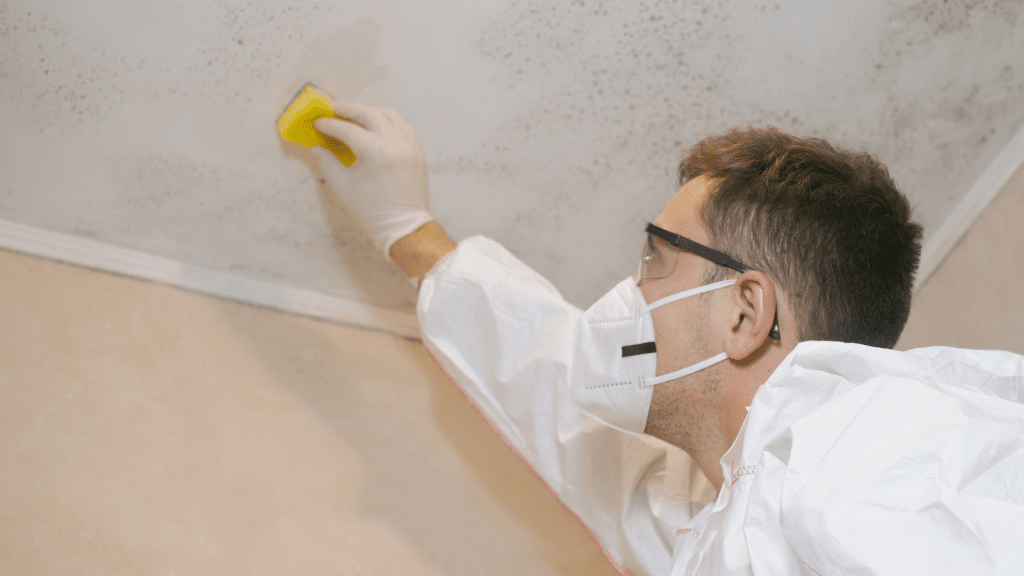
- Remove any existing mould with professional cleaning or professional mould removal services
- Use dehumidifiers or improved airflow to reduce moisture in the air
- Consider a ventilation and condensation survey to assess airflow issues
- Keep gutters and drains clear around your home
- Regularly test sump pumps and clean drainage channels if you have them
Once the source is controlled, surfaces can be repaired, treated, and redecorated. In most cases, drying can take several weeks depending on the level of moisture.
When to Call a Professional
Some minor condensation or surface mould can be managed with improved ventilation, but for structural damp or recurring leaks, professional help is essential.
Contact a qualified specialist if:
- You can see water seeping through the wall or floor
- There’s visible mould that keeps returning
- You’re planning to convert a basement into a living space
- You want to ensure your basement meets British Standards for waterproofing
A professional company like Nordic Damp Proofing can carry out detailed inspections using tools like thermal imaging and moisture meters. They can then recommend appropriate solutions such as structural waterproofing, structural water damage treatment, or structural drying services.
If you’re not sure where to start, book a survey online with us!
A damp basement doesn’t have to mean disaster. With the right diagnosis and a properly installed waterproofing system, even old, wet basements can be transformed into clean, dry, usable spaces.
Remember:
- Fix the cause before covering up the symptoms.
- Follow BS8102 standards and get professional design advice.
- Maintain drainage and pumps regularly.
If you need help identifying or fixing basement damp, explore our damp proofing services or contact us to book a survey. We cover all of Southampton, Dorset, and Hampshire, providing reliable waterproofing solutions that last.