Yes, and all three main types worsen for different reasons. Most guidance answers this question for condensation alone, which is the obvious winter problem but not the only one. Rising damp and penetrating damp also deteriorate in cold weather.
Understanding why can help you identify what you are facing. Condensation worsens because surfaces get colder and homes get sealed up. Penetrating damp worsens because winter brings driving rain, saturated ground, freeze thaw damage and overflowing gutters.
Rising damp worsens because evaporation slows. Moisture that might dry in July can remain inside the wall in January. Heating adds another complication. Using too little heat or following the wrong heating pattern can make damp worse. This guide covers each type, that trap, what winter does structurally, and a month by month view of when to act.
Condensation: Winter Is Its Season
Condensation forms when moist air meets a surface below its dew point. At this temperature, water vapour becomes liquid. Winter supplies both parts of that process.
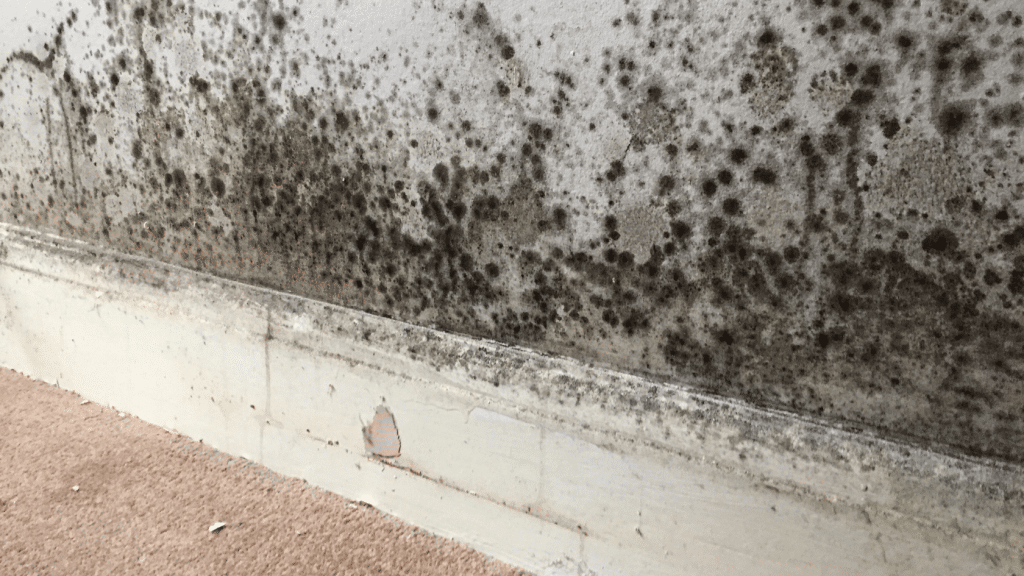
Surfaces get colder first. External walls, window reveals, lintels, and exposed corners all become colder as temperatures fall. Mould appears at these cold points first, which explains why certain rooms suffer every year.
Meanwhile you put more moisture into the air. Windows stay shut, laundry dries indoors, and households cook and shower more. A single load of washing dried inside releases roughly two litres of water.
Ventilation drops at the same time. People close trickle vents, use extractor fans less because nobody wants to lose the heat, and seal draughts. These choices reduce the building’s ability to remove moisture.
This is why improving ventilation is usually the first step. Wardrobes, stored boxes, and closed curtains can restrict air movement. The surfaces behind them then become even colder.
Rising Damp: Slower Evaporation, Not More Water
Rising damp draws ground moisture up through masonry by capillary action. The amount of water available changes little in winter, but the wall’s ability to shed it drops sharply. In summer, rising moisture may evaporate almost as quickly as it reaches the surface.
The visible damp therefore stays low and may be hard to notice. In winter, cold air holds less moisture and evaporation slows, so water climbs higher before it can escape. That explains why a tide mark sitting just above the skirting in August reaches knee height by February.
Ground conditions add to it. Saturated soil increases the moisture available at the base of a wall. Prolonged winter rain can keep the ground wet for months. A raised patio, path, flower bed, or low render can bridge the damp proof course. Winter is when this bridging often causes the most visible damage.
Penetrating Damp: Winter Does Real Structural Harm
Winter affects this type most, and most guidance skips it entirely. Wind driven rain strikes walls with force. It can push water into cracked render, eroded pointing, failed seals, and defective flashing.
The exposed elevation, usually facing south west across much of the UK, takes the worst of it. Approved Document C requires walls to resist rain penetration. Winter can expose a wall that only just met this challenge before.
Then frost gets to work. Water inside brick and mortar expands when it freezes. Repeated freezing and thawing can damage bricks, open joints, and crack render.
These defects allow more water to enter later. Parapet walls suffer particularly badly. Gutters fail at the worst possible moment.
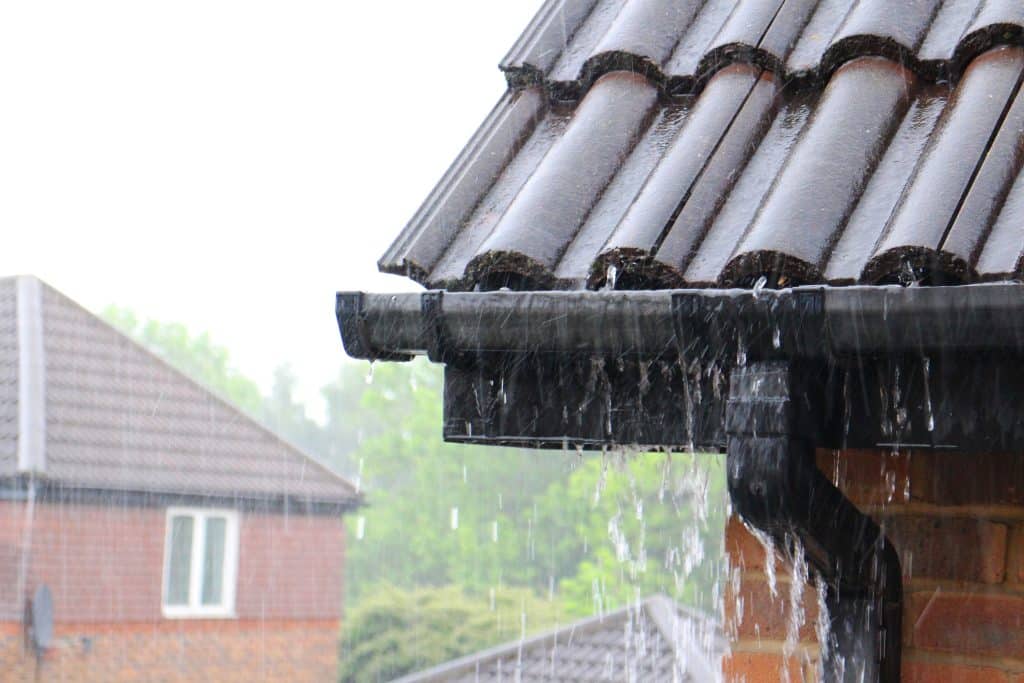
Autumn leaves can block gutters and downpipes as rainfall increases. An overflowing gutter then sends water down the same strip of wall for months. Government guidance lists damaged or blocked pipes, gutters and downpipes among the external defects that cause penetrating damp.
Saturated ground splashes water against the base of walls during each downpour. The wall may never dry between periods of rain. Roof defects may also become visible. Sustained rain can expose a slipped tile or failed flashing that went unnoticed in summer. The first sign may be a loft or ceiling stain rather than a wall patch.
The Heating Trap
Good intentions make things worse here, which explains a lot of otherwise puzzling winter damp. Heating too little leaves wall surfaces cold, and cold surfaces are precisely where condensation forms. A household cutting the thermostat to save money often trades energy cost for mould, redecoration and eventually replastering.
Heating in short intense bursts causes the less obvious half of the problem. Running the heating at a high level for one hour warms the air quickly. Masonry responds more slowly, so the walls may remain cold.
Warm air holds more moisture and can become humid. When it meets cold walls, condensation may form as soon as the heating stops. Low, steady background heat works better.
It keeps surface temperatures above the dew point and produces markedly less condensation than the same energy delivered in bursts. Combine steady heat with effective ventilation. Run extractor fans during and after cooking or showering, and keep trickle vents open.
Open a window fully for a short time instead of leaving it slightly open all day. Insulation matters too. Rented properties in England and Wales normally need an EPC rating of at least E.
Poor insulation creates the cold surfaces where winter condensation forms. Retro fitted cavity wall insulation causes its own problems in some properties. Wall insulation needs correct installation and suitable vapour control. Poor work can move condensation from the surface into the wall. This hidden problem, called interstitial condensation, may remain unnoticed for years.
A Month by Month View
September and October. Clear gutters and downpipes after the first leaf fall. Check the roof, flashings and pointing while the weather still allows repairs. Service or test extractor fans. These are the cheapest weeks of the year to prevent a winter problem.
November. The first cold snap arrives and condensation appears on windows in the morning. Set the heating to a steady low background level rather than waiting to react, and move furniture off external walls.
December and January. Condensation peaks. Mould becomes visible in corners, on reveals and behind furniture. Check the loft for damp insulation and daylight through the roof covering. If you leave the property empty over Christmas, set the heating to a frost protection level rather than turning it off.
February. Penetrating damp peaks. The ground is saturated and storms have already caused damage. Earlier frost damage may now allow more water to enter. The highest tide marks appear now.
March and April. Assess the damage. Anything still wet may involve more than simple condensation. Book a survey while the evidence remains clear and repairs can finish before winter.
May to September. Repair and drying season. External work becomes practical, walls actually dry, and remedial treatment gets time to settle before the cold returns.
What the Seasonal Pattern Tells You
Use the pattern as a diagnostic, because it tells you more than a single meter reading. Damp on windows and corners that peaks on winter mornings points to condensation. Ventilation and surface temperature drive this pattern.
Try these nine practical measures first. A defined patch that worsens during or after storms indicates penetrating damp through an external route. A low band that climbs during winter and recedes in summer suggests rising damp or a bridged damp proof course.
Meanwhile, a localised spot that ignores weather and season means a plumbing leak. Damp returning after last winter’s treatment suggests that the cause remains. Salt contaminated plaster may also keep drawing moisture from the air.
Breaking the Annual Cycle
Many households treat winter damp as weather rather than a fault. They wipe the same corner each January and repaint it every spring. That works until it does not, and the tell is repetition.
Recurring mould, a rising tide mark, and patches that worsen after storms all point to an unresolved cause. Damp remaining in late spring sends the same warning. So does a treatment that failed and a problem that returned.
Book the survey in March or April rather than December. The evidence is often clearest just after winter. Booking then leaves a full repair season before the cold returns.

What the Survey Should Check
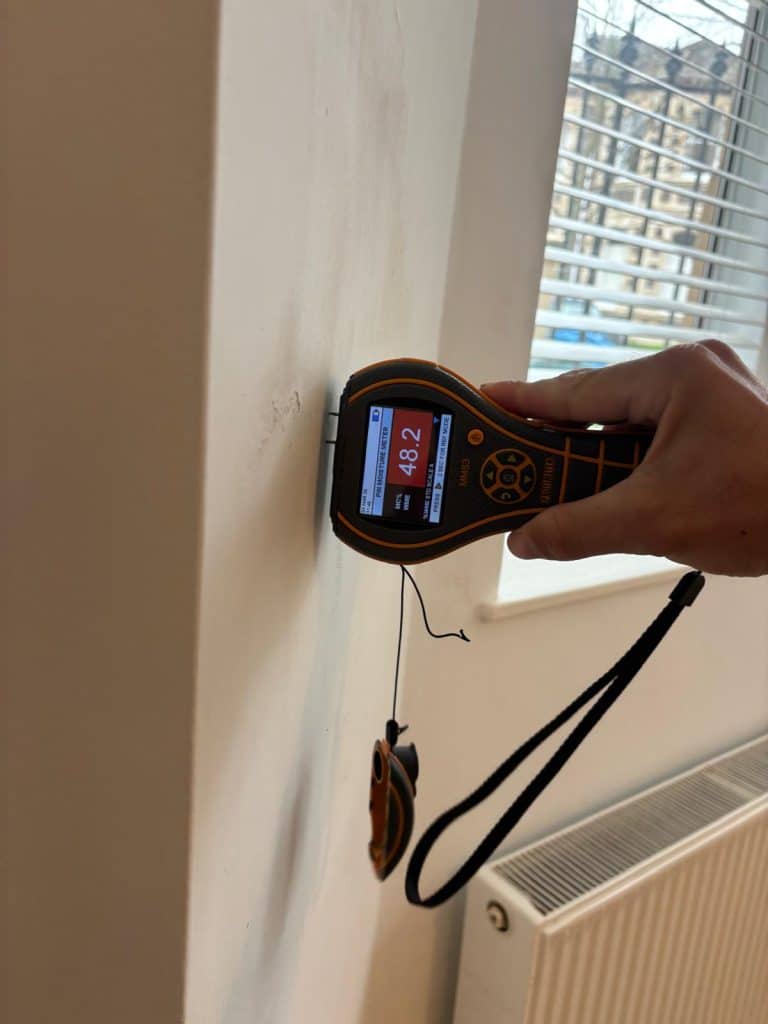
Expect the surveyor to map moisture at several heights and positions rather than take one reading. Temperature and humidity logs can show how much the indoor environment contributes. External checks should cover the roofline, rainwater goods, walls, and ground levels.

Thermal imaging can reveal cold bridges and hidden moisture. The surveyor should also test plaster for salts and check timber exposed to repeated damp. The plan should separate ventilation and heating measures from structural repairs. Confusing them can leave households fighting the same problem for years.
Arrange Repairs Before Winter Returns
Exposure plays its part as well, and there are specific reasons south coast homes get so much damp. Nordic Damp Proofing covers South of England & Wales working to British Standards. See Damp Surveys, Damp Proofing Services, and Mould Remediation.
You can also book a damp survey after the worst weather has passed. Quotes cost nothing and 25 year guarantees cover qualifying remedial work.
Do not spend a fourth winter wiping the same corner. We Find It, Treat It, and Stop It Coming Back. Winter shows you the problem, while spring and summer give you time to fix it.