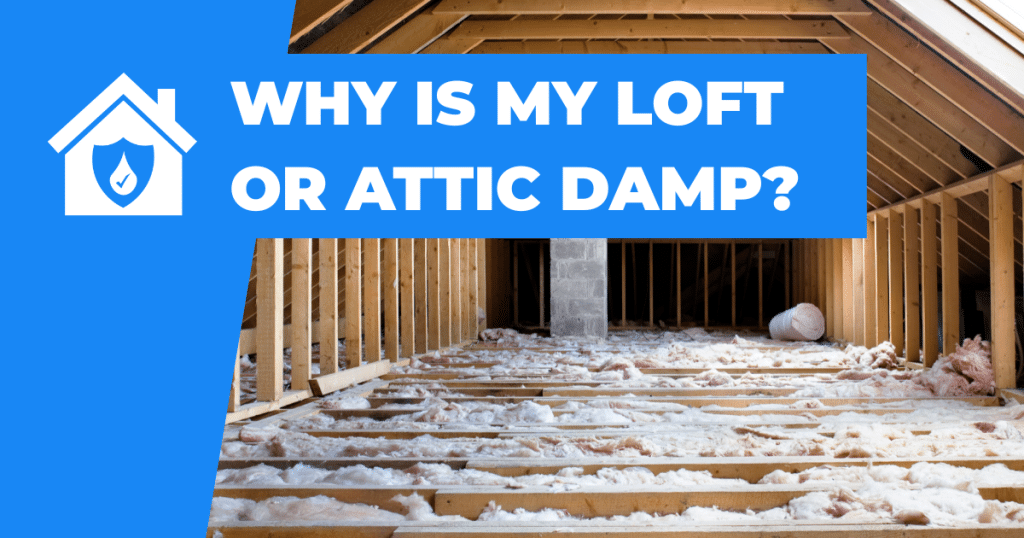
At its core, loft damp usually comes from condensation. Warm, moisture-laden air from the living spaces rises into the cooler roof void. When this humid air meets cold surfaces (roof boards, rafters or insulation), the air’s dew point is exceeded and water droplets form. Over time, this can leave surfaces wet and encourage mould growth. In cold months, this effect is strongest – unlike ground-based rising damp, condensation in the loft is seasonal and linked to poor ventilation and warm showers/cooking in the house below. (In fact, well-insulated, airtight homes can trap even more humidity aloft.)
Common Causes of Loft Damp
Roof leaks or rain penetration:
Broken slates, cracked flashing, damaged chimney or blocked gutters can let rainwater into the loft. Even small leaks wet the insulation and timbers. Repair any leaks and seal gaps promptly to prevent water entry.
Poor ventilation:

Inadequate vents (soffit/ridge vents) or blocked eaves mean warm air can’t escape. The temperature differential, combined with a lack of ventilation, creates the perfect damp conditions. The result is persistent condensation on cold timbers and roofing felt.
Inadequate or badly-installed insulation:
Paradoxically, insulation installed incorrectly can worsen condensation. If insulation does not allow airflow (e.g. gaps at the eaves or compressed layers) warm air pools and condenses on cold surface. Always maintain the recommended loft insulation depth with clear ventilation channels – this prevents “cold spots” and moisture traps.
Bathroom or kitchen fans venting into the loft:
Fans must terminate outside. Venting an extractor directly into the attic is prohibited by code – it dumps tons of humid air into a cold space. In colder weather, the vented air with moisture…mixing with the attic air causes condensation…on rafters and joists,” leading to rot.
Stored clutter (overcrowding):
Stacked boxes and belongings can block airflow. If your loft is overcrowded, this can also block ventilation. The loft constantly needs breathing space so the air can flow. Keep the loft clear around vents and leave gaps between stored items.
Signs To Look Out For
Mould and stains:
Dark or black mould on the underside of roofing felt, rafters or boarding is a red flag. Early mould often appears as tiny black spots on timber. Discoloured or “whitish” splotches along joists and insulation lines are common too.
Wet or soggy insulation:
Patches of insulation that feel damp or spongy mean moisture is condensing on them. You may also see water droplets or frost on cold surfaces in winter.
Damp, musty odours:
A persistent musty smell on upper floors, especially after windows have been closed up for some time, often indicates excess loft moisture.
Stained ceilings or walls below:
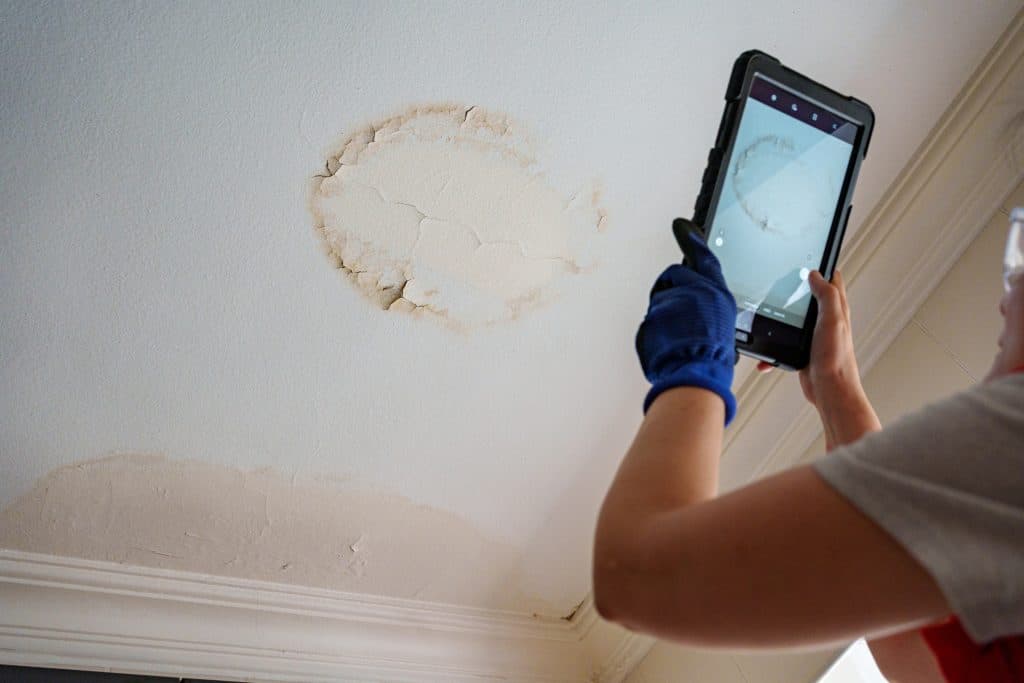
In severe cases, condensation can drip onto ceilings below the loft, leaving brownish water marks. (By contrast, rising damp causes tide lines on ground-level walls, and surface condensation on ordinary walls or windows.).
How Loft Damp Differs from Other Damp Problems
Loft damp is almost always from condensation or roof issues, not rising damp. Rising damp (ground moisture) is tied to a broken damp-proof course and shows up as tide marks on low walls. In contrast, loft condensation appears on roof timbers and nearby walls (often high or cold surfaces) during cold weather. Unlike penetrating damp (rain leaking through walls), condensation mould is often patchy and accompanied by humidity (fogged windows, etc.) rather than straight water stains. Simply put, loft damp is “unwanted moisture caused by condensation,” and it happens in winter when warm indoor air meets cold loft surfaces.
DIY Checks vs Professional Help
Before calling a pro, homeowners can do some checks: ensure all loft vents (soffit, ridge, and gable vents) are unblocked, and that there’s clear airflow above insulation. Remove any storage that may be obstructing eaves and open windows and extractor fans in bathrooms/kitchens to expel humidity. Check loft ladders/hatches and seal any obvious gaps – and never block ventilation slots with extra boarding or boxes. If you see roof damage, fix flashing or tiles immediately.
If, despite these steps, damp problems persist, it’s time for an expert. Persistent mould, rotten timbers or insulation sogginess after basic DIY fixes means professional diagnosis is needed. Specialists use moisture meters and thorough inspections (sometimes thermal imaging or humidity logging) to pinpoint the causes. In general, if mould comes back repeatedly or you notice structural softening, “you reach the tipping point…when visible issues persist after a full prevention cycle”.
Professional Investigation and Treatment
Modern loft-damp specialists (e.g. like us at Nordic) will carry out a detailed survey. This often includes mapping damp areas, using moisture meters on rafters, and possibly thermal cameras or dew-point calculations. The survey will check that bathroom fans, tumble-dryer vents or other outlets are routed outside (not into the loft), and measure relative humidity.
Treatment targets the root causes. The main fixes are improving ventilation and controlling warmth: for example, adding or unblocking loft vents (eaves, ridge, turbine vents), installing insulated loft hatches, and sealing all pipe/light penetrations to prevent warm-air leaks. Additional insulation may be added or rearranged with vapour barriers to slow heat/water transfer. In extreme cases, a whole-house positive-input ventilation (PIV) system or a heavy-duty dehumidifier may be installed. (If DIY measures fail, their surveyors will often recommend professional solutions like a positive-ventilation system) The goal is to keep loft humidity below about 60%.
Loft Dehumidifiers
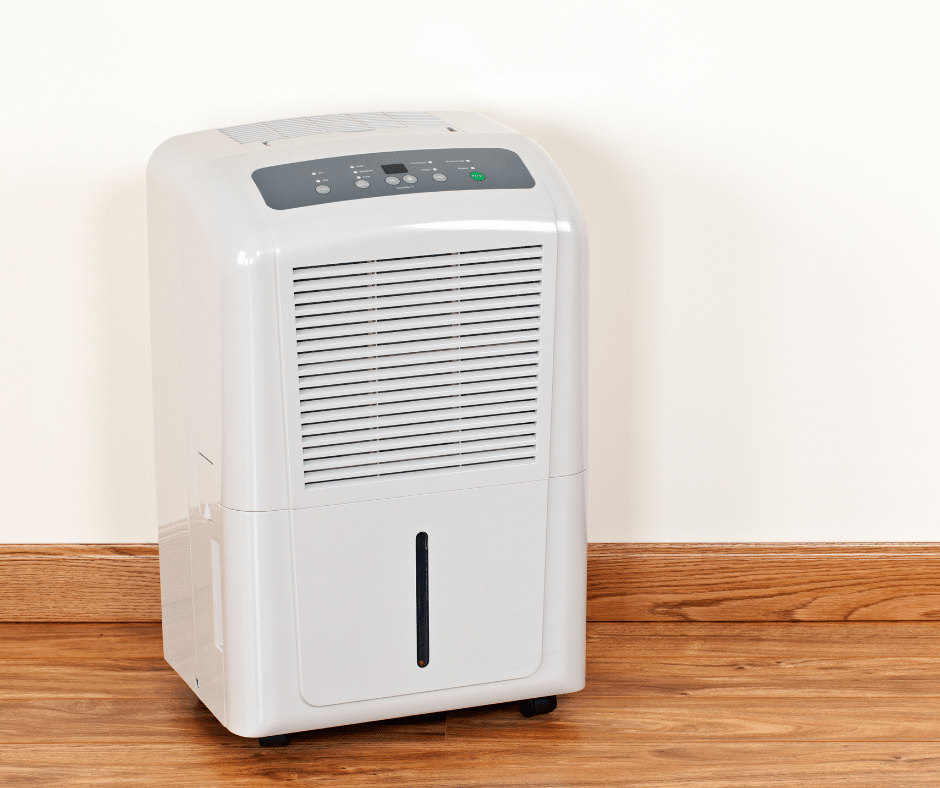
As an adjunct, loft dehumidifiers can help control humidity where ventilation alone isn’t enough. Small 12–20 L/day units are sold for attic use, capable of significantly drying a modest loft. However, experts caution that running a dehumidifier continuously can be costly and requires regular emptying or drainage. They recommend prioritising ventilation fixes, using dehumidifiers as a supplement. (A dehumidifier should be sized to the loft – e.g. 12 L for a ~10 m² space, or 20 L for larger attics).
How Nordic Investigates and Treats Loft Damp
Firms like Nordic Damp Proofing begin with the same survey approach. They will inspect the roof space thoroughly and discuss your home’s habits. Because condensation issues often stem from everyday moisture (the typical household adds ~10–14 L of water vapour daily from cooking, bathing, etc.), the survey looks at sources as well as symptoms. Nordic surveyors will check ventilation paths and measure indoor humidity. If needed, they may use thermal imaging or hygrometers to find cold spots or moisture pockets.
Once the problem is diagnosed, Nordic Damp Proofing will treat it holistically. This usually means installing or unblocking vents, sealing loft hatches, and potentially adding a controlled ventilation unit. For example, Nordic Damp Proofing often recommends adding soffit or ridge vents to increase airflow. They will also ensure no internal fans (bathroom, dryer) vent into the loft – correcting these immediately, since codes require exhaust air to go outside. In short, our fix plan is data-driven: they document humidity and moisture levels and then either improve passive ventilation or fit mechanical ventilation/dehumidification as needed