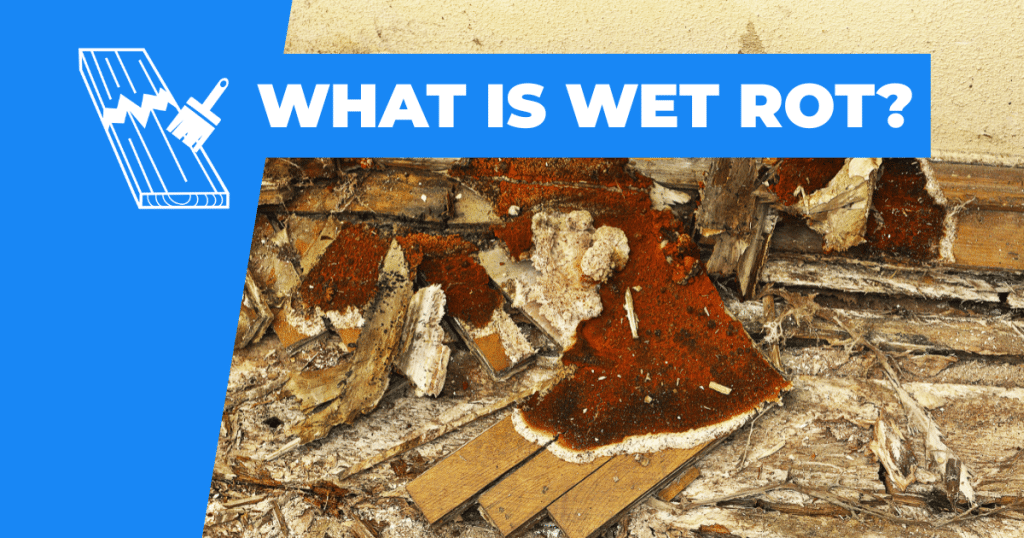
Wet rot is a type of wood-rotting fungus that attacks damp timber in buildings. It typically needs high moisture – usually above about 20–23% – in the wood before decay really takes hold. In simple terms, wet rot survives by feeding on the moisture and nutrients in the timber. You’ll often find it wherever wood stays wet or poorly ventilated – for example in leaky basements, bathrooms, kitchens or around window frames.
Coastal areas such as Dorset and Hampshire tend to be more damp and humid, and parts of Dorset even hold UK records for extreme rainfall. That means properties in these regions can be at higher risk of wet rot if moisture problems aren’t dealt with quickly.
Where wet rot occurs
Wet rot appears in places where timber is exposed to continuous or repeated damp. Typical causes include:
- Roof leaks and defective tiles
- Blocked or leaking gutters and downpipes
- Leaking pipes and overflows
- Poor seals around baths, showers and sinks
- Rising or penetrating damp in walls
- Condensation in cold, unventilated rooms
Because of this, you’ll commonly find wet rot:
- Under floorboards in cellars and ground-floor voids
- Behind ground-floor skirting boards
- In wall timbers around windows and door frames
- In roof spaces and lofts where roof timbers stay damp
- Around bathrooms, kitchens and utility rooms
- In crawlspaces and poorly ventilated cupboards

Homes along the wet South Coast – such as Bournemouth, Poole, Christchurch, Southampton and surrounding areas – experience heavy coastal rain and higher humidity, so regular checks for damp and rot are especially important.
How to spot wet rot
Wet rot usually looks and feels very different to healthy wood. Key warning signs include:
Discoloured, damp-looking wood
- Timber may darken, look stained, or sometimes appear bleached in odd patches. You might notice brown, yellowish or darker areas compared with surrounding wood.
Soft, spongy or crumbly texture
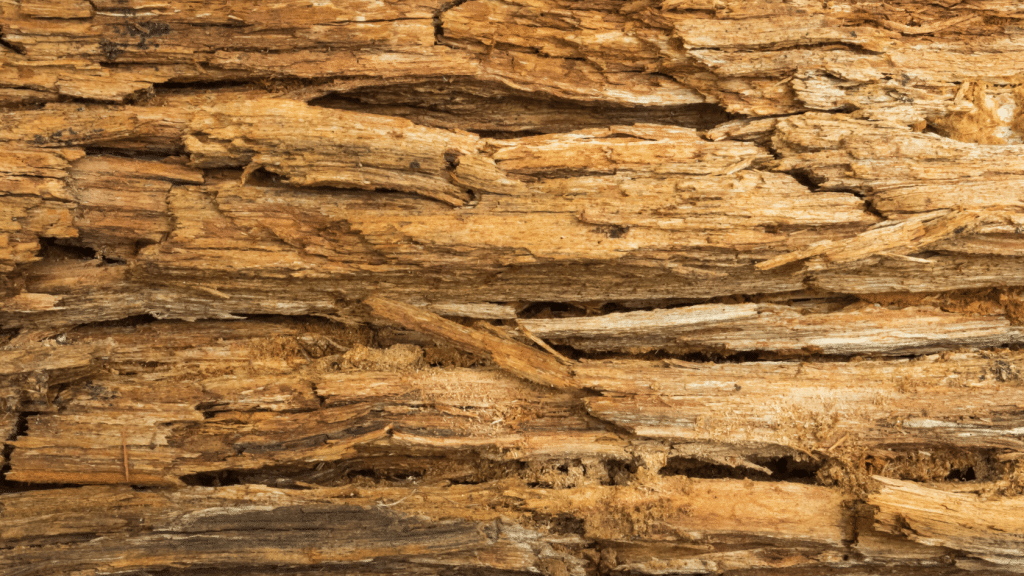
- When you press or prod the wood (for example with a screwdriver), it may feel soft, spongy or crumble away easily. A screwdriver sinking in with little effort is a strong indication of wet rot.
Fractured or flaky paint
Painted wood can hide rot underneath. Look for:
- Cracked, blistering or peeling paint
- Bulging or uneven paintwork
- Soft wood beneath when you scrape back the paint
Visible fungal growth
In some cases, you may see:
- Pale yellow or white fungal strands or patches on the surface of the wood
- A thin skin or growth on very damp timber
Musty smell
A persistent damp, earthy or “mouldy” smell around timber, floors or skirting boards is a common sign of wet rot and associated dampness.
Taken together, these clues strongly suggest wet rot is present. In early stages, it can be confused with dry rot, so understanding the differences is helpful.
Wet rot vs dry rot
Wet rot and dry rot are both timber decay fungi, but they behave very differently.
Check out – What is Dry Rot?
Spread
- Wet rot stays local to where the wood is damp. It cannot spread through masonry and will not usually affect large dry areas.
- Dry rot can spread across masonry, plaster and brick, and reach out to infect dry timber by drawing moisture from damp areas.
Appearance
- Wet rot typically leaves wood soft, wet, crumbly and discoloured, but usually without large areas of thick white mycelium.
- Dry rot often produces white, cotton-wool-like mycelium and, in advanced stages, orange or reddish bracket-like fruiting bodies on the wood.
Severity
- Both types of rot weaken timber and can cause serious damage.
- Dry rot is generally more aggressive and destructive because of its ability to travel through the building and attack previously dry timbers.
- Wet rot is usually more confined to the specific damp area, but can still cause major structural issues if left untreated.
Treatment
Both require the underlying damp source to be fixed and appropriate fungicidal treatment. However, dry rot treatment is often more extensive, sometimes involving the removal of whole joists, beams or large areas of timber and masonry treatment.
Why early treatment matters
Ignoring wet rot can be expensive and dangerous. Over time, affected timber loses strength and stiffness. If key structural timbers such as joists, beams or roof timbers are involved, this can lead to:
- Bouncy, uneven or sagging floors
- Distorted door frames and skirting
- Roof movement and potential failure in severe cases
The longer wet rot is left, the more timber will be affected and the more costly the repair becomes. What starts as a small damp patch on one joist end can eventually mean:
- Replacing multiple joists or large sections of floor
- Renewing roof timbers and associated finishes
- Extensive joinery repairs around windows and doors
Wet rot doesn’t explode overnight, but it will steadily progress through any timber that stays damp. Persistent dampness also encourages mould growth, which can affect indoor air quality and health, especially for people with asthma or allergies.
UK housing guidance on damp and mould stresses that issues should be dealt with promptly and with urgency, rather than waiting for them to get worse. This applies equally to homeowners and landlords.
Professional help and surveys
Because wet rot is always linked to moisture, the key to lasting treatment is to:
- Find and fix the source of damp (leaks, gutters, plumbing, failed seals, rising or penetrating damp, or poor ventilation).
- Assess how far the rot has spread and whether structural timbers are affected.
- Remove and replace damaged timber where necessary.
- Treat surrounding timbers with suitable preservatives to prevent recurrence.
A professional damp and timber survey can identify wet rot, locate hidden damp, and distinguish it from dry rot or other defects. Surveyors use tools such as moisture meters and, where needed, thermal imaging to trace the root cause before it spreads further.
We Find It. We Treat It. We Stop It Coming Back.