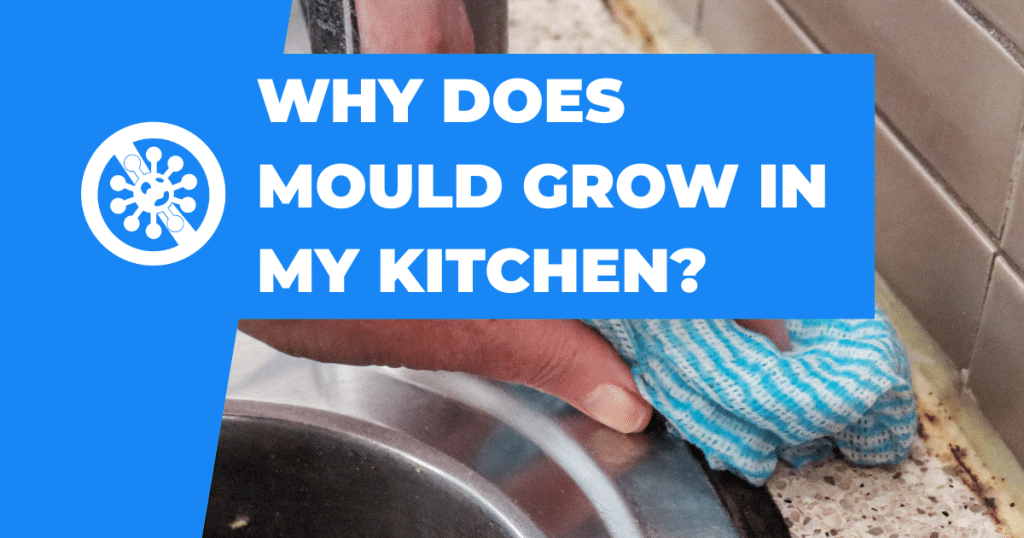
Kitchens are a hotspot for mould growth. It might seem puzzling since we usually clean our kitchens regularly, but the kitchen environment naturally promotes mould if not managed. If you have mould in more areas, read our guide on how to stop mould. Here are the main reasons mould comes in kitchens:
High Moisture Activities:
Think about what we do in kitchens – boil water, simmer pots, wash vegetables, run kettles, use the dishwasher, sometimes dry clothes, etc. All these activities release steam and moisture into the air. If this moisture is not vented out, it raises the humidity in the kitchen significantly. Over time or during heavy use (imagine cooking a big meal with multiple boiling pots), this moisture can condense on cooler kitchen surfaces (walls, ceilings, window glass, even inside cabinets on exterior walls) and create damp spots perfect for mould. Kitchens without an effective extractor fan or range hood are especially prone to this – the steam just spreads around and settles.
Poor Ventilation in Certain Areas:
Mould in kitchens is often found in dark, hidden, or closed spots where air circulation is low. For example, under the sink (where you might have a slow pipe drip or just trapped dampness from plumbing), behind or inside cupboards (particularly if a cupboard is against a cold exterior wall, the back of the cupboard can get damp and you wouldn’t see it until you look), around window frames, behind appliances (fridge, cooker – which might accumulate condensation or have leaks), and in ceiling corners if there’s insufficient ventilation. These areas can stay relatively moist compared to the open parts of the kitchen. If you ever notice a funky smell under the sink or in a cabinet, it’s likely mould or mildew from such trapped moisture.
Leaks and Water Intrusion:
Kitchens have a lot of plumbing. You have the sink, maybe an attached laundry or dishwasher, ice-maker lines, etc. Any small leak in the plumbing can keep an area wet. A drip under the sink cabinet, for instance, can rot the wood and grow mould on the wood or back wall. Also, kitchens often have exterior walls (for windows or vent hoods), and if those aren’t sealed well, rain or outside damp could intrude – though this is less common than bathroom leaks, it’s possible (like a poorly sealed window letting water in around the frame). Moreover, if your kitchen is on the ground floor, check that exterior ground levels or nearby drains aren’t causing damp through the wall. Poor weatherproofing or missing caulk can let water in.

All of these factors mean the kitchen can breed mould in nooks and crannies, even if the main surfaces look clean.
How to prevent kitchen mould:
Use ventilation
Whenever cooking – always turn on the extractor fan or range hood if you have one, and let it run for a few minutes after you’re done cooking. If you don’t have a hood, open a window while cooking, if weather permits, or immediately after cooking to flush out humid air. Boil water in a kettle or use pan lids to reduce open steam.
Check for leaks routinely
Look under the sink periodically for any dampness or puddles. Ensure the seal around the sink and any backsplash is intact (re-seal any gaps with silicone). If you have a dishwasher, see if there’s any water underneath it or rusting on the machine’s bottom – could indicate a slow leak. Same for fridge/freezers (check the drip pan if it has one).
Keep cabinets dry
Avoid storing lots of liquids or very damp items in closed cabinets for long. If you suspect a cabinet is prone to condensation (like an external wall cabinet), leave it open occasionally to air out, or drill a few discreet ventilation holes in the back. In UK homes with cold solid walls, it’s not unheard of to find mould behind kitchen units due to trapped condensation. Strategically ventilating these spaces helps.
Wipe up splashes and spills
Don’t let water from cooking or cleaning remain on countertops, walls, or floors. After cooking, wipe any condensation off walls/tiles (sometimes you’ll see your tile backsplash get sweaty with steam – just dry it off).
Insulate and heat
If your kitchen has an external wall that’s always cold (and thus condensing moisture), consider if you can insulate that wall or at least keep the kitchen slightly heated in winter to raise the surface temperature. Even a small gap radiator or heater used while cooking can reduce condensation on walls.
Mildew-resistant materials
If mould has been an issue, when renovating consider using mildew-resistant paint on the walls/ceiling in the kitchen. And avoid wallpaper on kitchen external walls, as it can trap moisture behind it; paint is preferable so the wall can breathe a bit and you can easily see and wipe any mould beginning.

In essence, treat your kitchen as a high-humidity zone and manage it: ventilate, check hidden spots, fix drips, and keep it dry. By doing so, you’ll greatly cut down the chance for mould to appear.
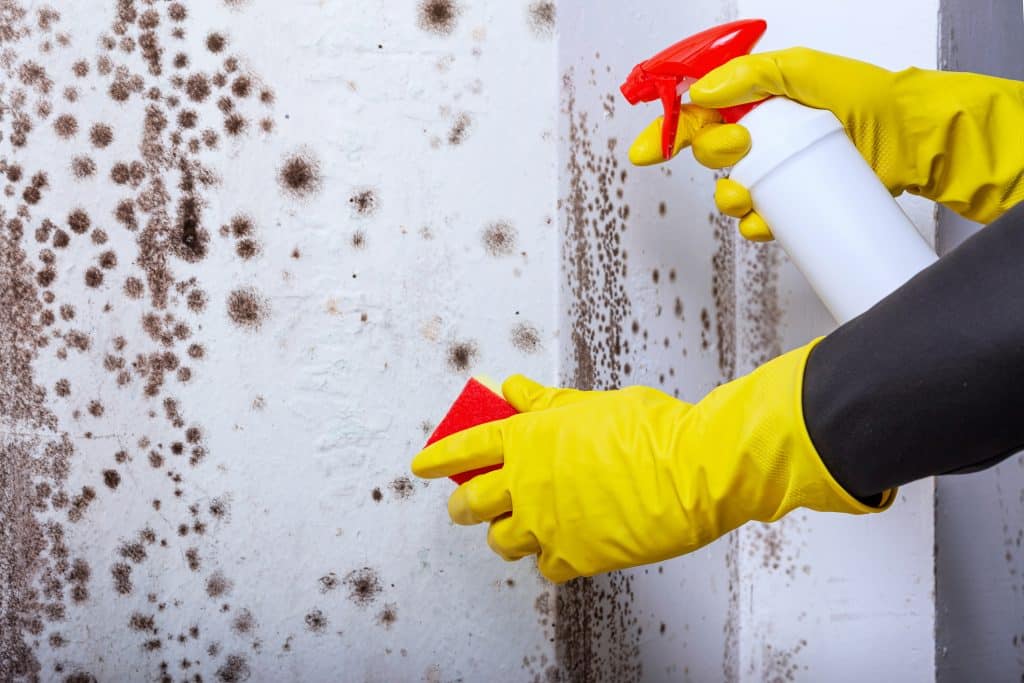
(One more thing: differentiate mildew vs. mould in kitchens. Mildew is a term often used for the light, powdery fungus that appears on surfaces like grout or around sinks – usually white or gray. It’s easier to clean and less harmful than deep mould. Mould is typically fuzzier or slimey and darker. Either way, clean any growth you see, but know that persistent regrowth means moisture is consistently present.)