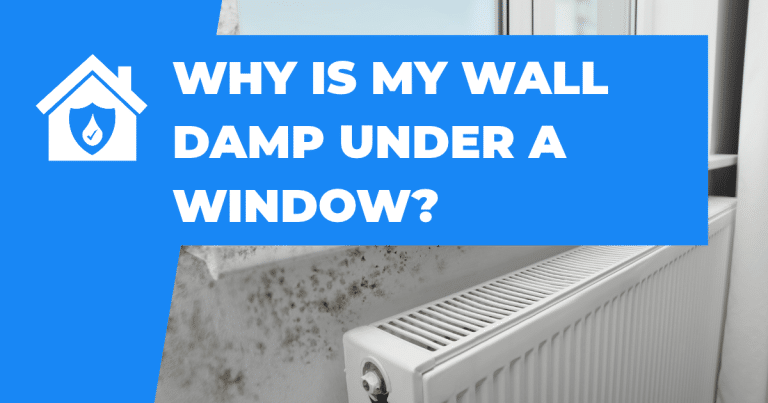
Condensation forms when warm, moisture-laden air meets a cold surface. Some rooms fog up far more than others because they consistently combine two things: high humidity and cold walls, windows or surfaces. External walls that are poorly insulated, north-facing, shaded or naturally colder attract moisture quickly. Rooms that generate a lot of steam or where warm air is trapped are also more prone to misting and mould. Below, we break down the most common rooms affected, why they suffer, and the practical fixes for each.

Bedrooms
Bedrooms often mist up overnight. A sleeping adult can breathe out more than a litre of moisture every night. If the door is closed and no window is open, that humidity builds up. Cold external walls or windows – especially north-facing, poorly insulated or shaded walls – stay cold enough for moisture to condense on them. Heavy furniture pressed against these walls can create cold spots by blocking airflow, making condensation worse.
Fixes:
- Keep a window slightly open or use trickle vents to allow constant air exchange.
- Maintain steady, gentle heating so the walls stay warmer than the dew point.
- Avoid placing furniture directly against external walls and don’t block radiators.
- Consider a dehumidifier or a positive-input ventilation (PIV) system if the room regularly mists up.
- If you rent, remember that recurring mould is usually a building issue (insulation or ventilation), not “tenant behaviour”. – Read our guide for renters!
Kitchens and Bathrooms
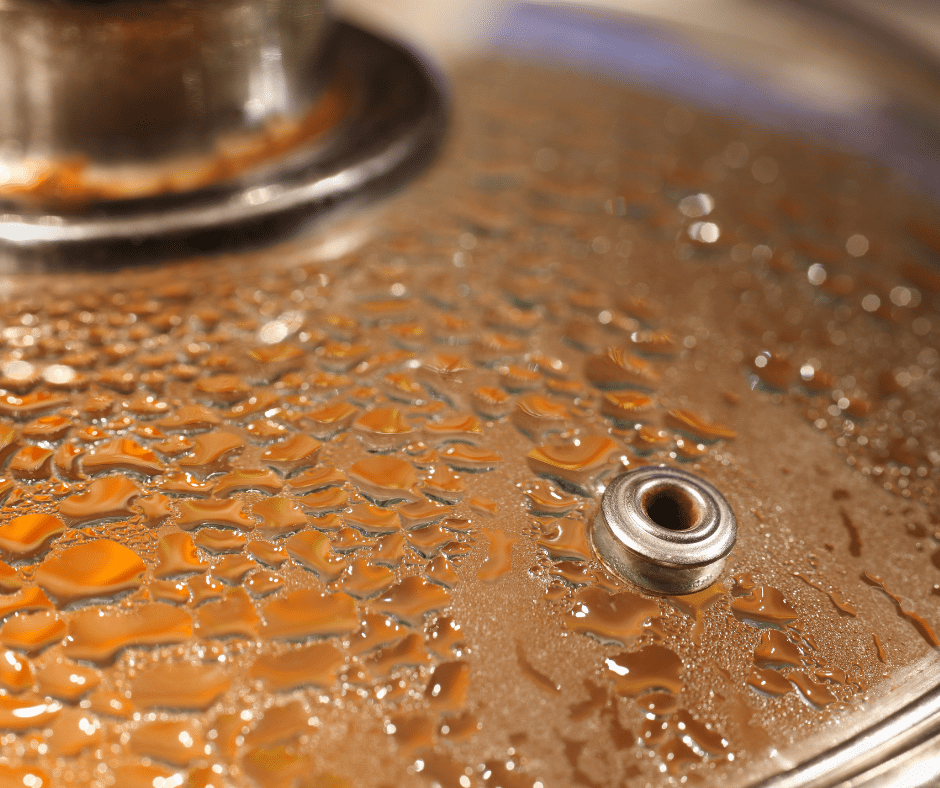
Kitchens and bathrooms generate huge amounts of steam. Boiling water, cooking, washing-up, showers and baths all release warm vapour into the room. Without proper extraction or ventilation, this moisture lingers and quickly condenses on cooler tiles, mirrors, windows, grout lines and painted walls. Cold surfaces in these rooms – ceramic tiles, metal fixtures and glass – naturally attract droplets.
Fixes:
- Always run extractor fans during cooking or showering, and keep them running for at least 10 minutes afterwards.
- Close the kitchen or bathroom door when producing steam, so humidity doesn’t spread through the house.
- Use lids on pans to reduce vapour.
- Wipe down wet tiles after bathing.
- Ensure extractor fans are strong, clean and correctly vented to the outside.
- Consider upgrading to double glazing, heated towel rails or underfloor heating in cold bathrooms where surfaces remain chilly.
If you’re Dorset or Hampshire-based, companies like JCarter Locksmiths offer UPVC Glazing upgrades, get in touch with them to arrange!
Basements and Ground Floors
Basements and uninsulated ground-floor slabs are often the dampest places in a home. Their walls and floors are in contact with cold ground, so warm indoor air condenses the moment it hits those chilled surfaces. Even in summer, basements can be cold enough to cause “sweating” walls or floors when warm humid air drops down from upper floors. Any lack of ventilation only worsens the problem. Ground-floor slabs without a damp-proof membrane are also prone to absorbing ground moisture, adding to the humidity.
Fixes:
- Use a dehumidifier or mechanical ventilation unit to keep humidity low.
- Insulate exposed walls or slab edges where possible.
- Wrap cold-water pipes or ducts to stop them chilling the surrounding air.
- Improve external drainage, repair guttering and ensure rainwater is being directed away from the property.
- Add controlled heat and airflow to keep surfaces above dew-point temperature.
- In finished basements, use moisture-resistant materials and paints.
When Condensation Becomes a Building Defect
Condensation is not always “a lifestyle problem”. Homes naturally generate moisture from cooking, bathing, drying clothes and simply living. A well-designed home should handle this through proper ventilation, insulation and heating. When a room continues to mist up even with good habits, it usually means the building fabric is at fault.
Common building defects that cause persistent condensation include:
- Poor or missing insulation on cold external walls.
- Cold bridging (uninsulated lintels, corners, bay windows or solid walls).
- Blocked or inadequate extractor fans.
- Missing or ineffective damp-proof courses.
- Poorly installed windows with no trickle vents.

If a room still suffers heavy condensation after you’ve ventilated, heated, wiped down surfaces and reduced moisture, the root cause almost always sits within the structure of the home.
Summary
Certain rooms repeatedly suffer condensation because they combine cold surfaces with high humidity.
- Bedrooms: overnight breathing trapped in a cool room.
- Kitchens and bathrooms: steam from daily routines condenses on tiles and glass.
- Basements and ground floors: cold walls/floors meeting warm moist air.
The long-term solution is a mix of good ventilation, steady heat and addressing building defects such as poor insulation or cold bridging. If condensation and mould persist despite your best efforts, it may be time for a professional assessment.
Nordic Damp Proofing can diagnose the underlying causes of persistent condensation and provide tailored solutions for ventilation, insulation and moisture control.
We Find It. We Treat It. We Stop It Coming Back.