Mould and mildew are both fungi that thrive in damp conditions. Put simply, mildew is a type of mould. In everyday use, people tend to call the flat, powdery white or grey growth “mildew,” and the darker fuzzy or slimy growth “mould.” Both release spores, both grow where there is moisture, and both can damage surfaces or trigger health issues.
Mildew is generally less aggressive, sits on the surface, and is easier to remove. Mould can penetrate materials more deeply and is more likely to cause persistent problems.
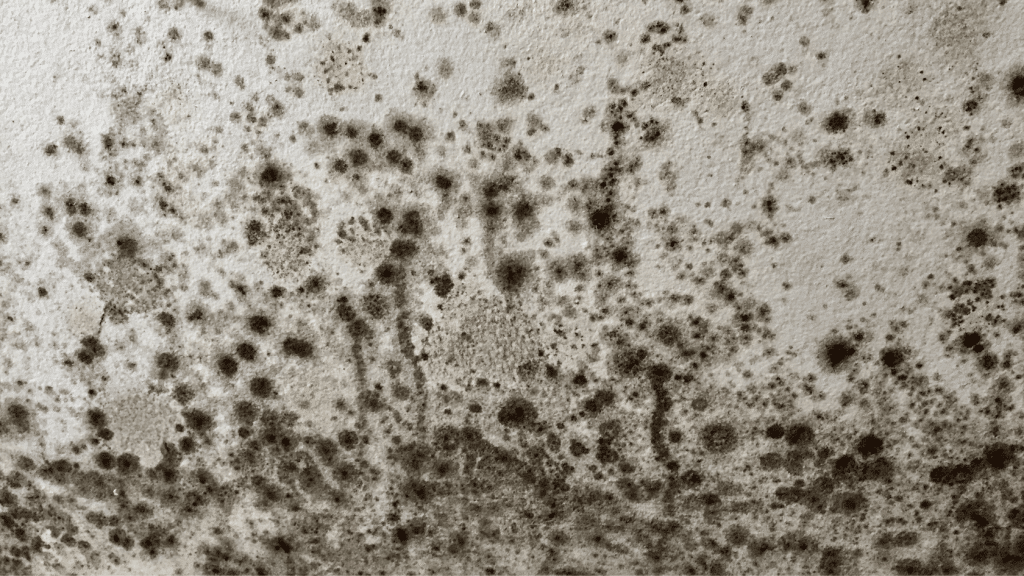
What are mould and mildew?
Mildew
Mildew appears as flat, powdery patches – usually grey or white. It commonly grows on damp surfaces such as shower walls, window sills, tiles, grout, fabric, or anywhere humidity stays high.
Mould
Mould is a broader term covering many fungal species (including mildew). It is often darker and more textured – black, green, brown, red or blue – and can appear fuzzy, hairy or slimy. Mould can dig deep into materials like plaster, wood, carpet, wallpaper and insulation, making it harder to remove and more likely to return.
Both mould and mildew feed on organic matter (paper, wood, textiles, plaster, wallpaper paste) when moisture is present.
How do you tell them apart?
Appearance
- Mildew: flat, grey-white, powdery patches resting on the surface.
- Mould: darker colours (black, green, brown, blue) with a fuzzy, slimy or hairy texture.
Smell
- Mildew has a mild musty smell, similar to damp laundry.
- Mould produces a much stronger, earthy, fungal smell that tends to linger and intensify.
Location & Conditions
- Mildew tends to grow in very humid rooms – showers, bathrooms, on window sills or on fabrics.
- Mould can grow almost anywhere with moisture – behind furniture, on ceilings, in basements, behind wallpaper, under carpets, in lofts or crawl spaces.
A flat white patch on a bathroom wall is usually mildew. A fuzzy black or green patch in a hidden corner is almost always mould.

Causes of mould and mildew
Both mould and mildew only grow when there is excess moisture. Common causes include:
High indoor humidity and condensation
Daily activities such as cooking, showering and drying clothes produce large amounts of moisture indoors. When warm, moist air hits cold surfaces (walls, windows, tiles), it condenses and forms water droplets – the perfect breeding ground for mould spores. Poor ventilation or low heating makes this problem worse. Good airflow and consistent heating help prevent condensation forming.
Water leaks
Roof leaks, cracked chimneys, damaged gutters, leaking pipes and failed seals around baths or showers can soak walls, floors and timber. Brown stains, blistering paint or peeling wallpaper often indicate leaks. These wet patches become mouldy very quickly unless repaired.
Rising damp
Moisture from the ground can rise through floors and lower walls, leaving a tide mark of damp plaster. This provides constant moisture for mould growth.
Poor insulation and ventilation
Cold, uninsulated walls, blocked vents, broken extractor fans and lack of airflow all trap moisture inside. Without ventilation, even small amounts of humidity will remain on surfaces long enough for mould to grow.
Cleaning visible mould alone is never enough – the underlying damp must be fixed or the mould will simply return.
Prevention strategies
The most effective way to stop mould and mildew is to reduce moisture and improve ventilation.
Ventilate and heat
- Use extractor fans when cooking or showering.
- Open windows regularly to allow humid air to escape.
- Keep indoor humidity ideally below 50%.
- Ensure consistent heating – warm air holds more moisture and reduces condensation.
Use dehumidifiers
A dehumidifier helps control moisture in bathrooms, basements, bedrooms and other damp rooms. While it does not kill mould, it stops it multiplying by removing the moisture that spores need.
Fix leaks and insulate
Repair plumbing leaks, roof problems or gutter issues promptly. Improve insulation on cold external walls or install trickle vents where needed.
Dry and clean regularly
Wipe down shower walls, tiles and windows after use. Don’t leave wet towels, clothing or fabrics piled up. Check behind furniture and appliances where condensation can collect unnoticed.
Professional solutions such as controlled ventilation, humidity management or damp-proofing may be needed in more persistent cases.
Spotting and testing for hidden mould
Not all mould is visible. Other signs include:
- Persistent musty or earthy odours
- Peeling, bubbling or damp paint/wallpaper
- Condensation and damp patches on cold walls
- Increased allergy symptoms (sneezing, coughing, wheezing)
- Rotting skirting boards or soft woodwork
If mould is suspected inside wall cavities, under floors or behind plaster, a professional survey is recommended. Specialists can use moisture meters, thermal imaging and air sampling to locate hidden damp or mould growth.
Treating mildew
Mildew is usually superficial and can be cleaned easily because it lies on the surface. Use:
- A mould/mildew-specific cleaner, or
- A natural solution, such as white vinegar and water
Scrub thoroughly with a stiff brush, rinse and dry the area. Wear gloves and a mask. Avoid using bleach, as UK guidance advises against it for health and safety reasons.
After removing mildew, ensure the area stays dry. Apply anti-mould or anti-mildew paint if needed.
Treating mould
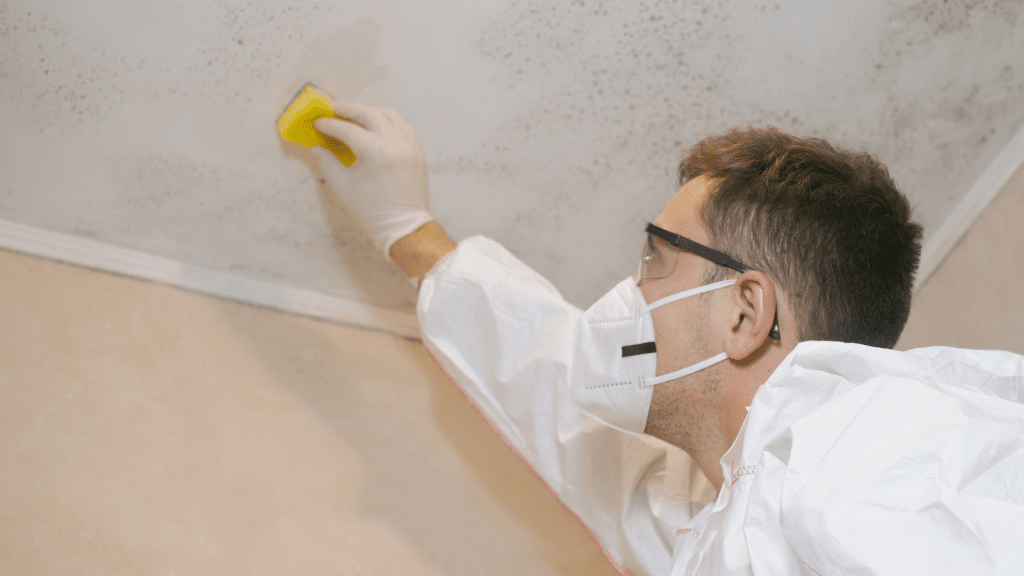
Mould penetrates deeper than mildew and requires more caution. Small patches can be cleaned with mould remover or detergent, but anything more than a tiny area should be handled professionally.
When cleaning minor mould:
- Wear protective gloves, goggles and an FFP2/N95 mask
- Scrub thoroughly with anti-mould cleaner
- Keep the area well ventilated
- Dispose of cleaning materials immediately
- Do not treat porous materials – they often need to be replaced
Larger or persistent mould growth should always be managed by qualified professionals. They can identify the moisture source, remove contaminated materials safely, and treat affected areas to stop mould returning.
Common places for mould and mildew
Mould and mildew often grow in hidden, humid, poorly ventilated places, including:
- Behind furniture against cold external walls
- Under carpets or laminate flooring
- Inside cupboards and wardrobes
- Bathrooms, shower rooms and kitchens
- Window frames, sills and curtain linings
- Lofts, basements and crawl spaces
- Behind appliances such as washing machines or fridges
- Under sinks, around pipework and inside airing cupboards
Anywhere moisture collects can develop mould over time.
Health concerns
Mould spores can be harmful when inhaled. UK health guidance warns that mould exposure can worsen:
- Asthma
- Allergies
- Coughing, wheezing and chest tightness
- Sinus irritation
- Respiratory infections
Children, the elderly and those with weakened immune systems or existing lung conditions are at higher risk. Prolonged exposure to damp and mould has been linked to serious health problems in severe cases.
Living with mould can also affect mental wellbeing due to stress, anxiety and sleep disruption.
Hiring a specialist
Professional help is recommended for:
- Recurring mould
- Large or widespread infestations
- Hidden mould (suspected in cavities or behind walls)
- Leaks or damp issues with no obvious cause
- Rental properties where mould triggers legal obligations – find them out here as a renter!
We will diagnose the cause, remove the mould safely and apply long-term solutions to stop it coming back – Book a survey today!
“We Find It. We Treat It. We Stop It Coming Back.”