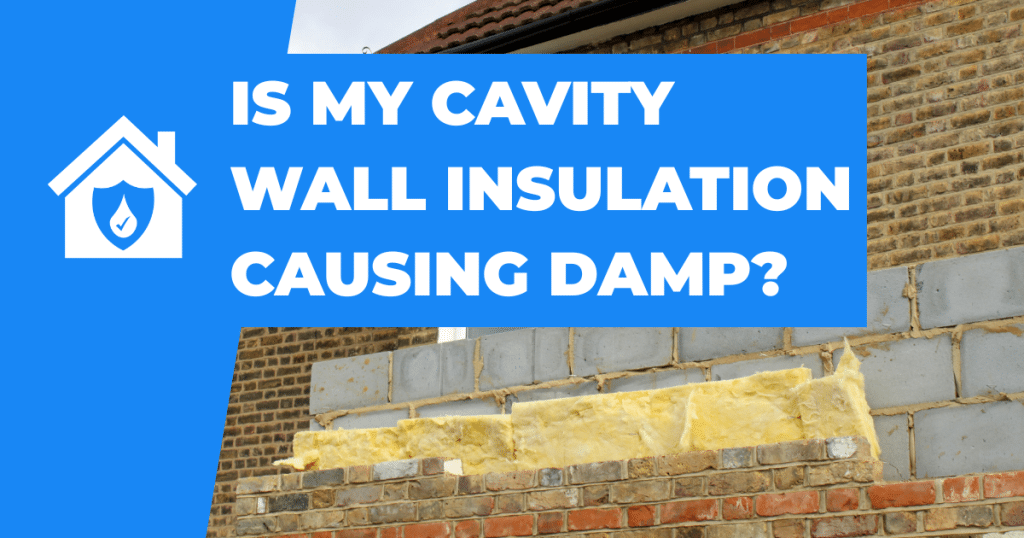
Cavity wall insulation (CWI) is designed to improve energy efficiency by filling the gap between two layers of brickwork. In theory, insulation materials are water-repellent and should not allow rainwater to pass from the outer leaf to the inner wall. In most cases, correctly installed CWI works exactly as intended – and we often reassure homeowners that it rarely causes damp by itself.
However, in some situations the insulation can become wet and form a moisture bridge across the cavity, especially if there are defects in the building or installation. This guide explains how CWI works, when it can contribute to damp, the signs to look for, and how Nordic Damp Proofing investigates and resolves cavity-related damp issues.
How Cavity Wall Insulation Is Supposed to Work
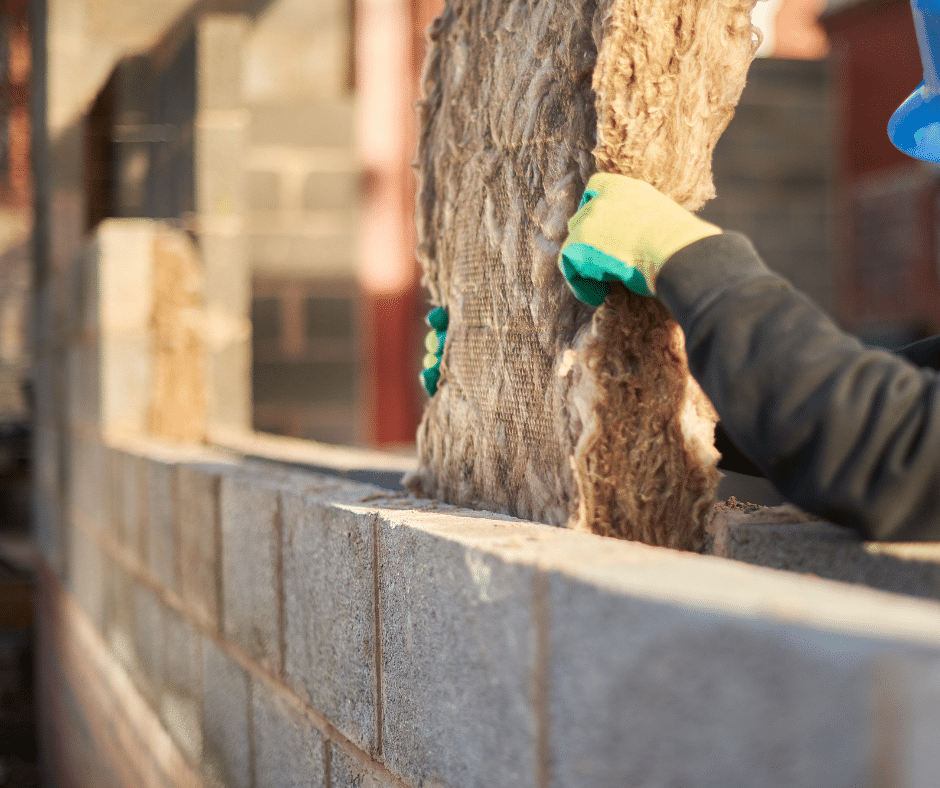
Cavity walls were originally designed with an air gap to prevent driving rain from travelling through the wall. Modern CWI fills this gap with materials such as beads or mineral wool to boost heat retention. When the system is installed properly, any rain that soaks the outer brickwork drains down the cavity and exits through weep holes at the base – never crossing to the inner wall.
Purpose of the cavity
The cavity blocks moisture, while the insulation reduces heat loss. In a healthy system, both elements work together to keep the home warm and dry.
How the system functions
Insulation fills the cavity, but is breathable and vapour-permeable. Moisture on the outer leaf drains away. The inner wall remains dry.
What should happen
If CWI is installed correctly and the external fabric is sound, damp problems usually stem from unrelated issues such as leaks, rising damp or poor ventilation.
When Insulation Can Contribute to Damp
Insulation can play a role in dampness when the building fabric is defective or the installation is incomplete. In exposed areas or periods of heavy, wind-driven rain, water can soak deeply into the brickwork and saturate the insulation. Once wet, insulation can bridge the cavity and transmit moisture inward.
Common causes include:
Moisture bridging
If the insulation becomes saturated, it can transfer water across the cavity. This often happens when brickwork or mortar joints are cracked, porous, or not maintained.
Blocked weep holes or vents
If cavity weep holes become blocked, trapped water cannot escape. Insulation can then sit in standing moisture.
Installation defects
Voids, uneven fill, rubble left inside the cavity, or over-filling can all contribute to damp by creating pathways for moisture.
Exposure to severe weather
Homes on coastal or high-exposure locations can suffer from extreme wind-driven rain. These properties may not be suitable for certain types of CWI.
Underlying building defects
Often the cause is not the insulation itself, but issues such as defective pointing, leaking gutters, missing cavity trays or damaged flashings.
Signs Cavity Insulation May Be Causing Damp
Nordic looks for several characteristic symptoms when assessing whether CWI is implicated:
Damp patches after rain
Moisture appearing on external-facing walls shortly after rainfall is a key indicator.
Peeling paint, blown plaster or tide marks
Damage that worsens after storms or appears midway up the wall suggests penetrating damp via the cavity.
Musty smells and mould
Persistent mould or odours localised to an external wall can signal trapped moisture.
Cold patches indoors
Wet insulation loses its insulating ability. Rooms or walls that suddenly feel colder can indicate saturated cavity fill.
Upstairs wall damp
Damp that appears above ground-floor level is unlikely to be rising damp and may indicate cavity penetration.
How Nordic Diagnoses Cavity-Related Damp

A properly structured investigation is essential. Treating the wrong problem wastes time and money. Nordic uses a range of tools to accurately identify the source:
Moisture profiling
We take readings at different heights. Rising damp peaks near the skirting; cavity damp often shows higher readings mid-wall.
External building inspection
We assess pointing, cracks, gutters, downpipes, flashings and weep holes. External defects are a major cause of cavity damp.
Thermal imaging
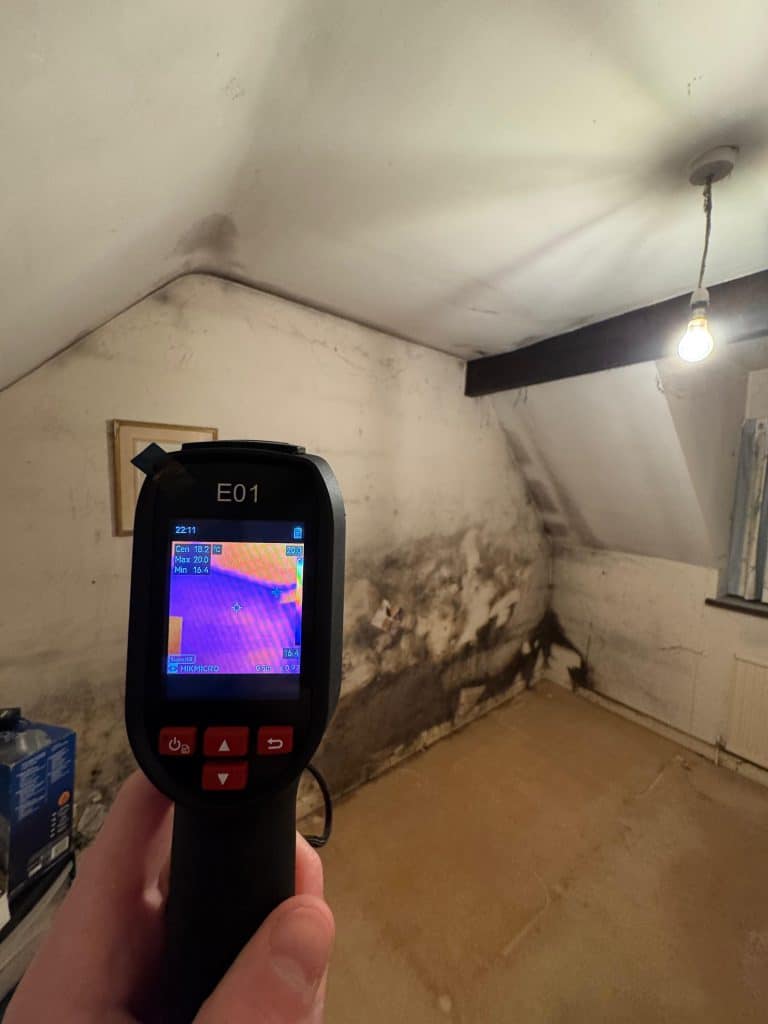
Infrared scans reveal cold, wet or missing insulation behind plaster.
Borescope inspection
A small inspection camera is inserted into the cavity to check for wet insulation, debris or voids.
Ventilation checks
We verify that all air bricks, weep holes, cavity trays and extractor vents are clear and functioning.
Internal ventilation assessment
Condensation is often misdiagnosed as CWI failure. We ensure fans and airflow are adequate before linking damp to insulation.
Repair and Remediation Options
Once we’ve identified the cause, Nordic proposes the most appropriate solution. In many cases, the insulation itself can remain in place after the building fabric is repaired and the cavity is allowed to dry.
Typical solutions include:
Repointing and external repairs
Fixing cracks, improving mortar joints, and repairing gutters or flashings to stop water entering the cavity.
Restoring cavity drainage
Clearing blocked weep holes and vents to allow moisture to escape.
Cavity clearance
If insulation is saturated or contaminated, we can remove it using specialist equipment. Debris, rubble or old fill is also extracted.
Insulation replacement
Where appropriate, we can reinstall suitable insulation once the cavity is sound.
Water-repellent coatings
Breathable, hydrophobic exterior wall treatments reduce rain absorption without trapping moisture.
Alternative insulation methods
For highly exposed properties, external wall insulation or internal insulated linings may be more appropriate than CWI.
Internal reinstatement
After the cavity is fixed, Nordic replaces damaged plaster using salt-resistant materials to prevent future problems.
When Nordic Recommends a Cavity Investigation
A cavity survey is worthwhile when damp symptoms don’t fit classic rising damp or condensation patterns. We recommend an investigation when:
- Damp patches worsen after rain – Especially if they appear on upper walls or mid-height sections.
- Mould or musty smells persist – Particularly on external walls.
- Certain rooms are hard to heat – A potential sign of wet insulation.
- Visible external defects are present – Cracked pointing, damaged render or blocked vents.
- The cause is unclear – If surveyors or homeowners can’t determine whether the issue is rising damp, penetrating damp or condensation.
Nordic’s Approach
Our philosophy is simple: diagnose accurately, treat the root cause, and avoid unnecessary work. Many homes blamed for “CWI damp” actually suffer from unrelated external defects. We never recommend insulation removal unless it is genuinely required.
Once we have full moisture data, thermal images and cavity visuals, we provide a clear report and a tailored solution.
Correctly installed cavity wall insulation should not cause damp. Problems arise only when there are building defects, blocked cavities, installation faults or extreme exposure conditions. Nordic Damp Proofing can assess whether your insulation is involved or whether another issue – such as leaking gutters, poor pointing, rising damp or condensation – is to blame.
With detailed surveys, moisture readings, thermal imaging and cavity inspections, we deliver accurate diagnoses and reliable solutions to keep your home dry.
We Find It. We Treat It. We Stop It Coming Back.