Mould growing on bedroom walls is an all-too-common problem in UK homes – and it’s more than just an eyesore. Recent estimates suggest that between 4% and 27% of homes in England have issues with damp and mould. Bedrooms are especially vulnerable because we often keep them closed-up and unventilated for hours at night, allowing moisture to build. This is a serious concern not only for your property but also for your health, as persistent mould can trigger allergies and respiratory problems. In short, if you’ve noticed those telltale black or greenish patches in your bedroom, it’s important to act quickly to find out why they’re appearing and how to stop them for good.
Typical Causes of Mould on Bedroom Walls
Mould needs dampness to grow. On first or second floor bedrooms (away from the ground), mould is usually caused by internal moisture or leaks rather than rising damp. Here are the most common reasons moisture builds up and causes mould on bedroom walls:
Condensation

This is by far the most common cause. Condensation happens when warm, moisture-filled air meets a cold surface, such as an external wall or window. Water droplets form, soak into surfaces, and create the perfect environment for mould to grow. Everyday activities – breathing, sleeping, drying clothes indoors, showering, or boiling a kettle – all release moisture into the air. Because bedrooms are often less ventilated than kitchens or bathrooms, this moisture lingers and settles on cool walls. If you regularly see condensation on bedroom windows, mould is likely to follow.
Lack of Ventilation
Poor airflow means humidity stays trapped. Modern homes are well insulated and often don’t “breathe” like older houses. If windows stay closed or trickle vents aren’t used, moisture builds up quickly. Without proper air circulation, even normal living activities can raise humidity to mould-friendly levels. Opening windows daily and keeping vents clear helps remove excess moisture.
Cold Spots & Poor Insulation (Thermal Bridging)

Mould often appears in corners, along external walls or behind furniture. These areas can be colder than the rest of the room, especially if insulation is poor or missing. When warm, moist air meets a cold patch, condensation forms rapidly. This is why mould appears in those same problem spots again and again. Improving insulation or addressing thermal bridging greatly reduces the risk.
Furniture Placement
When large furniture like wardrobes or headboards sits directly against an external wall, the lack of airflow can cause the wall behind to stay cold and damp. This trapped pocket of cool air leads to condensation and mould. Leaving a small gap between furniture and walls allows ventilation and reduces the chance of hidden mould growth.
Roof or Gutter Leaks (Penetrating Damp)
Not all damp comes from inside. External defects such as a leaking roof, damaged guttering, or cracks in masonry can let rainwater into the structure. This keeps walls wet and encourages mould. If a mould patch keeps returning no matter how often you clean it, or if the damp area feels cold and wet to the touch, a hidden leak could be the cause. Checking the loft, ceiling edges and external walls for signs of water ingress is essential.
Poor Wall Insulation or Single Glazing
Thin walls or single-glazed windows can become extremely cold in winter, resulting in more condensation. Upgrading insulation or installing double glazing helps keep wall surfaces warmer and less prone to reaching the dew point (the temperature at which condensation forms). If upgrades aren’t possible immediately, using thermal lining paper or anti-condensation coatings may help as a temporary measure.
Note: Rising damp usually only affects ground floors. If your bedroom is upstairs, rising damp is very unlikely to be the cause.
Common Types of Mould on Bedroom Walls
Several types of mould can grow indoors, but the most common include Cladosporium, Penicillium and Aspergillus. These often appear as black, green or grey fuzzy patches. Two types often found on interior walls are:
Black Mould (Stachybotrys chartarum)
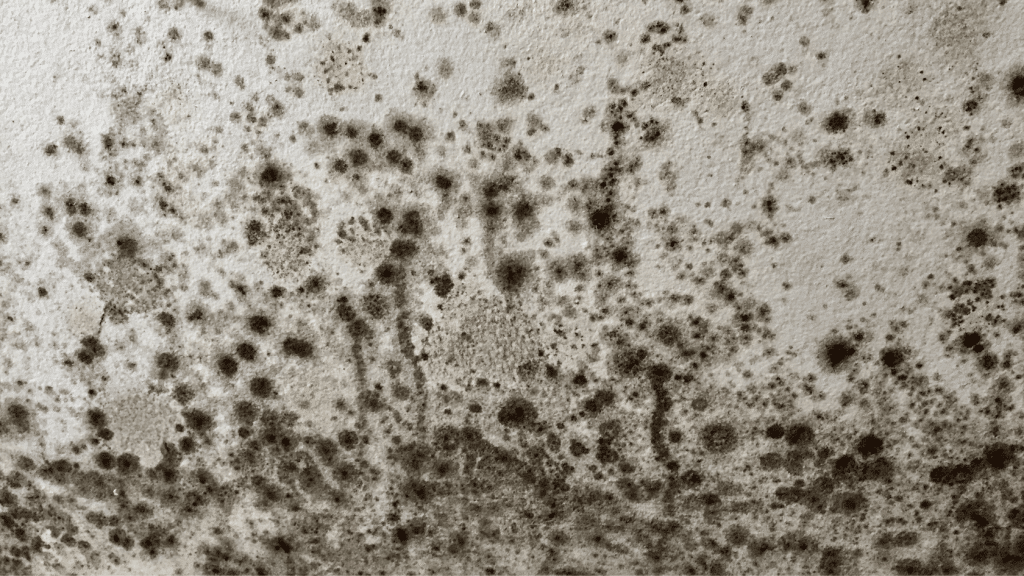
This dark greenish-black mould grows on materials like plasterboard, wallpaper or wood that have been damp for a long time. It is known for producing mycotoxins and is often associated with more serious damp issues. If you have slimy, spreading black patches, it usually indicates a significant moisture problem that needs immediate attention.
Aspergillus
Aspergillus is common indoors and can appear black, grey or yellow-green. Although most people breathe in Aspergillus spores daily without harm, high concentrations in damp bedrooms can cause issues, particularly for people with allergies, asthma or weakened immune systems. It’s important to remove it quickly and tackle the damp conditions that allow it to thrive.
Other moulds – such as Cladosporium or Penicillium – may also appear. Regardless of the species, any visible mould colony in your bedroom should be treated promptly.
Health Risks of Sleeping in a Mouldy Room
Mould in a bedroom isn’t just unpleasant – it can be harmful. As mould grows, it releases tiny spores into the air, which we then breathe in. The main health concerns include:
Allergies and Irritation
Exposure to mould spores can cause sneezing, a runny nose, itchy eyes, skin rashes and throat irritation. Many people notice they wake up congested or with irritated eyes if mould is present in the bedroom.
Asthma and Respiratory Problems

Mould is a known asthma trigger. Spores can inflame the airways and contribute to asthma attacks, persistent coughs or wheezing. Children and babies are especially vulnerable. Long-term exposure to mould has also been linked to the development of asthma in young children.
Toxins
Some moulds, including black mould, can release mycotoxins. While research continues into the long-term effects of exposure, these toxins are believed to contribute to fatigue, headaches, nausea and respiratory irritation. Damp and mould are classified as a Category 1 housing hazard due to their combined health risks.
Mental Health
Living with damp and mould can cause stress, anxiety and embarrassment. Many people report poorer sleep and increased worry when mould keeps coming back or when landlords fail to address the issue. A musty bedroom is far from ideal for good mental well-being.
If you rent, remember you have the legal right to live in a safe, mould-free home. Landlords must address serious damp and mould problems promptly. If needed, local councils can intervene where health is at risk.
Don’t Just Clean It – Fix the Cause
Cleaning visible mould with bleach or mould spray may improve the appearance temporarily, but it won’t stop it from returning unless you fix the underlying cause. In most cases, the moisture that allowed the mould to grow will still be present.
Simply put:
Cleaning = temporary
Solving the cause = permanent
Fixing the root problem may involve improving ventilation, repairing leaks, adding insulation, or addressing condensation issues. Professional help is often essential for long-term results.
A professional damp survey will identify the exact cause of your mould – whether it’s condensation, a leak, ventilation issues, thermal bridging, or something else. Once the source is found, we can apply the correct treatment, remove the mould safely, and ensure it doesn’t return.
We Find It. We Treat It. We Stop It Coming Back.