Home insurance typically covers sudden or accidental damage to your home (like fire, burst pipes or storms), but it does not normally cover damp or mould. Damp is seen as a slow, maintenance issue rather than an insured peril. For example, Aviva’s policy specifically excludes damage from “damp, fungus… or wet rot”. MoneySupermarket confirms that “home insurance doesn’t usually cover damp or mould unless it is related to an insured event such as flooding or a burst pipe”. Liverpool Victoria (LV=) similarly warns that if a leak causes damp gradually, the insurer will not cover the damage, since “damp is caused gradually over time… insurers won’t cover you for damage caused in this way”. In short, standard buildings or contents policies exclude damp and mould as a covered cause.
Why Home Insurance Doesn’t Cover Damp
Gradual damage/maintenance:
Damp (whether rising damp, penetrating damp or condensation) usually develops slowly over time. Insurers classify it as “wear and tear” or “gradual deterioration,” not a one-off accident. For instance, most policies explicitly exclude any damage occurring over a period of time (such as rising damp).
Policy assumptions and exclusions:
When you buy insurance, you declare your home is in good condition. Any pre-existing damp would violate that assumption. Standard policies do not cover existing damp and treat it as evidence of neglect. Likewise, mould (and by extension damp) is excluded if caused by condensation, lack of ventilation or neglected maintenance. Most insurers’ wording is similar: “We do not cover damage caused by gradual deterioration, lack of maintenance, or condensation.”.
Foreseeability and cost:
Damp can be foreseen and prevented by upkeep (unlike a sudden flood), and treatments are often expensive. Insurers, therefore, leave these costs to homeowners. The very fact that damp repair can be budgeted for means insurers exclude it as a foreseeable, non‑acute problem. In practice, that means repairing a leaky roof or installing ventilation is the homeowner’s job, not the insurer’s. Aviva even warns customers that insurers expect you to maintain your home – if you don’t, “your insurer may not be able to pay part or all of your claim”.
How to Spot Damp
Early detection of damp can save money and health. Watch for these warning signs:
- Peeling, bubbling or flaking wallpaper/paint, especially on external walls or near floors
- Musty or mildew odours in rooms
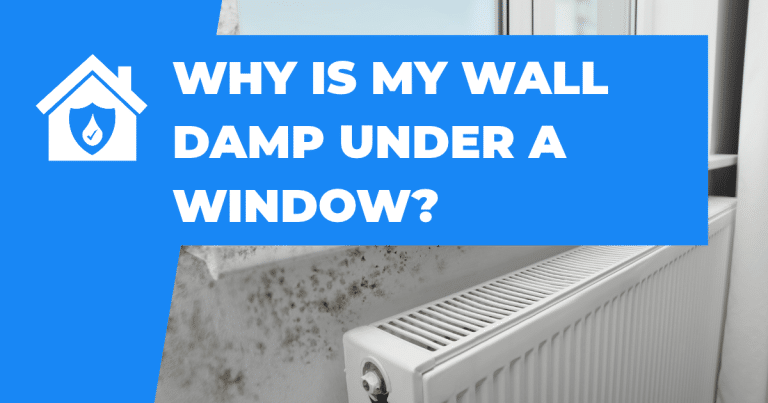
- Visible mould growth (often black or dark green) on walls, ceilings, around windows or pipes
- Damp patches or stains on walls and ceilings (especially low on walls for rising damp).
- White powdery deposits (salt efflorescence) or “tide marks” on brick or plaster near floor level(a classic sign of rising damp).
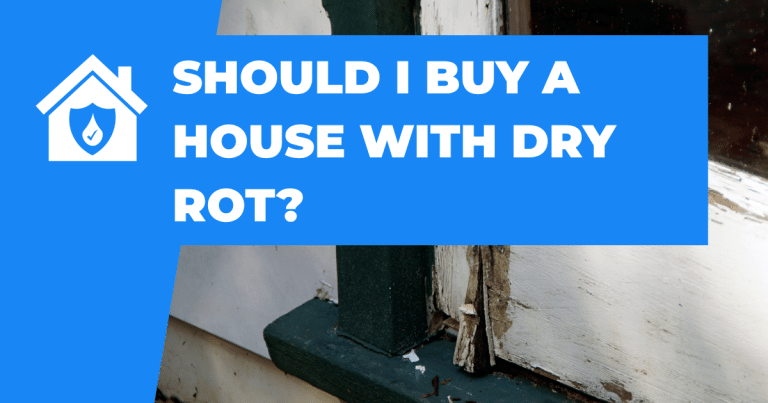
- Rotten or crumbling skirting boards, window frames or timbers – these decay in prolonged moisture.
- Excess condensation or moisture – e.g. water on cold windowpanes, high humidity, or frequent fogging of mirrors in a room.(Condensation can indicate poor ventilation.)
If you see any of these, act quickly: investigate the source (roof leak, plumbing, bridging of damp-proof course, etc.) and take remedial action, or consult a professional.
Treating and Preventing Damp
How you fix or prevent damp depends on the type:
Rising damp:
Install or repair a damp‑proof course (DPC). A specialist can inject a chemical DPC or install a membrane and re-plaster the wall up to about 1–1.2 m high. Improving external drainage and ground levels can also help.
Penetrating damp (leaks):
Find and fix the source of water ingress. Repair broken roof tiles, replace missing or damaged guttering, re-point cracked brickwork, and seal leaks around doors/windows. For persistent leaks, call a tradesperson promptly. Aviva advises regularly checking roofs, seals and plumbing for visible leaks or damage.
Condensation:

Increase ventilation and airflow. Use extractor fans in kitchens/bathrooms, keep lids on pots when cooking, and open windows or vents, especially when bathing or drying clothes. Maintain a consistent warm temperature. Using a dehumidifier or moisture-controlled heat can also help.
General maintenance:
Keep gutters and drains clear, insulate cold pipework, and ensure the home is well‑ventilated and warm. LV= recommends clearing gutters, fixing crumbling brickwork, and avoiding excess indoor moisture (for example, not drying clothes indoors). Many insurers (and damp specialists) suggest routine boiler and roof servicing and fitting leak detectors as preventive measures.
Early action is key: MoneySupermarket notes that catching a damp problem early “means the sooner you can treat it and prevent more serious damage”. In rented properties, it may be the landlord’s responsibility to fix structural damp issues, but tenants should report any signs promptly.
Read our guide – Damp or Mould problems for renters
Does Insurance Cover Mould Removal?
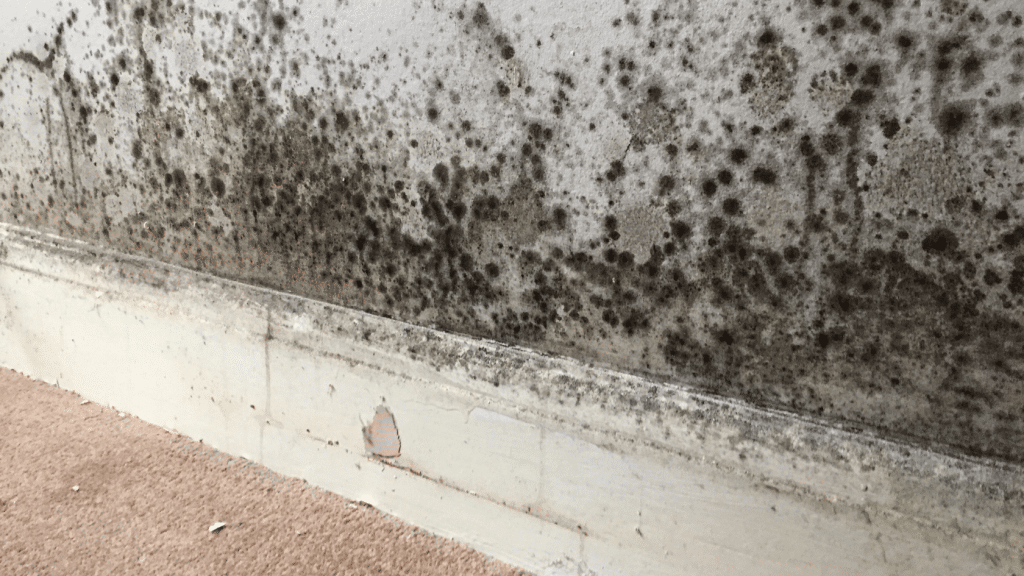
In line with the above, standard home insurance generally does not cover mould removal if the mould is due to damp or poor upkeep. For example, MoneySupermarket states flatly that home insurance “does not usually cover the cost of treating mould or a damp problem”. Mould from everyday causes (condensation, lack of ventilation, rising damp or neglected leaks) is excluded under almost all policies.
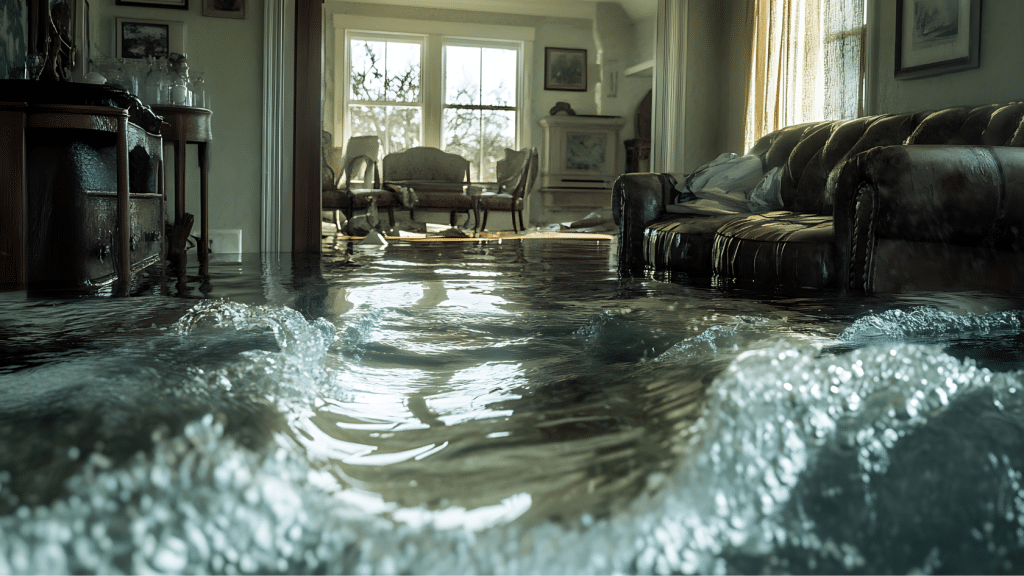
However, there is an exception: if mould arises as a direct result of an insured event (like a burst pipe, accidental overflow, or flood), the insurer will often pay for both the repairs and the mould remediation. In such cases you must prove the mould was caused by that sudden event. Mould resulting from floods or leaks can be covered, but everything hinges on it being “sudden, accidental, and not caused by neglect”. Always check your policy wording: some insurers offer optional “accidental contamination” or home emergency add‑ons that can help cover mould cleanup in these scenarios.
Insurance Company Guidance
Many UK insurers and experts explicitly warn that damp and mould are the homeowner’s responsibility. For instance, Aviva advises homeowners to take “all reasonable steps to keep your property in good condition” (fix leaks, maintain boilers, etc.), or claims can be refused. In its knowledge base, Aviva explains that if a water leak is due to wear-and-tear, the repair is out of pocket – only the resulting water damage might be covered. LV= similarly offers blog advice on leaks and mould, stressing quick action: e.g. they advise shutting off water at the first sign of a leak and calling the insurer, and note that if you let a slow leak cause damp, you “won’t be covered for repairs”.
Lloyds Bank’s home insurance literature confirms typical cover: buildings insurance covers losses from fire, storm or flooding (so flood damage will be repaired), but it explicitly provides for “alternative accommodation if your home becomes uninhabitable”.. In short, major UK insurers reinforce the same message: keep your home maintained to avoid damp, report leaks immediately, and understand that only sudden perils (storms, burst pipes, floods) trigger cover.
How Insurance Can Help Prevent Damp
While insurers won’t pay to treat existing damp, your policy can still help prevent or mitigate damp problems:
Emergency home repairs:
A home emergency cover (often an optional add-on) provides a 24/7 helpline and can pay for urgent fixes – for example, arranging a plumber for a burst pipe, repairing a broken boiler or sealing a leaking roof during bad weather. Fixing these issues quickly can stop water from getting into walls and causing penetrating damp.
Flood and storm cover:
Buildings insurance covers damage from floods, storms or subsidence. If your home suffers flood or storm damage (e.g. collapsed gutter or a flooded basement), the insurer will repair the structure, inadvertently preventing future damp entry points. In other words, covered wind or water damage is fixed, so your home stays weather‑tight.
Alternative accommodation:
If damp or water damage is so severe that you can’t live at home temporarily, most comprehensive policies will pay for reasonable hotel or rental costs. This relief means you and your family stay safe elsewhere while major repairs (perhaps including damp-proofing) are done.
In summary, while damp itself isn’t insured, home insurance can indirectly protect you by ensuring that leaks and flood damage are fixed quickly or covered, and by helping you stay safe (e.g. via emergency cover or temporary housing) if water damage makes your home unlivable. Always review your policy and consider adding home emergency cover if you want extra protection against plumbing or heating failures that could lead to damp.