
Damp is one of the most common issues found in homes, and spotting it early can save you a lot of trouble. Whether you’re buying a house or renting a flat, knowing the signs of damp will help you avoid health risks and expensive repairs. During a viewing, use your eyes, nose, and hands – visually, physically, and even by smell – to detect any dampness or mould issues. Different types of damp (condensation, rising damp, penetrating damp) can all leave tell-tale signs, from black mould spots to bubbling paint. Below is a checklist of red flags and tips for both buyers and renters to spot damp problems quickly.
Damp Checklist for Home Buyers
When viewing a property you might purchase, be diligent and look for any indications of damp or mould. Buyers should inspect all rooms (including less-used spaces like lofts, basements or cupboards) and be ready to ask questions or arrange a survey if something looks off. Here’s what to check:
Damp or discoloured patches on walls or ceilings:
Look for dark stains, yellow/brown tide marks, or water rings, especially low on walls (rising damp) or on upstairs ceilings (leaks/penetrating damp). Any uneven blotches or “tide marks” about a metre up from the floor indicate moisture has been drawn up through the wall. Walls that look freshly repainted only in spots could be hiding old, damp stains.

Peeling paint or bubbling wallpaper:
Moisture under paint or wallpaper can make the finish bubble, crack or peel. Run your hand gently over suspect areas – lifting wallpaper or blistered paintwork is a classic sign of damp behind the surface. Pay attention to corners, behind radiators, or near the skirting board where damage might start.
Black mould or mildew patches:
Spot any mould on walls, ceilings, around window frames, or even on furnishings. Black, green, or grey mould spots thrive in damp areas (often due to condensation or leaks). Check bathrooms and kitchens thoroughly, as well as behind heavy furniture and inside closets, for any fungal growth. Mould in corners or on external walls is a red flag for persistent moisture.
Musty or mouldy smell:
Take a moment to smell each room. A damp, earthy odour (think of wet cardboard or a mouldy cloth) often means hidden damp or mould, even if you can’t see it. Be cautious if the home has a strong air freshener or recently painted scent – it might be masking a musty smell. Trust your nose: a persistent musty smell is one of the earliest indicators of a damp problem.

Cold, damp walls or floor:
Physically touch walls, especially near the floor or skirting boards. Damp walls often feel cold or clammy, even if the heating is on. Likewise, warped or soft skirting boards, or buckled wooden floors, suggest long-term moisture (wood can swell or rot when damp). If carpeted, be alert for any damp feeling or mouldy odour from the floors, which could indicate leaks or rising damp underfoot.
Condensation on windows and frames:
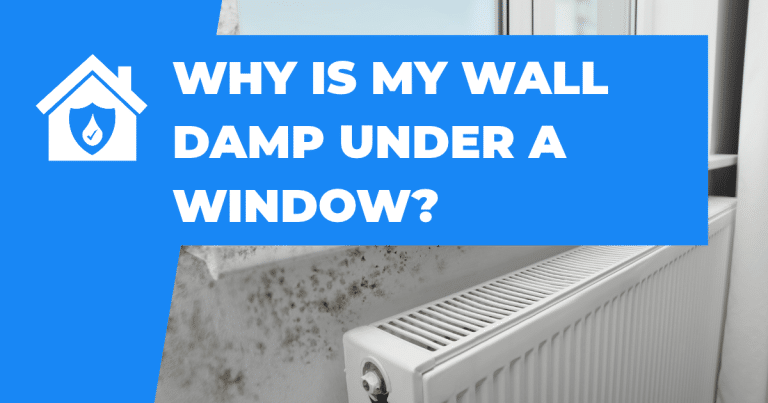
Check windows for water droplets on the inside or black mould around the frames and sills. Excess condensation (water running down panes or puddling on sills) points to high indoor humidity and poor ventilation. It can lead to rotting window frames or mould on curtains. In a property viewing, fogged windows or mouldy seals are signs that the home struggles with condensation damp.
Signs in “hidden” areas:
Look behind curtains and large furniture if possible. Sometimes owners place furniture to cover damp patches – if you can, peek behind sofas or wardrobes placed against outside walls. Inside built-in cupboards or under the kitchen sink, use your phone flashlight: check for any mildew, damp staining, or a musty whiff. Don’t forget to inspect basements or cellars closely: a musty basement smell, white powdery salt deposits on brick (efflorescence), or mould on stored items all indicate chronic dampness down below.
Exterior red flags:
If you can step outside, glance at the roof and gutters. Broken roof tiles, clogged gutters or downpipes, and cracks in the exterior walls can all allow water in – leading to penetrating damp patches inside. For example, rainwater overflowing from a blocked gutter could be causing those damp stains on an upstairs bedroom wall. While outside, also check the ground level: soil or paving piled up against the house can bridge the damp-proof course and cause rising damp.
Ask about any past damp treatment:
Don’t shy away from asking the agent or seller if the property has had damp proofing, a new damp-proof course, or mould treatment done. A candid seller should inform you of known issues. Look for tell-tale fixes too, like newly installed air vents or a dehumidifier left running – these might signal the owners are managing a damp problem.
Plan for a professional survey:
Ultimately, if you spot anything concerning (or even if you don’t but want peace of mind), consider commissioning a pre-purchase damp survey. Professional damp surveyors can use moisture meters to check walls and timber for hidden damp. This goes hand-in-hand with general Pre-Purchase Reports on the property’s condition. It might cost a bit upfront, but a thorough damp survey will identify any underlying damp issues and even give estimates for treatment. Buyers can use this information to negotiate the price or require the seller to address the damp before purchase. (See our Damp Surveys and Pre-Purchase Reports services for more on getting a proper assessment.)
Expert Tip: If the viewing is brief, prioritise high-risk areas: behind the bathroom toilet/cabinets, around the base of exterior walls, near chimneys, and below any roof valleys or gutters. These spots often betray leaks or rising damp first. Don’t hesitate to bring up any damp signs with the estate agent – a good agent should provide context (e.g. “the bathroom mould is due to a broken extractor fan that’s being fixed”). And remember, budget for proper damp treatment if you proceed; for instance, true rising damp requires professional treatment (installing or repairing a damp-proof course) to permanently solve it – painting over stains won’t be enough. It’s wise to line up quotes for Rising Damp Treatment or Condensation & Damp Control solutions so you know what costs you might be facing post-purchase.

Damp Checklist for Renters
Renters need to be just as vigilant on viewings – you don’t want to move into a mouldy flat! Many damp clues are the same, but your approach will differ since you’ll be dealing with a landlord. Here’s your checklist during a rental viewing:
Scan for obvious damp signs:
Walk through each room and look for any damp patches, water stains, or mould just as a buyer would. Check corners of ceilings (for leak stains), along skirting boards (for dark patches or crumbling paint), and around windows/doors (for black mould or warped wood). Even small dots of black mould in the bathroom or closet are cause for concern – they can spread if not treated. Don’t forget to peek behind furniture or curtains where you can; a sly landlord might have placed something to hide a mildewed wall.
Feel for damp and listen for clues:
Touch walls that look suspect – if a wall feels damp or cold to the touch, moisture is likely present. Also, be alert to any portable dehumidifiers or heaters running during the viewing. While it’s normal to heat a property in winter, an aggressively dehumidified room might be a sign that the landlord is trying to dry out a damp area. Likewise, if you hear an extractor fan constantly on, it could be battling ongoing condensation.
Sniff out any musty odour:
As you tour, take subtle sniffs in each room and inside built-in wardrobes or cupboards. A musty, damp smell means somewhere there’s mould or moisture trapped. It might be strongest in bathrooms, near sinks, or in a basement if there is one. Don’t ignore a funky smell just because you can’t see mould – it could be hidden under floorboards or behind walls. If you smell damp, ask the letting agent about it directly (“I notice a bit of a damp smell – has this place had any moisture issues?”).
Check windows and ventilation:

Look at the windows – are they streaming with condensation? Any black mould on the window frames or curtains? This indicates poor ventilation. See if trickle vents are present and open on modern windows. Also note if the kitchen and bathroom have extractor fans (and if they work) – a lack of ventilation in these wet areas often leads to serious condensation damp. If the property seems stuffy or all windows are wide open during your viewing (in cold weather), that could be a sign they’re airing out damp or mould smells.
Inspect the bathroom and kitchen thoroughly:
These areas are moisture hotspots. Look for mould in tile grout, around the bathtub or shower sealant, and under sinks. Soft or swollen wood cabinets under a sink might indicate a past leak. Ceiling above the shower discoloured or peeling? That could mean an unvented shower causing heavy condensation or an old leak from above. If the property has a laundry area or if you see clothes drying indoors, check nearby walls for condensation or mildew (since indoor drying adds a lot of moisture).
Basements or ground floors:
If you’re renting a ground-floor flat or a house with a cellar, pay extra attention here. Basements often harbour damp – notice if there’s a dehumidifier, or a strong earthy smell, or any powdery white residue on exposed brick. These clues mean chronic dampness. On ground floors, check along the bottom of walls and behind any stored items for peeling paint or salt-like white crust (which are signs of rising damp). Even if the space looks usable, a damp basement can affect the whole house’s air quality.
Talk to the landlord/agent:
If you spot anything, voice your concerns. A responsible landlord should acknowledge issues like “Yes, there was mould behind that wardrobe, but we’ve treated it and installed a vent” – and be willing to address them. Don’t accept vague answers. If they say, “Oh, it’s just a little mildew, you can wipe it off,” be cautious – you shouldn’t be responsible for serious mould removal in a new rental. It’s reasonable to ask, will the landlord fix this damp or mould before I move in?

Know your rights and next steps:
In the UK, landlords are legally obligated to repair structural causes of damp (e.g. leaks, rising damp, failing damp-proof course) and ensure the property is habitable. Condensation from everyday living can be a grey area, but a good landlord will help improve ventilation if needed. If you really like the place but it has a damp issue, you could negotiate: for example, request professional mould remediation (e.g. using a Mould Removal Services team) before you sign the contract. Always get promises in writing – if the landlord agrees to fix a damp problem, have it included in the rental agreement or an email. And if you move in and discover hidden damp, report it immediately (in writing) to the landlord or agent, with photos. Prompt reporting is key so they can’t claim you caused the problem.
Expert Tip: During a viewing, imagine living there on a rainy day in winter. Ask yourself: Is there enough ventilation? Do the rooms smell fresh or a bit dank? Look up at corners and down behind furniture for anything suspicious. Don’t be shy about opening a cupboard or looking behind a couch – a ten-minute check now can save months of living with mould. If the agent hurries you along, make sure to arrange a second viewing to inspect thoroughly. Your health and comfort are worth it! And remember, if significant damp is found after you move in, you can ask the landlord to bring in professionals or book a survey to diagnose the cause. It’s better to address it than to live with it quietly.
We Find It. We Treat It. We Stop It Coming Back.