Damp on a chimney breast is one of the most misdiagnosed problems in British housing. Two firms can look at the same brown stain above the same fireplace and give you two completely different explanations. Both will be delivered with total confidence, and one of them will be wrong.
There are four realistic causes. Working out which one you have is most of the job, because the four remedies have almost nothing in common. Apply the wrong one and you are left with the stain and a smaller bank balance.
What chimney damp is, and how to spot it
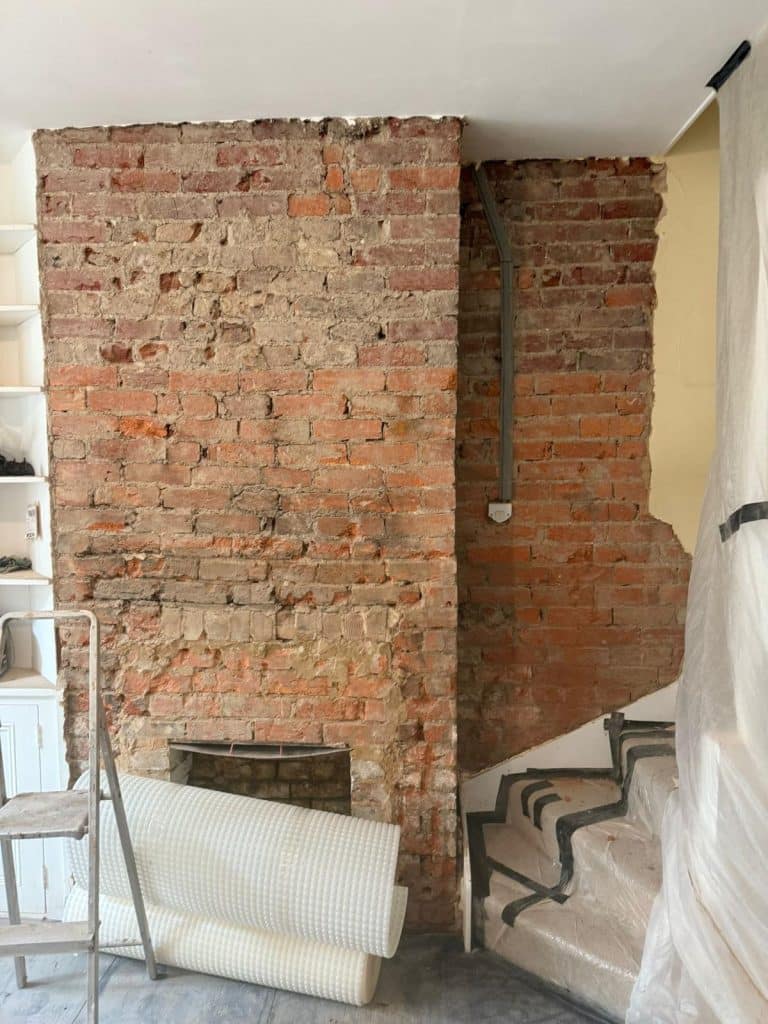
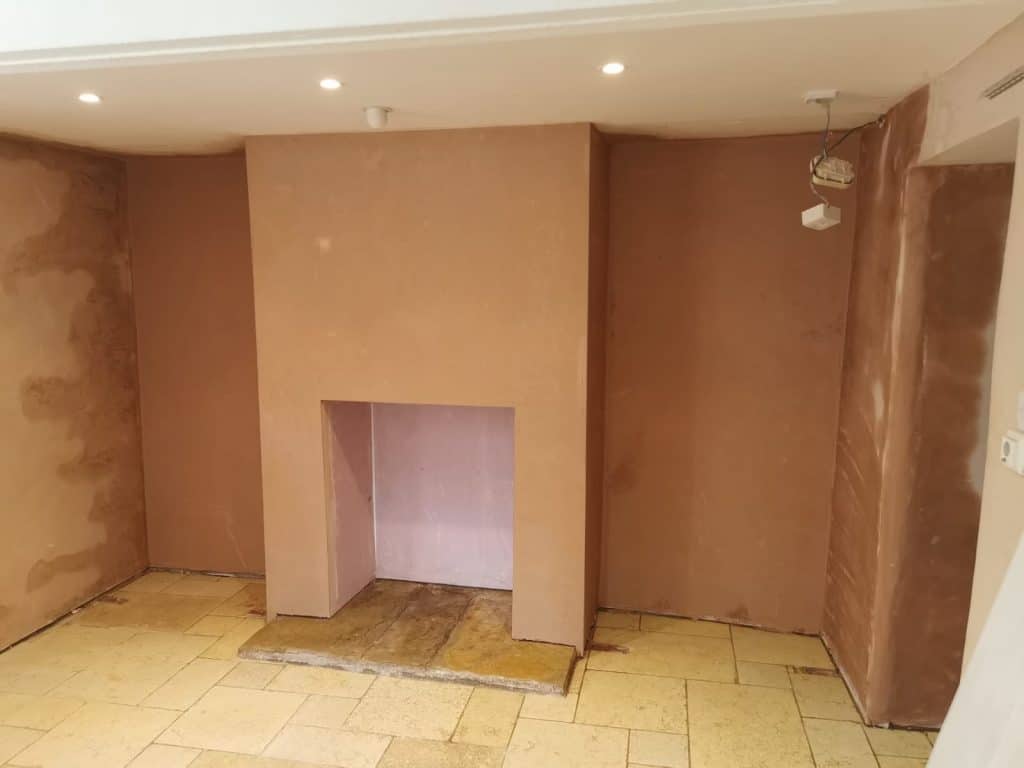
Chimney damp is moisture appearing on or around the chimney breast, which is the projecting section of wall that houses the flue as it rises through the property. It can show up on the ground floor, on upper floors, or in the loft where the stack passes through. Sometimes it shows up in all three at once.
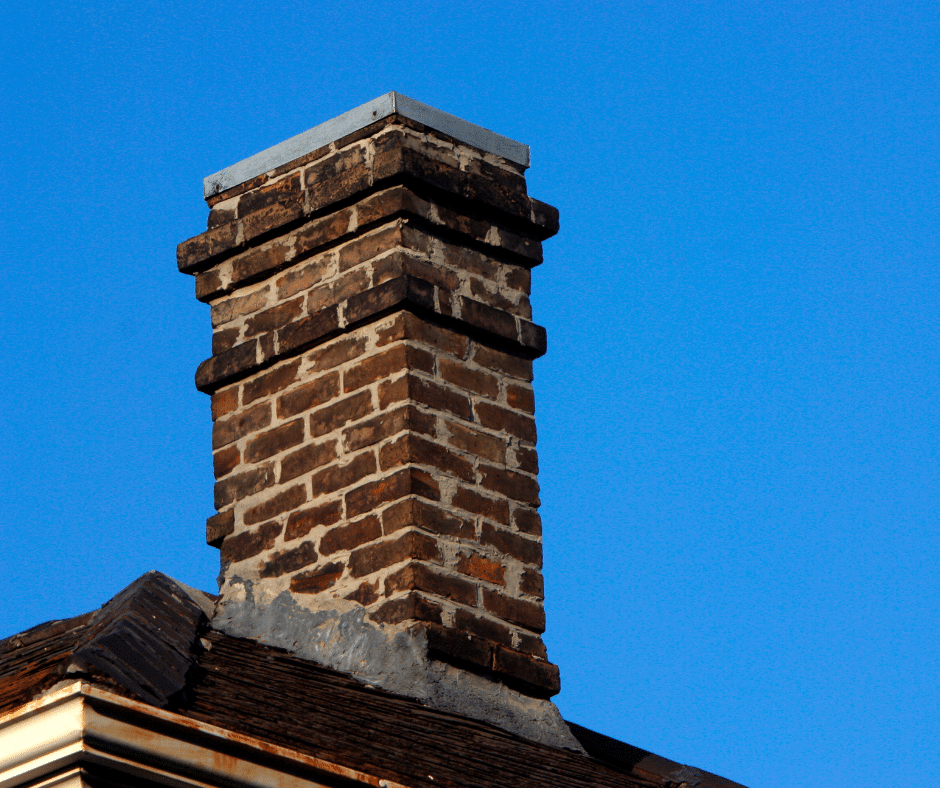
It gets its own name because a chimney is not an ordinary wall. It is a masonry shaft running from your living room to a point above the roof. At the top it is exposed to weather on all four sides, and inside it is lined with brickwork that has spent decades absorbing the products of combustion. So it behaves differently to every other wall in the house, and it goes wrong in ways no other wall does.
The staining is usually brown, yellow or orange. It tends to appear at the edges of the breast where it meets the flanking walls, or in a band across the middle. If you also see staining on the ceiling around the breast, or in an upstairs room below where the stack passes through the roof, that points strongly at water entering from above.
Alongside the stain you will often find wallpaper lifting at the corners, or paint bubbling off the plaster. That tells you moisture is pushing outwards from behind the finish rather than landing on the front of it, which is a useful way to rule out a simple spill or splash.
Then there is the smell. Damp soot has a very particular musty, ashy quality, and it is strongest in the morning or after the room has been shut up. Most people recognise it immediately once they know to look for it.
Black spotted mould around the perimeter of the breast is common too. If the mould is sitting on top of a stain rather than on clean plaster, the wall got wet first and the mould followed.
Finally, tap the plaster. Anything that sounds hollow has blown, meaning it has separated from the masonry behind it. That only happens once moisture has been present for a while.
Why chimneys go damp in the first place
The stack is the most exposed part of the whole building. It projects above the roof with no shelter at all, so it catches wind-driven rain on all four faces. Its mortar joints weather faster than anything else on the property because they take the worst of the weather from every direction. On the seafront in Brighton, Bournemouth or Plymouth, salt-laden air makes the joints go faster still.
The stack also passes through the roof, and that junction is only weathertight for as long as the lead flashing holds up. Lead lifts at the edges over time, and the mortar fillets holding it crack. Cheap repairs in mortar or bituminous paint tend to fail within a few years. Once the flashing has gone, water runs down the stack, through the junction and into the wall below. Lead fitted in the 1960s has now had a very long innings.
Then there is what most chimneys have become. The majority stopped being used decades ago, and that changed their behaviour completely. A working fire kept the flue warm and kept air moving through it constantly. An unused flue is a cold, still shaft, and cold still shafts collect moisture.
An open flue with no cap is really just a funnel. Rain falls straight down it and soaks into the masonry from the inside, then appears on the breast. Often it shows on an upper floor before it shows anywhere else. A cracked flaunching does the same thing. That is the mortar bed holding the pots in place, and once it cracks, water gets into the top of the stack. A blocked flue causes trouble in a slightly different way, because a jackdaw’s nest holds water rather than letting it drain and evaporate.
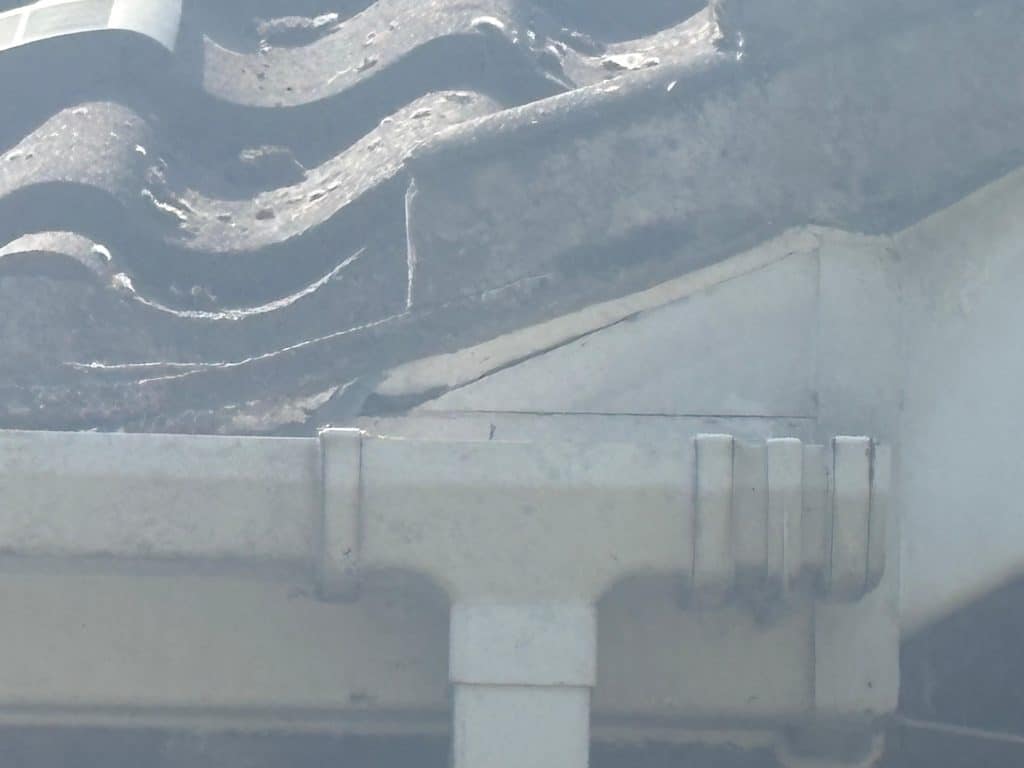
Before you look at any of that, check the guttering. It is boring, and it is very often the actual answer. An overflowing gutter or a leaking downpipe joint discharging onto the wall near the breast produces damp that presents exactly like chimney damp, and it costs almost nothing to put right. Check it before you price scaffolding.
It is worth checking next door as well. In the terraces of Bristol, Bath, Southampton and Portsmouth the stack is usually shared. So your neighbour’s disused flue, missing pot or failed flashing can produce damp on your side of the party wall with nothing wrong on your side at all. Redundant stacks left standing after a fireplace was removed tend to be the least maintained masonry in any street, because nobody feels responsible for them. If your damp is on a party wall breast and you cannot find a defect on your side, speak to your neighbour before spending anything.
The cause most people have never heard of: hygroscopic salts
This one is behind a large share of persistent damp on ground floor chimney breasts in houses that once had open fires. Almost no homeowner has heard of it.
Burning coal and wood produces sulphates, chlorides and nitrates. Over decades of use these salts travel in the flue gases and deposit into the masonry lining the flue, where they stay permanently. Nothing removes them.
Hygroscopic means they attract and hold water directly from the air. When humidity in the room rises, the salts pull moisture out of that air and the wall goes visibly damp. When the air dries out again, they give some of it back. No water is entering the building from outside at any point. The wall is drawing moisture from the room it sits in.
You can recognise it by its timing. It tracks humidity rather than rainfall, so it worsens in winter when the house is shut up, and it worsens again in rooms where washing is dried. There are often white or fluffy crystalline deposits on the surface. And fresh plaster over the area stains again within months, which is usually the detail that sends people looking for an explanation.
One thing to be aware of. A resistance moisture meter reads very high on salt-contaminated plaster, because the salts conduct electricity, even when the wall holds relatively little actual water. This is the most common route to a wrong diagnosis on a chimney breast, and it is why a meter reading on its own is not a diagnosis.

Working out which one you’ve got
A straightforward way to narrow it down before anybody quotes you:
- Worse during and after heavy rain, then dries back. Water is getting in from above. Look at the stack, the flashing, the pot and the gutters.
- Worse in humid weather with no rain, white crystalline deposits, high meter readings on a wall that only feels slightly damp. Hygroscopic salts.ch
- Flue sealed at both ends, damp general across the breast rather than in a defined patch, strong musty smell. Condensation inside the flue.
- Breast on a party wall, no defect findable on your side. The shared stack.
Two further pointers. If damp appears in the loft or on the top floor before anywhere else, it is almost always water coming in from above. And if it is confined to the ground floor with a tide mark near the skirting and salts low down, it may not be a chimney problem at all, so rising damp should be on the list.
You can also have two causes at once. A leaking stack that has been wetting salt-contaminated masonry for years gives you both, and repairing only one leaves you looking at the same stain.
What actually fixes it
Where water is getting in, the work is roofing and masonry. That means repairing or replacing the lead flashing, repointing the stack, renewing the flaunching, fitting an appropriate pot and cowl, and clearing the gutters. It needs a scaffold or a tower rather than a ladder, which is a large part of why chimney work costs what it does.
Where hygroscopic salts are the cause, waterproofing the stack achieves nothing, because no water is coming in. Instead, the contaminated plaster has to come off back to the masonry. It is then replaced with a salt-retardant render system, or with a membrane that isolates the salts from the new finish. Replastering conventionally over contaminated masonry guarantees the stain returns, usually inside a year.
Where the problem is condensation inside the flue, the answer is ventilation at both ends. That means a cowl at the top that keeps rain out while letting air pass, and an air vent in the blocked-up fireplace at the bottom. Air needs to move through the shaft. Sealing a chimney at both ends is the most reliable way of giving yourself chimney damp, and it is done with the best of intentions every day.
Where a redundant stack is the source, you have two options. You either maintain it properly with a cap and vents, or you take it down to roof level and make good. Removal is a bigger job than most people expect, because anything above the roof line brings in structural considerations, and on a shared stack it brings in party wall ones too.
Timing, and how to avoid the whole thing
Get it done sooner rather than later, and preferably in settled weather. External chimney work needs dry conditions if the lead, mortar and flaunching are to be done properly. So spring through early autumn is the realistic window across Devon, Cornwall, Somerset, Dorset, Hampshire and Sussex. Booking in October and hoping usually means the work slips to the following year, which is another winter of water entering the masonry.
There is a drying consideration too. A wall that has been wet for years does not dry out the week after the leak is repaired. Masonry gives up moisture slowly, so internal replastering should follow the external repair rather than accompany it. Otherwise you are sealing new plaster over a wall that is still saturated. Doing the external work in spring gives the structure a summer to dry before anybody replasters.
To stay ahead of it:
- Have the stack inspected whenever the roof is inspected, rather than waiting for a stain to appear indoors.
- Keep gutters and downpipes clear, since so much apparent chimney damp starts there.
- Fit a ventilated cowl, not a solid cap, to any flue no longer in use.
- Fit a vent into any fireplace you block up, at the same time you block it up.
- Have flues swept and checked for nests and debris.
- Look in the loft occasionally. Staining on the brickwork where the stack passes through shows up there long before it reaches your living room.
When to get it surveyed
Get a proper diagnosis if the stain keeps returning after redecorating, or if two contractors have given you two different answers. The same applies if the breast sits on a party wall, if there is any staining in the loft around the stack, or if you are about to commit to scaffolding and want to know the work will actually solve the problem. The cost of a survey is reliably less than the cost of the wrong repair.
Nordic Damp Proofing uses thermal imaging, deep moisture readings and humidity monitoring to investigate persistent chimney damp across Dorset, Hampshire, Wiltshire, Somerset and the wider South Coast. If the staining keeps returning, a specialist survey can pinpoint the cause before you commit to unnecessary repairs.