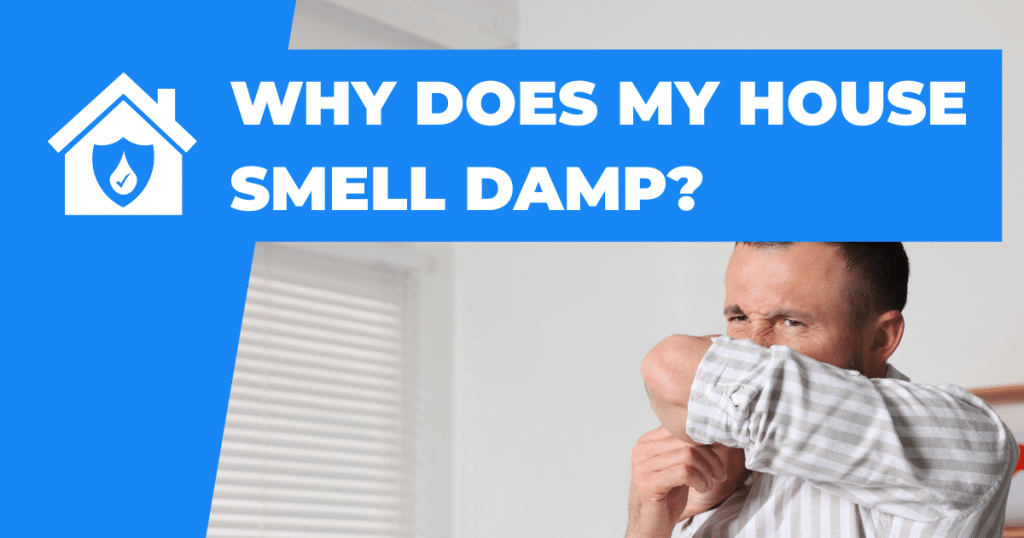
That musty smell in your home isn’t just unpleasant – it’s a warning sign. At Nordic Damp Proofing, we treat this type of issue every day across Hampshire, Dorset, and beyond. In many cases, that smell is your first clue that moisture is lingering where it shouldn’t be. And the sooner you act, the better your chances of preventing structural damage, timber decay, or harmful mould growth.
What Actually Causes That Musty Smell?
Contrary to what many think, the damp smell doesn’t come from water itself. It’s a byproduct of what grows in a damp environment. Moulds and mildews thrive in moist conditions – walls, floors, timbers, or carpets – and release microbial volatile organic compounds (MVOCs) that your nose picks up as that unmistakable “damp” smell.
This is why air fresheners only mask the issue temporarily. If the underlying moisture problem is still active, the smell always returns. It’s your home asking for help.

Common Sources of Damp Smells
1. Condensation
Condensation is the number one cause of damp odours in UK homes. Everyday activities like cooking, showering, and drying clothes indoors create excess humidity. Without proper ventilation, this moisture settles on cold surfaces like external walls and windows, leading to black mould growth. Learn more about how we help homeowners with condensation and damp control.
2. Rising Damp
Often found in older properties, rising damp occurs when ground moisture moves up through porous brickwork. You’ll usually smell it near skirting boards or notice tide marks on walls. Our rising damp treatment services target this issue directly.
3. Penetrating Damp
This occurs when water enters the building through defects like cracked render, missing roof tiles, or faulty gutters. It tends to worsen after rain – a helpful clue. Penetrating damp treatment is one of our core services.
4. Hidden Leaks
Leaks under baths, in pipework or behind kitchen units can go unnoticed for months. These areas often develop a mushroom-like smell before any visible symptoms appear. Regular checks and professional damp surveys can detect them early.
How to Track Down the Smell
If you’re noticing the smell but can’t see any obvious signs, it’s time to play detective. Open cupboards, check under stairs, behind wardrobes, around windows, and loft spaces. If the smell worsens after rain, penetrating damp is a likely culprit. If it’s more consistent in colder months, it may be condensation.

Try improving airflow by opening windows and using extractor fans during showers or cooking. Avoid drying clothes indoors where possible. These steps may help reduce humidity – but they won’t resolve deeper issues.
When It’s Time to Call the Experts
If the smell returns after ventilation efforts, or you’re seeing black mould, peeling paint, or crumbling plaster, it’s time to act. These are signs that the issue is more than just air quality – you could be dealing with a structural damp problem that needs urgent attention.
Damp can impact your health too. Mould spores can trigger respiratory problems, worsen asthma, and cause allergic reactions. This is especially serious for children, the elderly, or those with pre-existing conditions.
What Makes Nordic Different?
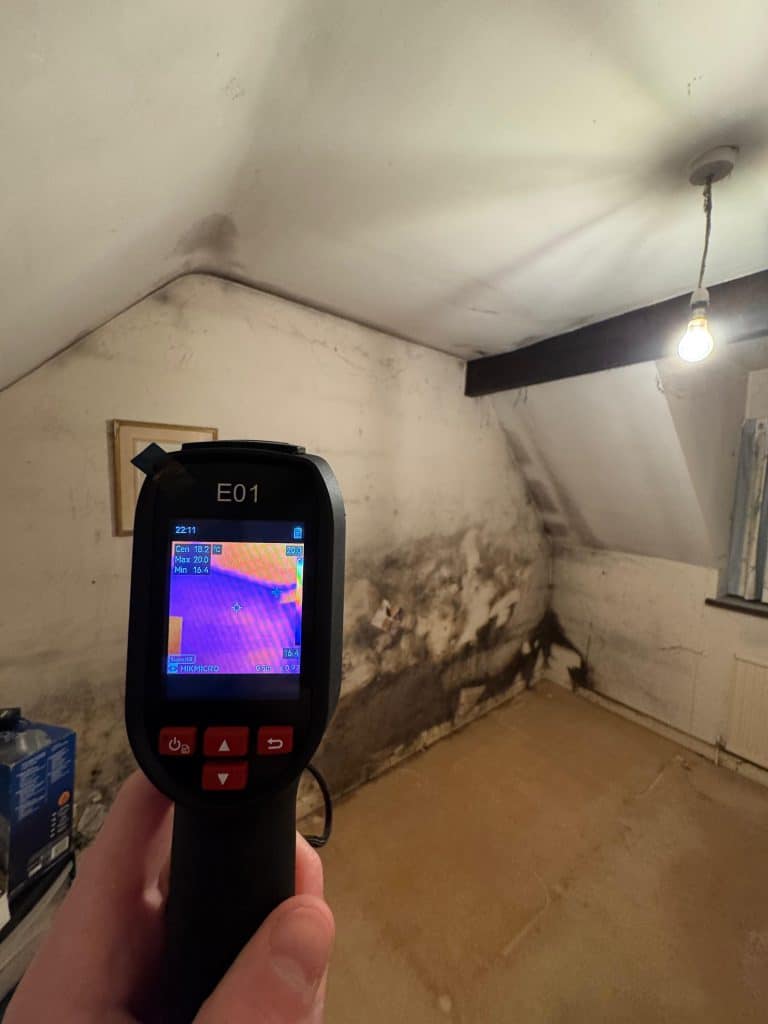
We don’t guess. We investigate. Our survey and diagnostic service uses professional moisture meters, thermal imaging, and humidity testing to pinpoint exactly where the moisture is coming from and why. You’ll get a clear report and a fixed-quote solution – no jargon, no pressure.
We offer treatments for:
- Damp proof injection
- Damp proof membranes
- Mould removal and prevention
- Structural water damage repair
Need Help?
If your house smells damp – don’t ignore it. That smell could be the start of something bigger. Book a professional survey with Nordic Damp Proofing and we’ll help you get to the bottom of it. We serve homes across the South Coast, including Southampton, Bournemouth, Poole, Bath, Bristol and beyond.
We Find It. We Treat It. We Stop It Coming Back.