Older homes have a character and charm that modern buildings often struggle to replicate. Features such as solid brick walls, timber floors and original plasterwork give period properties their distinctive appearance. However, these construction methods also mean that moisture behaves very differently compared with modern cavity wall buildings.
recently highlighted how moisture behaves in period properties and why water damage can sometimes remain hidden for long periods before visible signs appear. Understanding how moisture moves through older buildings can help homeowners identify early warning signs of damp before structural damage occurs.
Why Period Properties Are More Vulnerable to Damp
Many buildings constructed before the twentieth century were built using solid wall construction rather than cavity walls. In these structures, external brickwork sits directly against internal plaster layers without an air gap separating them.
This means that rainwater and environmental moisture can move slowly through the wall structure, particularly during prolonged periods of wet weather. Coastal locations such as Bournemouth and the surrounding Dorset areas are especially exposed to wind-driven rain and airborne salt, which can accelerate moisture penetration.
Once moisture enters masonry, it may take months before any signs appear internally. During this time, damp can affect plaster, timber joists and internal finishes without being immediately noticeable.
How Moisture Moves Through Traditional Building Materials
Older buildings were commonly constructed using breathable materials such as lime mortar and natural plaster. These materials allow moisture to evaporate slowly from the wall structure.
Over time, however, deterioration of mortar joints can create small gaps between bricks. These gaps allow water to enter the structure more easily, particularly during heavy rainfall.
Problems can also occur when historic buildings are repaired using modern cement-based materials. Unlike lime mortar, cement can trap moisture inside the wall rather than allowing it to evaporate naturally. This can cause damp to build up within the masonry and appear internally as peeling paint, crumbling plaster or salt deposits.
Common Early Signs of Hidden Damp

Because moisture often develops slowly in older buildings, early warning signs can sometimes go unnoticed. Homeowners should look for small indicators that may suggest water is present within the structure.
Common early signs include wallpaper peeling at the corners, paint bubbling on internal walls and plaster becoming soft or crumbly to the touch. A persistent musty smell can also indicate moisture trapped within the building fabric.
Another common indicator is recurring condensation or damp patches appearing in ceiling corners and along skirting boards. These areas are often where moisture begins to accumulate first.
Why Coastal Homes Experience More Moisture Problems
Properties located near the coast face additional environmental pressures that can increase the risk of damp.
Sea air contains mineral salts which can enter porous brickwork. These salts remain inside the masonry and attract moisture from the surrounding air, creating persistent damp conditions even when rainfall levels are relatively low.
Wind-driven rain during storms can also force water into small cracks and mortar joints within external walls. Over time these openings expand, allowing greater amounts of water to penetrate the building.
For this reason, many older homes in coastal areas benefit from professional damp surveys to determine how moisture is entering the structure.
When a Damp Survey Becomes Necessary
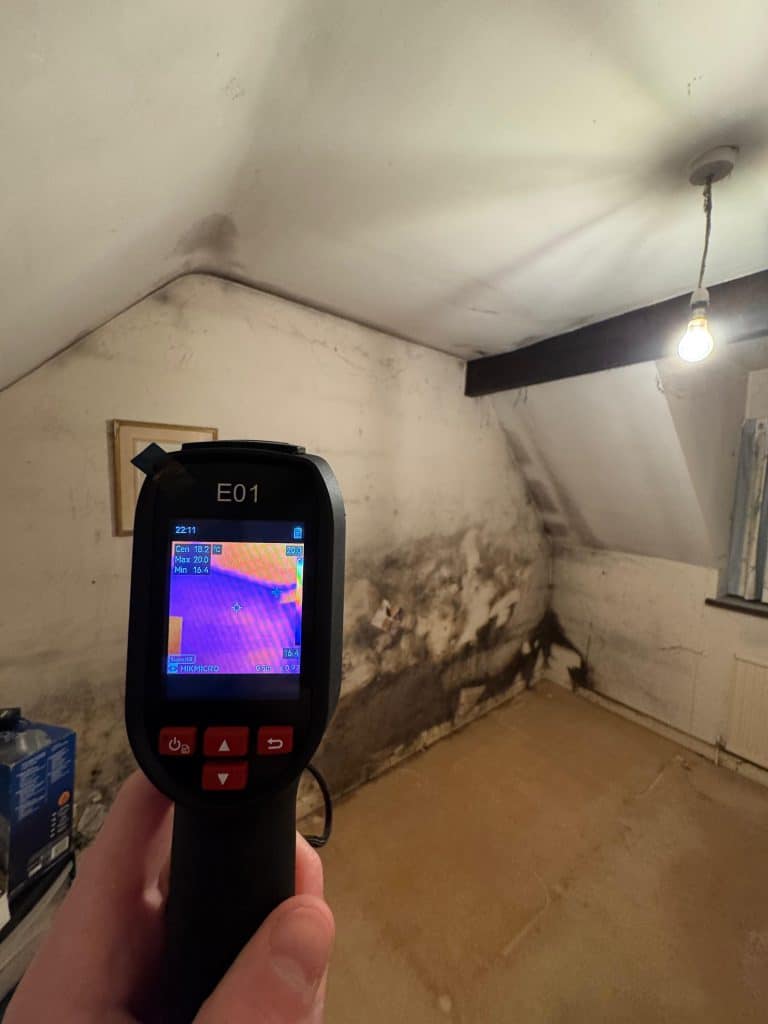
In some cases, moisture problems cannot be identified through visual inspection alone. Hidden damp may develop within walls, floors or structural timber without producing obvious symptoms initially.
A professional damp survey uses specialist equipment to measure moisture levels within walls and building materials. This helps determine whether the issue is caused by rising damp, penetrating moisture or condensation.
Identifying the exact cause of damp is essential before any remedial work is carried out. Treating surface symptoms without addressing the source of moisture can allow the problem to return.
Protecting the Structure of Older Buildings
Maintaining the breathability of historic buildings is one of the most important factors in preventing damp. Repairs should use materials compatible with traditional construction methods so moisture can continue to evaporate naturally.
Regular inspections of gutters, roofs, external brickwork and drainage systems can also help reduce the risk of water entering the structure.
By identifying moisture problems early and carrying out appropriate remedial work, homeowners can protect both the structural integrity and long-term value of their property.
If you suspect moisture problems in your home, arranging a professional inspection can help determine the source of damp before significant damage develops.