Buying a flat is a major financial decision. Damp is one of the most common and costly problems that buyers discover too late. According to the English Housing Survey, 1.4 million dwellings in England had a damp problem in 2024. Flats carry unique risks that detached or semi-detached houses simply don’t face.
Whether you’re a first-time buyer, a landlord expanding your portfolio, or someone downsizing, this guide will help you identify the warning signs of dampness before you commit to a purchase.
Why Flats Are Particularly Prone to Damp
Unlike houses, flats share walls, floors, ceilings, roofs, and communal areas with other residents and with the building as a whole. As a leaseholder, you have limited control over the building’s structure and exterior, as these are the responsibility of the freeholder and management company. This means that if damp enters through a shared roof, an external wall, or a neighbouring flat, the repair process involves other parties, can take time to resolve, and may lead to disputes over liability.
Ground-floor and basement flats face the additional risk of rising damp from the soil below.
Top-floor flats are more exposed to roof leaks.
Middle-floor flats can be affected by leaks from the flat above or moisture passing through communal corridors.
Understanding where your flat sits in the building is an important first step.
Signs of Damp to Look For During a Viewing
Viewings tend to be brief, and estate agents often schedule them during the day when lighting is good, which makes problems easier to miss.
Musty Smells
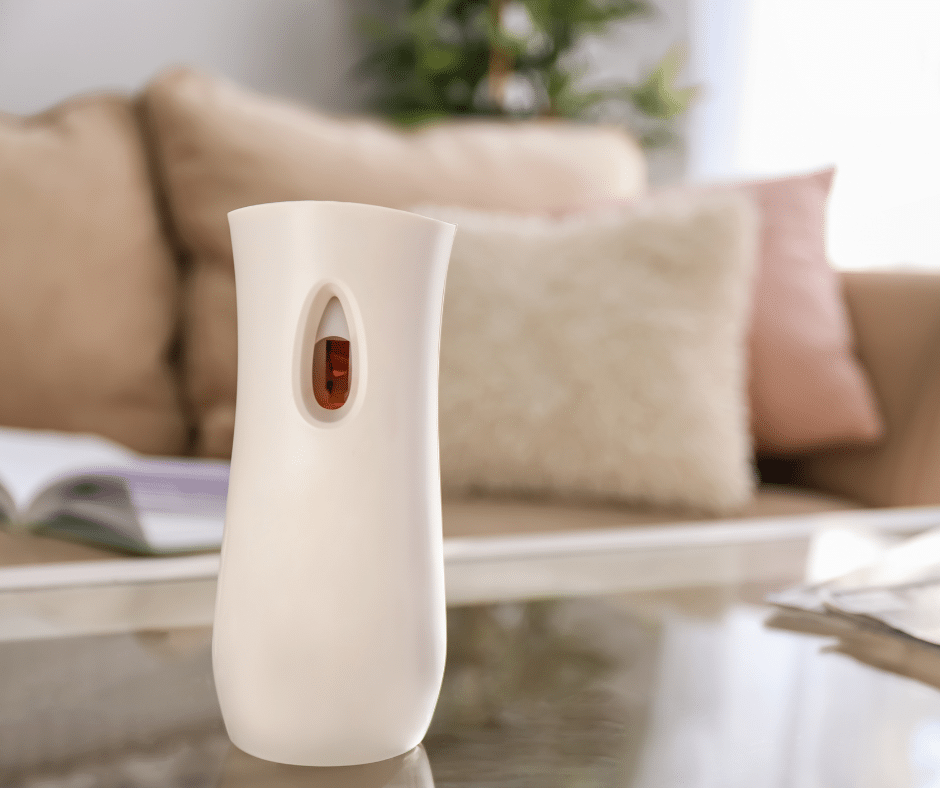
A persistent musty or earthy smell is often the first sign of a damp problem, even when there’s nothing obvious to see. It is caused by molds and mildews growing within walls or under flooring. Don’t be put off by air fresheners which can mask underlying odours. Trust your nose.
Visible Staining, Peeling Paint, and Bubbling Plaster

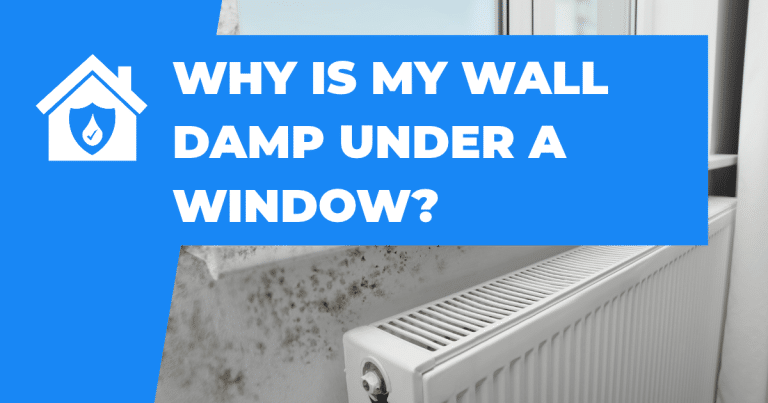
Look carefully at the walls and ceilings. Yellowish or brown tide marks, bubbling paintwork, or plaster that sounds hollow when tapped can all indicate moisture within the wall. Pay particular attention to the area just above skirting boards, which is a classic sign of rising damp, and around ceilings and external walls, which may point to penetrating damp or a roof leak.
Mold Around Windows and in Corners
Black or grey mold growth in the corners of rooms, on window frames, around window reveals, or on the ceiling near external walls typically indicates condensation. This is the most common form of damp in UK flats and is often caused by poor ventilation, inadequate heating, or cold thermal bridges in the building fabric.
Condensation on Windows and Cold Surfaces

Check for water droplets or streaks on windows, especially in double-glazed units. If the sealed unit has failed, then visible as a foggy or streaky appearance between the panes resulting for condensation to be a recurring problem in the property
Read why: flats get more condensation sometimes!
Bathroom and Kitchen Ventilation

Step into the bathroom and kitchen. Is there an extractor fan, and does it work? Are there signs of mold around the ceiling, on grout, or around the window frame? Poor ventilation in these rooms is one of the leading causes of condensation damp spreading throughout a flat.
Types of Damp Found in Flats
Condensation
Condensation forms when warm, and moist air meets a cold surface and the moisture condenses. It is the most widespread form of damp in UK flats. t’s most visible on windows, walls, and ceilings, particularly in poorly ventilated or underheated properties. Recurring or severe condensation may require professional condensation control treatment.
Penetrating Damp
Penetrating damp occurs when water enters a property horizontally through defective external walls, failed render, broken pointing, cracked window surrounds, or faulty guttering. It often presents as damp patches on external-facing walls that worsen after rain. The solution depends on identifying and fixing the specific point of water entry.
Rising Damp
Rising damp occurs when moisture from the ground is drawn up through walls due to a failed or absent damp-proof course (DPC). It is more common in ground-floor and basement flats. It typically leaves a tide mark up to approximately one metre from floor level. Rising damp treatment usually involves injecting a new chemical DPC into the affected walls.
Leaks From Neighbouring Flats or Communal Areas
A burst pipe, an overflowing bath, or a poorly sealed shower in the flat above can cause significant water damage to the ceiling or walls below. Ask the seller directly whether there have been any historical leaks, and check ceilings carefully for staining that may indicate previous water ingress.
Questions to Ask the Estate Agent or Seller
Before making an offer, ask the following:
- Has there ever been a damp problem in this property?
- Have there been any leaks from the flat above, the roof, or communal areas?
- Has any damp proofing work been carried out, and if so, is there a guarantee?
- What condition is the roof in, and when was it last inspected?
- Are there any ongoing disputes with the freeholder or managing agent about repairs?
- What are the current service charges and sinking fund levels?
Any damp-related issues should be formally disclosed in the property information forms. That said, a direct conversation can often reveal more than paperwork alone.
Why You Should Commission a Damp Survey Before You Buy
A standard RICS homebuyer survey will flag obvious damp problems, but it is not a specialist inspection. Surveyors use basic moisture meters and may not be able to determine the cause or full extent of any damp present.
A specialist damp survey from a professional gives you a far clearer picture. A specialist uses calibrated moisture meters, thermal imaging cameras, and carbide testing where needed to confirm the type and extent of any moisture problems.
The cost of a specialist survey, typically £150 to £400, is modest compared with the cost of remedial works, which can range from a few hundred pounds for simple condensation treatment to several thousand pounds for structural damp problems.
If a damp problem is identified, use it to renegotiate the asking price or require the seller to remedy the issue before the exchange of contracts.
When to Contact a Damp Proofing Specialist
If you spot signs of damp during a viewing or your survey flags concerns, seek an independent specialist opinion before proceeding. A qualified damp proofing company will assess the property, identify the moisture source, and provide a clear report of what work,if any is required.
At Nordic Damp Proofing, we provide independent damp surveys and a full range of damp treatment services across Dorset, Hampshire, and Bristol. If you’re buying a flat and want confidence before you sign, get in touch with our team today for an honest, no-obligation assessment.