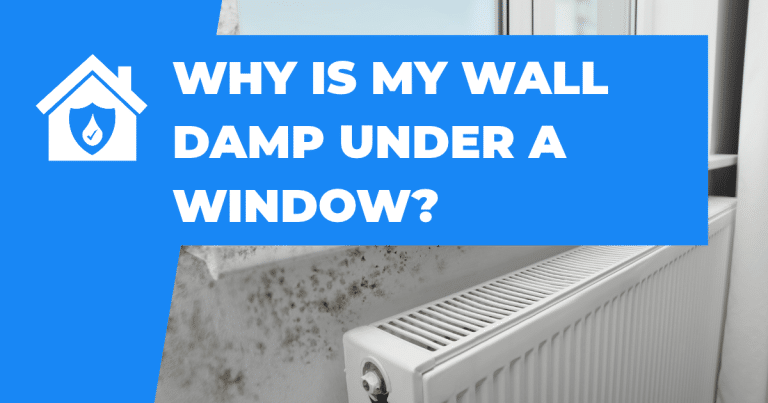
Condensation often causes black mould around windows, as moisture collects on cold surfaces. Proper ventilation and heating can help prevent this common issue. Living with damp and mould is not just unpleasant – it can harm your health and damage your belongings. Unfortunately, many renters in the UK encounter mould patches on walls or that musty smell of mildew at some point. What should you do if you discover damp or mould in your rented home? This guide explains how to identify the type of damp, steps you can take to reduce it, your landlord’s responsibilities to fix it, and your rights under the law (including the new Awaab’s Law). Remember: you deserve a safe, dry place to live, and there are actions you and your landlord can take to achieve that.
Recognising Damp: What Kind of Problem Is It?
First, it helps to figure out what type of dampness you’re dealing with, as this can indicate the cause:
Condensation Damp:
This is the most common type. It happens when moisture in the air (from cooking, showering, drying clothes, even breathing) condenses on cold surfaces like windows or external walls. Signs include black spotty mould, especially around windows, in corners of rooms, or behind furniture. You might notice water droplets on windows or walls on cold mornings. Condensation mould is often worse in winter and in rooms with poor ventilation (e.g. bathrooms with no extractor fan).
Penetrating Damp:
This is caused by water leaking in from outside. It shows up as damp patches on walls or ceilings that grow after rain. Common causes are things like a leaking roof, blocked gutters overflowing, cracks in walls, or defective window frames.. The damp area will usually be localised (often on an external wall or ceiling) and may be discoloured or have peeling paint. Mould might grow around the damp patch as well.
Rising Damp:

Found at ground level, rising damp is when moisture from the ground travels up through walls (if the damp-proof course is missing or broken). It usually causes a “tide mark” up to about 1 metre high on ground floor walls. You won’t see rising damp above the first floor. The wall may feel wet, and plaster or paint may crumble low down. This is less common in modern buildings (which have barrier membranes) but can affect older houses.
Leaks (Plumbing Damp):
Sometimes damp comes from an internal leak – for example, a leaking pipe under the sink, a loose seal on a bath or shower, or an upstairs radiator pipe leaking through the ceiling. This often appears as a one-off wet patch that doesn’t necessarily depend on rain. Look for localised damp spots, often with dripping water or a consistent wetness in one area (like under a sink or around a toilet base). Musty smells inside kitchen cabinets or vanity units can hint at hidden plumbing leaks.
Understanding the type of damp helps because it points to whose responsibility it likely is. Structural issues (like roof leaks, rising damp, failing brickwork) are the landlord’s job to fix. Condensation can be a bit of a shared issue – it partly depends on how you use the property (ventilation/heating) and whether the property has adequate ventilation, insulation, and heat. We’ll cover responsibilities in a moment, but keep these categories in mind when you talk to your landlord.
Steps You Can Take to Reduce Damp and Mould
While the root causes are often structural, there are practical things you, as a tenant, can do to minimise damp and mould buildup in day-to-day living. These steps can improve your environment and also show that you’re doing your part:
Ventilate your home regularly.
Proper airflow is the enemy of condensation and mould. Open windows for a while each day (even in winter, a short burst of fresh air helps). Use trickle vents if your windows have them. Make sure any air vents are not blocked by furniture or covered up. If you have extractor fans in the kitchen or bathroom, use them whenever cooking, boiling kettles, or showering – and keep them running for a few minutes after. Good ventilation lets moist air escape rather than settling on your walls.

Heat your home adequately.
We know energy bills can make this challenging, but consistent heating keeps surfaces warm and prevents moisture from condensing. It doesn’t have to be tropical – even maintaining around 18°C in winter can help. If you have heating in all rooms, try to keep a low background heat in each, rather than, say, a very hot living room and an unheated spare room (cold unused rooms often grow mould). If your heating isn’t working or you have no control over it, inform your landlord – all rentals should have safe, working heating that tenants can control.
Avoid creating excess moisture when possible:
Everyday activities release water into the air. Some tips to reduce this: cover pans when cooking, and use the extractor or an open window to vent steam. Dry clothes outdoors when feasible, or use a vented tumble dryer or a condenser dryer. If you must dry clothes inside, do it in a single room with the door closed and a window open or a fan on. Try not to dry laundry on radiators all around the home without ventilation – this dumps a lot of moisture into the air. Also, if you use a portable gas or paraffin heater, be aware that these produce lots of water vapour. (and they’re not allowed in some rentals due to carbon monoxide risk). An electric dehumidifier can help in a pinch to pull moisture from the air – consider asking your landlord if they can provide one temporarily if condensation is bad.
Tackle minor mould growth early:
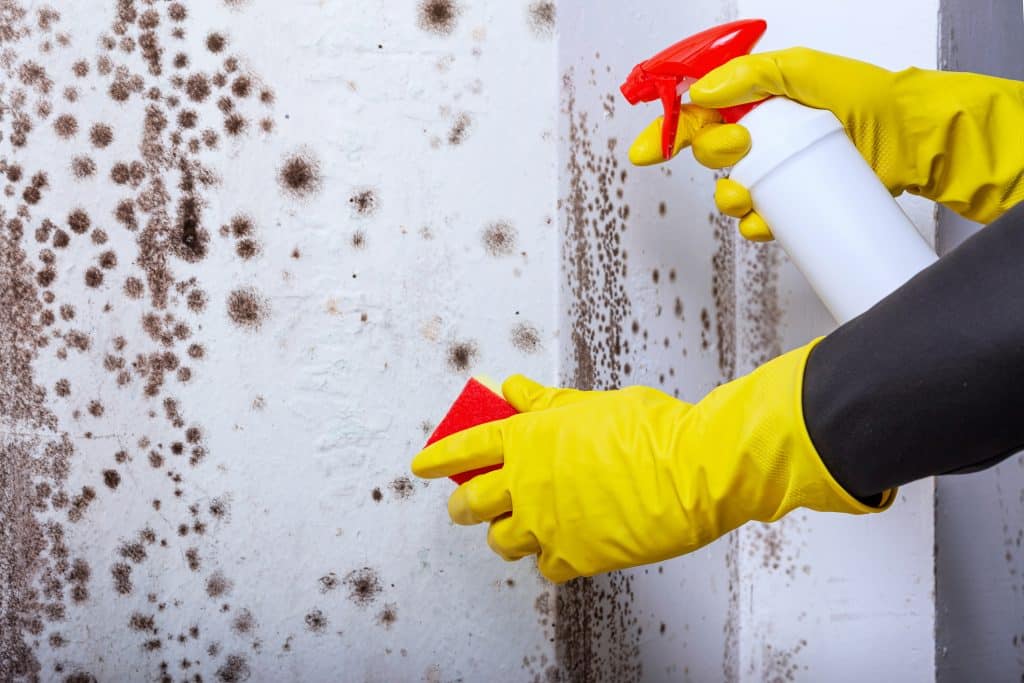
If you see a small patch of mould (for example, in the bathroom corner or around a window), clean it sooner rather than later. You can use a mould-removal spray (available in supermarkets/DIY stores) or diluted bleach solution. Wear gloves and a mask if possible, and ventilate the room while cleaning. Gently wipe the mould off with a cloth – avoid aggressive scrubbing which can release more spores. \
Important: if mould covers a large area (more than about 1m²) or keeps returning no matter how often you clean, this is beyond a simple wipe-down – it indicates a deeper issue that your landlord needs to resolve. Don’t risk your health trying to clean extensive mould; focus on getting the landlord to fix the cause.
Keep an eye on problem areas:
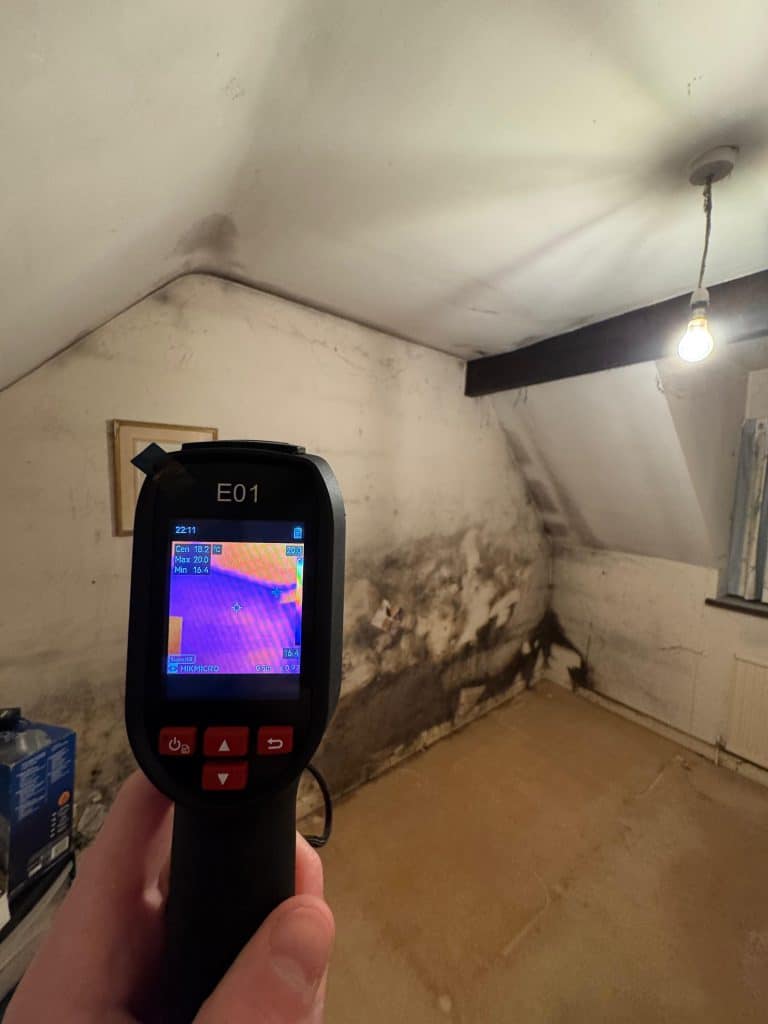
Note any patterns – does a damp patch get worse after it rains (could be penetrating damp), or does mould appear mainly in winter (likely condensation)? This information will be useful to your landlord or any inspector. Also, check places you might not often look: behind furniture against outside walls (move wardrobes a couple of inches out from the wall if you can, to allow airflow), inside closet corners, under sinks. If you smell a mouldy odour but don’t see it, it could be hidden – mention that to your landlord so they can investigate.
These measures can improve the situation, but remember: you are not expected to cure serious damp or mould by yourself. Your actions help control condensation, but if mould persists, it may be beyond your control and needs landlord intervention. Crucially, do not let your landlord solely blame “lifestyle” – yes, drying clothes indoors or poor ventilation can cause condensation, but it’s the landlord’s responsibility to find out what’s causing the damp and fix underlying issues. You should do what’s reasonable as a tenant, but a good landlord will ensure the property is equipped (with vents, fans, no leaks, etc.) to handle normal living.
Report the Problem to Your Landlord (Immediately!)
As soon as you notice damp or mould, inform your landlord or letting agent – preferably in writing (email is fine). This is a crucial step. Why?
Landlord’s duty kicks in once they’re aware:
Generally, landlords are only obligated to make repairs once you’ve notified them of the issue.If you suffer in silence, the problem might get worse and you could risk some rights. So report it early, even if it seems minor. Keep a record of when and how you reported it. For example, “emailed landlord on Nov 1st about mould on bedroom wall, attached photos.” These records can be useful if there’s any dispute later about how long an issue has been going on.
Be clear and specific:
Describe what you see or smell. Mention how long it’s been there, if it’s getting worse, and any suspected causes. For instance: “There’s black mould growing around the bedroom window and the wall feels damp. It’s been spreading over the last two weeks. I think it might be condensation because the room is very cold and the window is often wet with water drops in the morning.” Or if you think it’s a leak: “There’s a persistent damp patch on the living room ceiling that gets wetter after rain – possibly a roof leak.” Also note any health symptoms you’re experiencing that might be related (e.g. “I’ve had a cough that I suspect is due to the mould” – this could underscore urgency).
Request an inspection/repair timeline:
Politely ask when they can come to inspect and what steps will be taken. For example, “Could you please look into this and let me know when it can be fixed? I’m concerned about the mould for health reasons.” This puts a bit of pressure and also gets them to commit to a response.
Take photos:
If safe to do so, take dated pictures of the damp or mould. This helps communicate the extent of the problem to your landlord (you can attach them in your email). It also serves as evidence if needed later. Keep copies of these photos.
Follow up in writing:
If you initially call or text your landlord about the issue, it’s wise to follow up with an email or letter summarising the conversation: e.g. “As discussed on the phone today, I’m confirming that there is mould in the bedroom and you mentioned sending a plumber to check for leaks.” This creates a paper trail.
Your landlord should respond and arrange to investigate the problem. Give them a reasonable few days to reply (or sooner if it’s severe). If you hear nothing or they refuse to address it, we’ll cover your next options in a moment. But know that reporting the issue is a necessary first step to activate your rights.
Tip: If you rent through a letting agent, report to the agent and ensure they pass it to the landlord. The agent is usually contracted to handle repairs on the landlord’s behalf. Also check your tenancy agreement – it might have a specific clause on how to report repairs (some require writing to a certain email or using an online portal).
Know Your Rights: Landlord Responsibilities for Damp
You might wonder, is the landlord really required to fix this? Often, yes. In England, the law is quite clear that landlords must maintain the property so that it’s free from serious damp and mould:
Structural and Exterior Repairs:
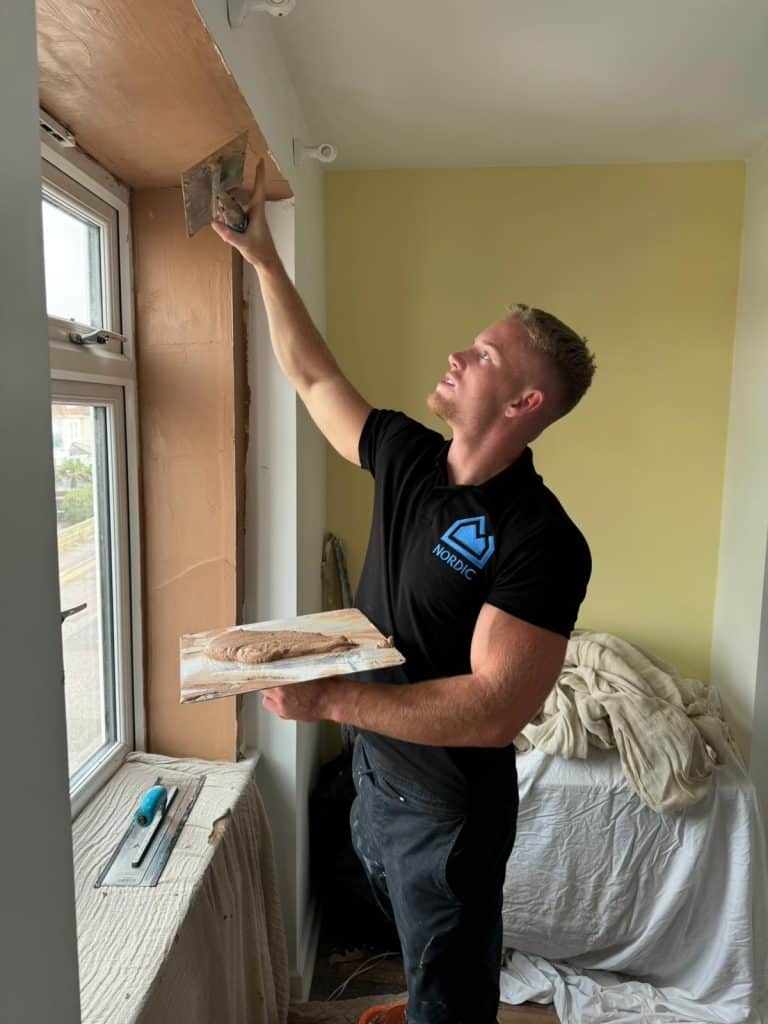
Your tenancy agreement (by law, even if not explicitly written) says the landlord must keep the structure and exterior in repair. This covers things like walls, roof, gutters, windows, doors, pipes. So if the damp is caused by a defect in any of those, the landlord is responsible for repairing that defect and consequently dealing with the damp. E.g., fixing a leaking roof and then repairing any damage the leak caused (like replacing ruined plaster). Penetrating and rising damp usually fall under this duty – fixing brickwork, damp-proof course, etc., is on them.
Installations and Services:
The landlord must also keep in working order the installations for heating, water, and ventilation (if provided). So if mould is growing because the heating is broken or you have no ventilation in a steamy bathroom, that’s on the landlord to fix (since a broken boiler or missing extractor fan is essentially a disrepair issue). If the property came with an extractor fan that no longer works, the landlord must repair/replace it. If it has none and the mould is severe, one could argue they should install ventilation as part of keeping the property fit to live in.
Fit for Human Habitation:
By law, all rented homes must be “fit to live in” – which includes being free from damp that is harmful to health. If your home has severe mould (the kind that causes you illness or makes it unsafe), the landlord is absolutely required to remedy that, even if it’s not directly due to a “repair” issue. For example, heavy condensation mould might not come from a broken component, but it still makes the home unfit, so the landlord must take steps (improve insulation, provide a dehumidifier, etc.) to eliminate the hazard. If they don’t, you can potentially take legal action under the Homes (Fitness) Act.
No Blame on You Unfairly:
It’s stated by housing advisors that “Your landlord shouldn’t blame you for having damp in your home. It’s their responsibility to find out what’s causing it.”. This means a landlord cannot just dismiss your complaint by saying it’s your fault for not opening windows or for taking hot showers. Even if condensation is a factor, they must investigate deeper issues – e.g., is the lack of insulation or ventilation making it worse? They should work with you to solve it, not simply finger-point. Only in extreme cases, where a tenant is clearly misusing a property (like never ever ventilating and deliberately creating excess moisture) might a landlord have some argument, but even then, the landlord might need to install better ventilation. So don’t be fobbed off by “it’s just your lifestyle” if you’re trying your best – insist on a proper check for repairs.
Repairing when aware:
One important aspect: a landlord is usually only responsible for fixing a problem once they know about it. That’s why, as mentioned, reporting it is key. If you reported it and nothing happens, the landlord can’t later say they didn’t know. They are obligated to act (within a reasonable time) once alerted. If they fail to do so, they could be in breach of contract and various laws. Additionally, landlords in England cannot retaliate by evicting you just for complaining about repairs – it’s unlawful to serve a “no fault” eviction in response to a legitimate complaint that the council then confirms as a hazard (more on that shortly).
So what must your landlord do?
In summary: investigate and fix. If the damp is due to a needed repair (leaks, etc.), they should fix that repair and make good any damage (replace plaster, repaint). If it’s due to condensation and the property needs modifications (better ventilation, insulation, heating), they should take reasonable measures to improve those. They should also remove mould growth (or arrange for it to be cleaned) once the underlying issue is addressed. All of this should be done at the landlord’s cost, not yours. You should not be asked to pay for repairs that are their responsibility (you might have to allow access, and you should cooperate with scheduling, but not pay).
What If Your Landlord Does Nothing?
Unfortunately, some tenants report damp or mould, and the landlord or agent ignores it, or delays endlessly, or refuses to spend money on repairs. If you find yourself in this situation, don’t give up – you have several avenues to pursue:
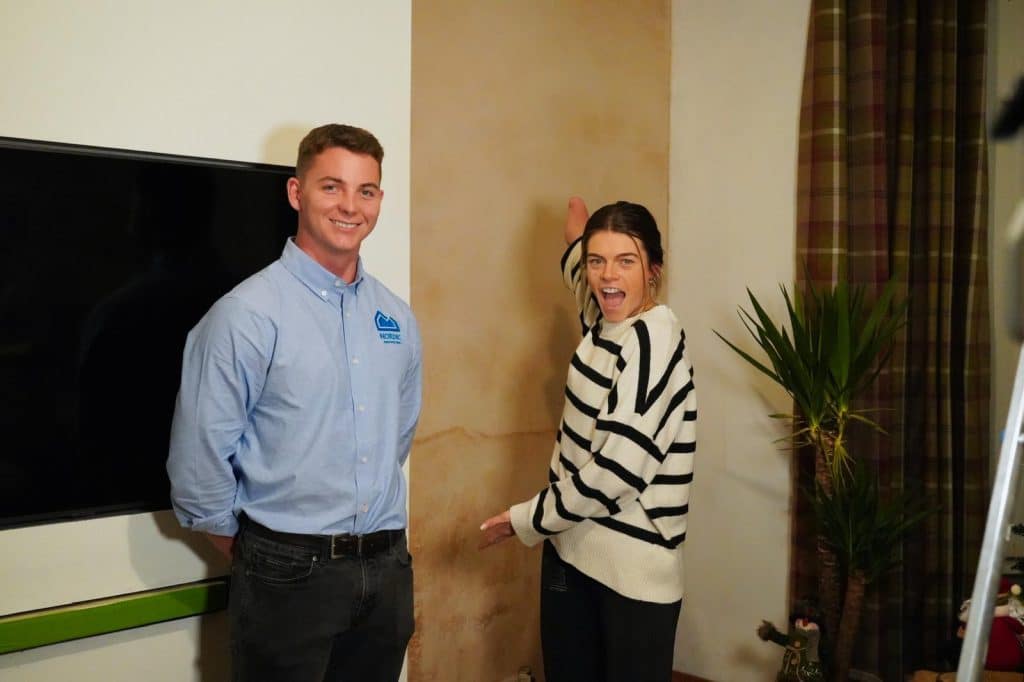
1. Follow Up and Escalate:
If your initial request gets no response within a reasonable time, write a follow-up email or letter. Be polite but firm, and mention that the issue is affecting your health or comfort. If that fails, explicitly state that if it’s not addressed, you will seek outside advice or involve the council. Sometimes the prospect of official action motivates a negligent landlord.
2. Contact the Council’s Environmental Health (for Private Rentals):
Every local council has a Private Sector Housing or Environmental Health team that deals with poor housing conditions. You can report your landlord to them if the landlord isn’t fixing a serious damp or mould problem. An Environmental Health Officer (EHO) can inspect your home to assess the severity of the hazard using the HHSRS (Housing Health and Safety Rating System). Damp and mould is a defined hazard under this system, and if the EHO finds a high-level risk (Category 1 hazard), the council is legally required to take enforcement action. They would likely serve your landlord an Improvement Notice ordering them to carry out specific repairs/improvements by a deadline. If the landlord still doesn’t comply, they can be prosecuted or fined. The council can even do the repairs themselves and bill the landlord in some cases. Importantly, if a council serves an improvement or abatement notice for disrepair, it protects you from retaliatory eviction: a landlord who has been given such a notice cannot evict you with a no-fault Section 21 eviction for 6 months. So, contacting the council not only gets the issue addressed, but it also gives you some security in your home.
(Note: if you’re a housing association or council tenant, the council can’t enforce against itself, so this route is mainly for private tenants. Social tenants have other routes, see point 4.)
3. Involve the Housing Ombudsman or Redress (for Social Housing):
If you’re renting from a council or housing association and your complaints about damp are going nowhere, you have the right to escalate through the landlord’s formal complaints procedure and then to the Housing Ombudsman Service. The Housing Ombudsman is an independent body that investigates complaints about social landlords. They have been very active about damp and mould issues recently, even publishing reports that landlords should not blame tenants and must treat mould with urgency. The Ombudsman can issue orders to the landlord – for example, to carry out repairs, pay you compensation for distress, etc. This process takes some time (you usually have to exhaust the internal complaints first, which can take 8 weeks or more), but it is effective in many cases. For private renters, there isn’t a dedicated ombudsman for individual landlords. However, if your landlord uses a letting agent, that agent must belong to a redress scheme (Property Ombudsman or Property Redress Scheme). You can complain to those schemes about the agent if, say, they failed to pass on repair requests or behaved improperly regarding your damp issue. They can award some compensation or impose sanctions against the agent.
4. Legal Action – Court:
As a last resort, tenants can take the matter to court. Under the Homes (Fitness for Human Habitation) Act, you could sue your landlord to force them to fix the damp (and potentially claim compensation). Also, under ordinary disrepair law, you could make a county court claim for the landlord failing to meet repair obligations (Section 11 of the Landlord & Tenant Act). If you win, the court can order the repairs and possibly award damages (money) for inconvenience or illness caused. You would typically need evidence – your correspondence, photos, maybe a report from the council or a surveyor. It’s recommended to get advice before legal action (Shelter, Citizens Advice, or a housing solicitor can guide you). Sometimes, even a solicitor’s letter threatening action can prompt a stubborn landlord to act. Additionally, if the mould has caused you to spend money (like ruined your clothes or made you pay medical bills), you might claim those costs. Legal action can be slow and requires effort, but it’s a powerful option when all else fails. The mere knowledge that you can take them to court might persuade a landlord to deal with the problem.
5. Can I withhold rent or move out?
Many tenants wonder if they can refuse to pay rent until the mould is fixed, or just break the lease. Be cautious: withholding rent without a formal agreement or court order can lead the landlord to evict you for arrears. There is a procedure called “rent repayment or rent offset” but it usually requires getting the court’s permission. Don’t just stop paying rent; instead, pursue the official routes above. As for moving out, check your tenancy terms – if you’re on a fixed term, leaving early could risk your deposit or owing rent (unless the place is truly uninhabitable and you negotiate an end). If conditions are so bad they’re dangerous, an Environmental Health notice might actually declare the house unfit, which could allow you to move out without penalty – but get advice in that scenario. In any case, keep paying your rent while you fight the issue; it shows you’re acting reasonably.
Retaliatory Eviction – Know Your Protection:
Many renters fear that if they complain, the landlord will just evict them instead of fixing the problem. This is a real concern in the private sector, but the law has some safeguards. If you report the issue to the council and the council confirms it by serving an official notice on the landlord, the landlord cannot use a Section 21 no-fault eviction for 6 months. Also, any Section 21 notice served after you complained to the council (and before they serve the notice) can be invalidated if the council then serves a notice. This is meant to prevent “revenge evictions.” It’s not foolproof – some landlords may still try to evict on other grounds – but it is a deterrent. If you suspect a retaliatory eviction (for example, you complained and then suddenly get an eviction notice), get advice immediately (Shelter or Citizens Advice can help you challenge an unfair eviction). Social tenants generally have more security and can’t be evicted so easily for complaining through proper channels.
Awaab’s Law: What It Means for Tenants
You might have heard about Awaab’s Law, named after a two-year-old who died from mould exposure. For tenants, this new law is a positive development, especially if you’re in social housing:
Faster Repairs in Social Housing:
From October 2025, social landlords (councils and housing associations) are legally required to investigate and fix damp and mould within strict timeframes. If you’re a council or housing association tenant, this means when you report damp, they must inspect within 10 working days, provide you results of that inspection, and if serious mould is found, they have to start fixing it within days and resolve it in a matter of weeks.. All emergency hazards must be addressed within 24 hours. In essence, the law backs up your right to timely repairs. You also have the right to be kept informed – the landlord must tell you what they found and how they’ll fix it.
Right to Relocation if Necessary:
Under Awaab’s Law, if your home can’t be made safe quickly, the landlord must offer you suitable temporary accommodation. This is significant – it means you shouldn’t be left living in a mould-infested home waiting months for repairs. They have to either fix it fast or move you out while it’s fixed, at their expense.
Holding Landlords Accountable:
If a social landlord fails these duties, tenants can enforce it as a breach of tenancy in court. Plus, the Housing Ombudsman will take complaints about delays very seriously given the law. Essentially, Awaab’s Law gives social tenants more power to demand safe living conditions and legal recourse if the landlord drags their feet. As a tenant, you should reference this law when talking to your council/housing association if they are slow: e.g., “Under Awaab’s Law, I understand you are required to act within 10 days on damp issues – please could you confirm the date for inspection?” It shows you know your rights.
Private Tenants – Changes Coming:
If you rent from a private landlord, Awaab’s Law timelines don’t legally apply to your landlord yet. However, the government has signalled plans to extend similar rules to private rentals via new legislation. A proposed Renters’ reform will introduce a Decent Homes Standard for private landlords and possibly mandate timeframes for critical repairs (similar to Awaab’s Law). So change is on the horizon. Even now, you can still point out to a negligent private landlord that the “standard of care” is changing – responsible landlords are expected to fix damp and mould swiftly. And you can rely on existing laws (fitness for habitation, etc.) as described above.
Empowerment:
A key message of the whole Awaab Ishak case and subsequent law is that tenants’ voices must be heard and issues like mould are not trivial complaints. You have the right to a healthy home. The tragedy underscored that ignoring mould can be fatal, and it prompted authorities to say enough is enough. So, if you ever feel your concerns are being dismissed, remember that even the government now explicitly says damp and mould must be taken seriously and fixed quickly.
In practice, for you as a tenant, Awaab’s Law means quicker action (if you’re social housing tenant, you should see much faster response times by law) and a general raising of standards across all rentals. Keep informed about your rights – check any resident guides your landlord publishes about how they handle damp and mould. Some councils and associations have new policies because of Awaab’s Law (for example, they might schedule annual mould inspections in homes that had issues, or issue Damp and Mould Safety Certificates after inspections). Make sure you benefit from these changes – don’t hesitate to mention them when discussing your situation with the landlord.
Stay Safe and Healthy
While the responsibility for major remedies lies with the landlord, your health and safety are paramount. Here are a few additional tips:
During Repairs:
If repair works are underway in your home (like fixing plaster, installing vents, etc.), ask the contractors to minimize dust and to clean up mouldy debris. If you feel unwell while works are happening (e.g. mould spores being disturbed), step out or stay with a friend if possible. A good landlord might offer to put you up in a hotel if the works are very disruptive (especially if you have young kids or medical issues).
Health Check:
If you or anyone in your household has symptoms that you suspect are from mould (persistent cough, wheezing, skin irritation, etc.), do see a GP. Not only is this important for your well-being, but a doctor’s note linking illness to mould could support your case to the landlord or council that this is “prejudicial to health” and urgent. For instance, if a child develops asthma or an existing condition worsens, make sure the medical professionals know about your living conditions.
Documentation:
Keep copies of everything – emails, doctors’ letters, council inspection reports, etc. If you eventually need to take legal action or claim compensation for damaged belongings or health issues, this will be invaluable.
Local Authority Support:
Sometimes councils have schemes to assist tenants. For instance, Dorset Council’s housing team notes that if a tenant isn’t getting a satisfactory response from their social landlord on damp, the council can intervene. Even for private tenants, councils often give advice or mediate with landlords informally before taking enforcement steps. Don’t hesitate to reach out to your local council’s housing or environmental health department just to ask for advice – they might have resources or be aware of common issues in your building or area (for example, they might know if a whole block has a damp problem).
Alternate Accommodation:
In extreme cases where the home is truly uninhabitable (say, black mould everywhere and someone in the house has severe asthma), and the landlord isn’t moving you, you can contact the council about emergency housing options. It’s not easy to get rehoused, but mould affecting health might count as making the property unfit such that you could be considered homeless (in terms of the law) and eligible for help finding somewhere to live. This is a last resort, but know that if it comes to that, you do have the right to a habitable home, either from your landlord or via council help.
Conclusion: You Don’t Have to Live with Damp
Mould and damp in your rented home should never be ignored – not by you, and certainly not by your landlord. As a tenant, start by doing what you can to keep your home ventilated and dry, but always report problems promptly. You have strong rights under UK law to a safe, dry place to live, and landlords have clear duties to fix damp issues and keep your home “fit to live in… free from damp.”. If your landlord is aware of a damp or mould problem and fails to act, know that you have recourse – from involving the council to potential legal action.
The introduction of Awaab’s Law is shifting the landscape in favor of tenants’ health and safety, sending a powerful message that no family should suffer in mouldy housing. Whether you rent from a council, housing association, or private landlord, you should expect a swift, serious response when reporting damp. Don’t let anyone downplay the issue – even if mould looks small, it can spread or indicate bigger issues behind the scenes. Trust your instincts: if you smell that musty mildew or see those telltale spots, it needs addressing.
Finally, remember you’re not alone. Many organisations can help with advice: Citizens Advice has detailed guides on damp in rented homes, and Shelter offers support and sometimes legal help for tenants facing these problems. Your local council’s tenant support services (on the South Coast, for example, Dorset or Hampshire councils have webpages dedicated to damp and mould advice) can guide you. The key is to raise the alarm and use the tools available to you. With persistence and the backing of housing laws, you can get that leaky, mouldy situation resolved – and breathe easier in a dry, healthy home.