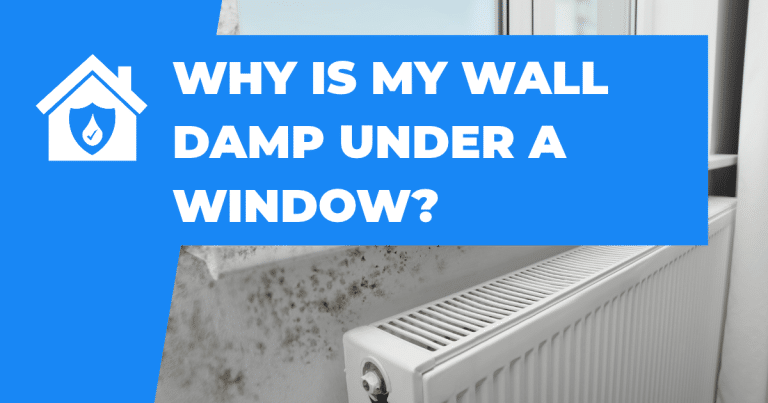
A professional technician is cleaning mould from a damp wall near a radiator. Landlords in the UK have a legal and moral obligation to provide safe, habitable homes for their tenants. This includes tackling problems like damp and mould swiftly and effectively. Recent high-profile cases – such as the tragic death of toddler Awaab Ishak from prolonged exposure to mould – have highlighted the severe health risks of damp conditions and spurred new regulations. Below, we outline what every landlord needs to know about renting out a property with damp, your responsibilities under UK law (including Awaab’s Law), and best practices for preventing and addressing mould issues.
Can a Landlord Rent Out a Home with Damp?
In short, no – not if the damp or mould makes the home unsafe. British law requires that rental properties be “fit for human habitation” at the start and throughout a tenancy. A home rife with serious damp or black mould is not fit or safe, and allowing tenants to live in such conditions could violate your legal duties. As Deputy PM Angela Rayner put it, “Landlords cannot be allowed to rent out dangerous homes and shamelessly put the lives of their tenants at risk.”. If damp or mould in a property is severe enough to be “prejudicial to health,” it may even be deemed a statutory nuisance under environmental health law. Source: gov.uk.

Key legal standards forbid renting out a property with unresolved damp issues that pose risks:
Landlord & Tenant Act 1985 (Section 11):
Landlords must keep the structure and exterior of the dwelling in repair. This means if damp is caused by disrepair (leaky roof, broken pipes, faulty damp-proof course, etc.), you are obligated to fix it.
Homes (Fitness for Human Habitation) Act 2018:
All landlords have a “statutory duty to ensure their properties are fit for human habitation” – which explicitly includes freedom from serious damp. If a rented home has persistent mould that endangers health, a tenant can take you to court under this Act.
Housing Health and Safety Rating System (HHSRS):
Damp and mould are classified hazards under HHSRS. If tenants complain to the council, environmental health officers can inspect the property. A severe mould infestation is often a Category 1 hazard, requiring the council to serve you an improvement notice and compelling you to remediate the issue. In extreme cases, the council could prohibit you from renting out the property until hazards are fixed.
Environmental Protection Act 1990:
If damp/mould is harming occupants’ health, it can be deemed a statutory nuisance. Councils must serve an abatement notice ordering you to resolve the problem. Non-compliance can lead to hefty fines.
Minimum Energy Efficiency Standards:

Poor heating and insulation can exacerbate damp (through condensation and cold walls). By law, rental properties must have an EPC rating of at least ‘E’ (unless exempt). Upgrading insulation, ventilation, and heating not only meets these standards but also helps prevent damp and mould by reducing cold and condensation.
Bottom line: knowingly renting out a mouldy, damp home is not only unethical but can land a landlord in legal trouble. You should remedy damp problems before new tenants move in, or urgently upon discovery, to ensure the home is safe and habitable.
Landlord Responsibilities and UK Damp/Mould Laws
All landlords – whether in the private sector or social housing – are expected to maintain safe, dry homes. Here are the key responsibilities and laws you must heed:
Repair Obligations:
As noted, you must repair leaks, structural defects or any disrepair causing damp. For example, if penetrating damp is due to a leaking roof or cracked wall, it’s unequivocally your job to fix that exterior defect If rising damp is coming from a failed damp-proof course, you likely must repair it or install a new one (fitting a new DPC might be considered an “improvement” in some cases, but if lack of a DPC is making the home unsafe, action is expected). Essentially, any dampness caused by a problem with the building’s structure, exterior, plumbing, or design falls under your repair duties.

Keep the Home Fit to Live In:
Even if no specific repair is evident, a damp home can legally be “unfit.” Courts will consider issues like persistent condensation mould or high humidity that harms health as rendering a home unfit. You are obligated to address such issues – e.g. by improving ventilation or heating – once you’re aware of them. Landlords cannot simply blame tenants’ lifestyles for damp; you must investigate and ensure the property itself is not contributing to the problem.
Responding to Complaints:
You are expected to respond promptly and seriously to any report of damp or mould from tenants. Do not ignore or delay action. Local council guidance explicitly says “landlords must take complaints of damp and mould seriously”. In fact, Dorset Council advises landlords to “act urgently to mitigate risks… and ensure clear, compassionate communication with tenants.” Remember, once a tenant notifies you of a damp problem, you’re “on notice” – if you do nothing and the issue causes harm, you could be liable for resulting damages. Moreover, under recent legislation, landlords are “usually responsible for repairing a problem when they become aware of it”, so timely response is critical.
Preventative Measures:
Good practice (and often legal expectation) is to prevent damp in the first place. Ensure the property is equipped to handle moisture: keep the roof and gutters in good repair, fix dripping pipes promptly, maintain a functioning damp-proof course, and provide adequate ventilation and heating. For example, make sure extractor fans are installed in kitchens and bathrooms and are working effectively. Consider adding trickle vents to windows or air bricks to improve airflow. Check that insulation isn’t lacking – poorly insulated homes get colder and suffer more condensation. In sum, invest in the property’s upkeep (and energy efficiency) to avoid damp problems down the line.
Vulnerable Tenants:
Be aware that damp and mould pose greater risks to certain groups – children, pregnant women, the elderly, and those with respiratory or immune conditions can suffer serious ill effects from mould exposure. Landlords should be especially proactive if such tenants are in the home, as mould can trigger asthma, allergies, skin rashes, and even depression or infections. Don’t wait for “medical evidence” of harm; act preventatively and swiftly.
Awaab’s Law: New Requirements for Damp and Mould
Awaab’s Law is a landmark reform that emerged from a tragic incident and is transforming how landlords (initially in social housing) must deal with damp and mould. It is named after Awaab Ishak, a two-year-old boy who died in 2020 due to prolonged exposure to black mould in a housing association flat. The public outcry led to the inclusion of “Awaab’s Law” in the Social Housing (Regulation) Act 2023, introducing strict timeframes for addressing damp and other hazards.
What Awaab’s Law mandates (for social landlords from October 27, 2025):
- If a landlord becomes aware of a potential damp or mould problem, they must investigate within 10 working days to determine if it’s a hazard. This means no more ignoring tenant complaints or delaying – a prompt survey is legally required.
- After investigating, the landlord must give the tenant a written summary of findings within 3 working days of completing the inspection, explaining what was found and what will be done. Transparency is key.
- If the investigation finds that damp or mould is a significant hazard to health (for example, severe black mould in multiple rooms), the landlord must make the property safe within 5 working days of the investigation. “Making safe” could involve interim measures like installing dehumidifiers, treating the mould, or relocating tenants from the affected area. Permanent remedial work to prevent recurrence must then be completed within 12 weeks, and all repairs fully finished within a “reasonable” time. In short, serious hazards get an immediate fix, and full repairs within a set period.
- Emergency hazards (any issue posing an immediate danger) must be addressed as soon as practicable, and at most within 24 hours. This 24-hour rule applies to emergencies including severe damp if it’s causing acute health risk, as well as other dangers like gas leaks or structural collapse.
- If the hazard cannot be fixed within the above timeframes (for instance, extensive works are needed), the landlord must offer the tenant suitable alternative accommodation at the landlord’s expense until the home is made safe. No family should have to keep living in mouldy, hazardous conditions because repairs are complex or delayed.
- Landlords must keep detailed records of all reports, investigations, correspondence, and repairs regarding damp and mould. If, for some reason, you cannot meet the prescribed deadlines (say, access to the property is denied or a part is on backorder), you’re expected to document the reasons thoroughly to show it was beyond your control.
Consequences:
Failing to meet Awaab’s Law requirements is essentially a breach of the tenancy (since the law writes these terms into social housing tenancy agreements). Tenants can take landlords to court for breach of contract if they don’t comply. Regulators and the Housing Ombudsman will also treat non-compliance very seriously. There are reports that landlords could face fines up to £30,000 and even be barred from renting properties if they consistently ignore the law. In other words, there will be “full force of the law” to compel landlords to fix damp and mould quickly. Source: Gov.
Phased expansion:
Initially, Awaab’s Law covers damp and mould hazards in social housing only. By 2026, it will extend to other serious hazards (like excess cold, fire safety, etc.), and by 2027, it will cover all hazards under HHSRS for social landlords. Importantly, the government has also announced plans to apply Awaab’s Law to the private rented sector in the near future. A Renters’ Rights Bill is in progress, which would introduce a Decent Homes Standard for private rentals and empower councils to enforce it, and would allow extending Awaab’s Law timelines to private landlords as well. So even if you’re a private landlord, expect that similar strict rules on damp and mould could soon apply to you. It’s wise to start following Awaab’s Law best practices now – not only to prepare for future regulation but because it’s the right thing to do for your tenants’ health.
Best Practices: Tackling Damp and Mould Proactively
Being proactive can save landlords from costly repairs, legal disputes, and most importantly, protect tenants. Here’s a step-by-step guide on what to do when damp or mould is reported (or when you notice it starting):

Respond Immediately and Inspect:
Do not delay or dismiss complaints of damp. As soon as you hear of a potential issue (musty smells, spotting of mould, damp patches), arrange to inspect the property. During the inspection, identify the type of damp: is it condensation (black mould in corners, around windows, often in winter), penetrating damp (water seeping through walls or ceilings, often from rain leaks), rising damp (water coming up from ground, causing tide marks on lower walls), or plumbing leaks (localized damp near pipes, baths, etc.). Determining the cause is crucial to fixing it properly. In difficult cases, consider hiring a damp surveyor or specialist to diagnose the issue (many landlords do this, especially if the cause isn’t obvious).
Address the Underlying Cause:
Once you know the cause, fix it at the source. This might include: repairing a leaking roof, unclogging gutters and downpipes, repointing cracked brickwork to stop water ingress, replacing broken seals around windows, or fixing leaking plumbing connections. If it’s a rising damp issue, check that the damp-proof course (DPC) is intact and not bridged by soil or external landscaping touching the wall. If there is no DPC or it’s irreparably failed, you may need to install a new one or apply a chemical DPC, although this is a significant job. For condensation issues, improving ventilation and heating is often the “fix” – ensure extractor fans are working (and install ones with adequate capacity if none exist), consider adding trickle vents to windows, and ensure the property has sufficient insulation to avoid cold surfaces. Sometimes something as simple as providing a tumble dryer (vented or condenser) or clothing airer can help tenants avoid drying laundry on radiators, which produces lots of moisture. Ultimately, each root cause must be addressed: there’s no point repainting over a damp patch without curing the leak or moisture source that’s causing it.
Eradicate the Mould Safely:
With the source of damp addressed, you need to remove existing mould growth. Always use proper protective equipment (gloves, mask) or hire professionals for large outbreaks. The UK Health and Safety Executive (HSE) recommends using biocides/mould cleaning solutions that are registered under the Control of Pesticides Regulations (COPR).Wash or scrub down hard surfaces with a fungicidal wash; porous materials heavily infested (like mouldy carpets or drywall) might need replacing. Never just paint over mould – the area should be cleaned and dried first, or the mould will simply grow through again. Dispose of any mouldy soft furnishings or at least thoroughly clean them. If the affected area is extensive (more than a few patches), consider bringing in a professional mould remediation service, who can perform steps like HEPA vacuuming spores, applying antimicrobial treatments, and using dehumidifiers or air scrubbers. Professional treatment can ensure the infestation is fully eliminated and help prevent immediate regrowth.
Follow Up and Prevent Recurrence:
After repairs and cleaning, monitor the situation. It’s good practice to schedule a follow-up inspection after a few weeks or months to ensure mould hasn’t returned, especially during the damp winter season. Educate and collaborate with your tenants on prevention: for example, encourage them to ventilate by opening windows or using extractor fans when cooking or showering, and to heat the home adequately in cold weather. Often, solving a damp issue is a team effort – as Dorset Council notes, it “often requires some input from both the tenant and landlord… ensuring adequate heating and ventilation. By working together, you may find a quick solution.” Provide instructions for any new ventilation equipment you installed, and consider supplying a dehumidifier for a while if condensation is persistent. Small lifestyle adjustments (like covering pots when cooking, not drying clothes on radiators without ventilation) can significantly reduce condensation, so having a polite conversation or providing a tips leaflet can help. That said, never use “lifestyle” as an excuse to ignore real issues – you must ensure the property itself has the proper means (ventilation, insulation, no leaks) to handle normal living moisture.
Document Everything:
Keep a clear paper/email trail of tenant reports, your inspection findings, and the actions taken (dates of repairs, contractors used, etc.). Not only is this now expected under Awaab’s Law for social landlords, but it also protects you in case of any dispute. If a tenant were to claim you neglected a problem, you can show the record that you responded to and fixed it in a timely manner. Conversely, if you ever need to explain a delay (maybe a part needed for repair was on back order), having those communications logged will demonstrate you acted as swiftly as you could.
Health and Safety: Why This Matters
Damp and mould are more than just an aesthetic issue – they can pose serious health risks and safety concerns in a rental property. Mould releases airborne spores that, when inhaled, can trigger asthma attacks, allergic reactions, and respiratory infections. In fact, research indicates that living in damp, mouldy housing can “cause asthma, worsen existing asthma, lead to allergic alveolitis and increase susceptibility to respiratory infections”. Young children exposed to mould are more likely to develop breathing problems; one study linked indoor mould exposure to perhaps 20–50% of asthma cases in the UK. Other reported symptoms include skin rashes, eye and throat irritation, and even fatigue or depression associated with living in an unhealthy environment.
Moreover, damp conditions encourage dust mites and can damage the structure of the building (rotting wood, weakening plaster). Peeling paint or crumbling plaster from damp can pose safety hazards as well. From a landlord’s perspective, a mould infestation left unchecked will only spread and become more expensive to remediate later – and could even render the property unrentable if the council declares it hazardous. In short, fixing damp promptly protects your tenants’ health and preserves your property. Landlords already have a duty under the Housing Act to ensure homes are free of Category 1 hazards (which include mould), so by treating mould with urgency, you’re also staying on the right side of compliance.
A Duty to Act
For landlords, dealing with damp and mould is not optional – it’s a critical part of your responsibility to provide a safe home. The law increasingly reflects this, from the Fitness for Human Habitation requirements to the new strict timelines of Awaab’s Law in social housing. Beyond legal compliance, it makes good business sense: a dry, mould-free property will attract and retain tenants, whereas a reputation for unhealthy, damp homes could leave you with voids or legal claims.
If you become aware of damp starting in your property, take it seriously and act immediately. Do not wait for a small patch of mould to spread into a full-blown infestation. Fix the causes (be it a leak or lack of ventilation), help your tenants with guidance on preventing moisture build-up, and carry out repairs with diligence and compassion. Local authorities (such as Dorset Council, Hampshire Council) emphasise empathy – communicate openly with tenants and don’t wait for someone to end up in the hospital before responding. By staying proactive and informed, landlords can keep their properties safe and comfortable, ensure compliance with UK laws, and avoid the dire consequences (human and legal) of unchecked damp and mould. In the end, providing a dry and healthy living environment is a fundamental part of being a good landlord – and it’s something no tenant should have to plead for.