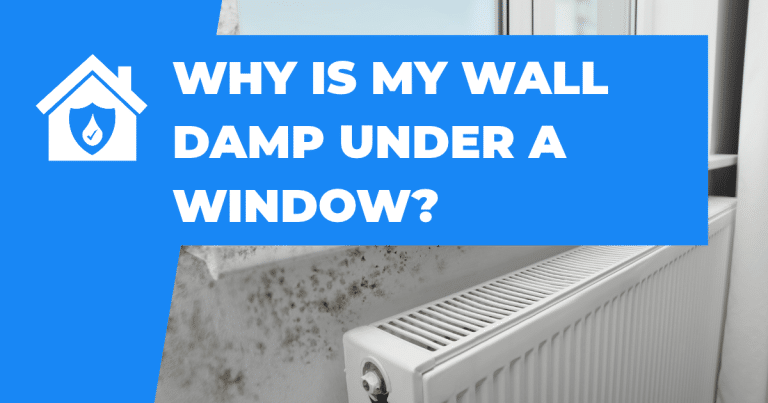
Damp and condensation aren’t just problems for creaky old houses – they can creep into any home, especially in chilly UK weather. In fact, government guidance warns that up to 6.5 million UK households may have issues with damp and mould. It’s not all down to bad luck or faulty walls: our everyday habits can flood the air with moisture. Simple activities like cooking, showering, or even breathing add water vapour to the air. If that steamy air has no escape route (closed windows, blocked vents, no fans), it condenses on cold surfaces – and that moisture breeds damp, mould and musty smells.
But don’t worry! You can beat it. Here are some common moisture-makers in your routine, plus quick fixes to keep your home dry and healthy.
Daily habits that add moisture (and how they cause damp)
Drying laundry indoors.

Hanging wet clothes on radiators or clothes horses is a surefire way to spray extra water into your rooms. Even a family’s indoor drying can release 10–15 litres of water every week into the air. This soaks into walls and surfaces, making condensation far worse. As shelter.org.uk puts it, “Drying clothes indoors can make condensation worse”.
Boiling water and cooking without cover.
That bubbling pan or kettle might be warming your belly, but it’s sending steam billowing around your kitchen. If you don’t put lids on pans or turn on an extractor fan, the steamy air drifts into the rest of the home. Shelter recommends covering pans, using kitchen extractor fans, and opening windows when cooking to trap or vent moisture.
Long, hot showers or baths.
Hot water equals steam. A long shower or bath without adequate ventilation floods the air with moisture. Even if your extractor fan is quiet or a bit rusty, turn it on, or open a window. Remember, “wet air has to go somewhere, and without airflow it clings to your walls”*.
Keeping windows and vents closed.

We all hate chilly draughts, but sealing up the house all day means moisture stays trapped. Our advice is clear: open windows for a short time every day to let humid air escape. Even cracking bedroom windows for 10–15 minutes can make a big difference.
Blocking airflow around furniture.
Pushing wardrobes, sofas or beds flush against exterior walls might seem space-saving, but it traps damp air. Experts say to leave a gap around furniture so air can circulate. You might even find a little mould patch behind that bookcase—yikes! Simply pulling it away from the wall lets the moisture dry out.
Not using extractor fans.
Many homes have extractor fans in the kitchen and bathroom (if not, they really should). Always turn them on when you cook or bathe: “If your kitchen or bathroom has an extractor fan, use it whenever you’re cooking or having a bath or a shower,” advises Shelter. Don’t skip it, or your fan vents could get clogged – regular cleaning helps too.
Portable gas/paraffin heaters.
These can drop lots of moisture into the room when burning. If you use one, be ready to crank up the ventilation to compensate. It’s usually better to keep central heating on low (if affordable) than rely on unvented heaters, which can dump moisture everywhere.
Cold, unheated rooms.
A cold wall is a condensation magnet. Without a little background heat, moisture will cool and settle on those surfaces. Aim to keep your home at a reasonable temperature (18–21°C is ideal) even when you’re out. Warmer air holds more water vapor, keeping it airborne rather than dripping on your walls.
Each of these habits adds water to your home’s air. Government guidance makes it clear: “condensation is one of the most common causes of damp and mould in homes”. The root causes often tie back to lifestyle – lack of ventilation and excess moisture from everyday tasks.
Easy fixes to keep moisture under control
The good news is that many fixes are quick, free (or very cheap), and effective. Try these steps today:
Ventilate regularly.
Open windows or trickle vents daily, even if it’s just for 10–15 minutes. Shelter’s advice is to “get air moving around your home” by opening windows and doors in rooms you use often. Don’t close your internal doors when cooking or showering; let air flow out to a window or vent.
Use extractor fans and clean vents.

Got a kitchen or bathroom fan? Turn it on for the whole time you cook or bathe (and a few minutes after). Check that vents and air bricks aren’t covered by curtains or furniture. If a fan is noisy or broken, get it serviced – or your landlord should. A working fan sends damp air straight outside.
Dry clothes outside if possible.
Invest in a washing line or use a condenser/tumble dryer that vents outside. If you must air-dry inside (rainy days, bleh), choose a warm, well-ventilated room and leave a window or door ajar. The Centre for Sustainable Energy suggests using a tumble dryer or drying indoors only with doors closed and a window open. Better yet: dry before you put clothes away – damp laundry in a wardrobe is a recipe for mildew.
Cover pans and close doors.
When cooking, keep lids on pots and kettles to trap steam. Close kitchen and bathroom doors to isolate moist air. A handy move: cook with windows open or fans on, and don’t let steam wander into chilly bedrooms. This traps moisture at the source.
Use dehumidifiers or moisture absorbers.
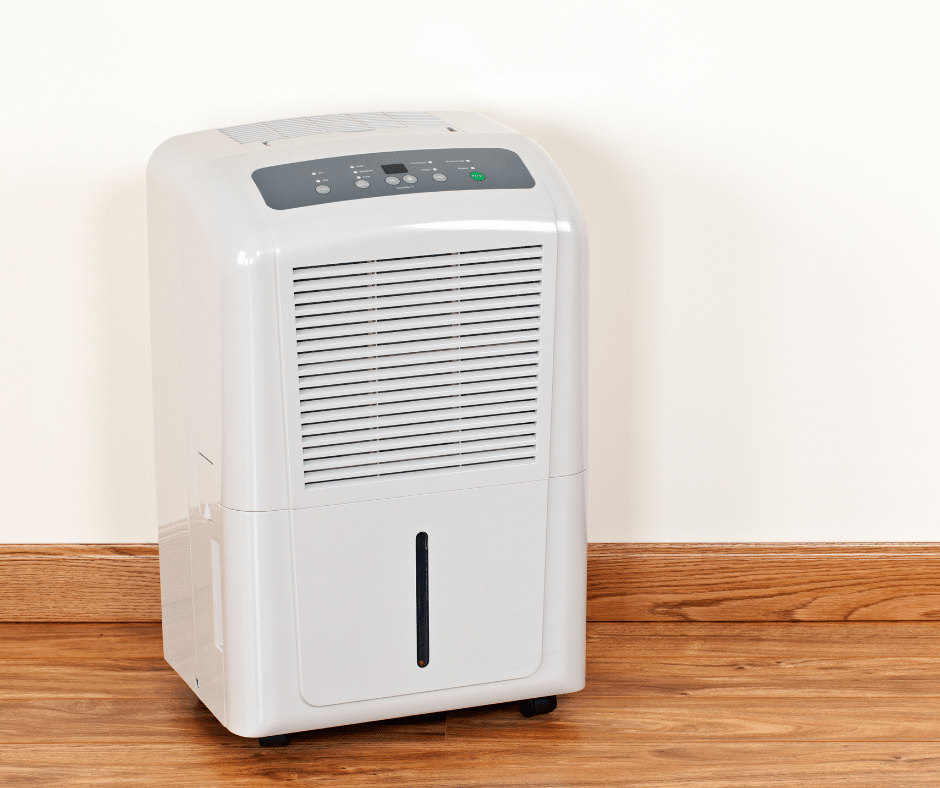
A dehumidifier is an instant fix in problem spots (bedrooms with lots of clothes, or a tiny bathroom). It literally pulls water out of the air. Even small desiccant packs or moisture-absorbing tubs can help under wardrobes or in cupboards.
Wipe away excess water.
After showering, wipe down tiles, mirrors and window sills with a squeegee or towel. Mopping up bath spills and kitchen splashes stops water evaporating back into the air. Regularly wipe cold window panes in the morning to remove overnight condensation before it drips.
Keep a gap behind furniture and wardrobes.
Even if it seems minor, do your best to leave space for air to circulate. This simple trick stops hidden mould patches. If a wardrobe sits on an outside wall, try moving it slightly forward or drilling small holes for airflow (check with a pro if walls are plasterboard or brick).
Maintain even heating.
Rather than blasting heat only when you’re home, it can be better to have low background heating throughout the day. This avoids cold spots where steam condenses. If you’re worried about energy bills, at least warm up the room before you shower or cook, and for a bit after, to keep humidity stable.
Each of these habits and fixes is supported by UK housing advice. For example, Citizens Advice notes that drying clothes on radiators without ventilation “puts a lot of moisture into the air” and recommends drying outside or in a well-ventilated room. The Centre for Sustainable Energy similarly urges producing less moisture (e.g. drying laundry outdoors, lidded cooking) and ensuring any moisture can escape via vents or windows. By turning these actions into habits, you cut condensation at its source.
Keep it up: consistent habits and happy home
Tackling damp means both reducing moisture in the first place and helping air out your home. Think of it as teamwork between you and the weather: when it’s cold and damp outside, you do your part by airing out the place and cleaning up steam. Small routines – like always opening a window a crack after a hot shower, or never stuffing a towel rack with wet clothes – can make a huge difference over time.
Remember, damp isn’t just an eyesore; it can affect health too. Government reports stress that living with damp and mould may put your health at risk. especially for kids and those with breathing issues. So it’s worth taking these simple steps seriously.
When to seek expert help
If you’ve tried all the basics but still see recurring damp patches, it might not just be lifestyle. There can be underlying issues like roof leaks, broken damp-proof courses or faulty plumbing. That’s when you should call in the pros.
At Nordic Damp Proofing, we specialise in diagnosing and solving damp problems. We offer Ventilation & Condensation Surveys to pinpoint airflow or insulation issues, and Damp Surveys to check for leaks or rising damp. Our Mould Prevention Services can treat existing mould and help prevent it from coming back.
If you’re worried or just want certainty, there’s no harm in booking a survey. A qualified surveyor can spot hidden causes and recommend the right fix. (Pro tip: claim to the landlord or housing association if you’re a renter – they often have to pay for the repair if it’s their responsibility.)
Peace of mind and a healthy home are worth it. Remember our motto: “We Find It. We Treat It. We Stop It Coming Back.”