
You may need a damp survey before buying a house if your general survey finds moisture, visible damage, or signs of a hidden problem. Many buyers first discover damp through a vague sentence in a Home Survey report, such as “elevated moisture readings were recorded and further investigation is recommended.” This confirms that the surveyor found moisture, but it does not explain the cause or likely repair cost.
A specialist damp survey fills that gap. It focuses on the source of the moisture, the extent of the damage, and the work needed to correct it. This information can help you decide whether to continue with the purchase, renegotiate the price, or walk away before exchange.
Whether you need one depends on the findings from your general survey, the age and construction of the property, and the amount of financial risk you can accept. This guide explains when a damp survey is worthwhile, where it fits into the buying process, and how to use the results when negotiating with the seller.
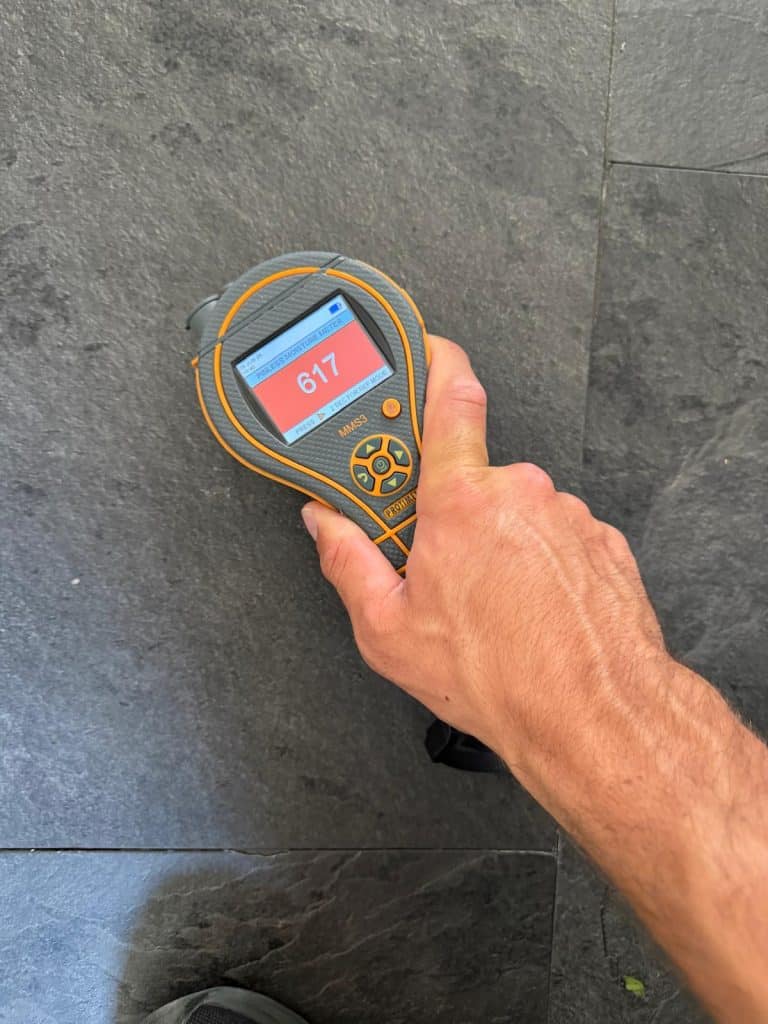
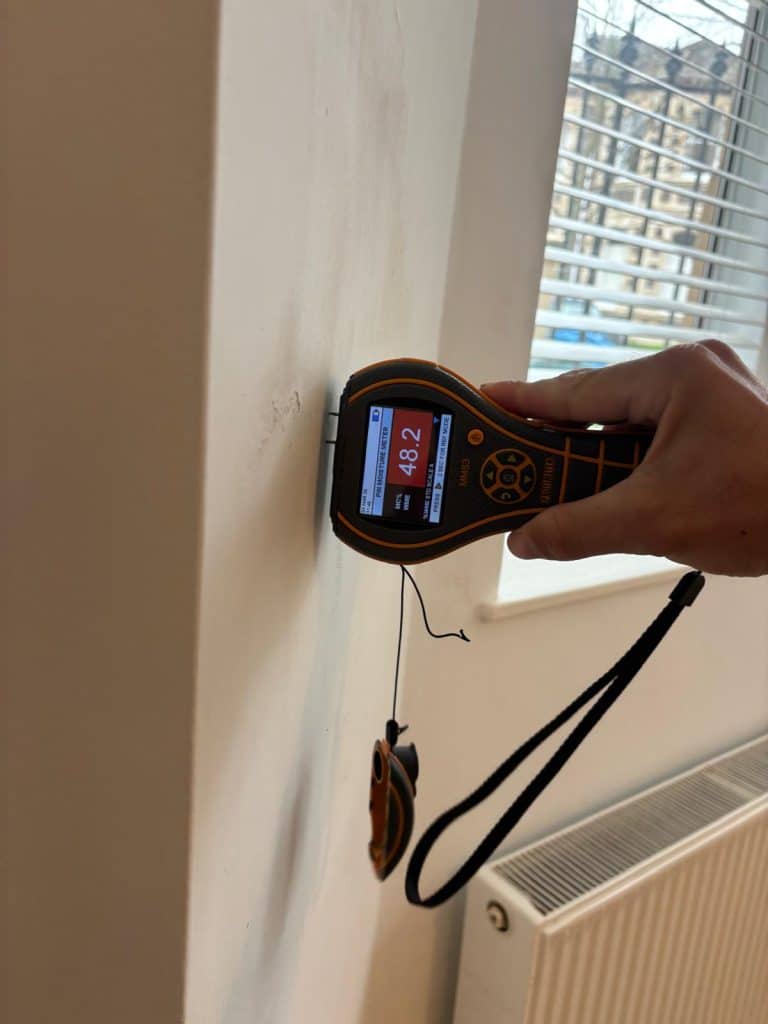
What Does a Damp Survey Include?
A specialist damp survey examines moisture and related damage throughout the property. A surveyor with relevant damp and timber training should carry it out rather than a general mortgage valuer.
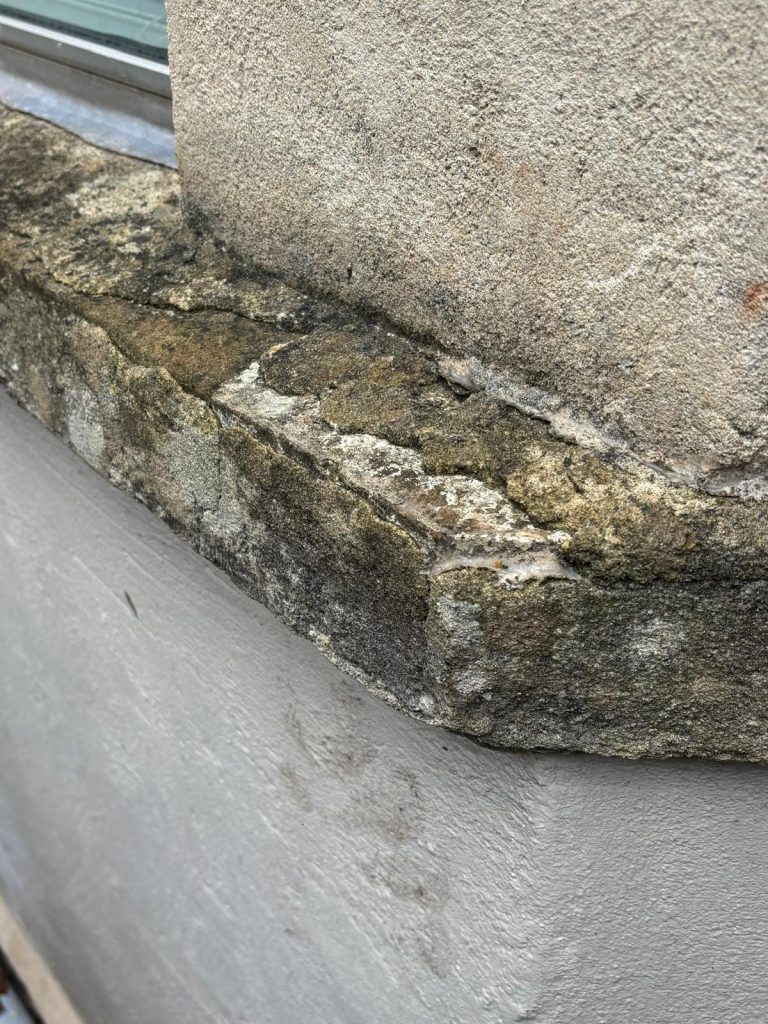
Outside, the surveyor should inspect ground levels, the damp proof course, gutters, downpipes, pointing, render, roof coverings, and other possible entry points. Inside, they should take moisture readings at several heights and locations, assess the condition of the plaster, look for salt contamination, and inspect accessible timber for decay.
A detailed survey may also use thermal imaging to identify cold bridges and hidden moisture patterns. If condensation may be responsible, the surveyor may recommend humidity and temperature monitoring over a longer period. A borescope can also inspect cavities and voids through a small access point.
The final report should identify the likely cause, explain the supporting evidence, and state what the surveyor ruled out. It should also describe the required repairs and provide enough detail for you to estimate the cost.
When Should You Get a Damp Survey?
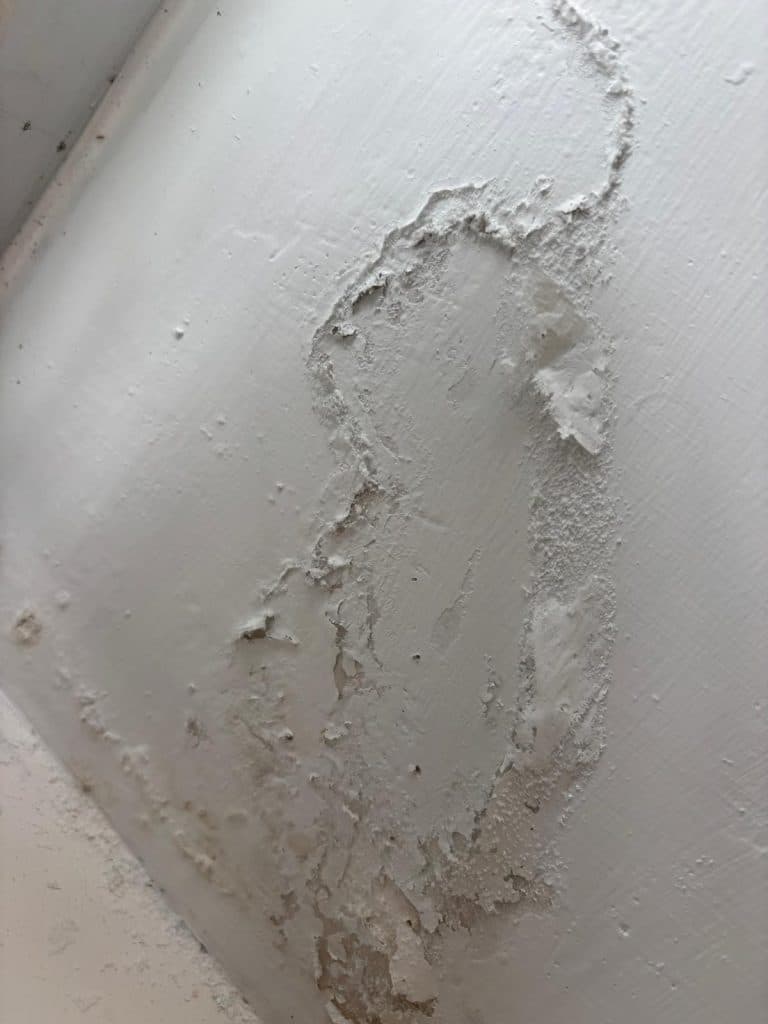
Book a specialist damp survey if your RICS Home Survey Level 2 or Level 3 report identifies damp or recommends further investigation. You should also consider one if you notice musty smells, visible staining, loose plaster, a tide mark, white salts, mould, or damaged timber during a viewing.
Older and unusual properties often need closer inspection. Homes built before 1900 may have solid walls or no original damp proof course. Listed buildings can also develop damp problems linked to traditional materials or unsuitable modern repairs.
Properties that have remained empty or unheated for several months may show condensation or moisture that needs further investigation. Homes with a cellar or basement, or a floor below the external ground level, also carry a greater moisture risk. Buyers should check flats for damp problems linked to shared walls, roofs, and communal systems.
Fresh paint on one wall, boxed in corners, furniture pressed against external walls, and strong air fresheners should encourage a closer look. These details do not prove that the seller is hiding damp, but they can conceal stains, mould, or musty smells. Use them as reasons to inspect more carefully.
When Can You Skip a Damp Survey?
You may not need a specialist survey if the property is a modern build with no visible damp and your Level 2 or Level 3 survey raises no concerns. External ground levels should also sit safely below the damp proof course, with gutters, walls, and roof coverings in good condition.
However, do not confuse a mortgage valuation with a property survey. A valuation helps the lender decide whether the house provides enough security for the loan. It does not offer the detailed inspection that a Home Survey Level 2 or Level 3 provides for the buyer.
If you have only received a mortgage valuation, nobody has completed a detailed condition survey on your behalf. Arrange the appropriate general survey before deciding whether you also need a damp specialist.
When Should You Arrange the Damp Survey?
Arrange the general property survey after the seller accepts your offer and before you exchange contracts. Choose a Level 2 survey for a conventional property in reasonable condition. Consider a Level 3 survey for an older, altered, unusual, or visibly damaged building.
If the general survey flags damp, contact a specialist immediately. Do not wait for the lender to raise the same concern. Booking early gives you time to receive the report, obtain repair quotes, and negotiate before you become legally committed to the purchase.
Your lender may complete its valuation at the same time. If the valuer notices damp, the mortgage offer may include conditions or a retention. Having a specialist report ready can help you respond without delaying the transaction.
The important deadline is exchange of contracts. Before exchange, you can renegotiate, request repairs, or withdraw from the purchase. After exchange, you will usually become responsible for the property and its repair costs.

What Happens if the Lender Finds Damp?
When a mortgage valuer identifies damp, the lender may continue with the loan, reduce the amount it will lend, or impose a retention. The decision will depend on the severity of the problem and its effect on the property’s value.
A retention means the lender holds back part of the mortgage until you complete specified repairs. For example, if you agree to buy a house for £300,000 and the lender retains £8,000, you may need to provide that extra £8,000 yourself at completion. The lender releases the retained amount only after you complete the work and provide acceptable evidence.
This can create a significant cash flow problem. Ask the lender exactly what report, contractor, guarantee, and completion evidence it requires. You should also review your home insurance position before committing to the purchase.
A damp survey completed before exchange can put you in a stronger position. It gives you time to understand the work, plan the funding, and negotiate with the seller before the mortgage conditions create pressure.
How to Use a Damp Survey to Renegotiate
A confirmed damp problem gives you a reasonable basis for reopening negotiations. Present the specialist findings rather than relying on a general statement that the house has damp.
For example, explain that the report found a bridged damp proof course on the rear wall and salt contaminated plaster in two rooms. Include a written contractor quote that shows the expected repair cost. Specific evidence gives the seller something clear to consider.
You can ask for one of three outcomes:
- A reduction in the purchase price that reflects the cost of the repairs.
- A retention held by the solicitors until the work is completed after purchase.
- Completion of the repairs by the seller before exchange, using an agreed specification and suitable evidence.
Keep your request proportionate to the problem. Clearing a gully or lowering a flower bed will not justify the same reduction as replacing damaged plaster across several rooms. A clear report and written quote help you make a credible request.
Remember to include the repair timeline. A saturated wall may need several weeks or months to dry before replastering and decorating. This could delay renovation plans or prevent you from using part of the property immediately after completion.




Damp Survey Checklist Before Exchange
Complete the following steps while you can still renegotiate or withdraw:
- Read the Home Survey Level 2 or Level 3 report carefully.
- Arrange a specialist survey if the report identifies moisture or recommends further investigation.
- Obtain a written quote for the repairs listed in the specialist report.
- Decide whether to request a price reduction, a retention, or repairs before exchange.
- Confirm any mortgage conditions and the evidence your lender will require.
- Include the cost and drying time in your renovation and moving plans.
- Exchange contracts only when you understand the cause, cost, and timeline.
Once you complete these checks, you should know what is causing the damp, how much the repairs may cost, and whether the work will affect your moving plans. If any of those points remain unclear, resolve them before exchange. After completion, the repair costs become your responsibility, and you may need to declare the damp problem when you sell the property in the future.
Nordic Damp Proofing provides Damp Surveys, Damp Proofing Services, and Rising Damp Treatment across Southampton, Dorset, and Hampshire. Our PCA trained and accredited surveyors follow British Standards, including BS 6576. You can book a survey as soon as the seller accepts your offer.
Finding damp does not automatically make a house a bad purchase. A clear diagnosis turns an uncertain problem into a cost, a repair plan, and a decision you can make with confidence.
We Find It. We Treat It. We Stop It Coming Back.