Specialist Damp Surveys, Mould Treatment & Timber Preservation In Abergavenny
9.6
verified by TrustindexTrustindex verifies that the company has a review score above 4.5, based on reviews collected on Checkatrade over the past 12 months, qualifying it to receive the Top Rated Certificate.


A damp survey helps identify the reason moisture is appearing before any repair or treatment work is recommended.
In Abergavenny, damp problems can be linked to the age of the building, external ground levels, drainage, weather exposure, ventilation, roof defects, damaged rainwater goods, failed pointing, older wall construction or timber affected by moisture.
A visible damp mark does not always tell the full story. What looks like rising damp may actually be rainwater ingress, condensation, a leaking pipe, a blocked gutter or moisture trapped behind unsuitable finishes.
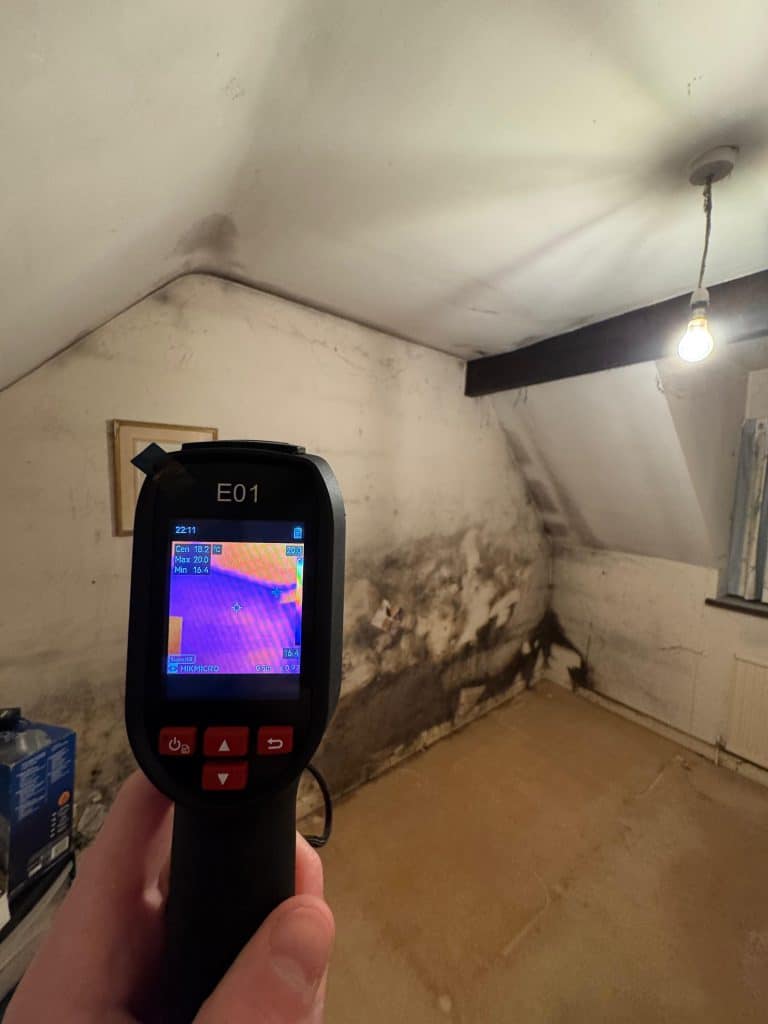
Our surveyors inspect the property carefully, looking at the building as a whole rather than just the affected wall. If the cause is unclear, we may recommend our survey and diagnostic services for a more detailed investigation.
We provide damp surveys and treatment services throughout Abergavenny and nearby South Wales areas, including Abergavenny, Llanfoist, Govilon, Gilwern, Llantilio Pertholey, Mardy, Llanvihangel Gobion, Llanellen, Llanover, Goytre, Raglan, Usk, Monmouth, Crickhowell, Blaenavon, Pontypool, Cwmbran, Brecon and surrounding areas.
Postcodes covered include NP7, NP4, NP15, NP25, NP8, LD3 and nearby South Wales and border postcode areas.
We also cover the wider South Wales damp proofing area, including nearby Monmouth, Usk, Newport, Chepstow and Cardiff damp proofing.

Abergavenny and the surrounding areas include a mix of older stone homes, cottages, town houses, rural properties, modern houses, rental properties and commercial buildings. This means damp can appear in different ways depending on the property type.
Some buildings may be affected by ground moisture, while others may suffer from condensation, external water ingress, blocked gutters, poor drainage, defective pointing or ventilation problems.
Abergavenny sits close to the Brecon Beacons and is surrounded by rural villages, older stone buildings and properties exposed to changing weather conditions. This can create a different set of damp risks compared with city properties.
Homes on sloping ground, rural lanes or exposed positions may experience moisture where rainwater is not being moved away from the building properly. Older cottages and stone homes may also have solid walls, ageing mortar, high ground levels, timber floors or previous repairs that restrict natural drying.
Instead of treating the damp patch alone, we look at how moisture is entering, moving through and leaving the building. This helps us decide whether the issue is linked to condensation, rising damp, penetrating damp, poor drainage, external defects or trapped moisture.
For older properties, our guide on how moisture moves through period properties may be useful. Where wider building protection is needed, we can also advise on restoration and prevention work.
Damp near the bottom of a wall can be worrying, but it is not always caused by rising damp. In Abergavenny properties, low-level moisture may be linked to high ground levels, bridged damp-proof courses, leaking pipes, blocked airbricks, poor drainage, condensation or water entering from outside.
During a survey, we check the moisture pattern, wall condition, external ground levels and surrounding defects before deciding what treatment is suitable.
Signs that may need checking include low-level staining, damaged plaster, salt deposits, peeling paint near the floor, damp skirting boards, soft timber or musty smells in ground floor rooms.
If ground moisture is confirmed, we can advise on rising damp treatment, damp-proof course installation or another appropriate damp-proofing method. You can also read our guide on how to fix rising damp.
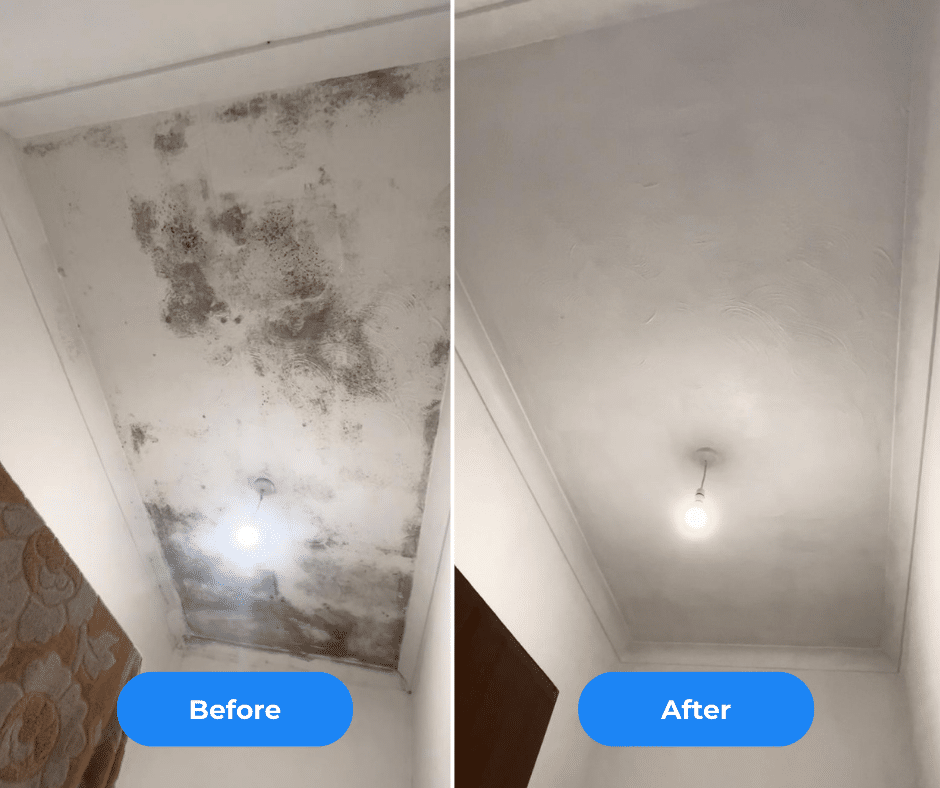
Black mould is often caused by moisture building up inside the property. This can happen in bathrooms, bedrooms, kitchens, wardrobes, window reveals, ceiling corners and behind furniture.
In Abergavenny homes, condensation can be made worse by cold external walls, poor airflow, drying clothes indoors, blocked vents, ineffective extractor fans or rooms that are not heated and ventilated evenly.
Older stone properties and cottages can also have colder wall surfaces, which may encourage condensation if humidity is high inside the home.
Cleaning mould may remove the visible growth temporarily, but it will often return if the moisture source is still present. Nordic Damp Proofing can advise on mould removal services, condensation damp control and humidity control and ventilation where required.
You can also read our guide on how to stop mould in your home.
If damp appears after rain, the issue may be coming from the outside of the building. Around Abergavenny, this can be linked to exposed walls, ageing stonework, damaged render, defective pointing, leaking gutters, blocked downpipes, chimney issues, roof defects or poor drainage.
Penetrating damp may show as damp patches, cold areas, water staining, bubbling plaster, peeling paint, damp chimney breasts or musty smells inside the property.
The solution depends on how the water is entering. Internal repairs alone will not solve the issue if rainwater is still getting through the external fabric.
Our team can advise on penetrating damp treatment, repointing services, wall repairs and wider remedial work where required. If the issue may be linked to ground drainage, our article on whether French drains stop damp may also be helpful.
Moisture can affect timber if damp is left untreated or if a building has poor ventilation. This can be particularly important in older homes, cottages, suspended timber floors, roof spaces, cellars and converted buildings.
Timber issues can affect joists, floorboards, roof timbers, skirting boards, staircases, lintels, door frames and other structural areas.
A timber issue should not be treated in isolation. The source of moisture also needs to be found, otherwise the problem may return.
Our timber surveys help assess the condition of affected timber and identify what is causing the moisture. Depending on the findings, we may recommend timber treatment services, wet rot treatment, dry rot treatment or woodworm treatment.
For more advice, see our guides on what wet rot is and what dry rot is.
Some Abergavenny properties may have cellars, storage areas, lower-ground rooms or partially below-ground spaces that are affected by damp. These areas can be more vulnerable because walls and floors may be in contact with surrounding ground.
Common signs include damp walls, flaking finishes, salt marks, mould growth, musty smells, floor moisture or water staining where the wall meets the floor.
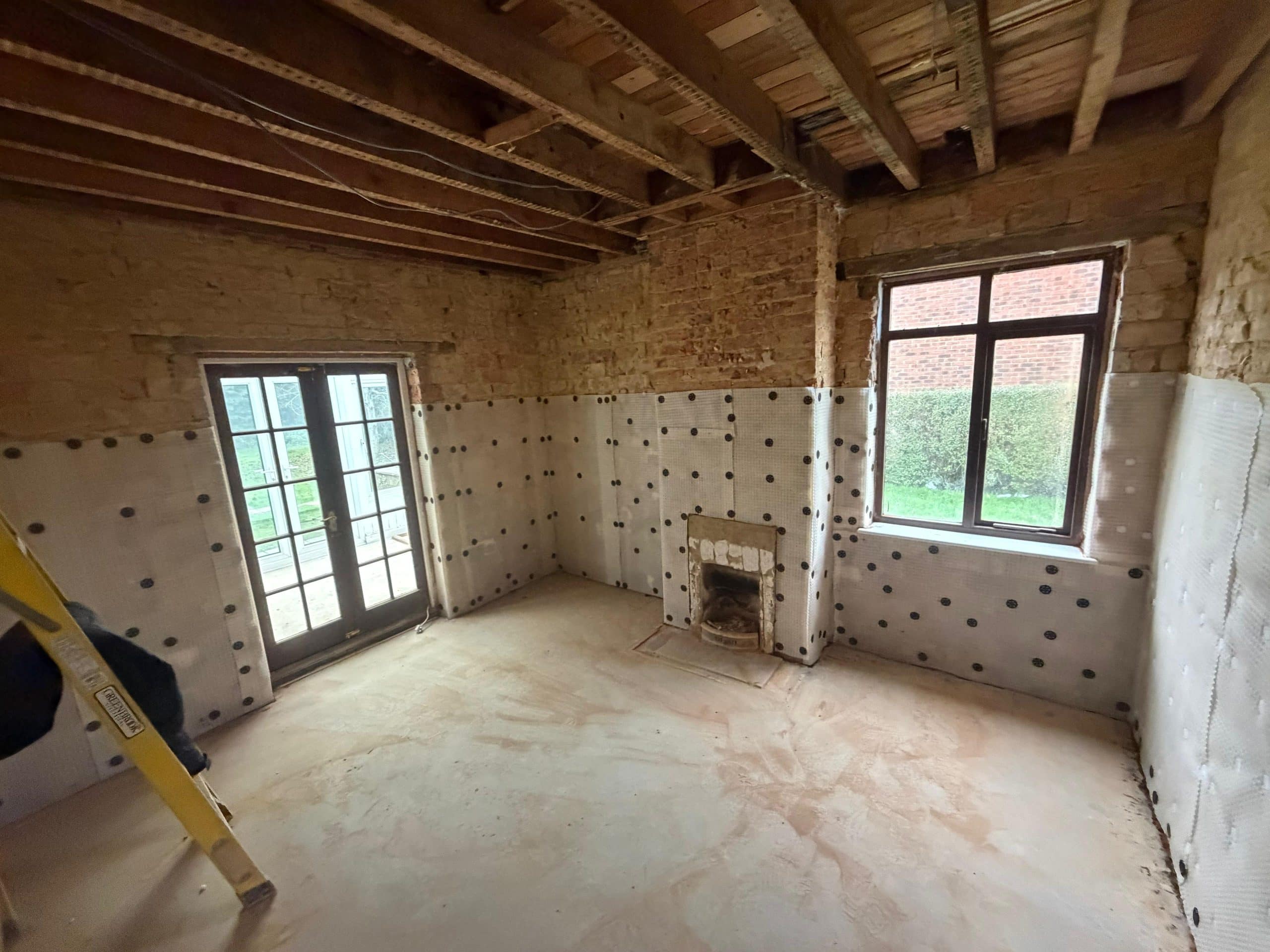
These problems may require more than standard plaster repairs. Nordic Damp Proofing can advise on basement waterproofing, structural waterproofing and structural water damage services where required.
Nordic Damp Proofing provides a full range of property preservation services across Abergavenny and nearby South Wales areas.
Our services include:
Damp surveys and diagnostics
Rising damp treatment
Penetrating damp repairs
Condensation control
Mould removal and prevention
Timber surveys
Timber preservation
Woodworm treatment
Wet rot treatment
Dry rot treatment
Basement waterproofing
Structural waterproofing
Water damage repairs
Property restoration and prevention work
Older cottages and stone homes can be more vulnerable to damp because they often have solid walls, older mortar, timber floors and less modern ventilation. Moisture can also become trapped if previous repairs used materials that stop the building from drying naturally.
Yes. Homes built into sloping ground can sometimes experience damp where water collects against external walls, ground levels are too high or drainage is not moving water away from the building properly. A survey can identify whether the issue is linked to ground moisture, penetrating damp, condensation or another cause.
Black mould is usually linked to condensation. This happens when moisture in the air settles on colder surfaces, often due to poor ventilation, drying clothes indoors, cold walls or limited airflow. If mould keeps coming back after cleaning, the moisture source needs to be addressed.
No. Low-level damp may be caused by rising damp, but it can also be caused by leaks, high ground levels, bridged damp-proof courses, condensation, poor drainage or rainwater entering from outside. A damp survey helps confirm the actual cause.
Yes. We inspect rural homes, cottages, farmhouses, converted buildings and older properties around Abergavenny. Rural buildings can suffer from damp due to drainage issues, exposed walls, ageing masonry, roof defects, poor ventilation or timber moisture.
Yes. We work with landlords, letting agents and property managers across Abergavenny and nearby areas to investigate damp, mould, condensation and timber-related issues in rental properties.
We cover Abergavenny and nearby areas including Llanfoist, Govilon, Gilwern, Llantilio Pertholey, Mardy, Llanover, Goytre, Raglan, Usk, Monmouth, Crickhowell, Blaenavon, Pontypool, Cwmbran and Brecon.
We cover Abergavenny and nearby postcode areas including NP7, NP4, NP15, NP25, NP8, LD3 and surrounding South Wales and border postcode areas.
Yes. Our South Wales office is based in Cardiff:
NORDIC DAMP PROOFING LTD
4th Floor
14 Museum Place
City Centre
Cardiff
CF10 3BH
Protect your property before damp, mould or timber problems get worse. Our friendly surveyors will inspect the issue, explain the findings clearly and recommend the most effective treatment for your home or building.
At Nordic Damp Proofing, we’re pleased to offer damp, mould, and timber surveys to homeowners and landlords. In some cases, fees may apply for more detailed reports — but don’t worry, our team will always let you know beforehand.
Submitting this form doesn’t commit you to a survey. One of our friendly team members will contact you within 24 hours to discuss your enquiry and confirm whether a survey is needed. Once booked, we can usually arrange a visit within 24 hours of confirmation.