Awaab’s Law is about to get a lot bigger. From 30 November 2026, Phase 2 will introduce additional legal requirements for social housing landlords across England, expanding the range of serious housing hazards that must be investigated and addressed within strict timescales.
At Nordic Damp Proofing, we believe this is an important development for housing associations, social landlords and the people living in their properties. While the original legislation focused heavily on damp and mould, Phase 2 recognises that the overall condition of a building, including its temperature, ventilation and structural safety, can directly affect residents’ health
For landlords managing properties across Southampton, Hampshire, Dorset, Bournemouth, Poole, Bristol, Bath and the wider South of England & Wales, now is the time to prepare.
What Is Awaab’s Law Phase 2?
Awaab’s Law was introduced following the tragic death of two-year-old Awaab Ishak in 2020, after prolonged exposure to mould in his family’s social housing property.
Phase 1 came into force on 27 October 2025, requiring social landlords to respond to emergency hazards and significant damp and mould hazards within legally defined timescales.
Phase 2, coming into effect on 30 November 2026, extends these requirements to additional significant hazards, including:
- Excess cold and dangerously low indoor temperatures
- Excess heat and overheating
- Falls, including hazards involving stairs and changes in level
- Structural collapse and falling building elements
- Fire and explosion hazards
- Electrical hazards
- Domestic hygiene hazards, including personal hygiene and food safety
These requirements apply to social housing in England. Landlords should refer to the official GOV.UK Awaab’s Law Phase 2 guidance for the full legal framework.
Why Excess Cold and Excess Heat Matter for Damp and Mould
Two of the new hazards particularly relevant to our work at Nordic Damp Proofing are excess cold and excess heat.
Temperature, moisture and ventilation are closely connected. A property that struggles to maintain a comfortable indoor temperature may also be more vulnerable to condensation, damp and mould growth.
How Does Excess Cold Cause Damp and Mould?
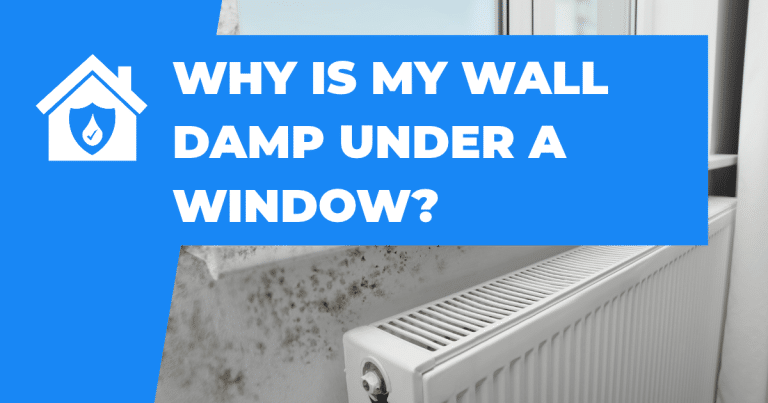
When warm, moisture-laden air meets a sufficiently cold surface, condensation can form. This frequently happens around windows, external walls, poorly insulated corners and behind large furniture.
If a property has inadequate insulation, thermal bridging or poor ventilation, moisture can repeatedly accumulate in these areas, creating conditions where mould can grow.
Simply turning up the heating may reduce condensation in some circumstances, but it will not necessarily resolve the underlying issue. The building could have defective insulation, insufficient ventilation or another problem affecting its thermal performance.
Our condensation and damp control services help identify the contributing factors and recommend appropriate improvements.
Can Excess Heat Cause Problems in Social Housing?
Yes. Overheating can create serious health risks, particularly for vulnerable residents, older people and those with certain medical conditions.
Excess heat does not automatically cause damp, but it highlights why landlords must consider how the entire property performs.
Insulation, ventilation, solar exposure, heating systems and the ability to cool rooms all influence indoor conditions. A poorly designed or inadequately ventilated property may struggle to maintain safe temperatures throughout the year.
Through our ventilation and condensation surveys, Nordic Damp Proofing can investigate moisture and airflow concerns and identify where further specialist building-performance assessments may be necessary.
Watch: Nordic Damp Proofing Discusses Awaab’s Law Phase 2
Understanding the legislation is one thing. Understanding how buildings actually behave is another.
In the video below, we discuss the upcoming changes and why identifying the root cause of damp, condensation and temperature-related problems is so important.
What Are the Legal Timescales Under Awaab’s Law?
Awaab’s Law establishes mandatory timescales for investigating and addressing qualifying hazards in social housing.
The exact response depends on whether a hazard is considered significant or an emergency, the circumstances of the residents and the requirements of the regulations.
| Requirement | Landlord Responsibility |
|---|---|
| Emergency hazards | Investigate and undertake relevant safety work as soon as reasonably practicable, within the applicable 24-hour requirements. |
| Potential significant hazards | Investigate within 10 working days of becoming aware of the potential hazard. |
| Written findings | Provide the tenant with a written summary within 3 working days after completing the investigation. |
| Significant hazard safety work | Undertake relevant safety work within the statutory requirements, generally within 5 working days after the investigation concludes, subject to the regulations. |
| Further preventative work | Begin or take steps to arrange necessary supplementary preventative work within the applicable statutory timescales. |
These are headline requirements rather than a complete statement of the law. Additional provisions apply to temporary accommodation, keeping tenants informed and circumstances where work cannot reasonably be completed immediately.
Landlords should consult the official Phase 2 implementation guidance when developing their procedures.
Why Treating the Symptom Is Not Enough
One of our biggest concerns at Nordic Damp Proofing is that property managers may feel pressured to act quickly without properly understanding why a problem has developed.
Speed is important, especially where residents’ health and safety are at risk. However, effective treatment also requires accurate diagnosis.
Consider three common situations.
Mould Keeps Returning After Cleaning
If mould is repeatedly appearing on a bedroom wall, cleaning and repainting the surface may provide temporary improvement. However, the underlying cause could be inadequate ventilation, a cold bridge, penetrating damp or another moisture-related defect.
Our mould remediation services focus on identifying and addressing the conditions contributing to mould growth, rather than relying solely on cosmetic treatment.
A Property Is Consistently Cold
A home that struggles to retain heat may have insufficient insulation, excessive draughts, damp building materials or problems with its heating system.
Where moisture is suspected, our thermal imaging damp surveys can help identify temperature differences and areas requiring further investigation. Thermal imaging is a diagnostic aid and does not, by itself, prove that a wall is damp.
Damp Patches Appear After Heavy Rain
If internal walls become damp following rainfall, the problem may originate outside the property.
Damaged guttering, defective pointing, cracked render and roof defects can allow water to penetrate the building.
In these circumstances, our penetrating damp treatment services can help establish the cause and recommend appropriate repairs.
How Nordic Damp Proofing Supports Social Housing Landlords
With over 40 years of combined experience, Nordic Damp Proofing provides professional damp investigation, moisture control and property restoration services across the South of England.
Our PCA-trained team, with Biokil Crown and ISSE accreditations, works with homeowners, landlords and property professionals to investigate damp-related defects and recommend suitable treatments.
For social housing providers preparing for Awaab’s Law Phase 2, our services include:
- Professional damp surveys to investigate moisture problems and identify likely causes.
- Ventilation and condensation assessments for properties experiencing persistent humidity and mould.
- Mould removal services where professional treatment is appropriate.
- Humidity control and ventilation improvements to help manage excess indoor moisture.
- Wall repairs and re-plastering following damp treatment.
- Timber preservation services where prolonged moisture exposure has affected building timbers.
We can also help property managers understand the findings of damp investigations and develop appropriate remedial recommendations. A damp survey is not a substitute for a full statutory housing hazard assessment or specialist fire, electrical or structural inspections where those are required.
Preparing for Awaab’s Law Phase 2: What Should Landlords Do Now?
With the November 2026 deadline approaching, social landlords should review their procedures for identifying, recording and responding to hazards.
Important steps include:
- Reviewing existing damp and mould complaints and unresolved maintenance issues.
- Checking that staff and contractors understand the expanded hazard categories.
- Ensuring emergency and significant hazards are escalated appropriately.
- Identifying properties with recurring condensation, poor ventilation or suspected moisture defects.
- Maintaining accurate survey reports, photographs and repair records.
- Prioritising vulnerable residents and households where conditions could present greater risks.
Professional investigation can help landlords distinguish between condensation, building defects, water ingress and other causes of damp, reducing the risk of repeated unsuccessful repairs.
Does Awaab’s Law Phase 2 Apply to Private Landlords?
As of October 2026, the Awaab’s Law Phase 2 requirements discussed here apply to the social rented sector in England, not generally to privately rented properties.
However, private landlords already have legal duties concerning property condition, disrepair and housing hazards under legislation including the Landlord and Tenant Act 1985 and the Homes (Fitness for Human Habitation) Act 2018.
Whether a property is privately rented or managed by a housing association, persistent damp and mould should be investigated and addressed appropriately.
Supporting Housing Associations Across the South of England
Nordic Damp Proofing is based in Southampton and supports properties throughout Hampshire, Dorset and the wider South of England.
We work across areas including Southampton, Portsmouth, Bournemouth, Poole, Bristol and Bath.
Whether you manage a single residential block or a wider portfolio of social housing properties, we can assist with damp investigations, remedial recommendations and specialist moisture-related treatment.
Frequently Asked Questions About Awaab’s Law Phase 2
When does Awaab’s Law Phase 2 start?
Phase 2 comes into force in England on 30 November 2026, extending the range of significant housing hazards covered by the legislation.
Does Awaab’s Law cover excess cold?
Yes. From 30 November 2026, qualifying excess cold hazards will be covered by the significant hazard requirements. Landlords must consider the property’s thermal performance, heating provision and the circumstances of the residents.
Does Awaab’s Law cover condensation and mould?
Yes. Significant damp and mould hazards have been covered since Phase 1 began in October 2025. Phase 2 retains those protections and adds further categories of significant hazards.
Can a damp survey help landlords meet their responsibilities?
A professional damp survey can provide useful evidence about moisture-related defects and support appropriate remedial decisions. However, landlords remain responsible for meeting their statutory duties and deadlines.
What if mould returns after treatment?
Recurring mould suggests that the conditions supporting its growth may not have been fully resolved. Further investigation may be needed into ventilation, insulation, water ingress or other building defects.
Speak to Nordic Damp Proofing About Damp and Mould in Social Housing
Awaab’s Law Phase 2 is another important step towards improving the safety and quality of social housing across England.
At Nordic Damp Proofing, we believe the most effective approach starts with understanding the building itself. Treating visible symptoms without investigating the cause can leave landlords facing repeated complaints, additional costs and unresolved problems for residents.
If you represent a housing association, residential property management company or social housing provider and need support with damp investigations, condensation problems, mould remediation or moisture-related repairs, our team would be happy to discuss your requirements.
Book a survey with Nordic Damp Proofing or contact our team to discuss your properties.
We Find It. We Treat It. We Stop It Coming Back.