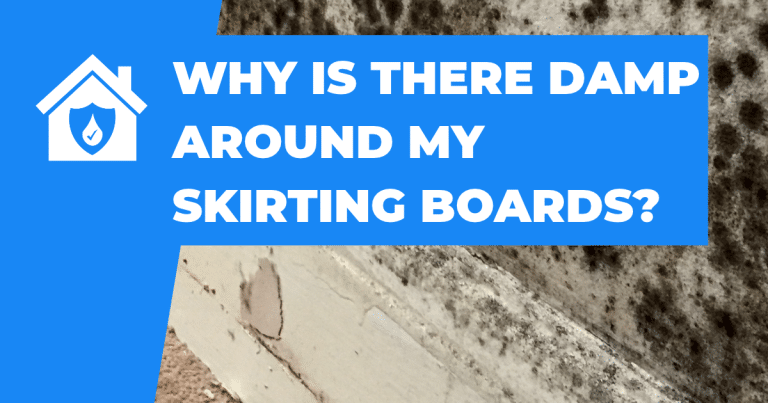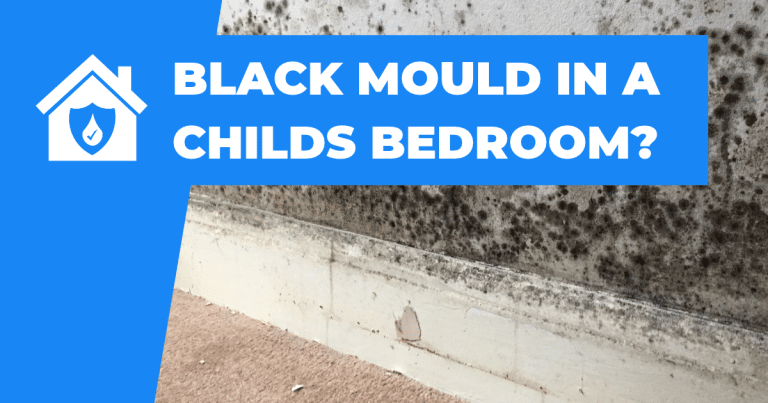

Yes. When damp starts in summer, you should pay closer attention than you would in January. Damp is generally a cold weather problem.
A patch appearing during warm, dry months is unusual, which helps narrow the diagnosis. Winter damp mainly comes from condensation, which largely depends on temperature and ventilation. Summer damp is less likely to be surface condensation.
Water may be coming from a leak, a building defect, ground moisture, or an unventilated space. In the last case, warm, humid air meets a genuinely cold surface. Summer also provides some of the best months for surveying and treating damp.
The reasons go beyond more pleasant weather. This guide explains how summer damp develops and which causes are more common in warm weather. It also shows what the timing reveals and why repairs can work better now.

Why Summer Damp Happens At All
Most people assume condensation stops when it warms up. It does not. It just moves.
Condensation forms when moist air meets a surface below its dew point. At this temperature, water vapour turns back into liquid. In winter that surface is a cold external wall.
Summer air can carry more moisture because warm air holds more water vapour. The cold surfaces have also moved to different parts of the building. Below ground rooms stay cool all year, often around 12 to 15 degrees.
Warm, humid air entering a cellar meets the cool walls and floor, then condenses. This is why cellars can feel damper in July than January. Opening them on a warm day may make the problem worse.
North facing and shaded rooms behave the same way on a smaller scale. A room with no direct sun can stay several degrees cooler than the rest of the house. When humid outdoor air enters, moisture may settle in that cooler room.
Thick solid masonry lags well behind the air temperature too. A solid wall that stayed cold all winter can take weeks to warm up. In early summer, it may remain below the dew point of humid indoor air. Spare rooms, garages, outbuildings, understairs cupboards, and holiday homes often stay cool and poorly ventilated. They can all show the same effect.
Summer Specific Causes to Check
These causes genuinely belong to the warmer months. Other guidance almost entirely ignores them.
Holiday voids
A house closed for several weeks in August can trap humid air. Closed windows and a lack of air movement make the problem worse. Moisture in the building has nowhere to go. People may return to mould in rooms that looked fine before they left. Ask a neighbour to open windows, or leave interior doors open and a dehumidifier running on a humidistat setting.
Garden watering and raised beds
In summer, people water borders, lay patios, build raised beds, and add gravel. These changes can raise the effective ground level. UK Building Regulations require the damp proof course to sit at least 150 mm above external ground level.
Soil, gravel, decking, or a new path above that line can bridge the barrier. Damp at the base of a wall after summer landscaping strongly suggests bridging. Check the external ground level first.
Other Summer Causes
Blocked gutters after a dry spell
Gutters can fill with dust, moss, and debris during dry weather. Nobody notices because little water runs through them. The first heavy downpour can overflow a gutter that worked well in spring. A short storm may then send substantial water down one section of wall. Where that keeps happening, redirecting the downpipe or guttering is sometimes the only permanent answer.
Air conditioning and heat pump condensate
Air conditioning cooling equipment produces condensate water. A blocked or poorly routed drain can release it in the wrong place. Portable units often sit against walls and may be emptied late. Check both the drain line and tray.
Summer storms and driving rain
UK summers can bring short, intense downpours that overwhelm rainwater systems designed for steadier rainfall. Driving rain can also enter cracked render, eroded pointing, and failed window seals.
Laundry indoors during a wet week
A wet summer week can force people to dry laundry indoors with the heating off. This creates a winter level moisture load without the usual heat to help disperse it.
What a Summer Appearance Tells You
This is the part worth taking away, and almost nobody says it. Ordinary surface condensation on external walls mainly occurs in cold weather. When damp persists through warm, dry weather, another cause becomes more likely.
Damp that persists through a dry summer suggests a continuing water source. Look for a plumbing leak, ground moisture, or a defect holding water in the building. Low level damp that survives summer points towards rising damp or a bridged damp proof course.
Ground moisture does not disappear in July. Damp appearing only after summer storms suggests penetrating damp through an external route. Intense rainfall may expose defects that steady winter rain does not.
Damp confined to a cellar, shaded room, or closed space may be summer condensation. Controlled ventilation and gentle warmth can help more than simply opening windows. One case deserves particular attention.
Damp that has not improved by August shows that the wall is not drying. The source may still be active, or the plaster may contain salts. Hygroscopic salts left by an old leak continue attracting moisture in every season. This explains why some walls remain damp even during a hot summer.
Winter, for most homes and most types of damp. Cold surfaces, closed windows, indoor moisture, and limited drying make condensation worse from roughly November to March. But worse and more informative are different things.
Winter damp is common and often environmental. Summer damp occurs less often and may indicate a building defect. It therefore deserves careful investigation.
One exception matters. In below ground spaces, the pattern reverses. Cellars and basements may become worse during warm, humid weather.
Why Summer Is the Best Time to Survey and Treat Damp
If you have a damp problem, deal with it between May and September. Diagnosis runs cleaner. With less surface condensation, a surveyor can see what remains.
Moisture that persists in warm, dry weather can reveal the cause more clearly. In February, several surfaces may already be wet. External repairs also become practical.
Roofing, pointing, rendering, gutter work, and lower ground levels all benefit from dry weather. Repointing can fail in freezing conditions. Walls actually dry, too.
A saturated solid wall may need weeks or months to dry. Warm conditions, low humidity, and steady airflow help the process. Structural drying can shorten it considerably.
Repair a wall in October and it will still be wet at Christmas. Repair it in June and you may be replastering by August. Chemical damp proof course treatment needs a similar window.
Contractors may replace contaminated plaster after injection, and the wall needs time before redecoration. Finishing by September gives the wall time to dry before the first cold snap. The repairs and plaster can be ready before winter.
What to Do If Damp Appears This Summer
Take dated photographs. Note whether the damp changes after rain or improves during a dry spell. That single record helps a surveyor more than anything else you can hand over.
Check the outside. Walk around the property and compare ground levels with the damp proof course. Check gutters, downpipes, wall stains, and recent garden changes.
Check for leaks. Look under sinks, behind appliances, around the boiler, and at radiator valves. Turn everything off and check whether the water meter still moves.
Run the foil test. Tape kitchen foil tightly over the damp area for three to five days. Moisture on the room side means condensation. Moisture on the wall side means water is crossing the wall.
Ventilate correctly rather than indiscriminately. Opening a cellar on a warm, humid day can bring in more moisture than it removes. Use a dehumidifier and ventilate when the outdoor air becomes cooler and drier.
And do not redecorate yet. Painting over a summer damp patch destroys the evidence and traps moisture. Establish the cause first.

Use the Summer Rather Than Waiting for October
The strongest reason to act now is timing. Book the survey while the weather works in your favour. A July diagnosis can be clearer than one made in February, and repairs benefit from dry conditions.
Summer damp itself makes the case. A patch that survives warm, dry weather may point to a structural cause. The same applies when winter damp has not improved by August.
Damp after landscaping, a new patio, path, or raised bed also provides a clue. So does a cellar that feels worse in July than January. Other signs include a defined wet patch, tide marks, blown plaster, and white salts.
Damp that worsens after summer storms also supports the case.
What a Summer Damp Survey Should Check
A summer survey should use the season to its advantage. Expect moisture readings at several heights and positions instead of one measurement.
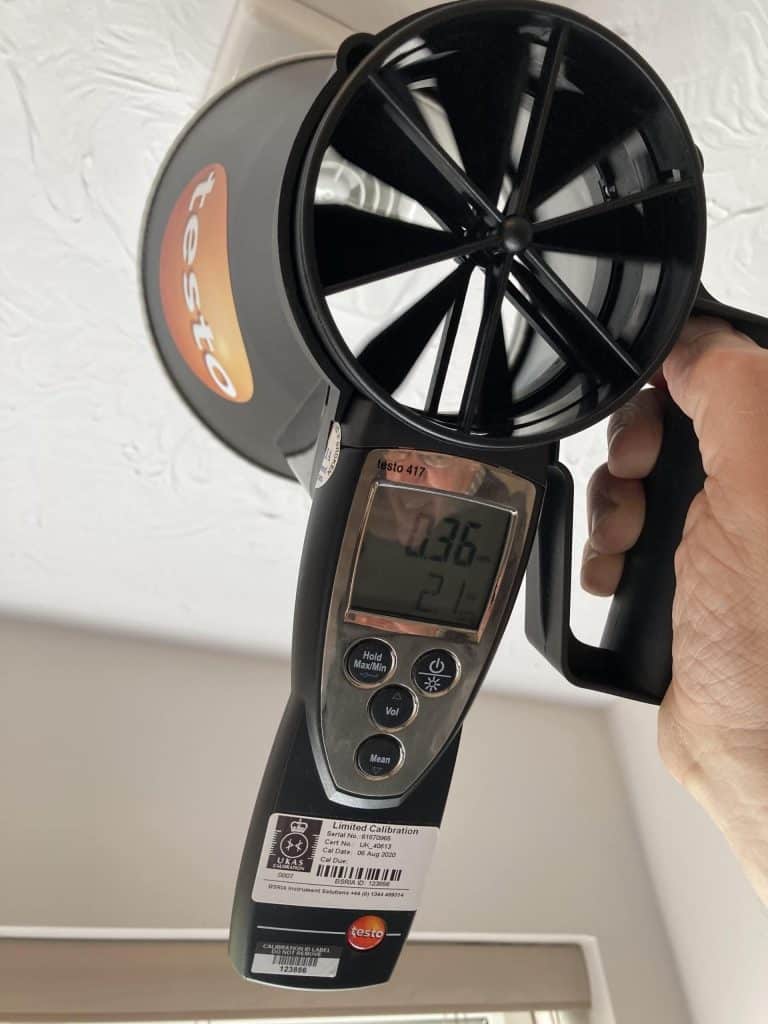
The surveyor should log temperature and humidity to assess warm weather condensation. External checks should cover ground levels, rainwater goods, and the damp proof course. Thermal imaging and salt testing can reveal hidden moisture and contaminated plaster.
The recommendation should use the drying season effectively. It should sequence external repairs, drying, and replastering before the cold returns. Nordic Damp Proofing works to British Standards, including BS 6576.
Its PCA trained and accredited surveyors (Biokil Crown, ISSE) covering South England and South Wales. Our Damp Surveys, Damp Proofing Services, and Rising Damp Treatment pages explain how we work. Quotes cost nothing, and 25 year guarantees cover qualifying work.
You can book a survey while the weather holds. Damp that survives a warm, dry summer will not fix itself in October. Treating it now can help you stop it returning.
We Find It, Treat It, and Stop It Coming Back. Get the damp diagnosed while the weather works in your favour. Give the wall time to dry before winter.