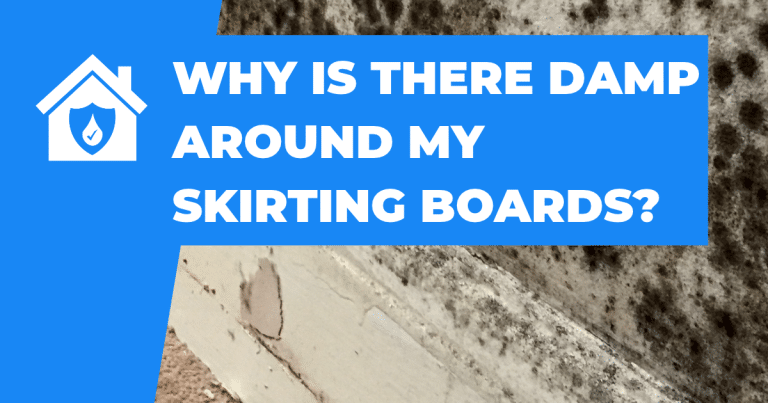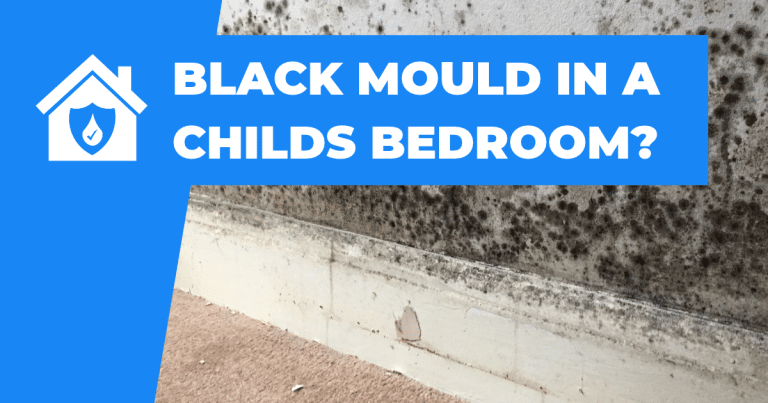

Every autumn, it starts. Black mould creeps into the corners of rooms, around the windows and behind the furniture, and by spring it fades away again. If your home only seems to grow mould in the colder months, you’re not imagining it. In almost every case, there is a simple reason for it which is condensation.
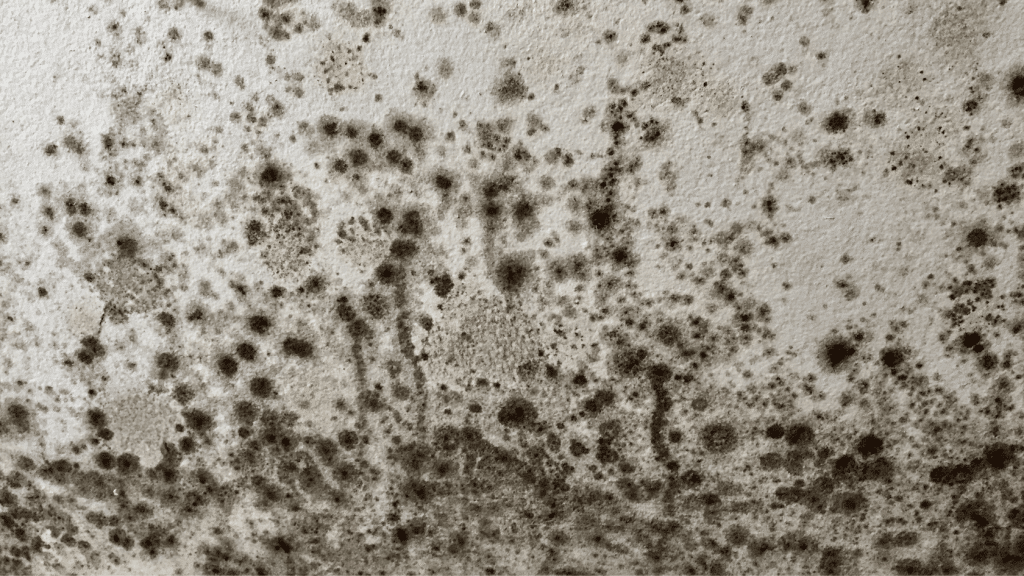
Here is why winter is the main mould season and what you can do to break the cycle.
It comes down to condensation
Condensation happens when warm, moist air meets a cold surface, causing the moisture to turn back into water. You can see it on a cold drink on a summer day, and you see it on your windows and walls in winter. Mould needs that moisture to grow, so wherever condensation settles regularly, mould tends to follow.
In summer, walls and windows are warmer and windows are often open, allowing moisture in the air to disperse before it can condense. In winter, several things change at once, and they all work in favor of mould.
Why winter tips the balance
Your walls and windows get cold. When outside temperatures drop, surfaces on external walls, especially in corners and behind furniture, become cold enough for moist indoor air to condense on them.
The house gets shut up. Windows stay closed to keep the heat in, doors stay shut, and the everyday moisture from cooking, showering, drying clothes, and even breathing has nowhere to escape. Indoor humidity rises.
The heating goes on and off. Rooms warm up and cool down throughout the day. Each time the air cools, it can hold less moisture, so the excess lands on the coldest surfaces. Put all of that together, and you get damp walls in winter that were perfectly dry in July.
Where does it usually show up
Winter condensation mould has its favourite spots such as cold external walls and the corners where two of them meet, around window frames and on the glass, behind wardrobes, sofas and beds pushed against outside walls where air cannot circulate, in unheated or little-used rooms like spare bedrooms, and in naturally damp rooms like bathrooms and kitchens.
If your mould appears in these places and eases off in summer, condensation is almost certainly the cause.

How to keep winter mould away
The goal is to reduce the moisture in the air and stop surfaces from getting too cold.
Ventilate as you go by using extractor fans, opening windows briefly each day even when it is cold, and covering pans while cooking.
Try not to dry laundry indoors, or if you must, do it in one room with the door closed and a window slightly open. Leave gaps behind large furniture on external walls so air can move. Maintain a low, steady background heat rather than big swings, which helps keep surfaces above the temperature at which condensation forms. A dehumidifier can help in a room that stays damp.
If opening windows in January feels like wasting money, there are gentler options.
Trickle vents in window frames, humidity-controlled extractor fans, and whole-house systems such as positive input ventilation are all designed to keep fresh air moving and humidity down without making you cold.
It’s not because your home is dirty
It is important to state clearly that winter mould is not a sign of a dirty house. It is a sign of too much moisture meeting cold surfaces, and it happens in spotless homes all the time.
Modern life makes it worse because we seal up draughts for warmth and efficiency. This is great for heating bills but it means the moisture we create every day has fewer ways out. Addressing it as a moisture and temperature issue, rather than a cleaning one, is the key to actually solving it.
If it keeps coming back
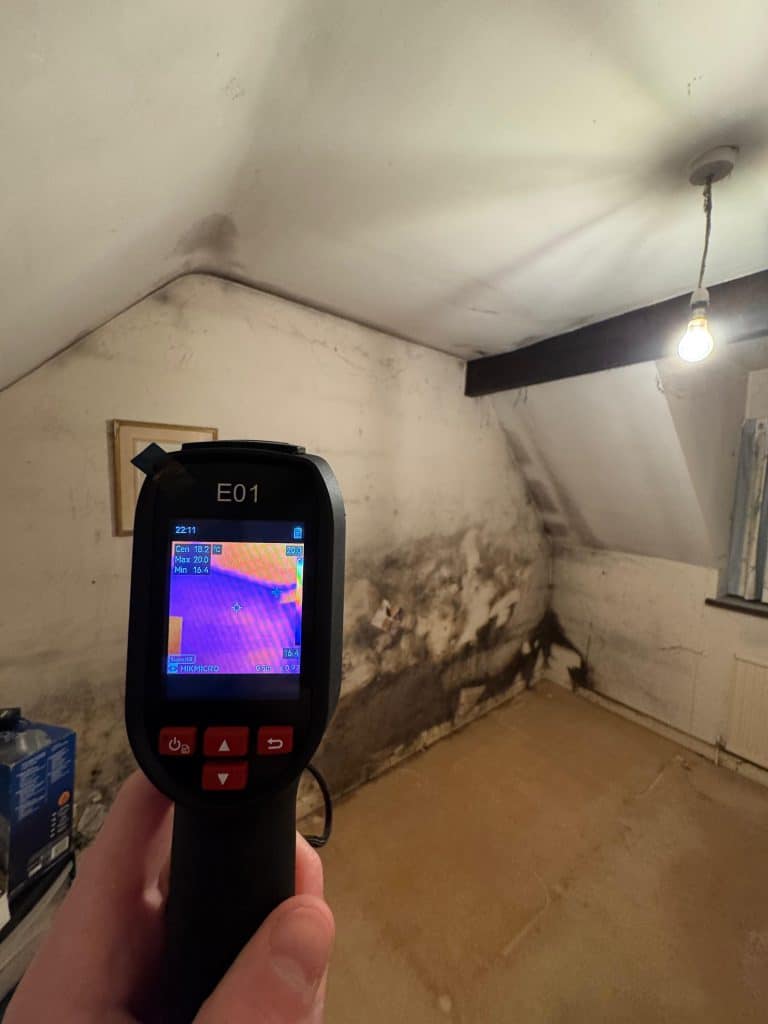
Most winter mould can be controlled with better ventilation, a steady background heat, and keeping furniture off cold walls. But if you are doing all that and it still returns every year, your home may need proper ventilation or have a hidden damp problem keeping humidity high.
A survey will find the cold spots and moisture sources so you can deal with the root cause rather than scrubbing the same corners each spring.
We cover Dorset, Hampshire and the South Coast of england if you’d like us to take a look.