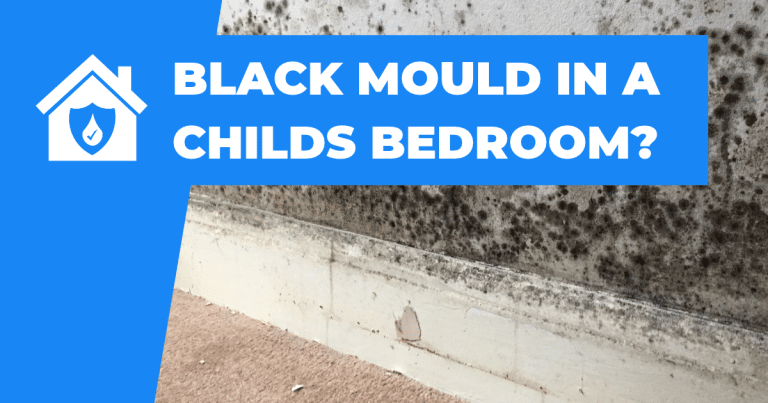
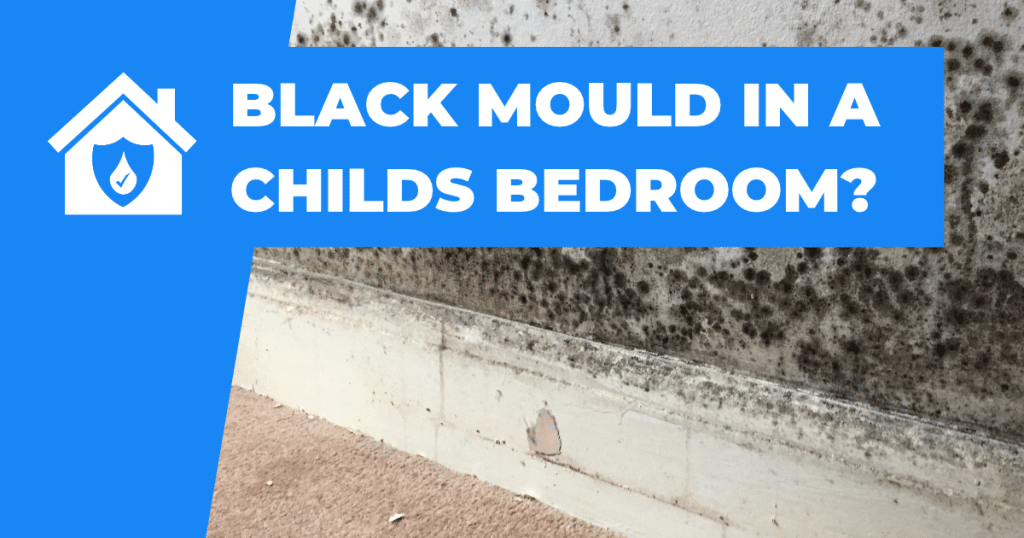
Finding black mould in your child’s bedroom is unsettling.
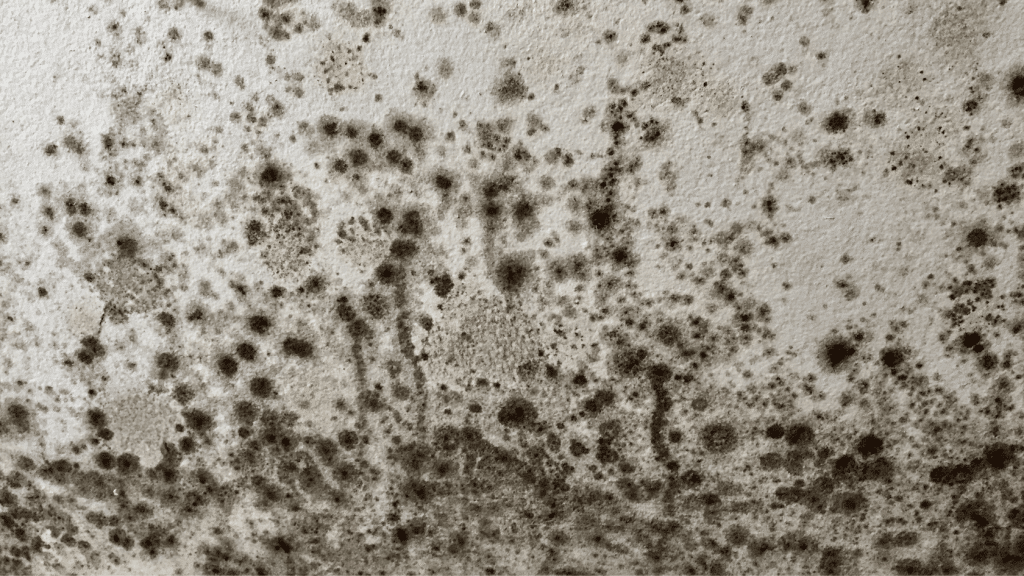
It tends to appear in the corners, behind the bed or wardrobe, or around the window, and no matter how often you wipe it away, it comes back. The good news is that it is a common problem with clear causes.
The important part is not to ignore it, because mould in a room where a child sleeps is worth dealing with properly.
Here is why children’s bedrooms are so prone to mould, and what to do about it.
Why bedrooms are mould hotspots
Bedrooms tick almost every box mould looks for.
We spend hours in them each night breathing out moisture, the door stays closed, and they are often heated less than the living areas.
Beds and wardrobes get pushed hard against external walls, cutting off the airflow that would otherwise keep those surfaces dry.
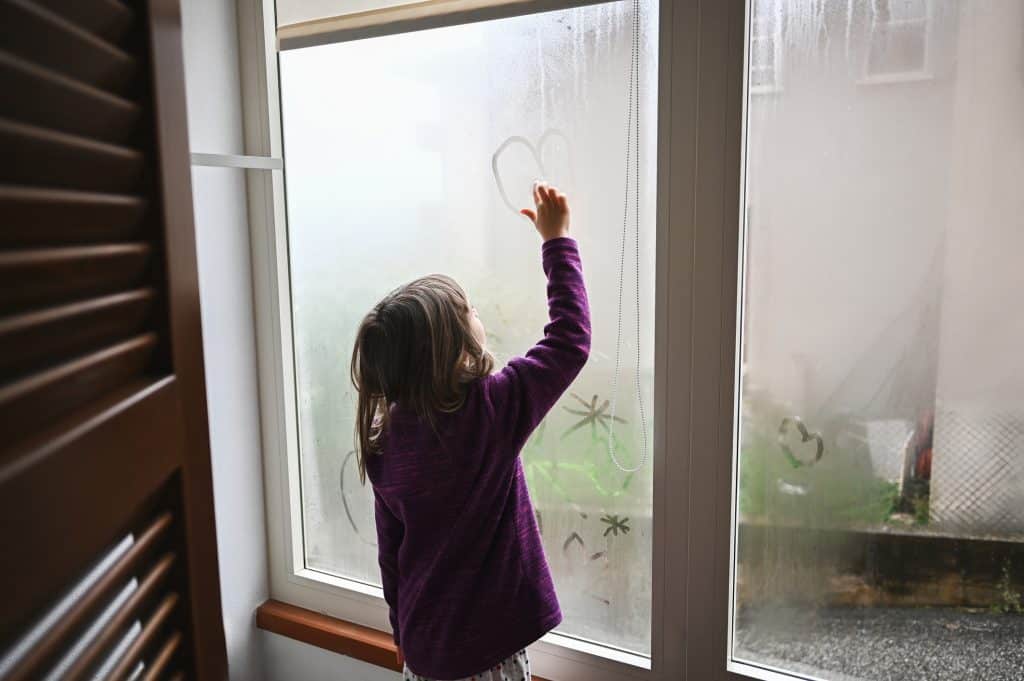
Add cold outside walls in winter, and the moist nighttime air condenses in exactly the spots you later find mould.
Why children’s rooms especially
Children’s rooms often get the worst of it, for a few reasons.
They are sometimes the smaller bedrooms, on the cooler side of the house, or above an unheated space like a garage or porch, all of which keep the walls colder.
Toys, furniture, and storage tend to be packed against the walls, trapping air.
Parents may also keep the heating lower in a child’s room overnight, or keep the door shut for quiet, both of which can cause moisture build-up while surfaces stay cold. It is rarely about cleanliness, and much more about temperature and airflow.

The health side, and why it matters
Black mould is not just unpleasant to look at.
Its spores can irritate the airways and trigger or worsen allergies and asthma.
Children can be more sensitive to it than adults. This is not a reason to panic, but it is a reason to take action.
If you rent your home, report damp and mould to your landlord in writing and keep a record. Under Awaab’s Law, social landlords in England now have to investigate and address these issues within set times, and protections for private renters are also improving.
This is not a reflection on you
Plenty of parents feel guilty when they discover mould in their child’s room, as if they have done something wrong. Usually, they have not.
Mould in a bedroom arises from temperature, moisture, and airflow, not from how clean or careful you are. A warm child in a cool, closed room on a cold night creates ideal conditions for condensation, and that is true in both new and old homes.
What you can do now
Start by safely removing the visible mould. Use a suitable mould cleaner rather than dry brushing it, which just releases spores into the air, and wear gloves while cleaning.
Next, address the conditions that caused it. Move the bed and furniture a few inches from outside walls and allow air to circulate behind them.
Keep the room ventilated by opening a window for a while each day and using any available extractor or trickle vents. Aim to maintain gentle background warmth rather than letting the room get too cold, and avoid drying laundry in there. A dehumidifier can also help if the room remains damp.
If the room struggles to stay dry, then consider long-term ventilation options. Trickle vents in the windows, a humidity-controlled extractor, or a positive input ventilation unit can help maintain fresh airflow and reduce humidity without making the room cold, which is often what finally interrupts the cycle.
When to get help
If the mould keeps returning despite your efforts or it covers a large area, there may be more serious issues at play.
In that case, a damp survey can pinpoint whether weak ventilation, poor insulation or a cold bridge is contributing to the problem, and what will effectively keep the room dry and healthy in the long term. If you would like us to take a look, we cover Dorset, Hampshire, and the South Coast.
Regardless of the situation, the most important thing is not to leave it unresolved.