
Your survey has come back and there is damp in it. Possibly a great deal of damp, written in careful language that seems designed to protect the surveyor rather than to reassure you, and ending with a recommendation that you obtain a report from a suitably qualified specialist before proceeding.
It is an unsettling document to read the week before exchange. Before you assume the worst, it helps to understand what that report is and is not telling you, because damp appears on a large share of homebuyer surveys carried out on older UK housing stock. Some of those findings are serious. Many are not. The report on your kitchen table cannot tell you which yours is, and it was never designed to.
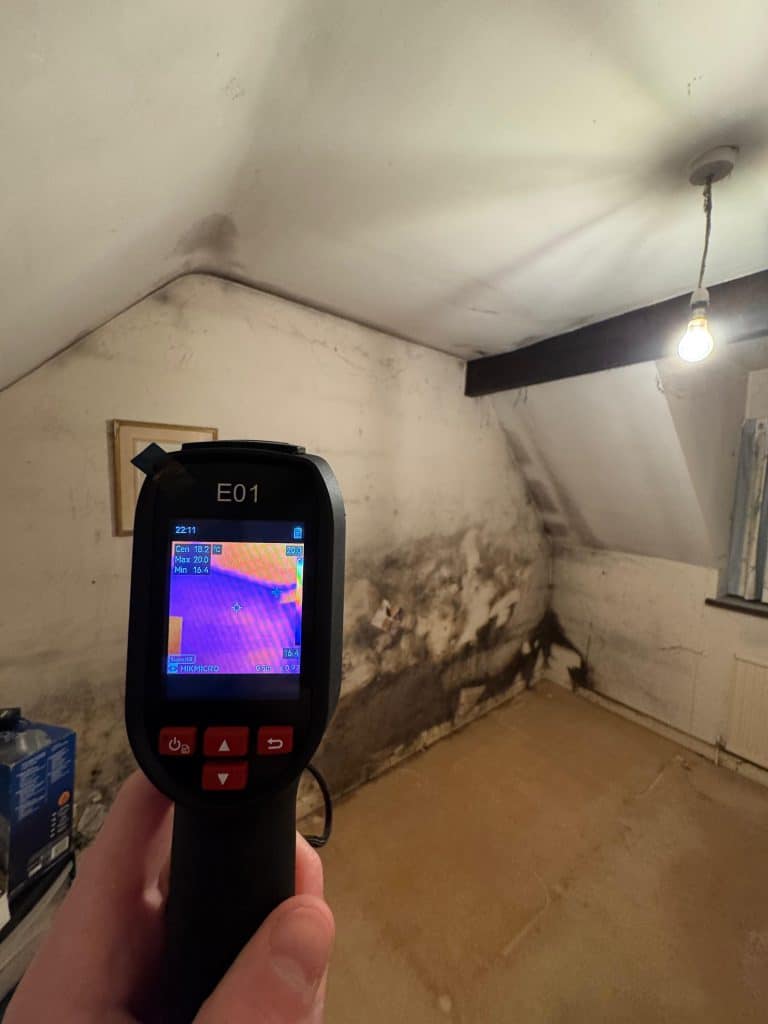
What is a damp survey?
The document you have is not a damp survey. A RICS Level 2 Homebuyer Report or Level 3 Building Survey is a general condition assessment carried out by a generalist across the whole property in a single visit.
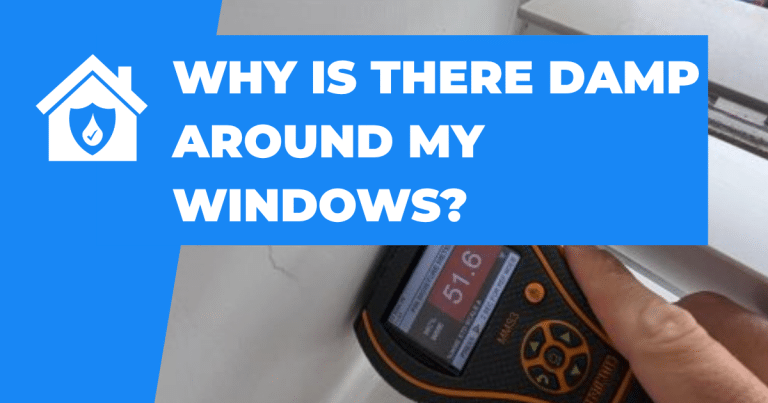
The surveyor walks the house, looks at what is visible and accessible, and runs a hand-held moisture meter over walls in the places damp usually appears. They do not lift floorboards, remove skirting boards, open up walls or take readings at depth, and they do not carry the equipment a damp specialist would bring.
So when your report says that elevated moisture readings were recorded to the base of the wall in the rear reception room, you are reading a factual observation with a recommendation attached. It is not a diagnosis, and the surveyor is not claiming it is one. They are telling you that the meter reacted and that establishing why falls to somebody else.
A specialist damp survey is the thing they are pointing you towards, and it works differently. It looks at one issue in depth rather than the whole property in summary, it uses moisture readings taken at depth alongside thermal imaging and humidity measurement, and it produces a written cause and a specification for putting it right.
Read the condition ratings while you are there, because they carry more information than the narrative. A rating three means the defect is serious or needs attention urgently. A rating two means it needs attention but is not urgent. Plenty of buyers panic over a rating two.
How bad is the damp problem?
Surveys flag damp for two reasons, and neither is really about your house.
The first is the equipment
Hand-held meters of the type surveyors carry are electrical resistance meters, which pass a small current between two pins and measure how well the material conducts. Anything conductive raises the reading. Hygroscopic salts left in old plaster by a leak that was repaired fifteen years ago will read high on a wall that is now perfectly dry. So will foil-backed wallpaper, metal fixings and certain paints. A high reading means something in that wall is conducting electricity, and moisture is one of several possible explanations.
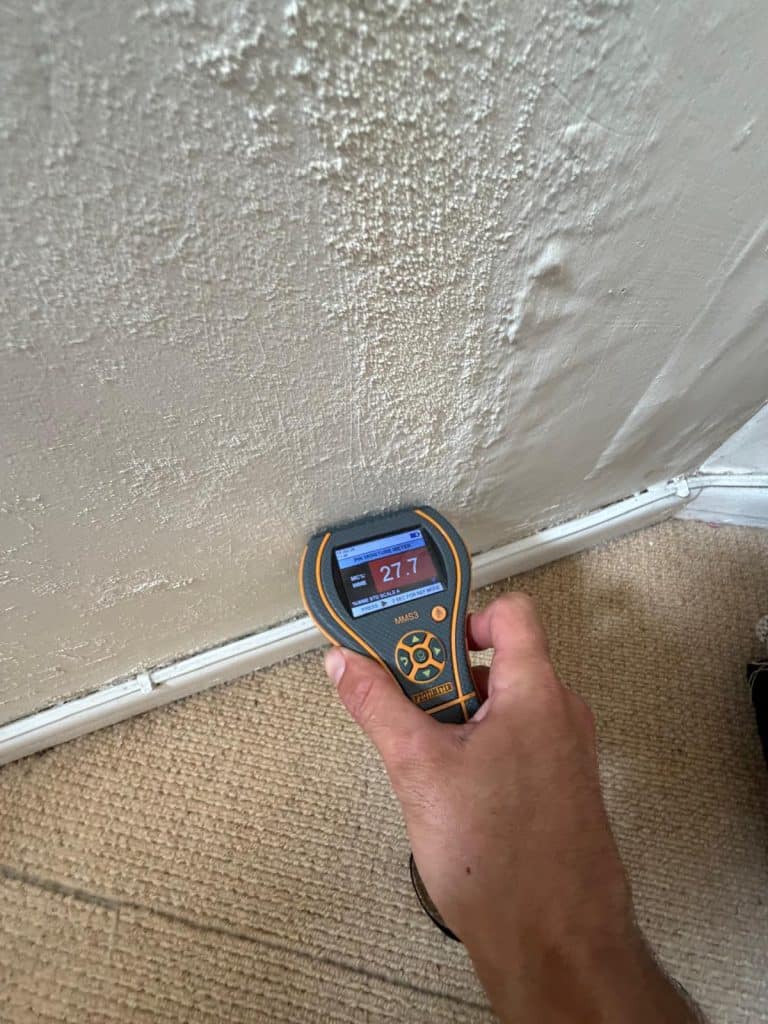
The second is liability
A surveyor who fails to mention a damp patch that later turns out to matter carries professional risk. A surveyor who mentions it and recommends further investigation does not. Cautious wording is entirely rational behaviour on their part, and it means the mere presence of a damp comment is weaker evidence than most buyers take it to be.
None of that means ignore it. It means find out what it is before you decide how worried to be.
As a rough guide to where your finding might sit, isolated black mould in a bathroom or bedroom corner, condensation on windows, a musty smell in a property that has stood empty, or a single elevated reading with no visible damage all sit at the lower end. Tide marks and salt staining along ground floor walls, plaster that sounds hollow, damp that worsens after rain, staining on a chimney breast and soft skirting boards all warrant proper investigation. Damp combined with timber decay or woodworm, damp in a cellar or basement, and damp associated with a suspected roof or structural defect belong in the take-seriously category.
Dealing with the problems
If your report names a type of damp, that narrows things considerably, because the three behave differently and cost very different amounts to resolve.
Rising damp
Groundwater moving upwards through the wall structure where the damp proof course has failed, been bridged or was never installed. It is confined to ground floor walls, generally stays within a metre of floor level, and often shows a horizontal tide mark with salt deposits gathered along the top edge.
Treatment usually means installing a new chemical damp-proof course and then replastering the affected walls with a suitable salt-retardant system. Buyers tend to focus on the injection, but the replastering and redecoration is frequently the larger part of both the bill and the disruption, and the walls need time to dry afterwards.
Worth knowing: rising damp is diagnosed considerably more often than it actually occurs. Before accepting the label, ask what else was ruled out.
Penetrating damp
Water entering through a defect in the building fabric – penetrating damp. A gutter that overflows every time it rains, cracked render, perished pointing, a slipped tile, or window sealant that failed years ago.
The cost varies enormously here, because the damp itself is only a symptom and the price is set by whatever has failed above it. Renewing a bead of sealant is trivial. Re-roofing is not. This is the category where getting a proper diagnosis changes your negotiating position most, since the difference between the two ends of that range is substantial.
Mould and condensation
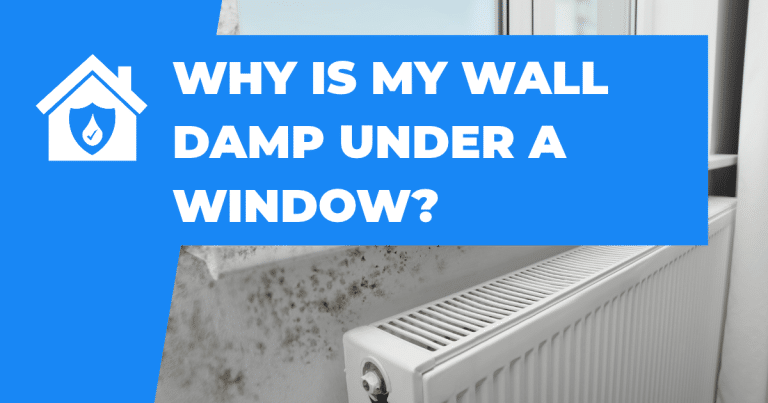
Warm, moist air condensing on cold surfaces, showing as black spotted growth in corners, around window reveals and behind furniture placed against external walls.
This is usually the cheapest of the three to resolve and frequently needs no building work at all, just improved ventilation and a change in how the property is heated and used. Where it persists, mechanical ventilation deals with it permanently. As a buyer, this is the finding you want, and it is the one most likely to reflect how the current occupants have been living rather than any defect in the house.
Finding the cause
Whatever the report says, the cause is the thing that matters, because the cause sets both the cost and whether the repair will actually work.
A specialist survey should involve moisture readings taken at depth within the wall rather than at the surface, thermal imaging to reveal cold spots and moisture behind finishes without opening anything up, relative humidity and dew point measurement to establish whether condensation is realistic in that room, an external inspection covering gutters, ground levels, render and pointing, and timber or subfloor checks where access allows.
You should expect it to take an hour or two for a typical house and longer for something larger or more complicated, with a written report following within a few working days.
There is one warning worth taking seriously here. A great many damp proofing companies offer a £99 survey, and while some are entirely honest, the arrangement has a structural problem. The person diagnosing your damp is employed by the company that will quote for the treatment, and their time is only paid for if they sell you something. That produces predictable results, and it is the main reason chemical damp proof courses get specified for walls whose actual problem is a blocked air brick or a leaking downpipe.
If you want an unbiased answer, pay for an independent survey from someone whose fee does not depend on the recommendation. If you do take a survey, take two from different firms and compare them. Where they disagree on the cause, at least one is wrong, and you have learned something useful about both.
Who pays for a damp survey?
Usually the buyer, since you commissioned the original survey and you are the one who needs the information in order to decide whether to proceed and at what price.
It is always worth asking the seller, though, particularly where a previous sale has already fallen through over the same issue. A seller who has been through this before is often keen to obtain a definitive report they can show to the next buyer if you walk away, which makes contributing a sensible investment on their part.
How to interpret the results
Read the specialist report for three things.
The cause, stated plainly. A report that describes symptoms without committing to a cause has not done its job, and you should go back and ask for one.
The specification, meaning what work is proposed, to which walls, and in what sequence. This is what you will use to obtain comparable quotes and what you will put in front of the seller.
The context, meaning how the finding sits against the property as a whole. A single wall in an otherwise sound house reads very differently to damp across three elevations of a property that also needs a roof.
Then get a second quotation for the specified work. Not a second opinion on the cause, which you have already paid for, but a second price for doing the job. It keeps everyone honest and gives you a realistic figure.
Use it to your advantage
A survey finding is a negotiating position, and how you use it decides whether it achieves anything.
Vague concerns invite vague responses. Telling an estate agent that the survey mentioned damp will get you a shrug. Presenting a written specification for a new damp proof course to two walls plus replastering, with a figure attached and a report naming the cause, is something the seller and their agent have to answer.
From there you have four realistic asks. A price reduction covering all or part of the cost. The seller completing the work before exchange, using their own contractor but with a transferable guarantee. A retention held by the solicitors until the work is done. Or withdrawing, which remains a legitimate option and is worth remembering when a seller refuses to move at all.
Be realistic about your leverage. In a competitive area with other buyers waiting, a seller may simply decline. Where the property has been on the market for months, you have considerably more room.
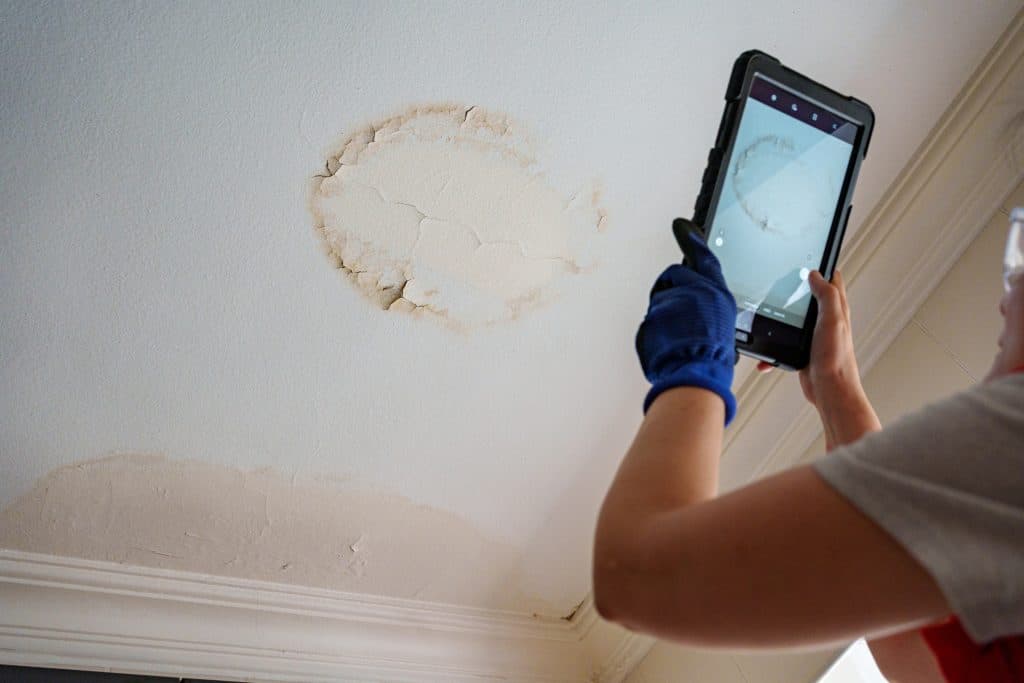
What to do after your damp survey?
Read the report carefully and focus on the cause of the damp, not just the fact that moisture has been found. Establish whether you are dealing with condensation, penetrating damp, rising damp or another defect, then look at the recommended work and likely cost.
Use that information to decide your next step. You may negotiate a price reduction, ask the seller to complete the work before exchange, agree on a contribution towards repairs, or proceed if the issue is minor and manageable. If the damp is extensive or linked to timber or structural problems, walking away may still be the right option.
Nordic Damp Proofing provides independent damp and mould surveys using thermal imaging and full diagnostic equipment across Dorset, Hampshire, Wiltshire, Somerset and surrounding areas across the South Coast and South Wales. If your homebuyer survey has flagged damp, book a survey and get a clear diagnosis before you commit.