You paid for damp treatment, the wall looked fine for a while, and now the patch is creeping back in. Few things in owning a home can be more frustrating. Sometimes the original diagnosis was wrong, sometimes the wall simply was not given time to dry, and often it comes down to small habits and maintenance jobs that were overlooked after the work was done. The good news is that in almost all cases, returning damp can be prevented.
Make sure the cause was treated, not the symptom
Damp is a symptom, and the most common reason it returns is that the underlying issue was never dealt with. An injected damp-proof course will not fix a leaking gutter. A mould wash will not fix poor ventilation. If the original work was carried out without a proper damp survey, it is worth asking whether the diagnosis was accurate in the first place. Our guide on how to do damp proofing explains why treatment should always start with finding the cause, not choosing a product.
Give the walls time to dry properly
Walls hold a huge amount of water, and drying takes months rather than days. A useful rule of thumb is around one month of drying for every 25 millimetres of wall thickness, so a solid brick wall can easily take the best part of a year to fully dry. Redecorating too soon, especially with vinyl paint or wallpaper, traps that moisture in and the staining comes straight back.
Breathable finishes matter too. Where plaster is contaminated with hygroscopic salts, it needs to be replaced with the correct specification, or the salts will keep drawing moisture from the air and the patch will reappear no matter how dry the wall becomes. Good re-plastering is as important to a longer-lasting result as the damp treatment itself.
Keep the outside of the house in order
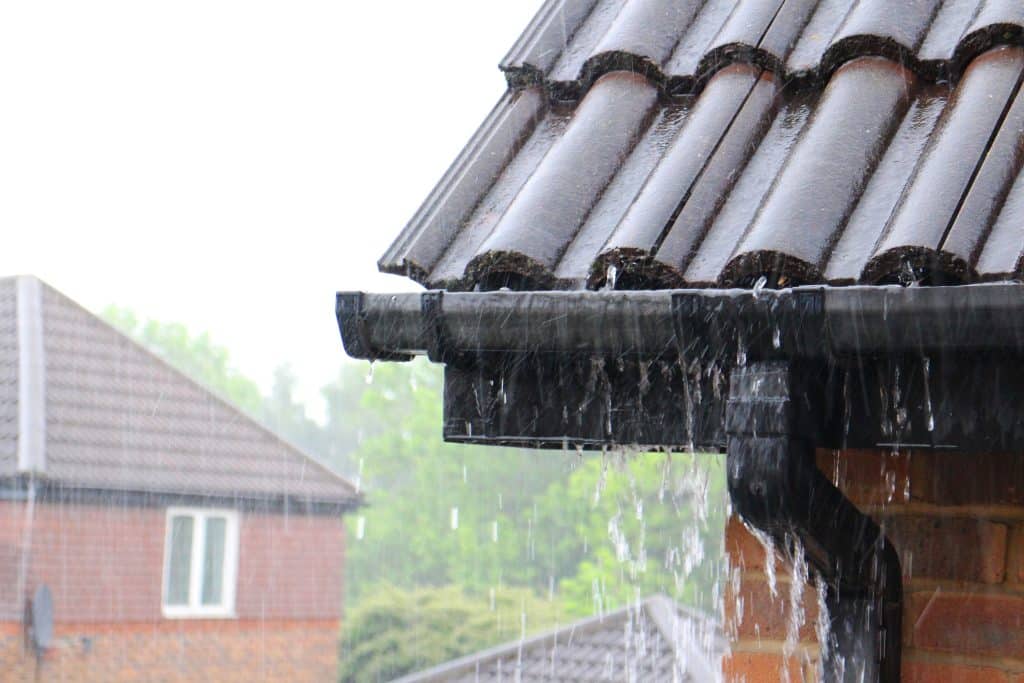
Most damp starts outside, so outside is where we should start the preventive actions. Clear gutters and downpipes at least twice a year, and check them during heavy rain, because an overflowing gutter quietly soaking one section of wall is one of the most common causes of penetrating damp we see. Keep an eye on pointing, render and sealant around windows, and repair cracks before winter rather than after. Ten minutes with a ladder and a hosepipe in autumn can save you a four-figure repair bill come spring.
Ground levels matter just as much. Soil, paving or raised beds built up against a wall can bridge the damp-proof course and feed moisture straight into the masonry. Keep external ground at least 150 millimetres below the DPC, and where splashback or poor drainage is a problem, a French drain can help keep the base of your walls dry.
Manage moisture inside the home
Even a perfectly treated wall can suffer if indoor air remains humid. Run extractor fans during and after cooking and showering, dry clothes outside or in one ventilated room, and keep a steady low heat in colder months so surfaces never get cold enough for condensation to settle. Leave small gaps behind wardrobes and sofas on external walls. If certain rooms always feel muggy, perhaps upgraded ventilation will do far more than any amount of wiping down.

Watch for the early warning signs
Dampness does not usually return overnight. It gives you hints first: a faint shadow on newly decorated plaster, paint that feels cool and slightly tacky, a musty smell in one corner, or a fleck of mould reappearing on sealant. Check previously treated areas every couple of months, especially through autumn and winter, and take a photo if anything looks different. Catching a problem at the shadow stage is far cheaper than catching it at the bubbling plaster stage, and it gives whoever carried out the original work the best chance of putting things right as soon as possible.
Use your guarantee
Reputable companies stand behind their remedial work.
At Nordic Damp Proofing, we offer guarantees of up to 25 years on suitable treatments, and any established firm should offer something similar. Keep your survey report, quotation and guarantee paperwork together, and if a treated area shows signs of damp again, contact the installer before paying anyone else to investigate. If the treatment has genuinely failed, putting it right shouldn’t cost you twice.
If it keeps coming back anyway
Sometimes damp returns because a second, separate issue was hiding behind the first. A wall can suffer penetrating damp and condensation at the same time, and fixing only one reveals the other. If you’ve followed all of the above and a patch still won’t go away and stay away for good, the answer is a fresh set of eyes and a new diagnosis, rather than another tin of stain block or another guess.
We carry out surveys and honest second opinions across Dorset, Hampshire and the South Coast. If your damp has come back after treatment, book a survey and we will find out why.