Nordic Damp Proofing recently completed a combination of internal damp proofing and external drainage improvements at a property in Bath, Somerset. The project involved treating an affected internal wall, installing a chemical damp-proof course (DPC), fitting a damp-proof membrane and improving drainage along approximately 11 linear metres of the building’s external wall.
By addressing both the affected internal masonry and the external ground conditions, the work was designed to provide long-term protection against moisture-related deterioration.
The Problem: Damp-Affected Internal Walls and External Ground Levels
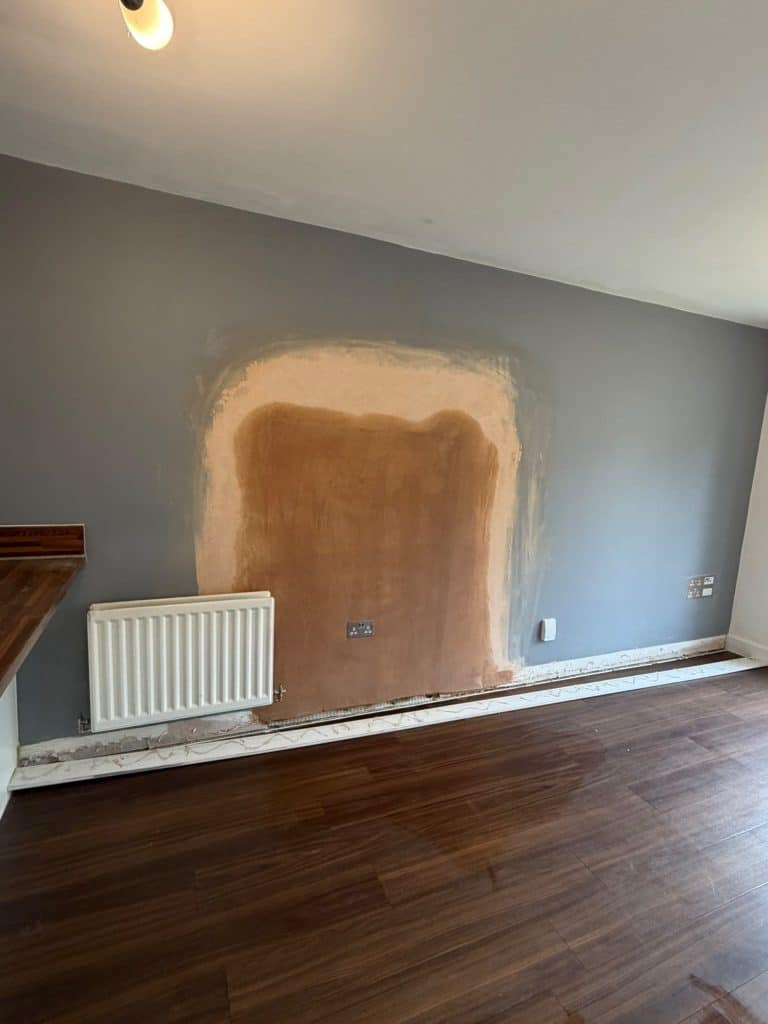
The property required remedial work to an internal wall where plaster had become affected by damp and potentially contaminated with salts.
When moisture travels through masonry, it can carry soluble salts into the plaster. These salts can contribute to staining, deterioration and recurring problems with internal finishes, even after the original source of moisture has been addressed.
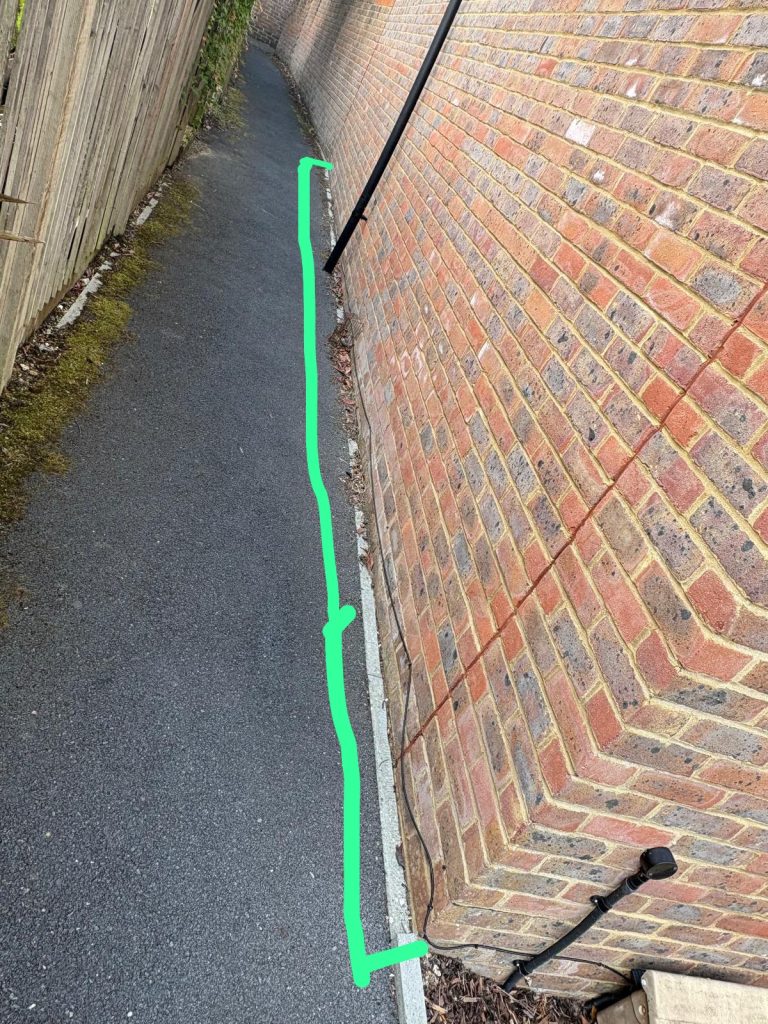
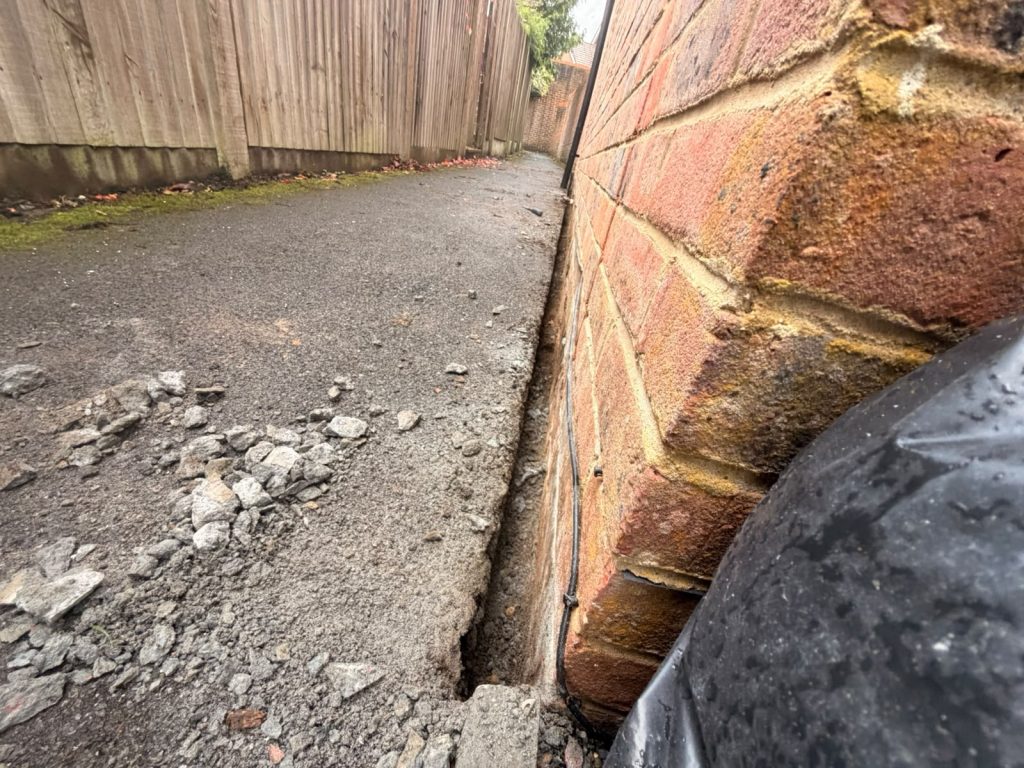
Externally, the paved pathway ran close to the base of the brickwork, leaving limited clearance around the damp-proof course. Managing moisture at this junction was an important part of the proposed remedial works.
The project therefore required a combination of internal damp proofing and external drainage improvements rather than simply replastering the affected wall.
Internal Rising Damp Treatment
Removing Damp and Salt-Contaminated Plaster
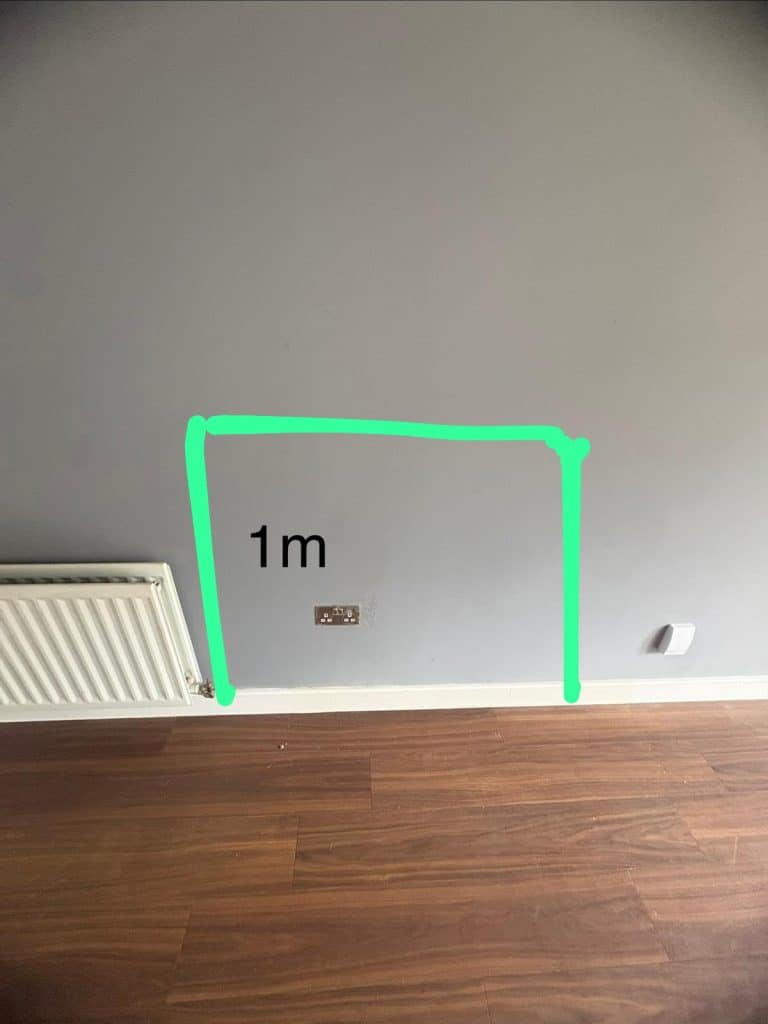
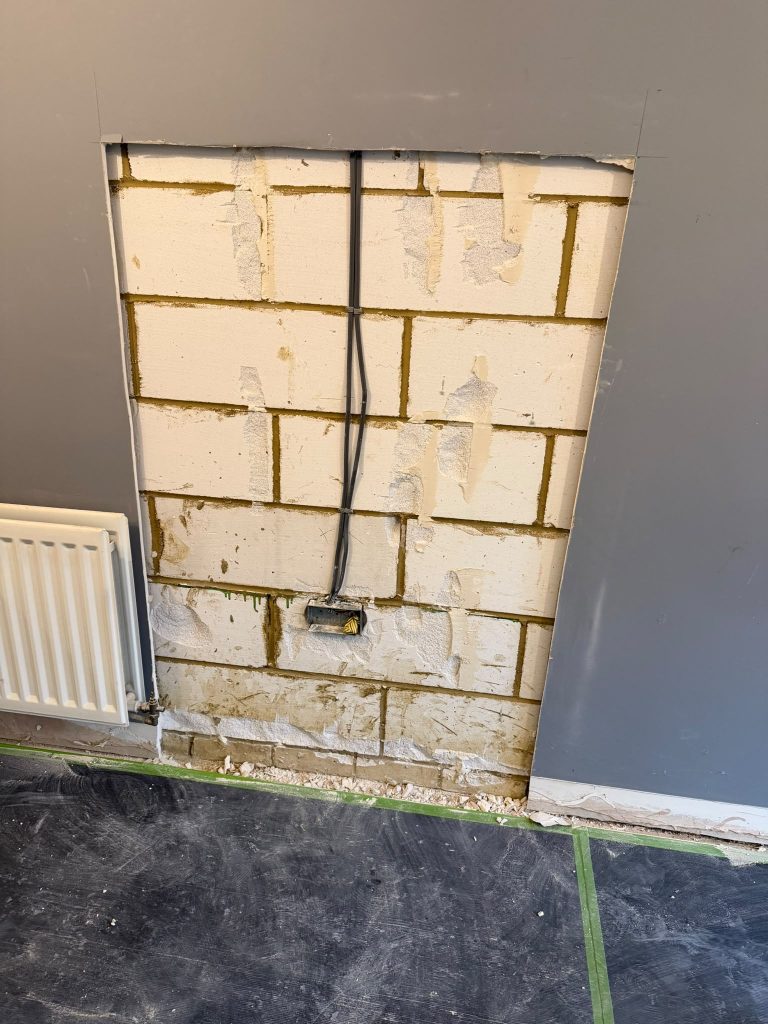
The first stage involved removing deteriorated plaster from approximately one linear metre of the affected internal wall.
Removing the existing plaster exposed the underlying masonry and allowed the damp-proofing system to be installed directly to the affected area.
This preparation was particularly important because potentially salt-contaminated plaster can continue to cause problems with decoration and surface finishes.
Chemical Damp-Proof Course Installation
Once the masonry was accessible, a chemical damp-proof course was installed within the affected wall.
A chemical damp-proof course is designed to create a moisture-resistant barrier within suitable masonry, helping to restrict moisture rising through the wall by capillary action.
The treatment provided additional protection to the affected section of wall as part of the wider damp-proofing specification.
Installing a Damp-Proof Membrane
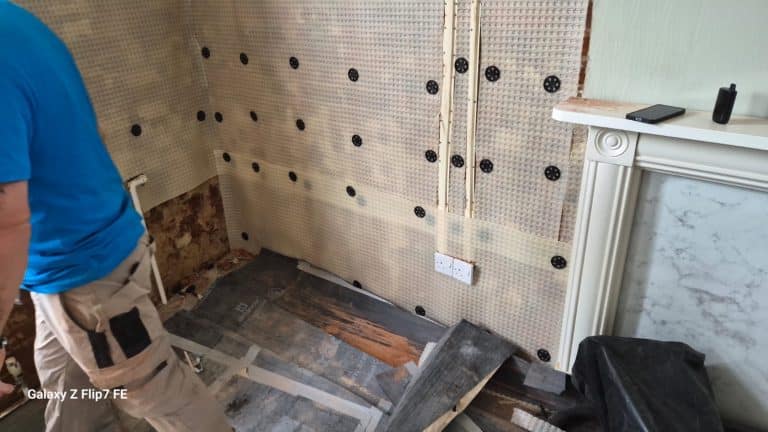
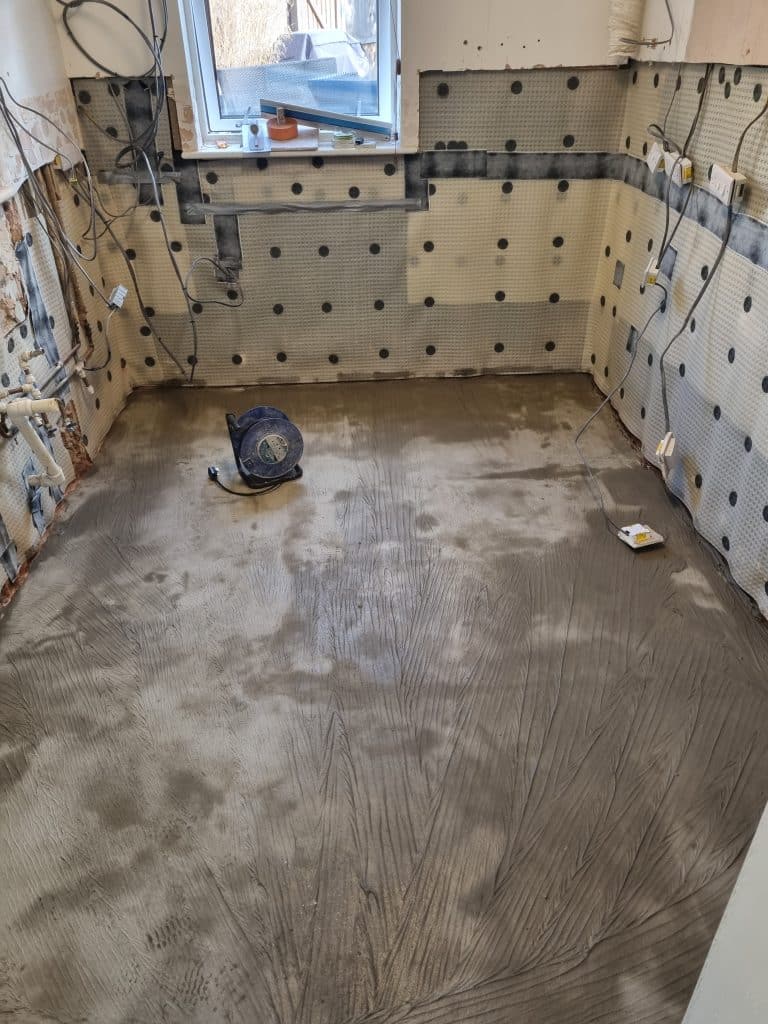
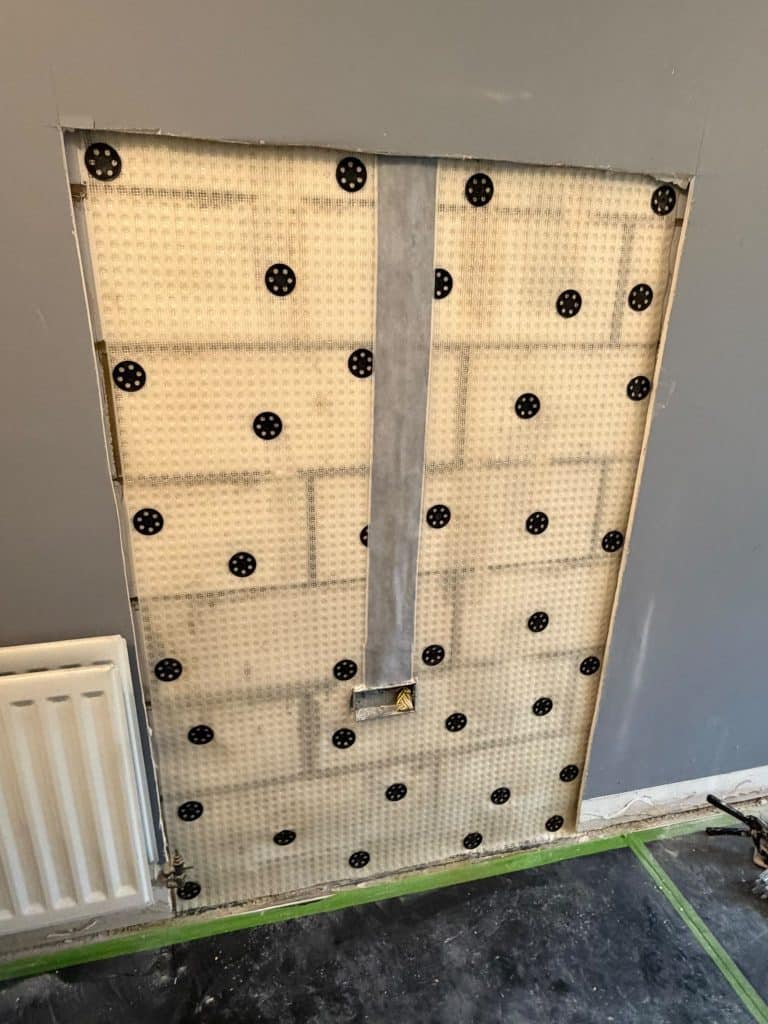
Following the DPC installation, a specialist damp-proof membrane was fitted over the exposed masonry.
The membrane helps separate the new internal plaster finish from residual moisture and salt contamination within the original wall.
This provides an additional protective layer and helps reduce the risk of salts and moisture affecting the newly finished surface.
Replastering the Treated Wall
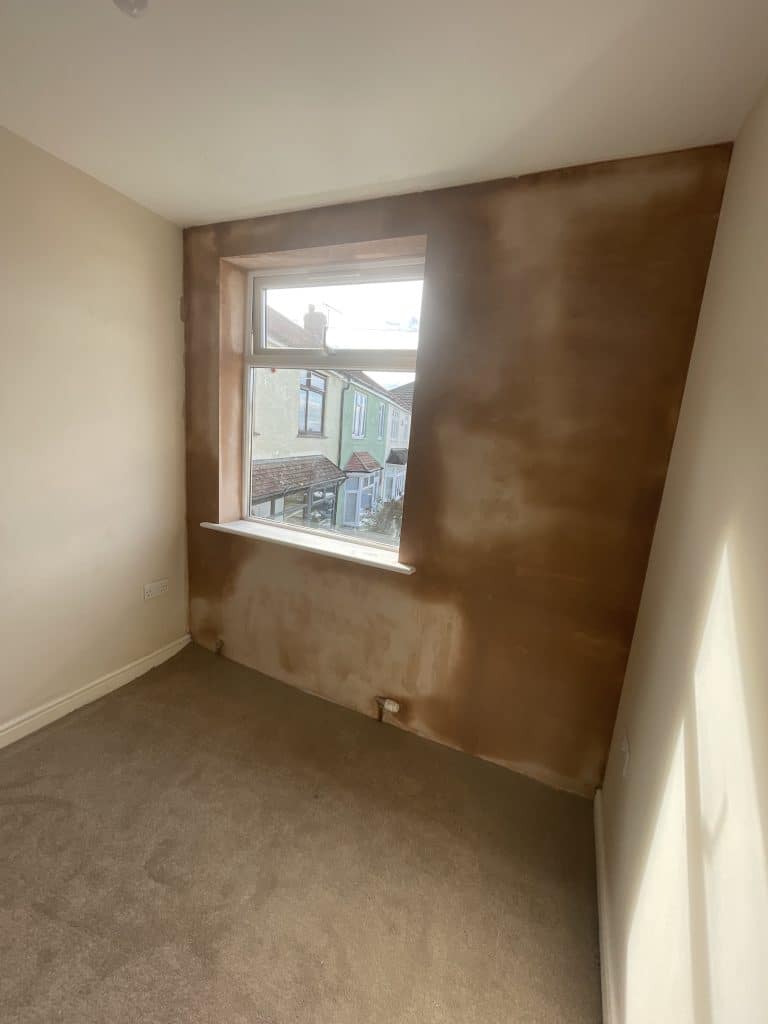
With the damp-proofing system installed, the treated section was replastered to reinstate the internal wall.
The new plaster finish created a smooth surface ready for subsequent drying and decoration, completing the internal remedial works.
External Perimeter Drainage Installation – 11 Linear Metres
Alongside the internal treatment, Nordic Damp Proofing carried out external ground-level improvements to the affected elevation.
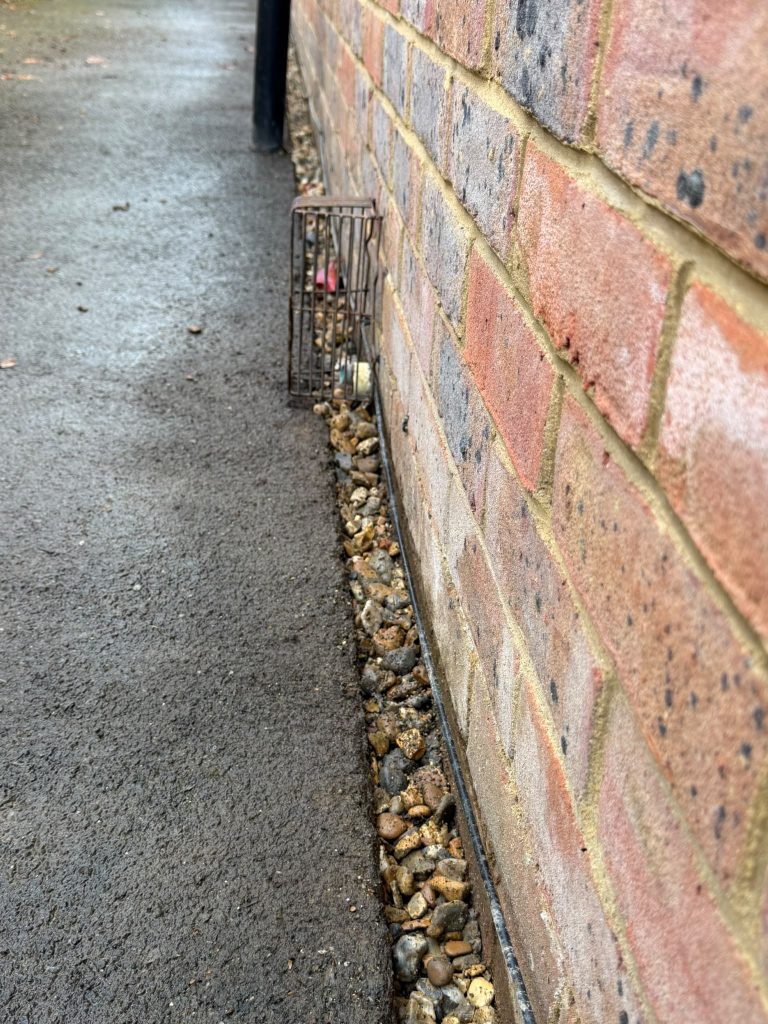
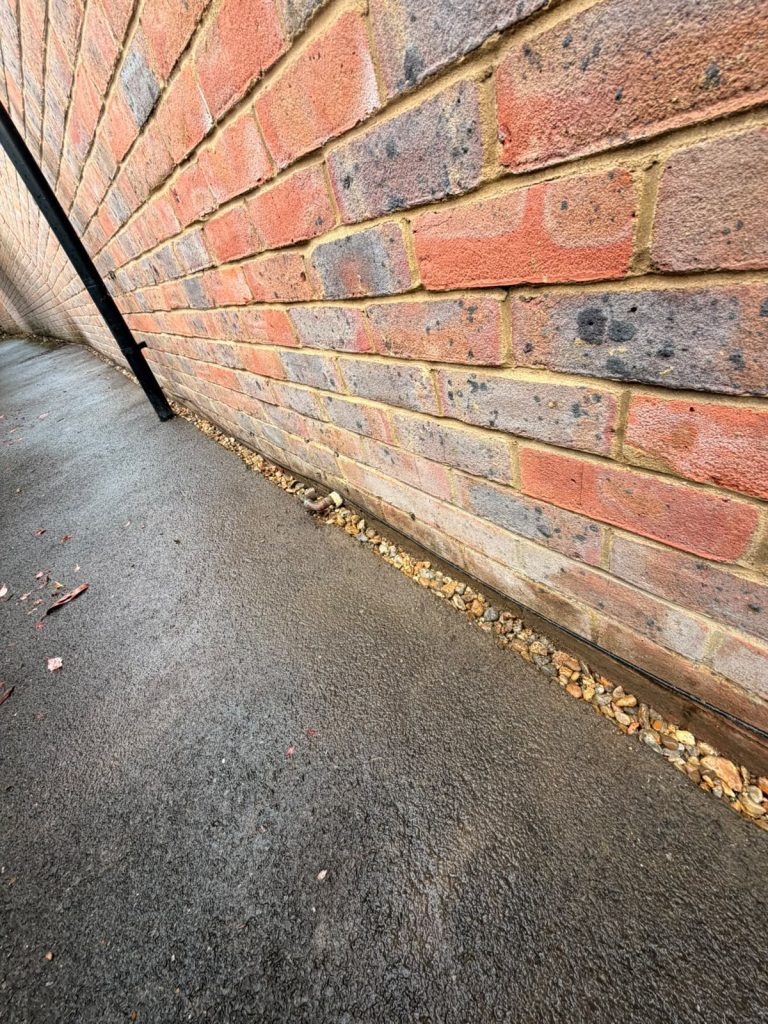
Approximately 11 linear metres of perimeter drainage was installed alongside the building, creating a drainage strip between the external wall and the adjacent paved surface.
The purpose of this work was to improve clearance around the damp-proof course and assist with the management of surface water close to the building.
Why Is External Ground Clearance Important?
Where external paving or ground levels are too close to a property’s damp-proof course, moisture can potentially bypass the intended protective barrier.
Rainwater collecting against the base of an external wall can also contribute to damp conditions, particularly where drainage is limited.
Introducing a perimeter drainage strip can help improve conditions around the base of the wall by providing separation from the surrounding hardstanding and assisting with surface water management.
For this Bath property, the new drainage section extended along approximately 11 metres of the affected elevation.
Removal of Redundant Air Bricks
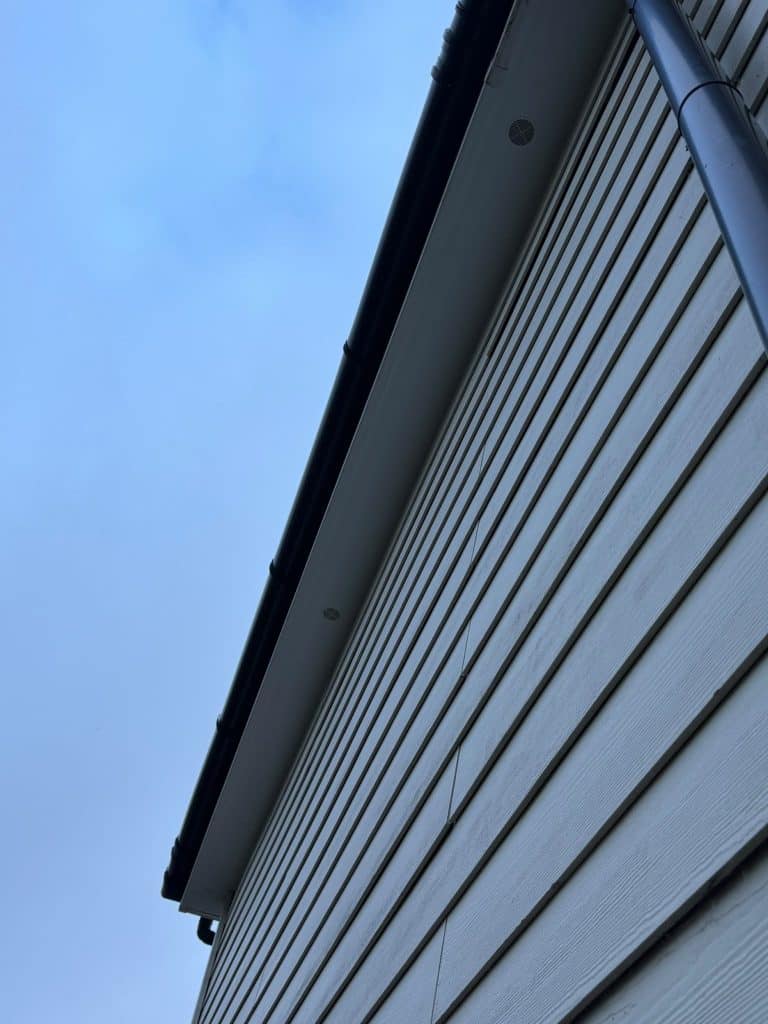
The external works also included removing redundant low-level air bricks from the front elevation.
Following removal, the openings were made good to match the surrounding masonry as closely as reasonably practicable.
Removing unnecessary openings formed part of the wider external remedial works, helping to reinstate the affected sections of brickwork.
Combining Internal Damp Proofing with External Drainage Improvements
An important aspect of this project was the combination of internal and external treatments.
While the chemical damp-proof course and membrane provided protection to the affected internal wall, the external drainage works were intended to improve moisture management around the building.
This approach addressed several contributing factors rather than focusing exclusively on the visible damage to the plaster.
Damp Proofing Specialists in Bath
Nordic Damp Proofing provides professional damp proofing services throughout Bath, Somerset and the surrounding areas.
Whether you’re experiencing rising damp, deteriorating plaster, penetrating damp or moisture problems associated with external ground levels, our experienced team can investigate the issue and recommend appropriate remedial solutions.
We offer specialist damp surveys, tailored treatment recommendations and professional installations, with 25-year guarantees available on qualifying works.
If you’ve noticed damp patches, damaged plaster, peeling paint or persistent moisture problems in your property, contact Nordic Damp Proofing to arrange a professional assessment.