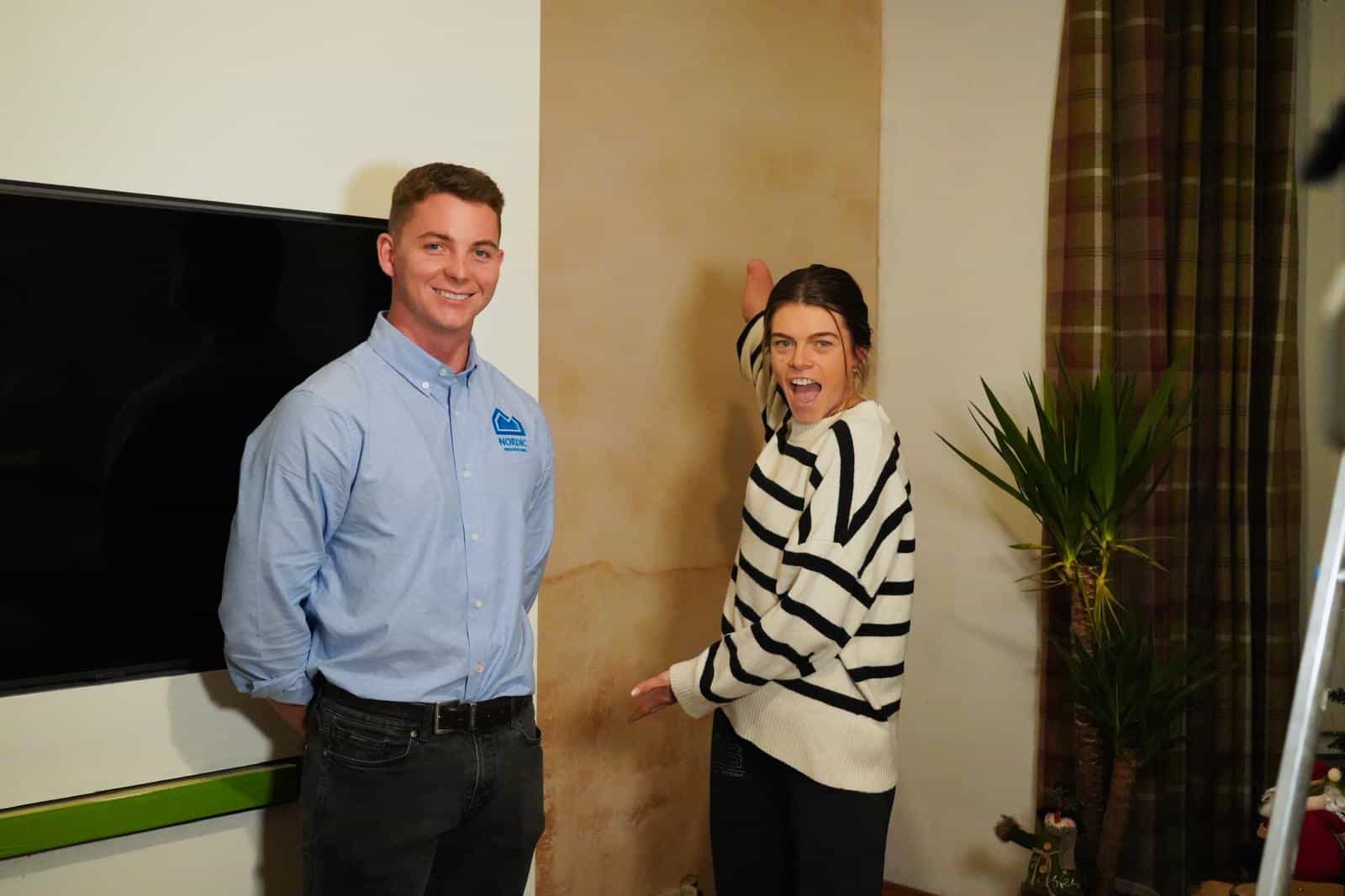
Damp Proofing Monmouth

Checkatrade
Checkatrade
9.6
verified by Trustindex
Trustindex verifies that the company has a review score above 4.5, based on reviews collected on Checkatrade over the past 12 months, qualifying it to receive the Top Rated Certificate.
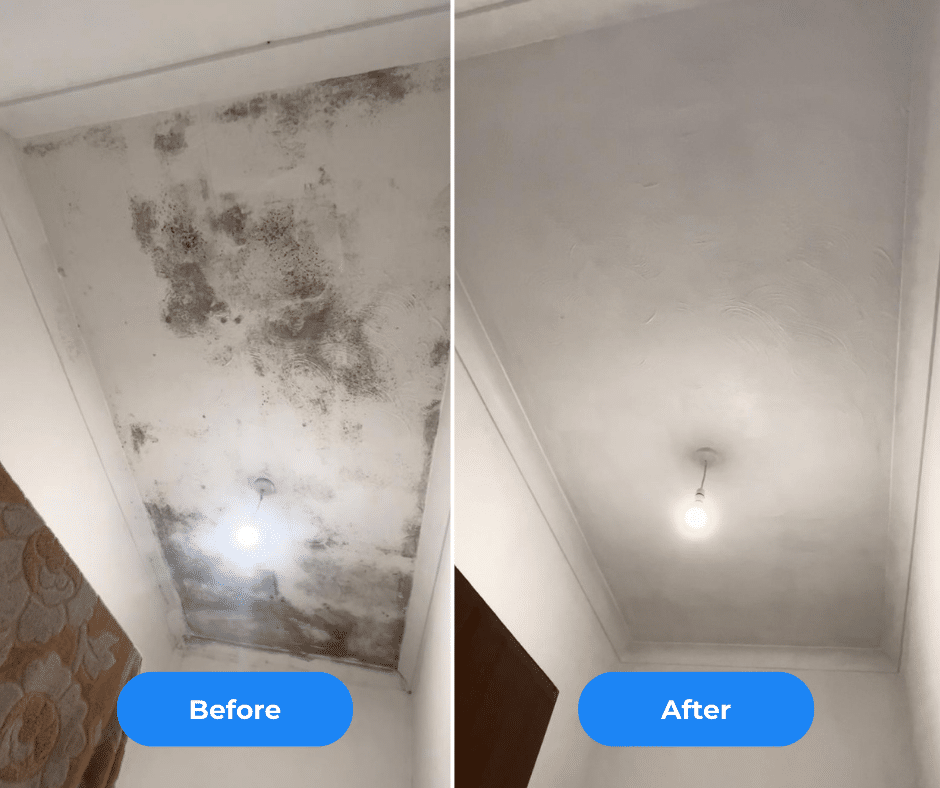
Before and After Damp of a house
"A very professional company. Damp has fully gone, and it was a miracle. I tried so many times before with other contractors with no luck"

Get Your Damp Proof Survey & Quote

Damp Surveys, Damp Removal, Mould Treatment & Timber Preservation in Monmouth

Nordic Damp Proofing provides professional damp surveys, damp proofing services, mould treatment, timber preservation, waterproofing and property restoration services across Monmouth and the surrounding South Wales and Wye Valley area.

From older town houses and stone cottages to rural properties, converted buildings, rental homes, commercial premises and properties around Wyesham, Osbaston, Rockfield, Dixton, Mitchel Troy and Raglan, our team can inspect the issue, identify the source of moisture and recommend the right long-term solution.

Damp Surveys in Monmouth

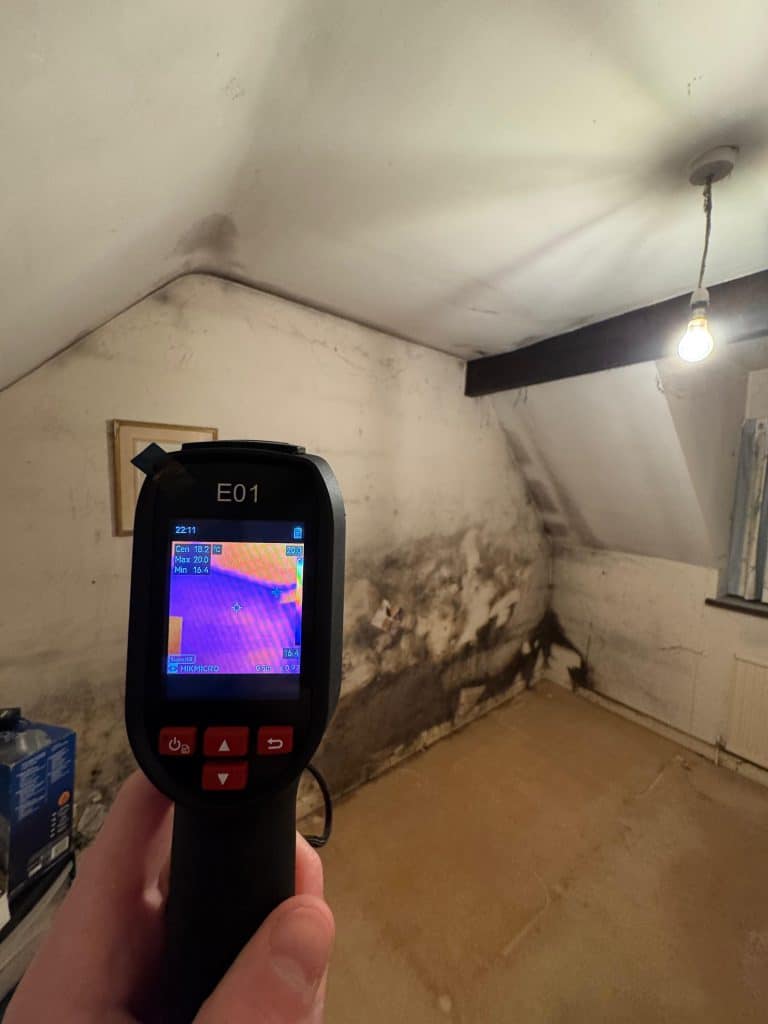
A hand holds a thermal imaging camera pointing at a mouldy, damp wall in a loft room with a single exposed light bulb and visible water damage and mould on the walls.

A damp survey helps identify the cause of damp before any repair work is recommended.

Monmouth properties can be affected by a wide range of moisture issues. A damp patch might be caused by a failed damp-proof course, but it could also be linked to water entering through external walls, leaking rainwater goods, poor drainage, roof defects, condensation, cold bridging or timber moisture.

Our surveyors look beyond the surface marks. We check the internal symptoms, external walls, ventilation, ground levels, rainfall exposure and any signs of timber decay. This helps make sure the recommended treatment is based on the source of the problem.

Where the cause is not obvious, we may recommend our survey and diagnostic services for a more detailed investigation.

Areas and Postcodes We Cover Around Monmouth

Three white Nordic Damp Proofing cars with blue branding are parked outside an industrial building on a sunny day, showcasing the reliable presence of Nordic Damp Proofing. A tree and more vehicles can be seen in the background.

We provide damp surveys and treatment services throughout Monmouth and nearby South Wales and Wye Valley areas, including Monmouth, Wyesham, Osbaston, Rockfield, Dixton, Mayhill, Overmonnow, Mitchel Troy, Wonastow, Trellech, Llandogo, Tintern, Raglan, Usk, Abergavenny, Chepstow, Ross-on-Wye, Newport and surrounding areas.

Postcodes covered include NP25, NP15, NP16, NP7, NP18, NP20, HR9 and nearby South Wales and border postcode areas.

We also cover the wider South Wales damp proofing area, including nearby Chepstow, Usk, Abergavenny, Newport and Cardiff damp proofing.

Damp Issues We Find in Monmouth Properties

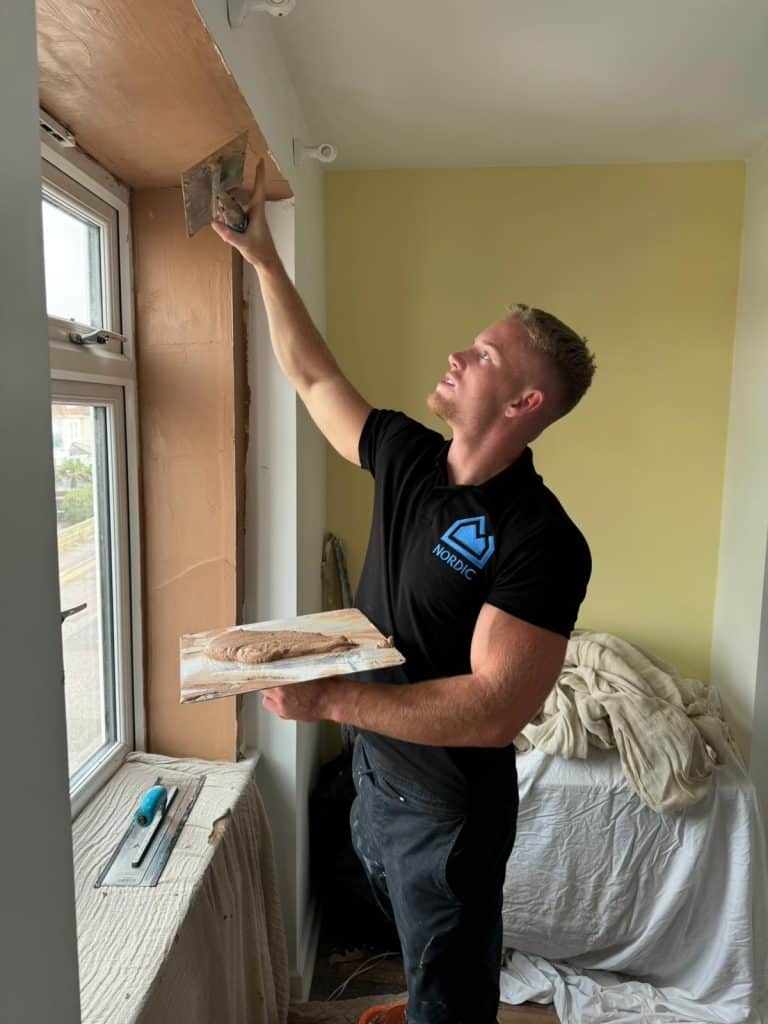
A man in a black shirt demonstrates how our damp proofing process works, plastering a wall near a window with a tool above his head and holding a board with plaster; a covered piece of furniture sits in the background.

Monmouth has a varied mix of buildings, including older town centre properties, riverside homes, rural cottages, stone houses, converted barns, modern developments and commercial buildings.

Because of this, damp can appear in different ways from one property to the next. Some buildings may suffer from trapped moisture in older walls, while others may have condensation, leaking gutters, failed pointing, timber decay, rising damp or water ingress after heavy rain.

Local Monmouth Damp Proofing Specialists

Why Choose Nordic Damp Proofing in Monmouth?

Monmouth Homes, Wye Valley Weather and Rural Damp Problems

Properties in and around Monmouth can be exposed to moisture in different ways depending on their position, age and construction. Homes near the River Wye, sloping ground, shaded rural lanes or exposed elevations may experience higher external moisture levels, especially where drainage or external maintenance is poor.

Older cottages, stone-built homes and period properties may have solid walls, ageing mortar, older timber and traditional materials that need a careful approach. In some cases, modern repairs such as dense renders, unsuitable plaster or sealed finishes can prevent moisture from escaping properly.

Our team assesses the building as a whole rather than treating one visible damp patch in isolation. This helps identify whether the problem is caused by condensation, external water ingress, rising damp, high ground levels, defective rainwater goods or trapped moisture within the structure.

You may find our guide on how moisture moves through period properties useful. Where required, we can also advise on restoration and prevention work.

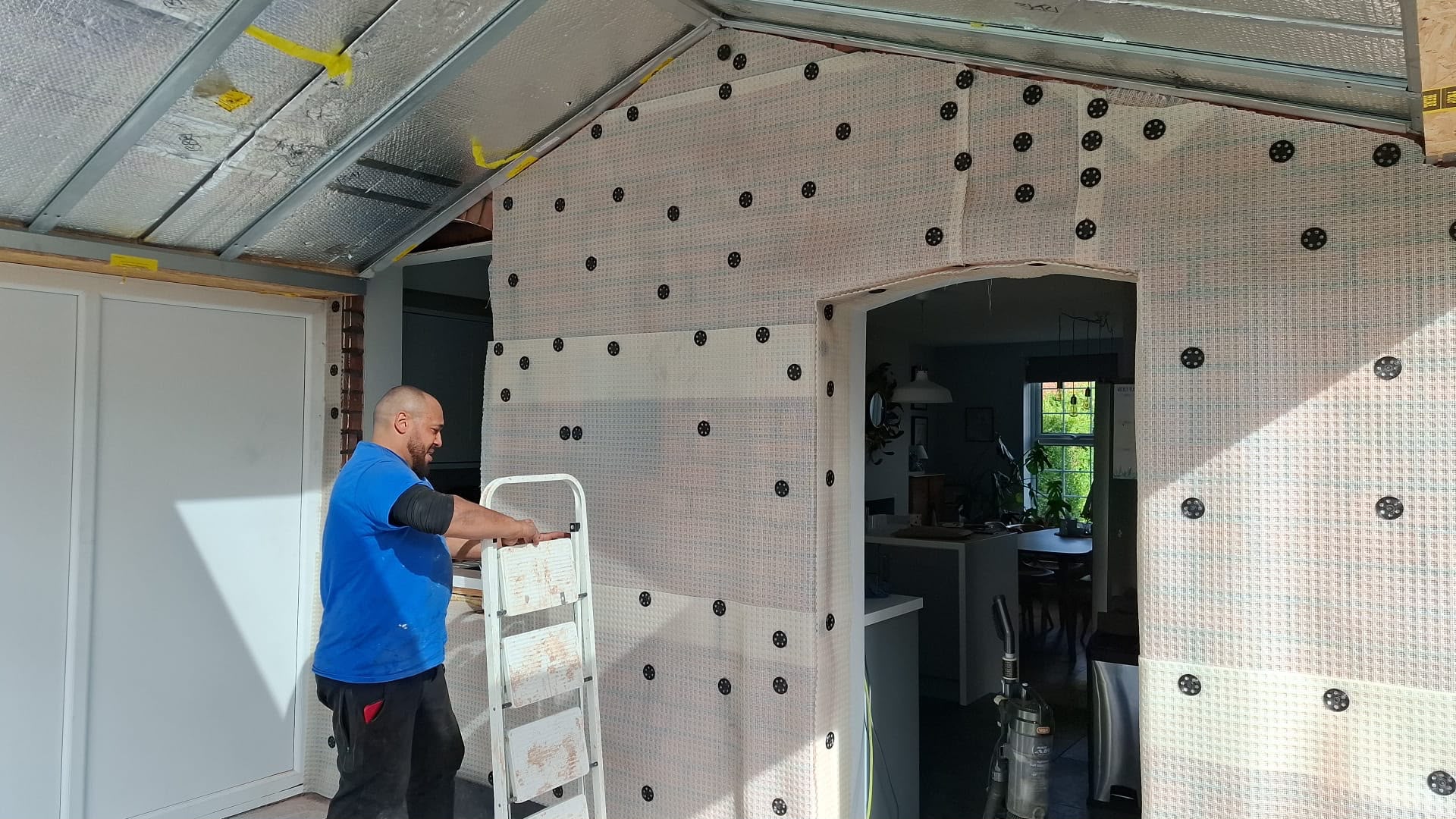
A person in a blue shirt stands on a small stepladder, working on Conservatory Damp Treatment & DPC Installation in Warminster; insulation covers the walls and ceiling as sunlight streams through an unfinished roof.
A close-up of a cracked, off-white concrete wall with visible dark lines, stains, and rough texture—signs that may prompt you to ask, What Is Salt Damp?.

Low-Level Damp, Salt Marks and Damaged Skirting Boards

Damp close to the floor can have several possible causes. It may be linked to ground moisture rising through the wall, but it can also be caused by bridged damp-proof courses, raised ground levels, blocked airbricks, leaking pipes, condensation or water entering from outside.

Common signs can include damp plaster near skirting boards, salt deposits, flaking paint, soft timber, musty smells, rotten skirting boards and damaged internal finishes at low level.

Before recommending treatment, we check whether the wall is affected by genuine rising damp or whether another defect is creating similar symptoms.

If rising damp is confirmed, we can advise on rising damp treatment, damp-proof course installation or a suitable damp-proofing system for the property. You can also read our guide on how to fix rising damp.

Mould, Condensation and Ventilation Problems in Monmouth

Black mould is usually a sign that moisture is building up inside the property. It often appears in bathrooms, bedrooms, kitchens, window reveals, wardrobes, cold corners and behind furniture.

In Monmouth homes, condensation can be made worse by cold external walls, limited ventilation, drying clothes indoors, blocked vents, ineffective extractor fans or rooms that are not heated and ventilated evenly.

Mould may be easy to clean from the surface, but it often returns if the underlying moisture problem remains. A survey can help identify whether the cause is condensation, poor airflow, damp walls, water ingress or another moisture source.

Nordic Damp Proofing can advise on mould removal services, condensation damp control and humidity control and ventilation where required.

You can also read our guide on how to stop mould in your home.

Close-up of a window with condensation and water droplets on the inside glass, showing moisture build-up along the edge of the pane and black mould in the corner—ideal for highlighting issues found in Ventilation & Condensation Surveys.
Eight people stand in a queue outdoors in front of two blue and white cars and two Frome Damp Proofing Contractors vans with Nordic branding, all in a paved car park with an industrial building in the background.

Rain Penetration, Roof Defects and External Water Ingress

If damp appears after heavy rain, the issue is often linked to the outside of the building. In Monmouth, this can be common where properties have weathered stonework, ageing brickwork, damaged pointing, cracked render, leaking gutters, blocked downpipes, roof defects or chimney issues.

Penetrating damp may show as staining, cold damp areas, bubbling plaster, peeling paint, damaged wallpaper, musty smells or moisture appearing on chimney breasts and external walls.

The most important step is finding the route water is using to enter the property. Internal repairs alone will not solve the issue if rainwater is still getting through the external fabric.

Our team can advise on penetrating damp treatment, repointing services, wall repair work and wider property protection where required. If ground moisture is part of the concern, you may also find our article on whether French drains stop damp useful.

Timber Moisture, Woodworm and Rot in Monmouth Buildings

Moisture can eventually affect timber if it is left unresolved. This can be especially important in older homes, cottages, cellars, suspended timber floors and roof spaces.

Timber problems may affect joists, floorboards, skirting boards, staircases, roof timbers, lintels, door frames, cellar timbers or other structural areas.

The correct treatment depends on both the timber condition and the moisture source. Treating the timber without addressing the damp can allow the issue to return.

Our timber surveys help assess the cause, the extent of the damage and the right next steps. Depending on the findings, we may recommend timber treatment services, wet rot treatment, dry rot treatment or woodworm treatment.

For more advice, see our guides on what wet rot is and what dry rot is.

A close-up of a pale, translucent wood-boring insect larva with a brown head crawling on light-coloured wood, highlighting the importance of Damp Proofing Services to protect your property from pest and moisture damage.
A white house icon with a chimney and a tick, featuring a brick pattern and a droplet with a flame inside at the bottom centre, represents Nordic Damp Proofing on a light grey background.

Cellars, Below-Ground Rooms and Water Ingress

Some properties in Monmouth and surrounding Wye Valley areas include cellars, lower-ground rooms, storage spaces or partially below-ground areas. These spaces can be more vulnerable to damp because the walls and floors may be in contact with surrounding ground.

Warning signs can include salt marks, damp walls, flaking finishes, water staining, musty smells, mould growth, floor moisture or damp where the wall meets the floor.

Below-ground damp may require a different approach to standard wall damp proofing. Nordic Damp Proofing can advise on basement waterproofing, structural waterproofing and structural water damage services where required.

Damp Proofing Monmouth

Damp Proofing Monmouth FAQs

A musty smell can be caused by hidden moisture, poor ventilation, damp timber, mould behind furniture, moisture under floors or water entering through external defects. A damp survey can help locate the source before the problem becomes more visible.

Properties close to the River Wye, low-lying ground or areas with poor drainage can sometimes experience higher moisture levels around the building. However, the cause still needs to be checked properly because damp may be linked to condensation, penetrating damp, rising damp, drainage or external defects.


Yes. We can inspect stone cottages, older homes, rural properties and converted buildings around Monmouth. These properties often need a careful approach because solid walls, older mortar, high ground levels and previous repairs can all affect how moisture moves through the building.

Damp patches that appear or worsen after rain are often linked to penetrating damp. This can be caused by leaking gutters, defective pointing, cracked render, roof defects, chimney issues, poor drainage or water collecting around the property.

Yes. Mould normally returns when the moisture source has not been fixed. This may be condensation, poor ventilation, cold surfaces, hidden damp or water ingress. We can inspect the property and recommend suitable mould treatment, ventilation improvements or damp control.


No. Damp near the floor can be caused by rising damp, but it can also be linked to high external ground levels, bridged damp-proof courses, leaks, condensation, poor drainage or penetrating damp. A survey is needed before choosing the correct treatment.

Yes. If timber floors, joists, skirting boards or roof timbers are affected, we can inspect the moisture source and advise on timber treatment, wet rot treatment, dry rot treatment or woodworm treatment where required.

Yes. We work with landlords, letting agents and property managers across Monmouth and nearby areas to investigate damp, mould, condensation and timber-related issues in rental properties.


We cover Monmouth and nearby areas including Wyesham, Osbaston, Rockfield, Dixton, Mayhill, Overmonnow, Mitchel Troy, Wonastow, Trellech, Tintern, Raglan, Usk, Abergavenny, Chepstow and Newport.

We cover Monmouth and nearby postcode areas including NP25, NP15, NP16, NP7, NP18, NP20, HR9 and surrounding South Wales and border postcode areas.

Yes. Our South Wales office is based in Cardiff:

NORDIC DAMP PROOFING LTD
4th Floor
14 Museum Place
City Centre
Cardiff
CF10 3BH

Yes. Depending on the treatment required, long-term guarantees may be available. Your surveyor can advise what guarantee options apply once the cause of damp has been identified.

A simple white outline of a house with a circular symbol in the centre, featuring a stylised flame and a tick inside it, on a light grey background.
Book Your Damp, Mould & Timber Survey in Monmouth

Protect your property before damp, mould or timber problems get worse. Our friendly surveyors will inspect the issue, explain the findings clearly and recommend the most effective treatment for your home or building.

Before you leave...
Speak with an expert

At Nordic Damp Proofing, we’re pleased to offer damp, mould, and timber surveys to homeowners and landlords. In some cases, fees may apply for more detailed reports — but don’t worry, our team will always let you know beforehand.

Submitting this form doesn’t commit you to a survey. One of our friendly team members will contact you within 24 hours to discuss your enquiry and confirm whether a survey is needed. Once booked, we can usually arrange a visit within 24 hours of confirmation.