Nordic Damp Proofing recently completed a rising damp treatment project in Southampton, treating approximately four linear metres of an affected internal wall.
The wall was showing signs of moisture affecting the lower section of the internal finish. Rather than simply replastering over the problem, the affected materials were removed and a complete damp proofing system was installed.
The works included removing the existing plaster, installing a new chemical damp proof course, fitting a cavity drain membrane and replastering the treated wall ready for decoration.
This project was completed by our team providing damp proofing in Southampton and the surrounding areas of Hampshire.
Removing the Damp-Affected Plaster
The first stage of the work involved carefully removing the existing plaster from the affected sections of the wall.
Removing the plaster allowed our technicians to expose and properly prepare the underlying masonry before installing the new damp proofing system.
Where rising damp has been present for a prolonged period, moisture can also carry salts into the internal plaster. These contaminants can continue causing staining and deterioration even after the original source of moisture has been controlled.
For this reason, damaged and contaminated finishes need to be dealt with as part of a complete rising damp treatment rather than simply being covered with new plaster.
Installing a New Chemical Damp Proof Course
Once the affected plaster had been removed and the wall prepared, our team installed a new chemical damp proof course.
The treatment was injected at appropriate intervals along the mortar bed to create a continuous moisture-resistant barrier within the wall.
A chemical DPC is designed to significantly reduce moisture travelling upwards through porous masonry by capillary action. It can be an effective solution where an original damp proof course is absent, damaged or no longer providing sufficient protection.
Installing a Cavity Drain Membrane
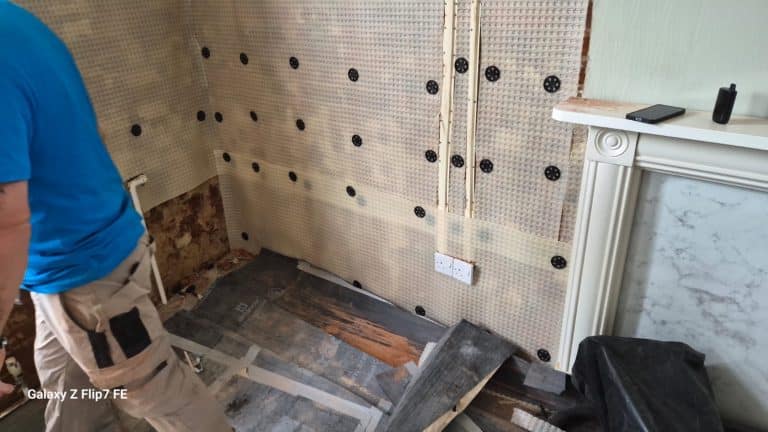
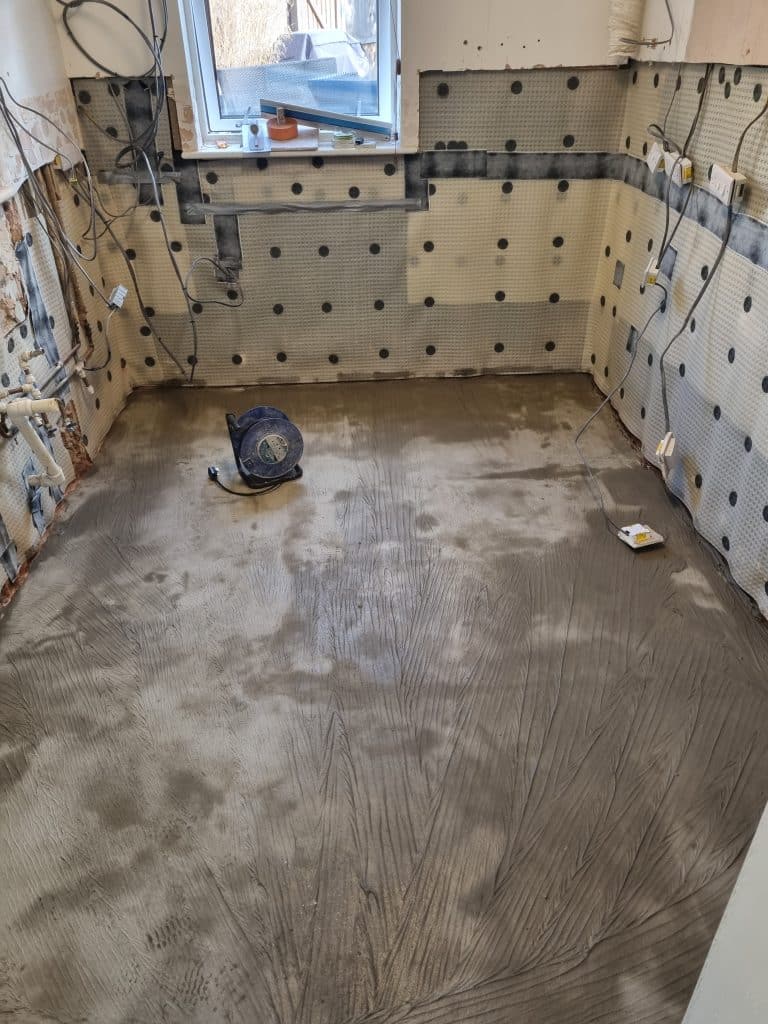
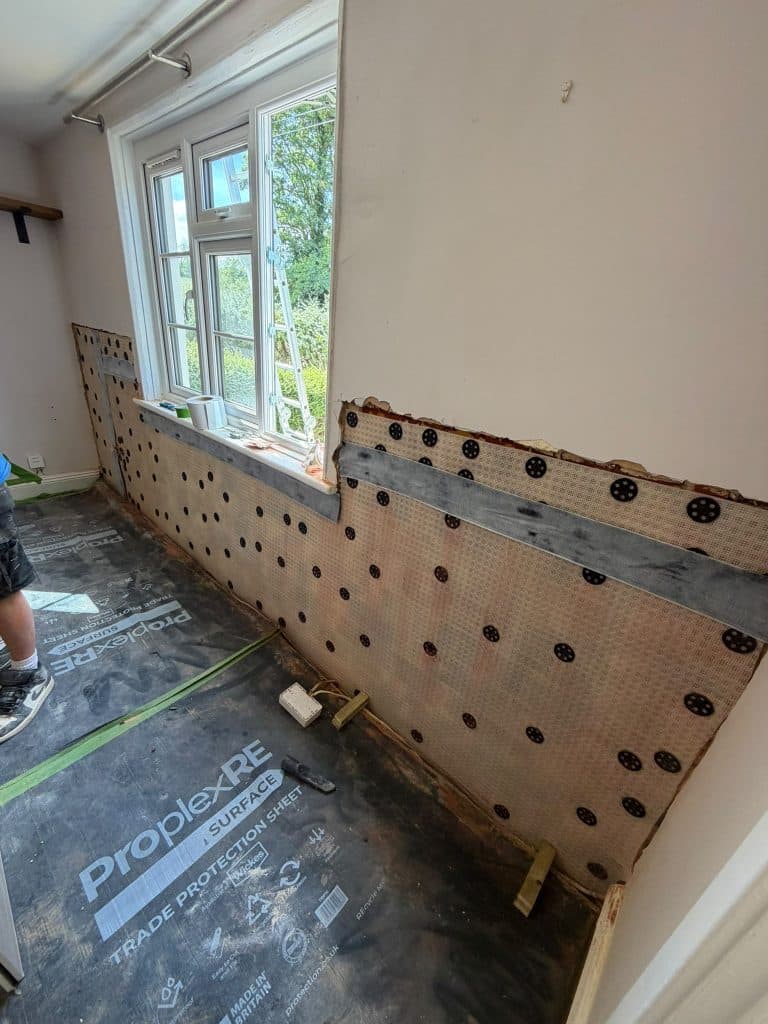
Following the installation of the chemical DPC, a cavity drain membrane was fitted across the prepared wall surfaces.
As shown in the photographs from this Southampton project, the membrane was mechanically fixed to the wall and carefully installed around the window, electrical points and adjoining surfaces.
The purpose of the damp proof membrane is to provide a physical separation between the original masonry and the new internal finish.
Any residual moisture remaining within the original wall is therefore isolated from the new plaster, helping protect the reinstated internal surface from future moisture and salt contamination.
Why Use a Membrane Alongside a Chemical DPC?
The chemical damp proof course and cavity drain membrane perform two different roles within the overall damp treatment.
The new DPC is designed to control moisture rising through the masonry from below, while the membrane separates the new internal wall finish from the existing masonry.
Using the two systems together can provide an effective solution where rising damp has already affected both the wall and its internal finishes.
However, not every damp property requires the same specification. A professional damp survey can help establish the source and extent of the moisture before the appropriate treatment is specified.
Replastering the Treated Wall
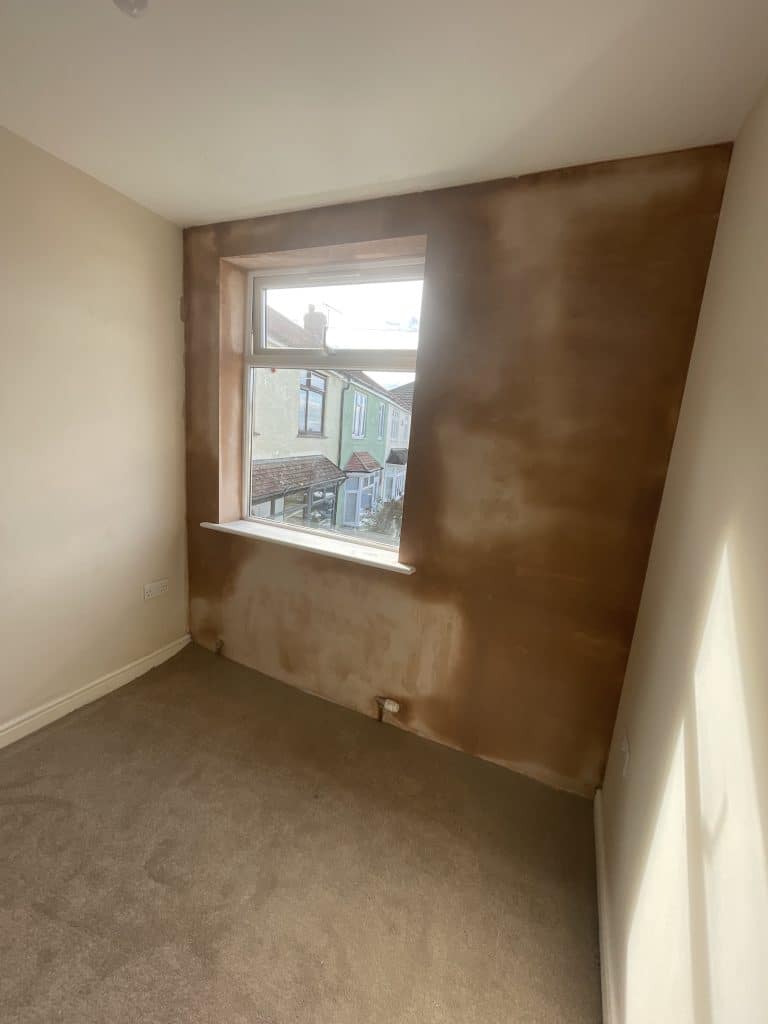
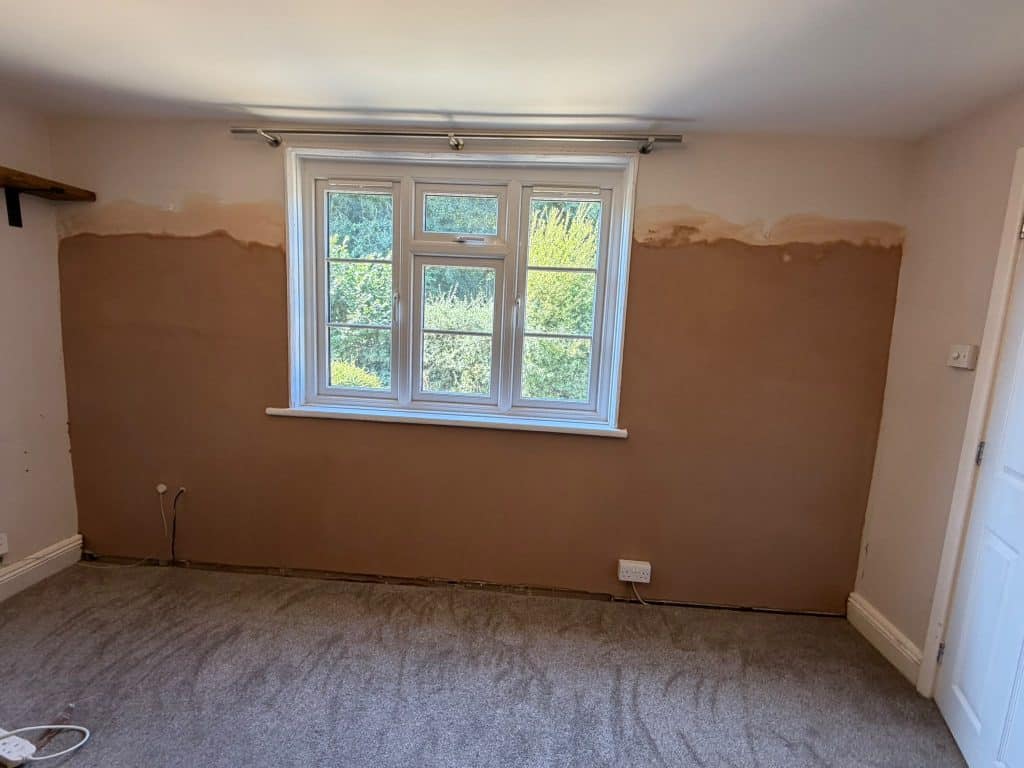
Once the cavity drain membrane had been securely installed, the affected sections of wall were professionally replastered.
The new plaster was carefully blended into the retained wall finishes above, restoring a smooth and consistent internal surface.
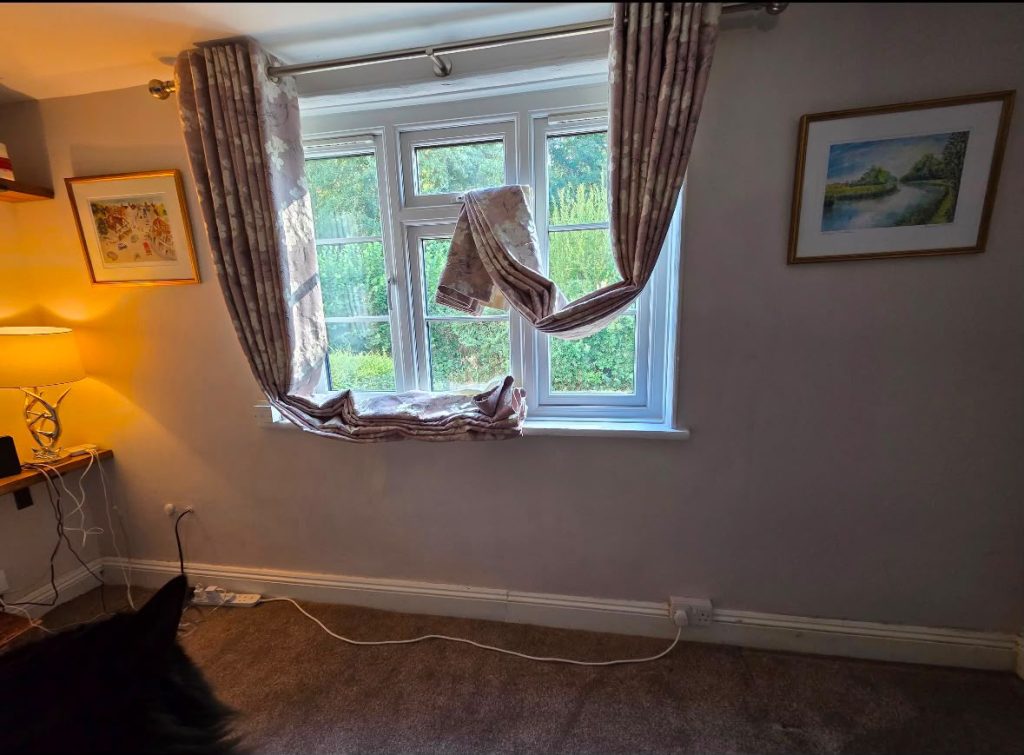
The project photographs show the different stages of the work clearly, from the original wall through to the exposed treatment area, membrane installation and freshly replastered finish.
Nordic Damp Proofing provides complete wall repair and replastering following damp treatment, allowing the affected area to be properly reinstated once the underlying moisture problem has been addressed.
Following the recommended drying period, the wall can then be decorated to match the rest of the room.
What Was Completed at This Southampton Property?
The internal damp proofing works covered approximately four linear metres and included:
- Removal of the affected internal plaster.
- Preparation of the exposed wall and masonry.
- Installation of a new chemical damp proof course.
- Installation of a cavity drain membrane.
- Mechanical fixing and detailing of the membrane around the window.
- Replastering of the treated wall surfaces.
- Making good ready for final decoration following the appropriate drying period.
Signs of Rising Damp in a Property
Rising damp typically affects the lower sections of internal walls as moisture travels upwards through porous masonry.
Common warning signs can include damp patches near floor level, deteriorating or crumbling plaster, peeling paint or wallpaper, visible tide marks and salt deposits appearing on the wall surface.
However, similar symptoms can also be caused by plumbing leaks, external building defects or penetrating damp. This is why identifying the source of moisture is important before deciding on a treatment.
Damp Proofing Specialists in Southampton
Nordic Damp Proofing provides professional damp proofing services throughout Southampton and the surrounding areas of Hampshire.
We diagnose the root cause of damp before recommending the appropriate treatment, helping ensure the source of the moisture is addressed rather than simply covering the visible symptoms.
Our services include rising damp treatment, chemical damp proof course installation, cavity drain membranes, plaster removal and reinstatement, penetrating damp treatment and specialist damp investigations.
If you’ve noticed damp patches, crumbling plaster, tide marks, salt deposits or recurring moisture within your property, you can book a damp survey with Nordic Damp Proofing to arrange a professional inspection.