Nordic Damp Proofing recently completed a comprehensive damp remediation project at a property in Cardiff, South Wales, after moisture problems were identified within the living room.
The works involved much more than simply removing damaged plaster. Our team carried out a combination of rising damp treatment, installation of a new chemical damp proof course, salt treatment, cavity drainage membrane installation and professional replastering.
External defects were also addressed, including defective rainwater drainage, localised pointing repairs and resealing around a window. By tackling both the internal damage and the external factors contributing to moisture around the property, we were able to provide a much more complete long-term solution.
This project was completed by our team providing damp proofing in Cardiff and the surrounding areas.
Identifying the Damp Problem
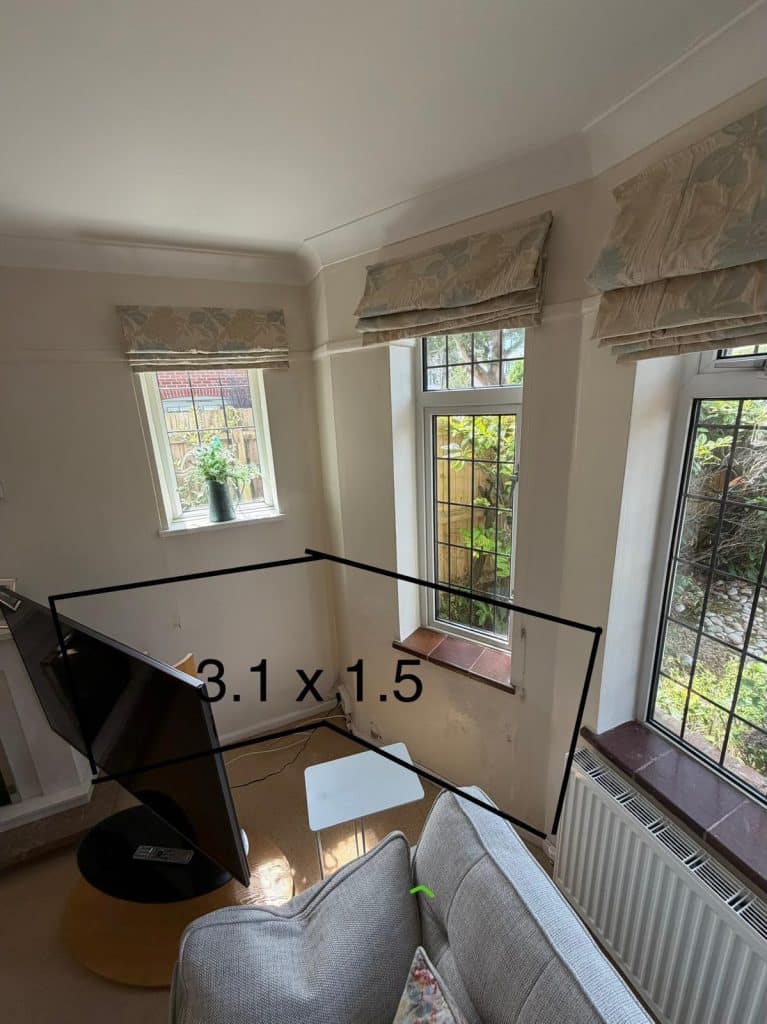
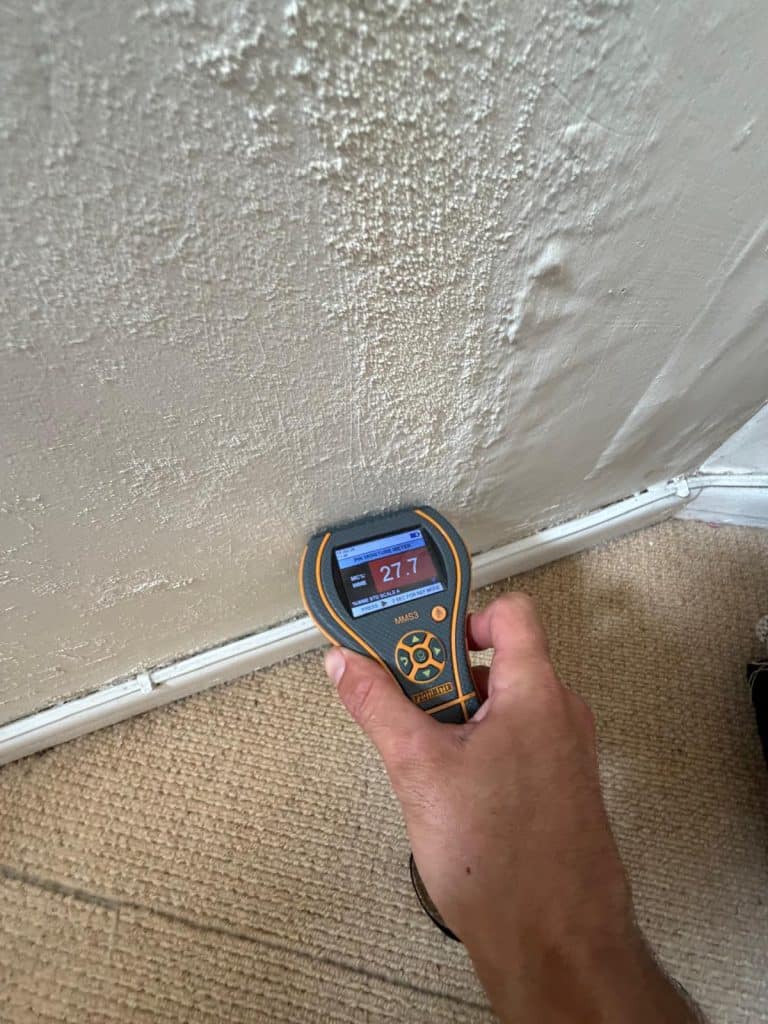
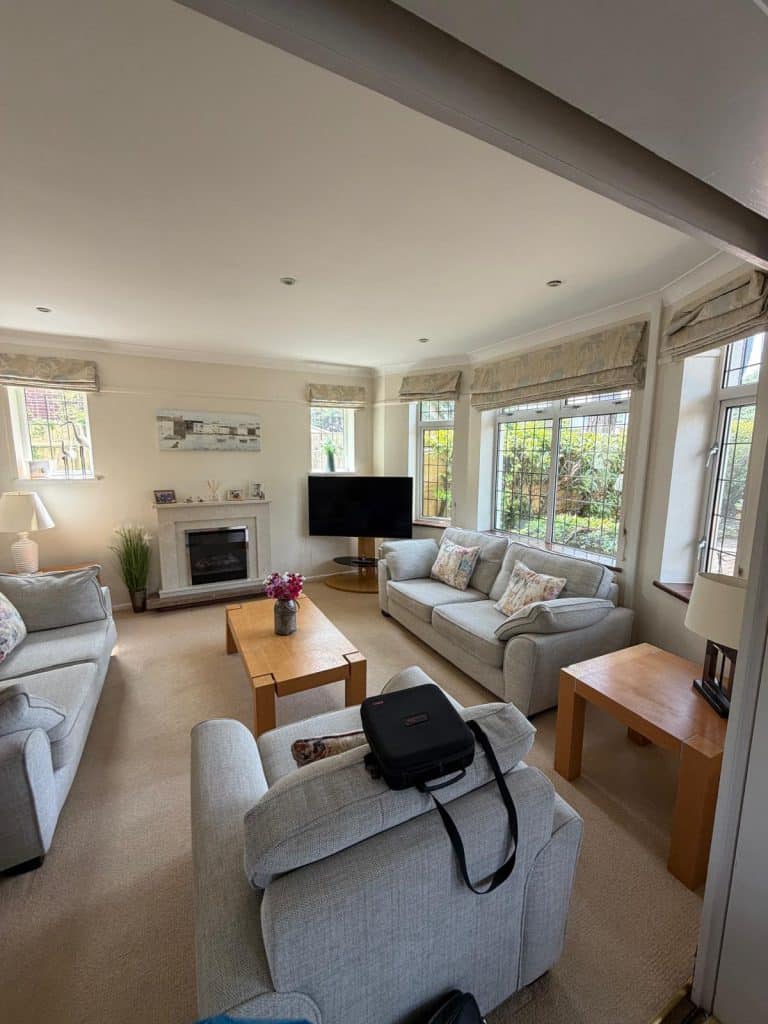
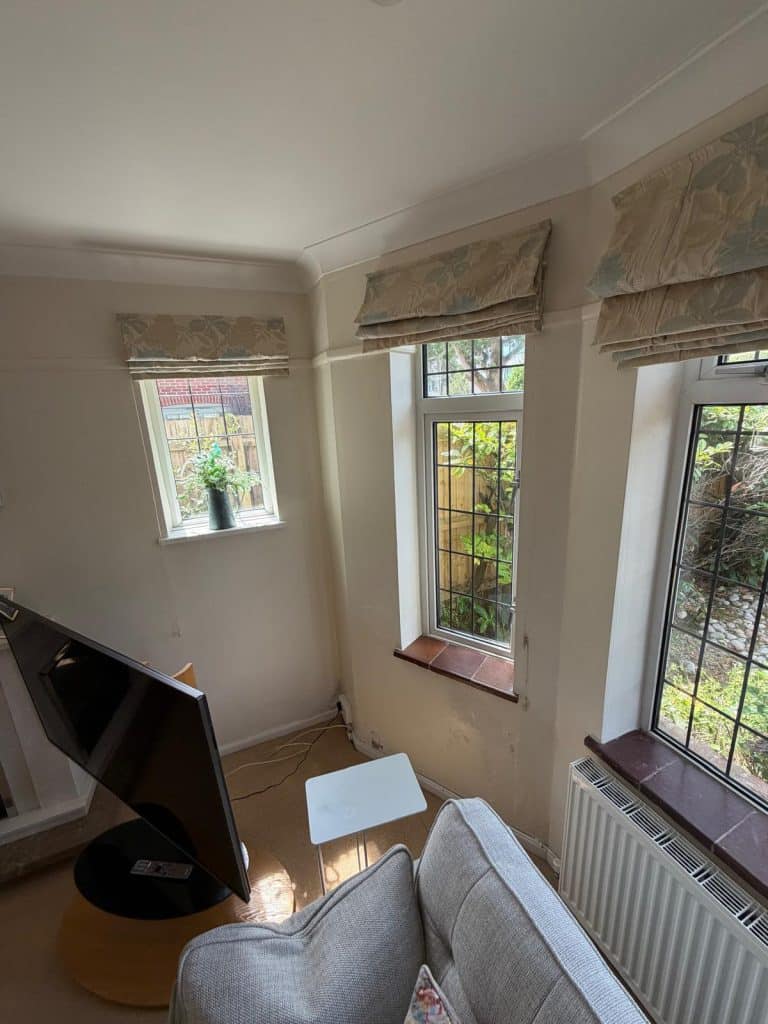
The affected living room showed evidence of prolonged moisture exposure, particularly around the lower sections of the walls and the south-west corner of the property.
Where moisture remains within masonry for an extended period, it can cause plaster to deteriorate and introduce hygroscopic salts into the internal finishes. These salts can continue attracting moisture from the atmosphere even after the original source of damp has been addressed.
The external inspection also highlighted defects that could contribute to continued saturation of the masonry, including issues with the existing rainwater pipework, localised pointing deterioration and small openings around a window perimeter.
This is why a proper damp survey is important before remedial work begins. Damp symptoms inside a property can often be influenced by more than one source of moisture.
Removing Damp and Salt-Contaminated Plaster
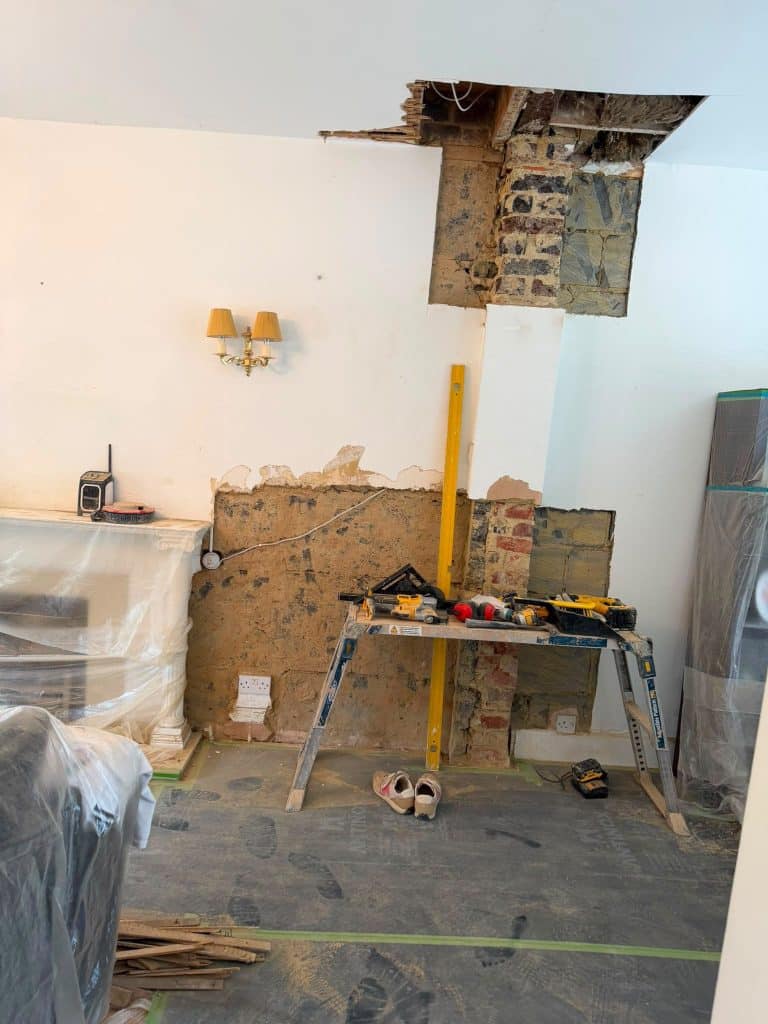
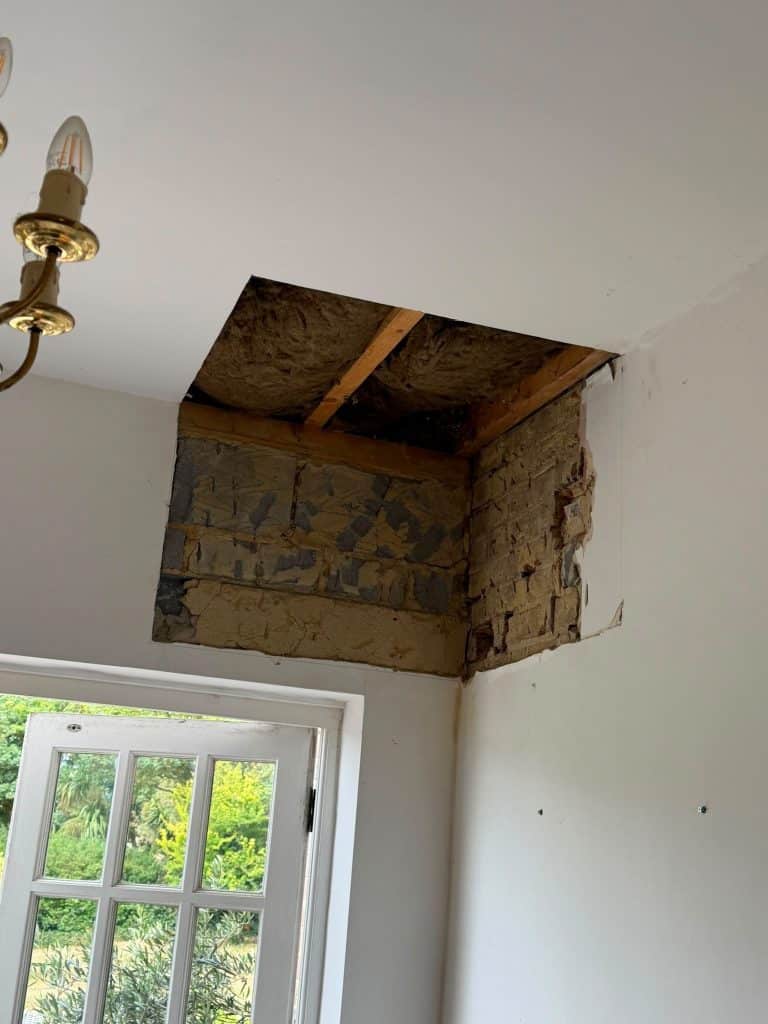
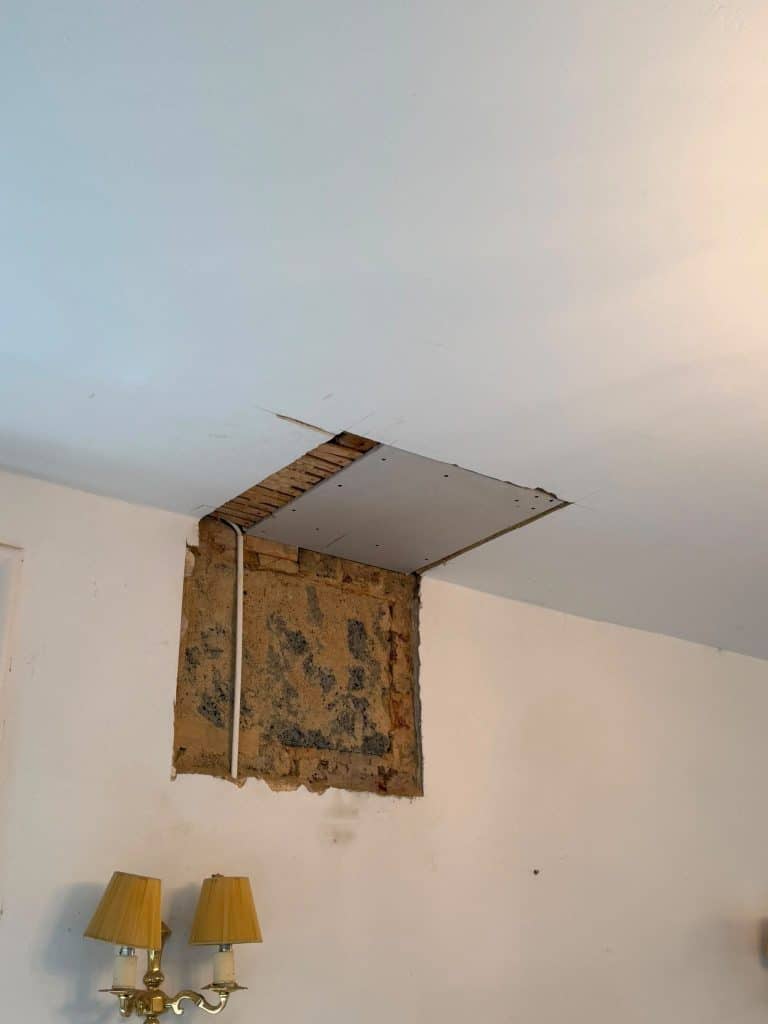
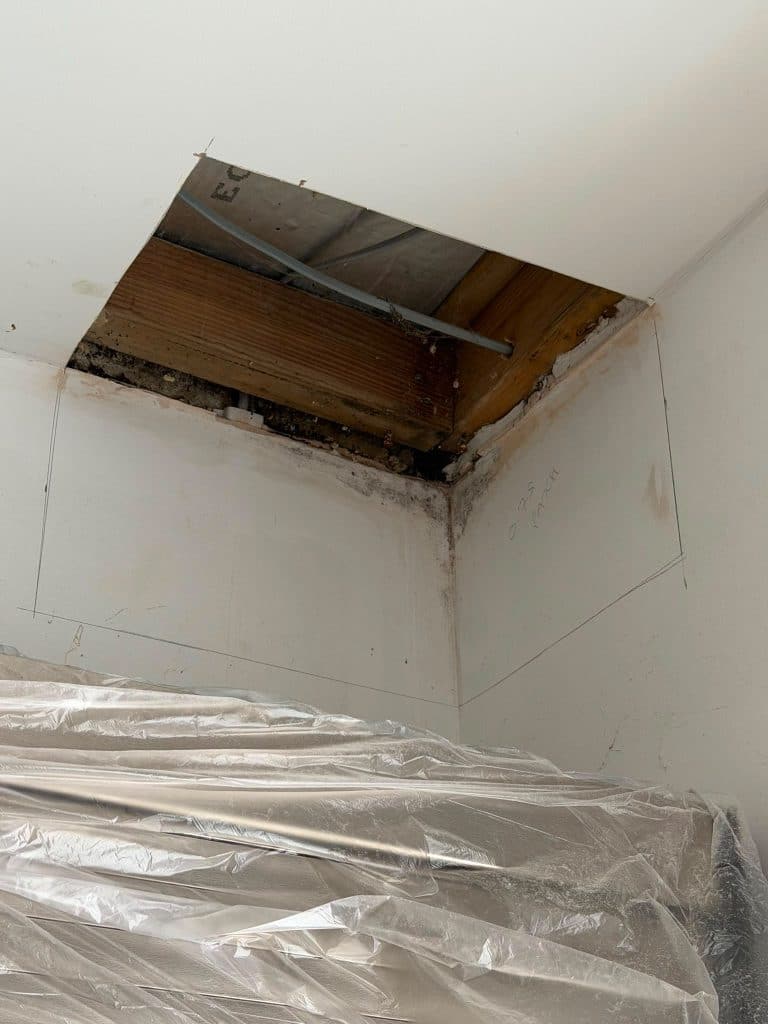
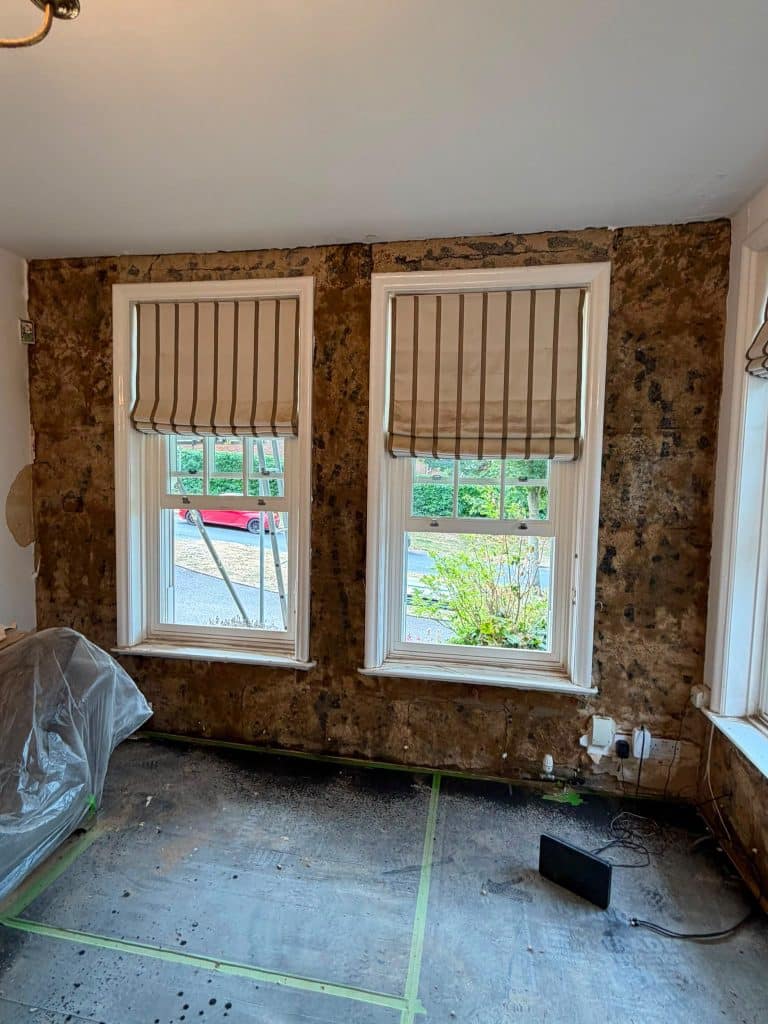
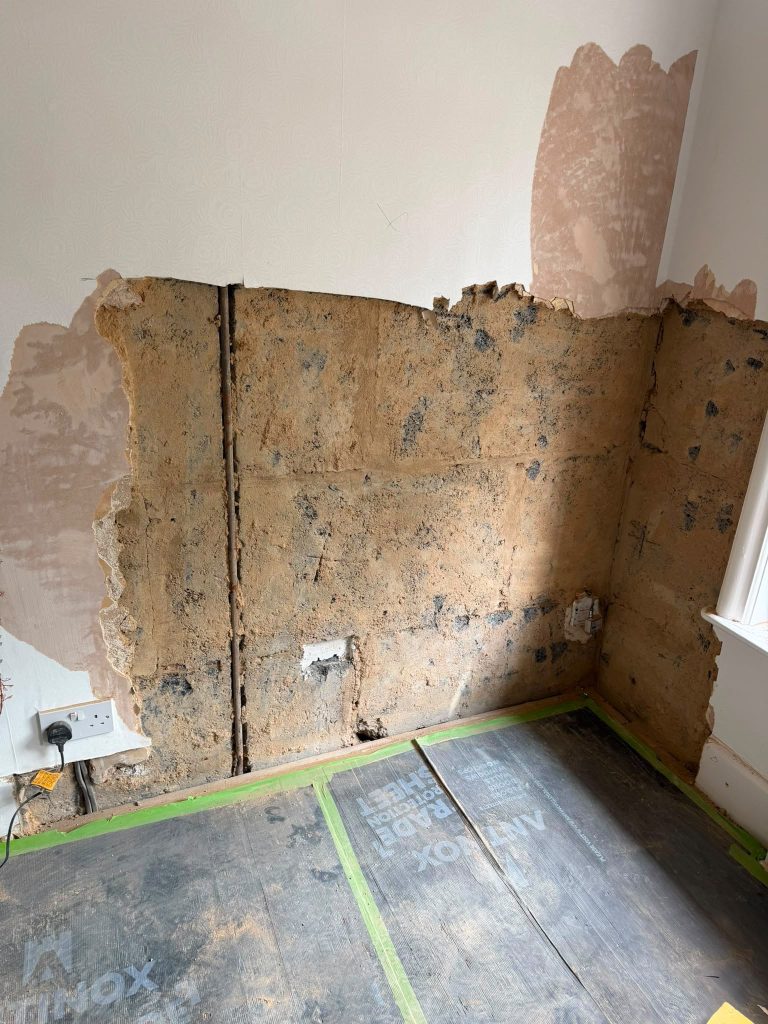
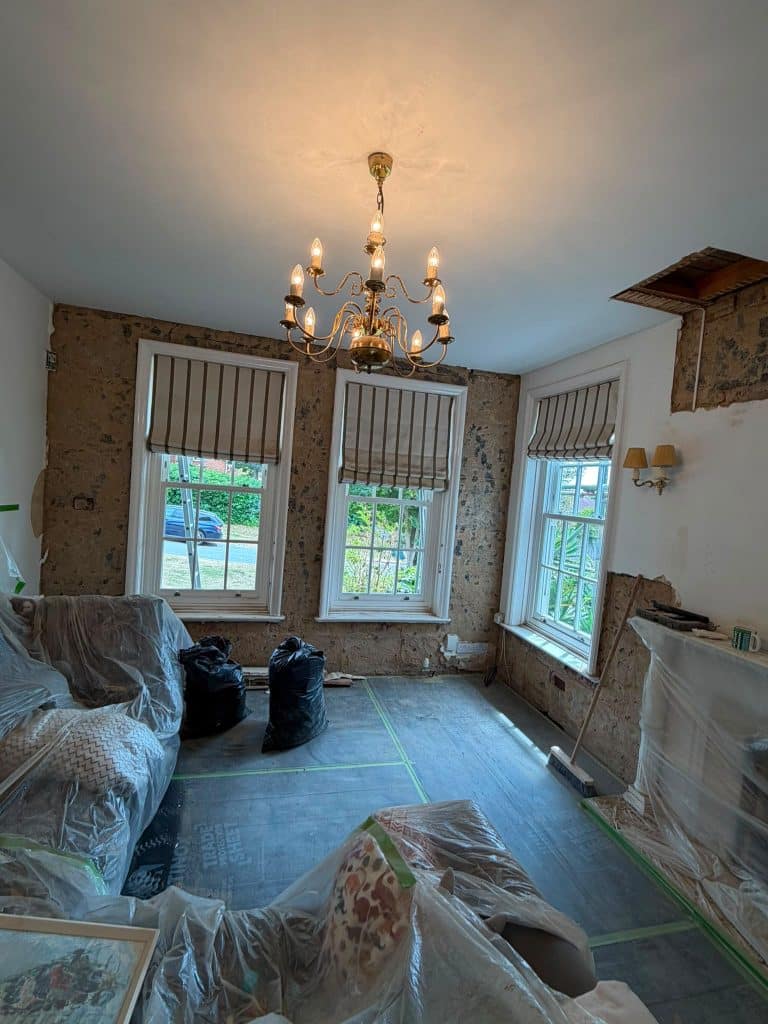
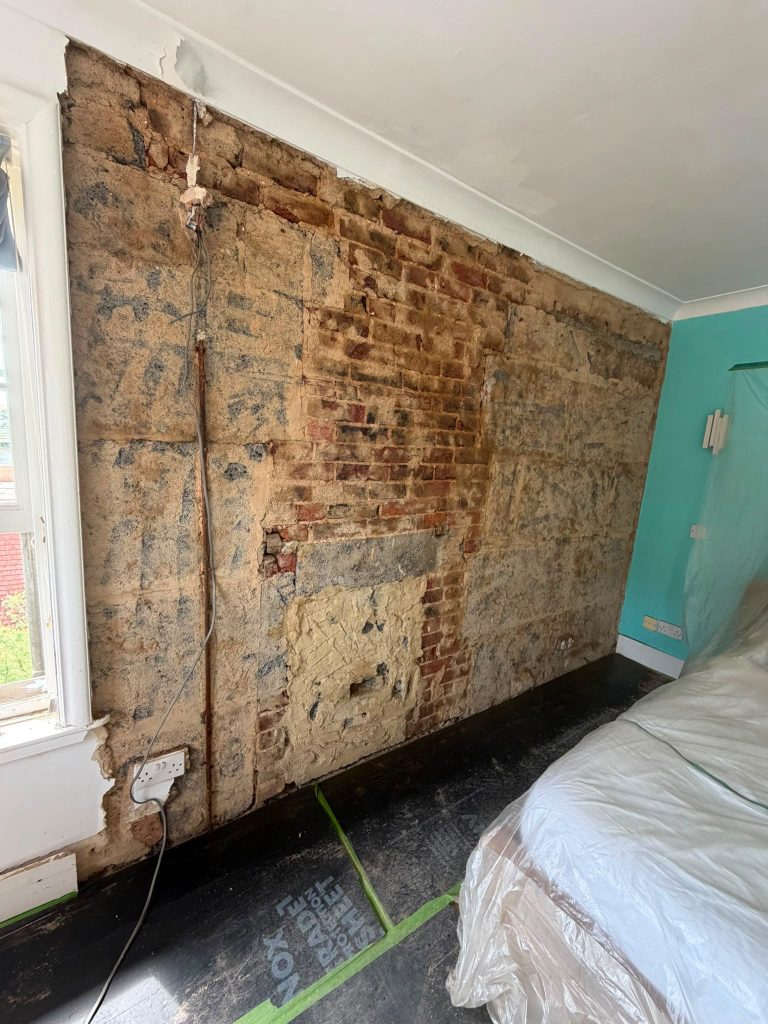
The first stage of the internal works involved removing the affected plaster to approximately 1.5 metres in height across the areas requiring treatment.
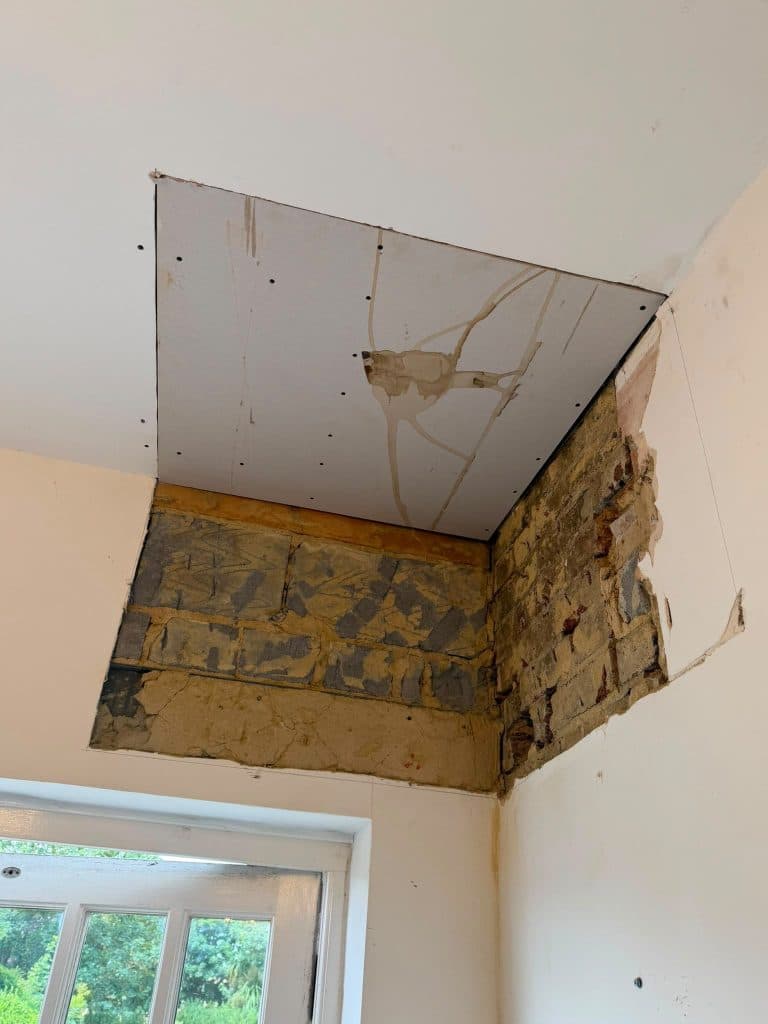
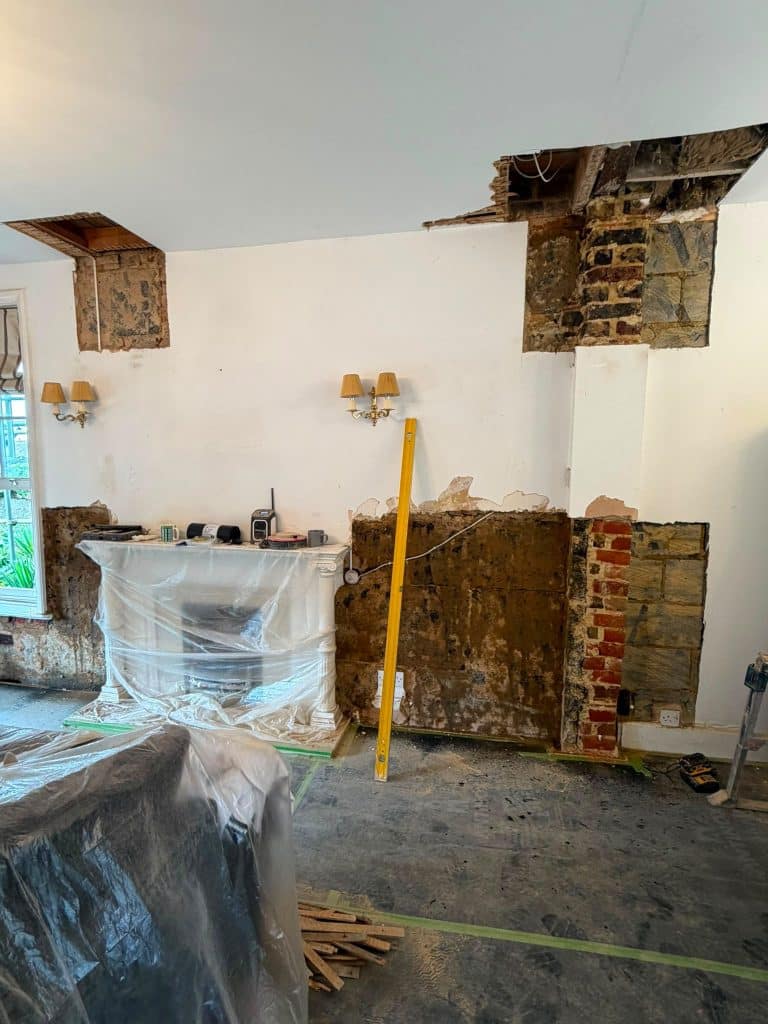
All damp and salt-contaminated material was stripped away to expose the original masonry and provide a clean substrate for the new damp proofing system.
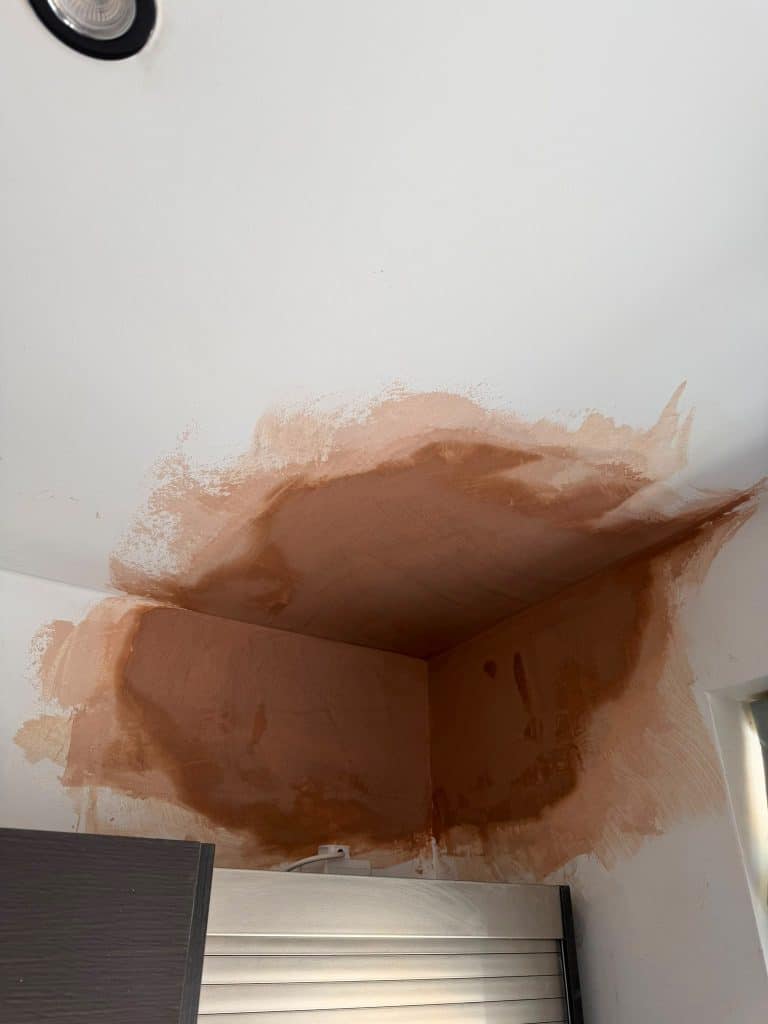
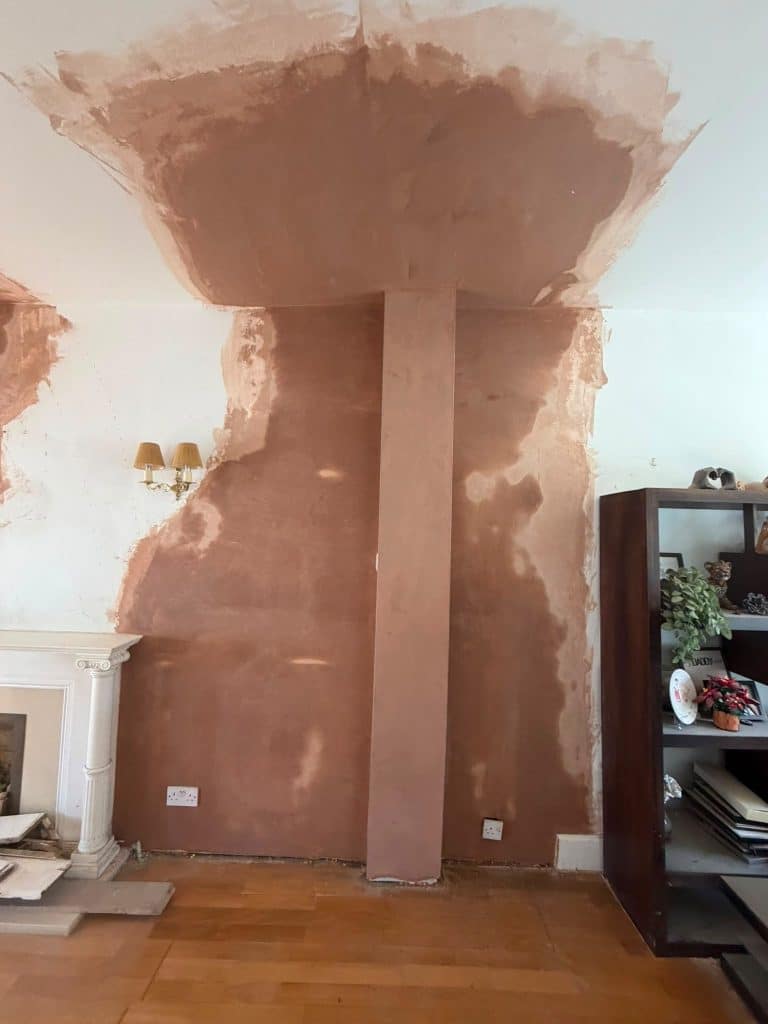
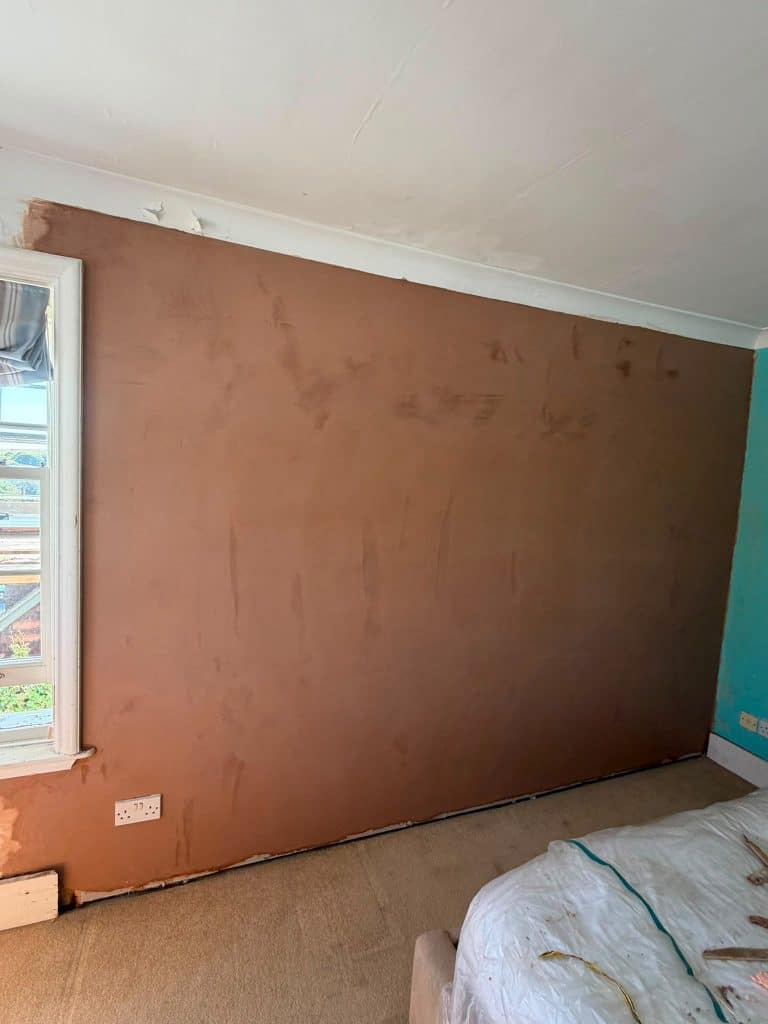
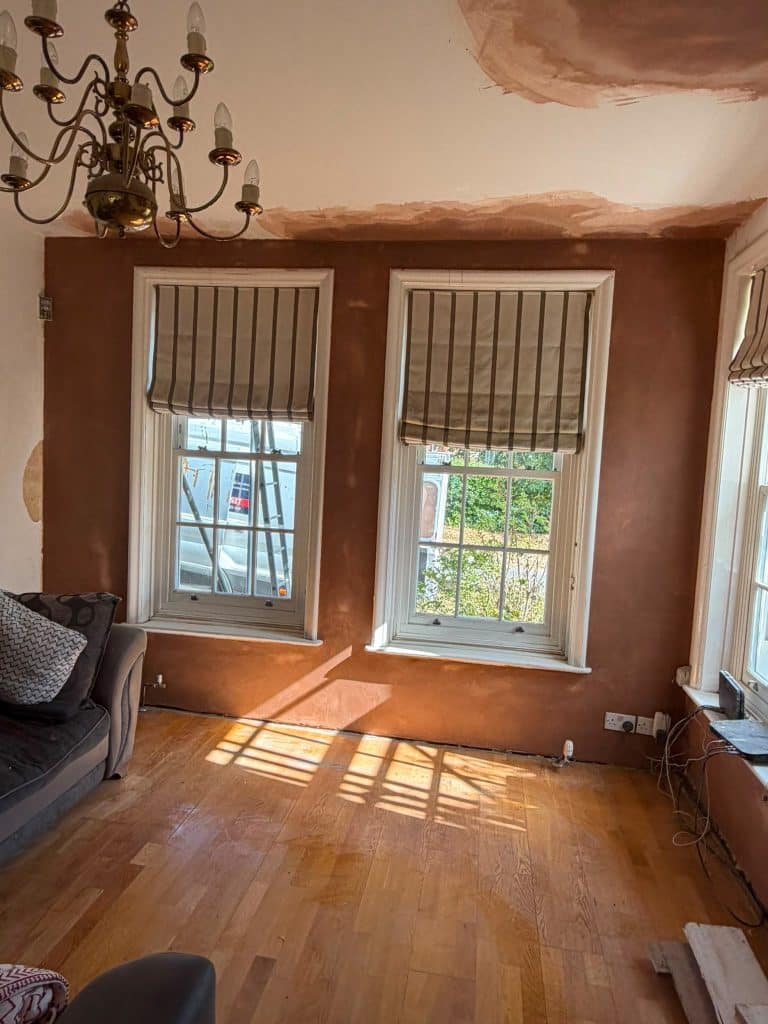
The project photographs show the extent of the preparation, with sections of the original masonry fully exposed before treatment.
This stage is particularly important where salts have migrated into the existing plaster. Simply applying new plaster directly over contaminated material can allow staining and deterioration to return.
Installing a New Chemical Damp Proof Course
Once the masonry had been exposed, our team installed a new chemical damp proof course within the appropriate mortar bed.
The treatment is injected into the wall to create a moisture-resistant barrier designed to significantly reduce the upward migration of ground moisture through the masonry.
A chemical DPC can be an effective part of a rising damp treatment system, but it must be combined with suitable preparation and reinstatement where plaster has already become contaminated.
Treating Hygroscopic Salt Contamination
After the damp proof course had been installed, the exposed masonry was treated with a specialist salt-neutralising solution.
Hygroscopic salts can remain within masonry following prolonged damp problems and can continue absorbing moisture from the air.
Applying a salt treatment before reinstatement helps reduce the risk of these contaminants affecting the new internal finish.
Installing the Cavity Drainage Membrane
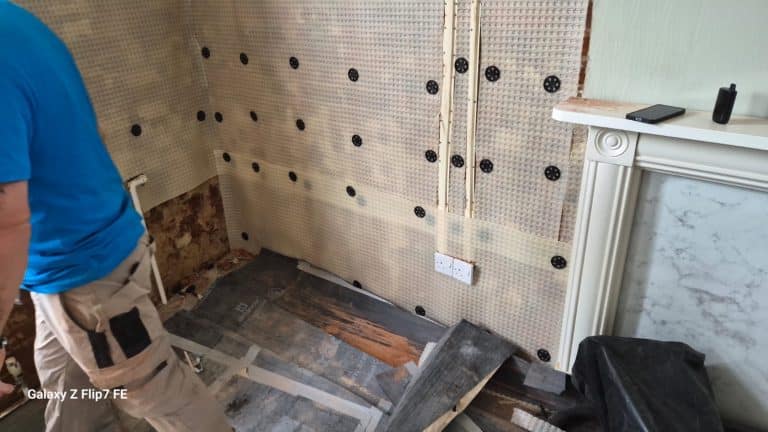
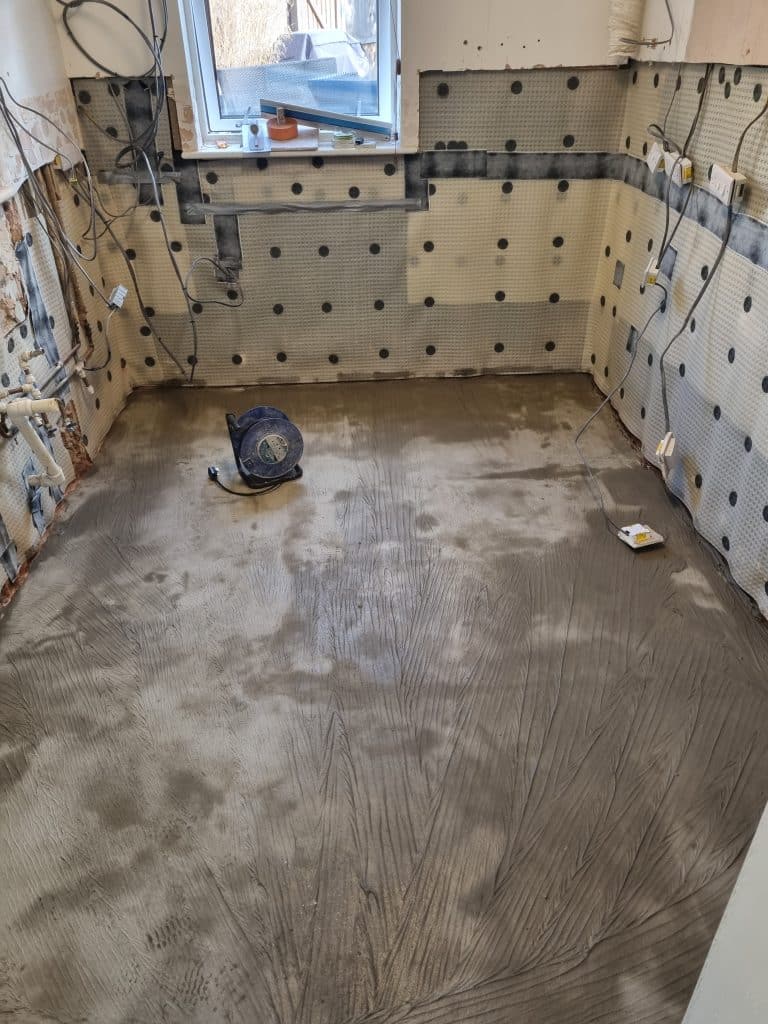
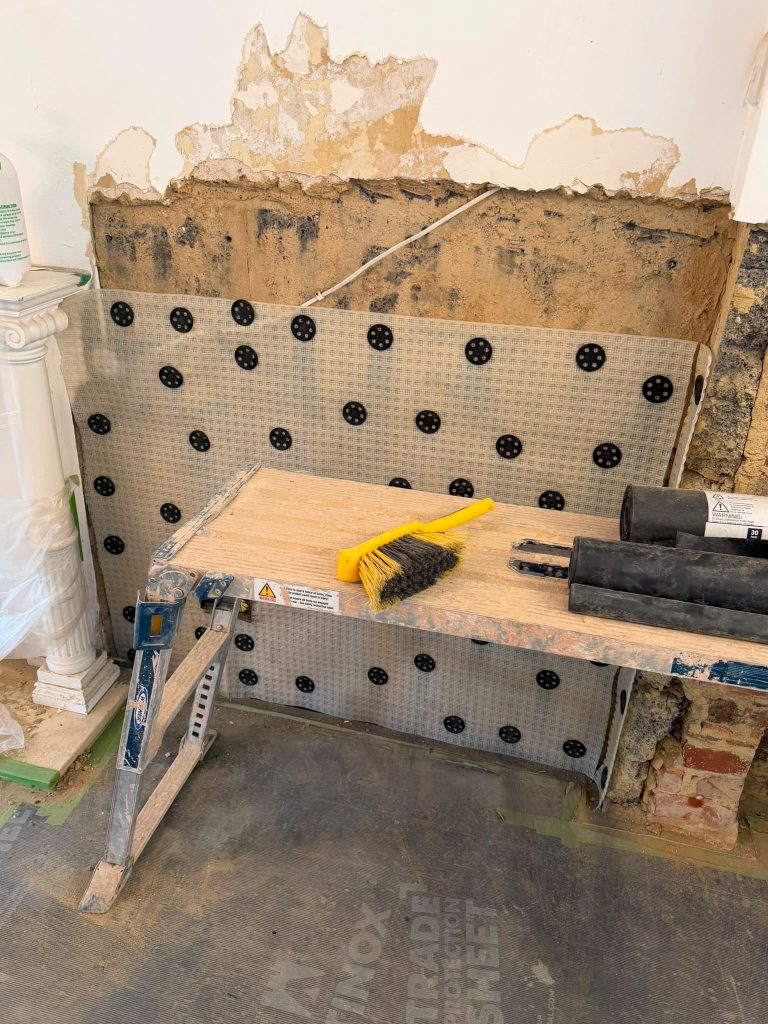
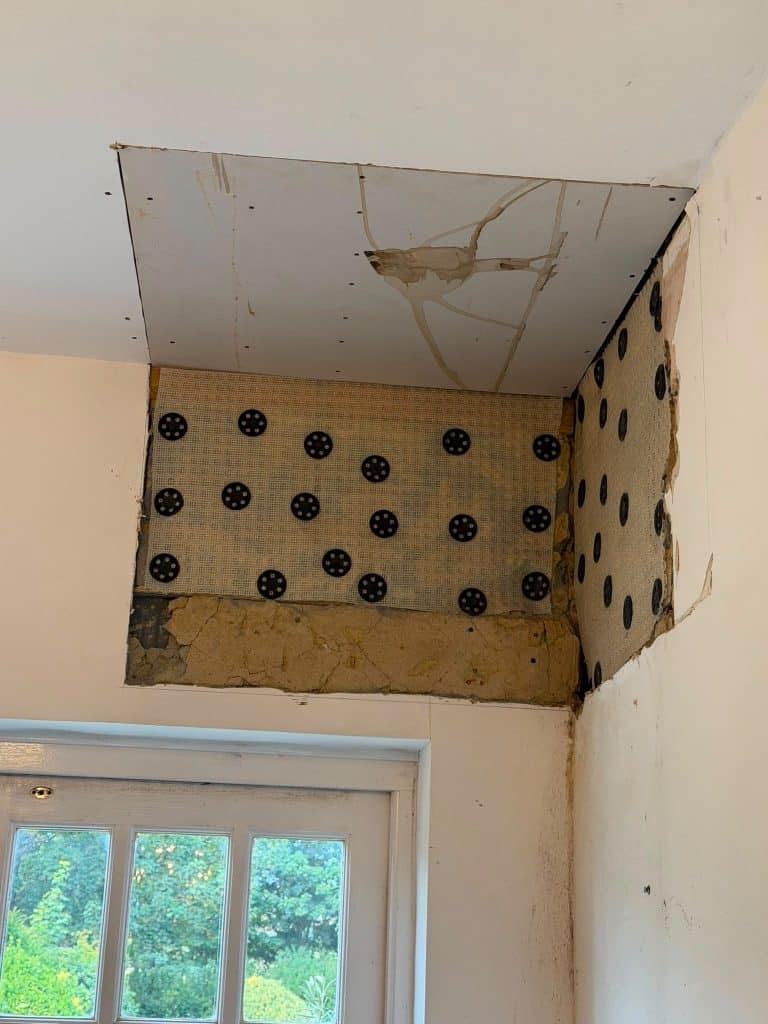
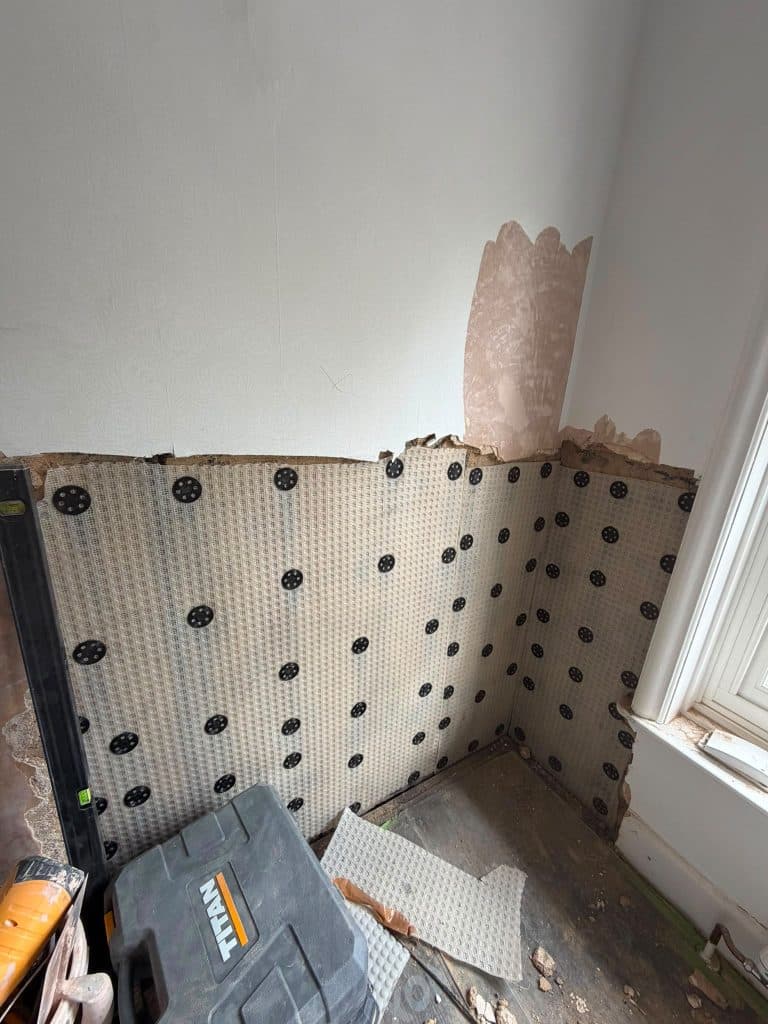
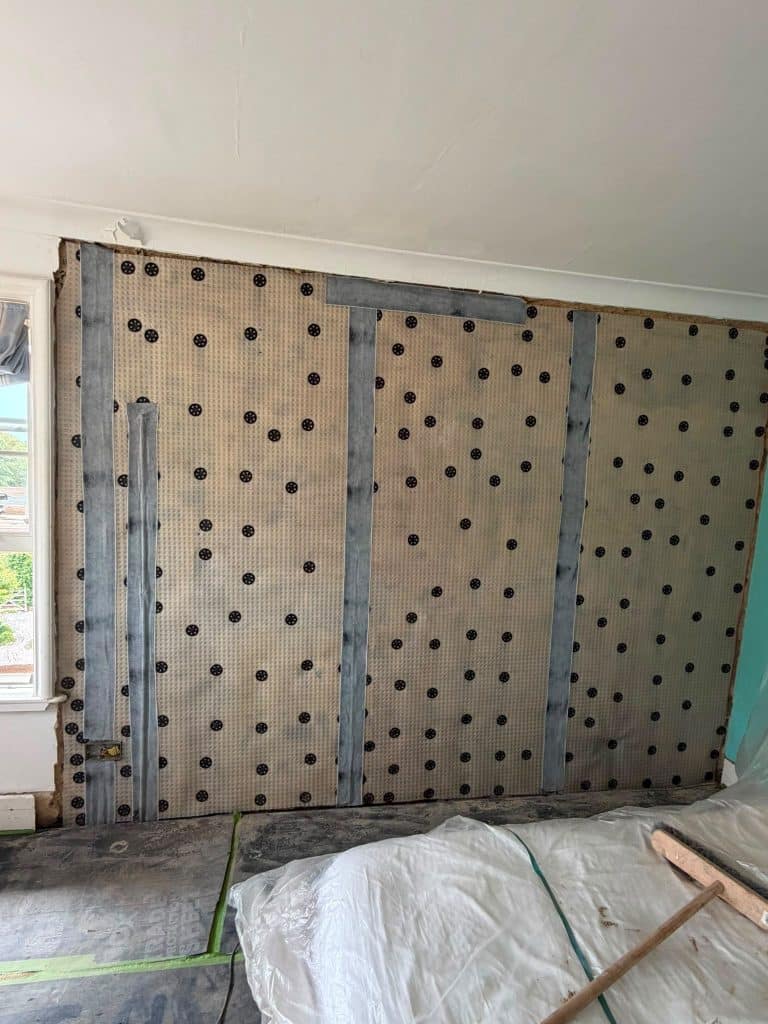
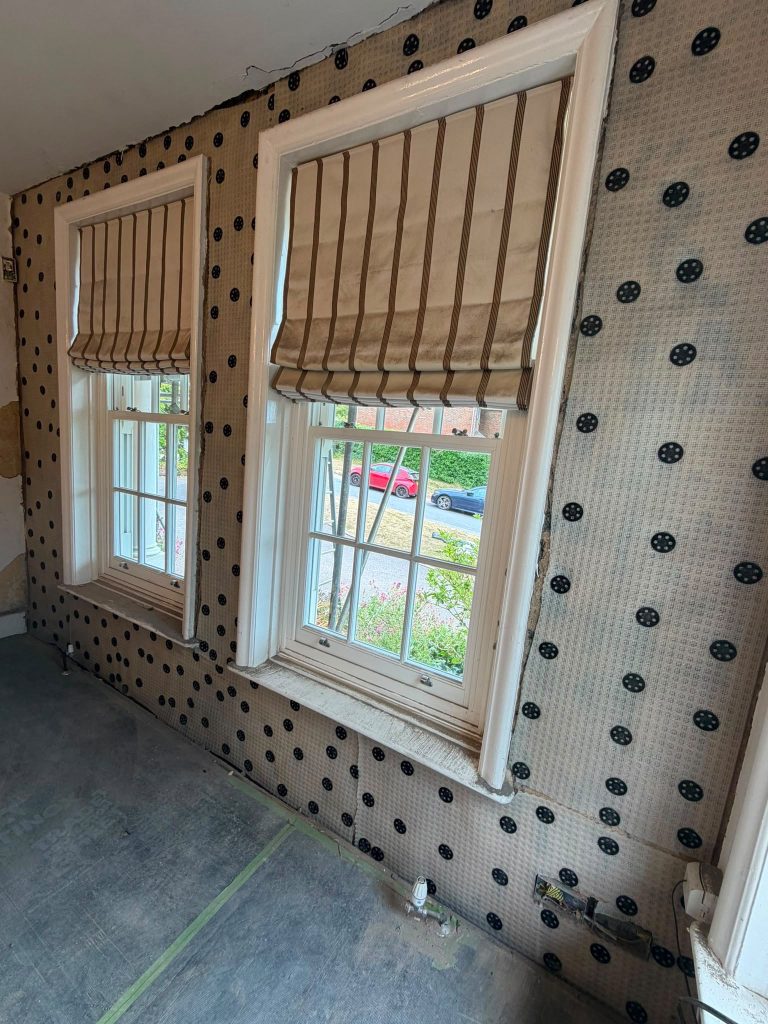
The next stage involved mechanically fixing a cavity drainage membrane across the treated sections of wall.
The membrane creates a permanent separation between the original masonry and the new internal plaster finish. Residual moisture can remain behind the system without transferring directly into the decorative surface.
The installation was carefully detailed around the windows, corners, electrical points and other changes in the wall construction.
At floor level, a recessed channel was chased into the wall so the membrane could be correctly returned into the floor and wall junction before reinstatement.
This type of damp proof membrane system is particularly useful where masonry has experienced significant historic moisture or salt contamination.
Replastering the Treated Living Room
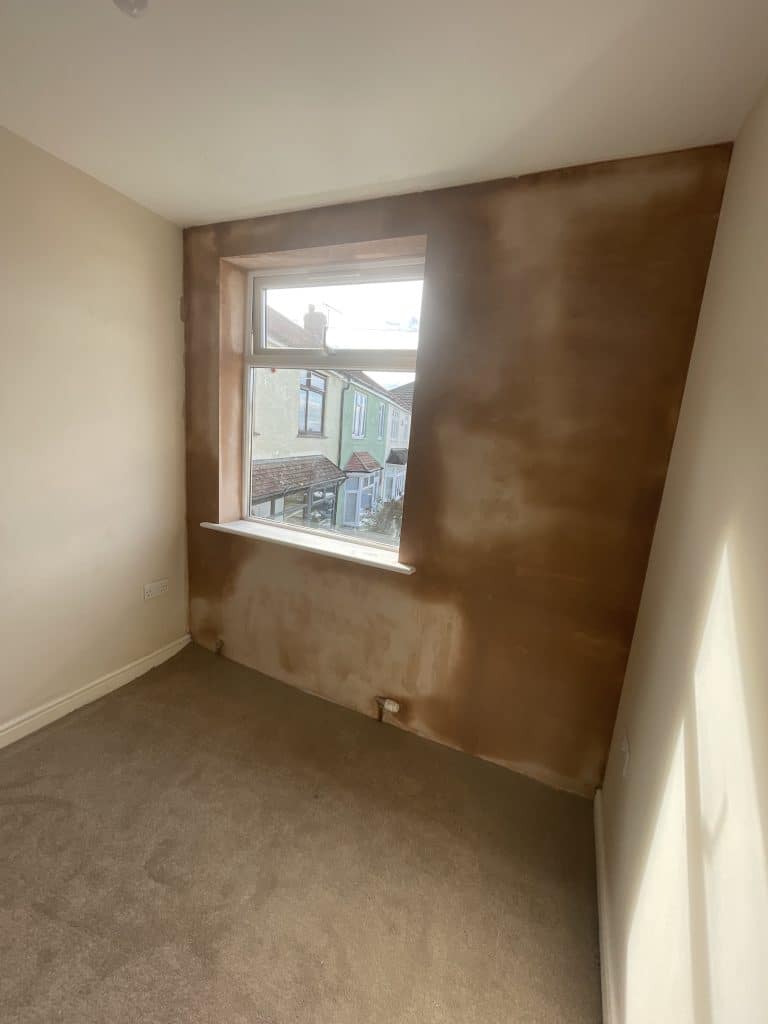
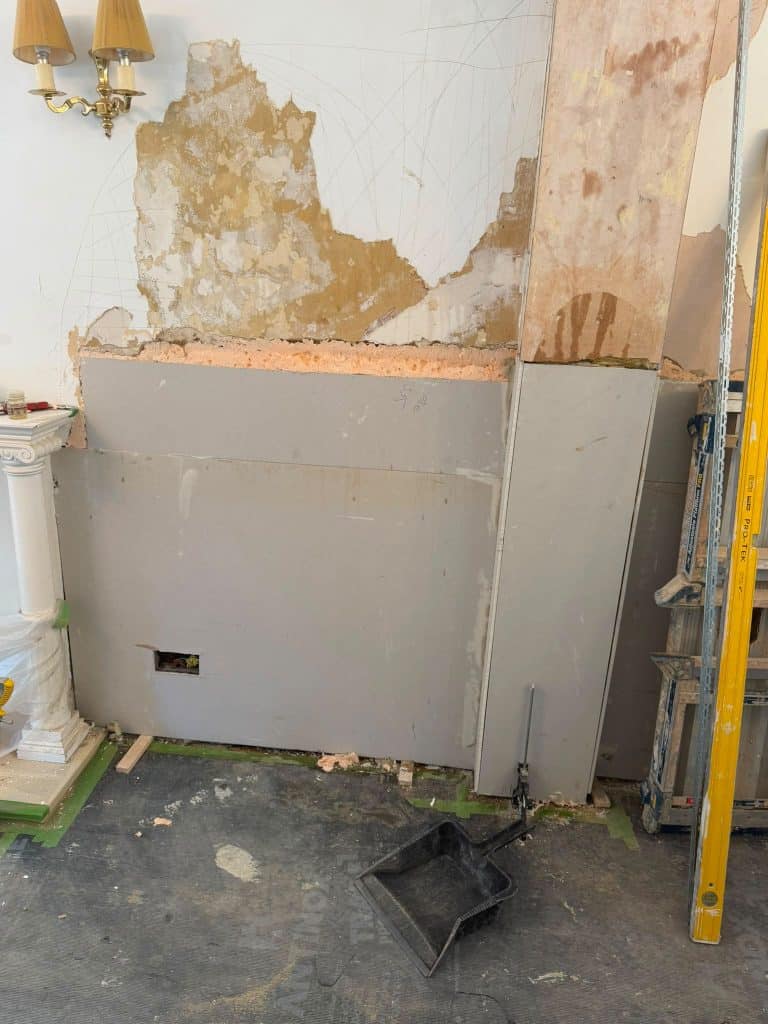
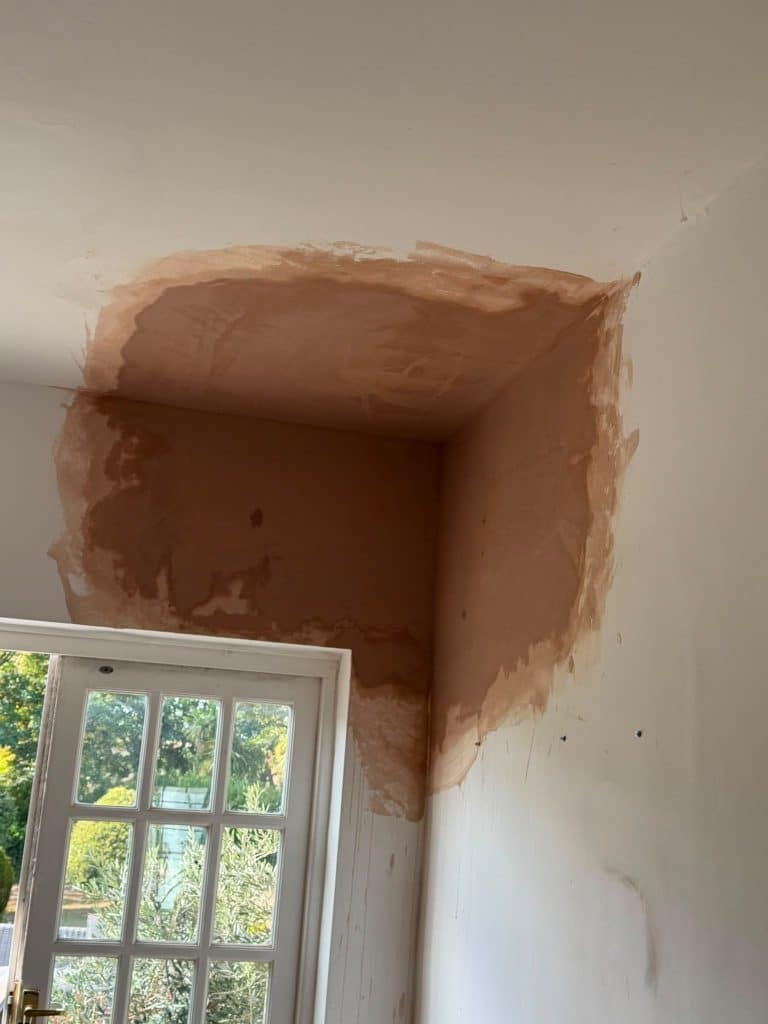
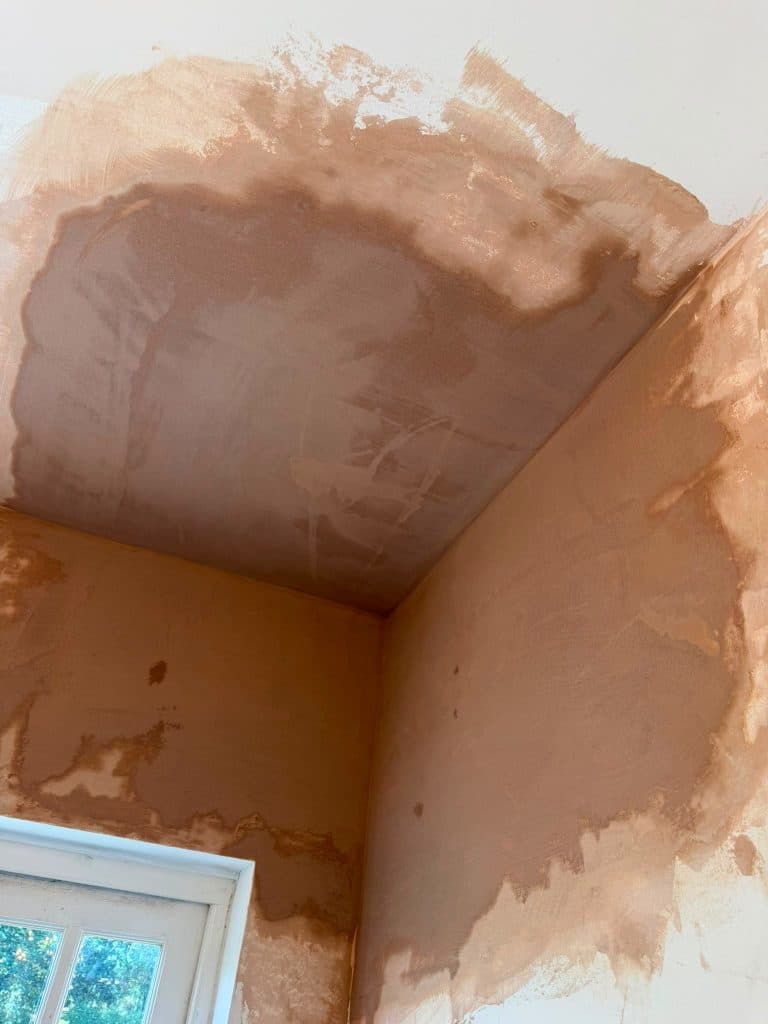
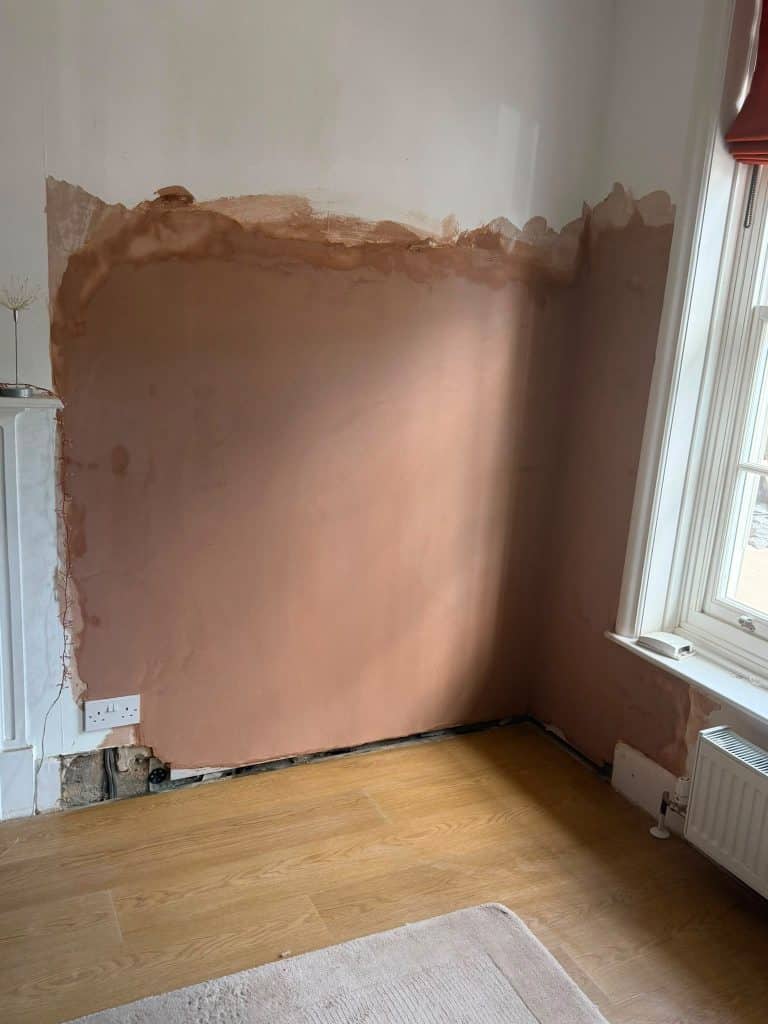
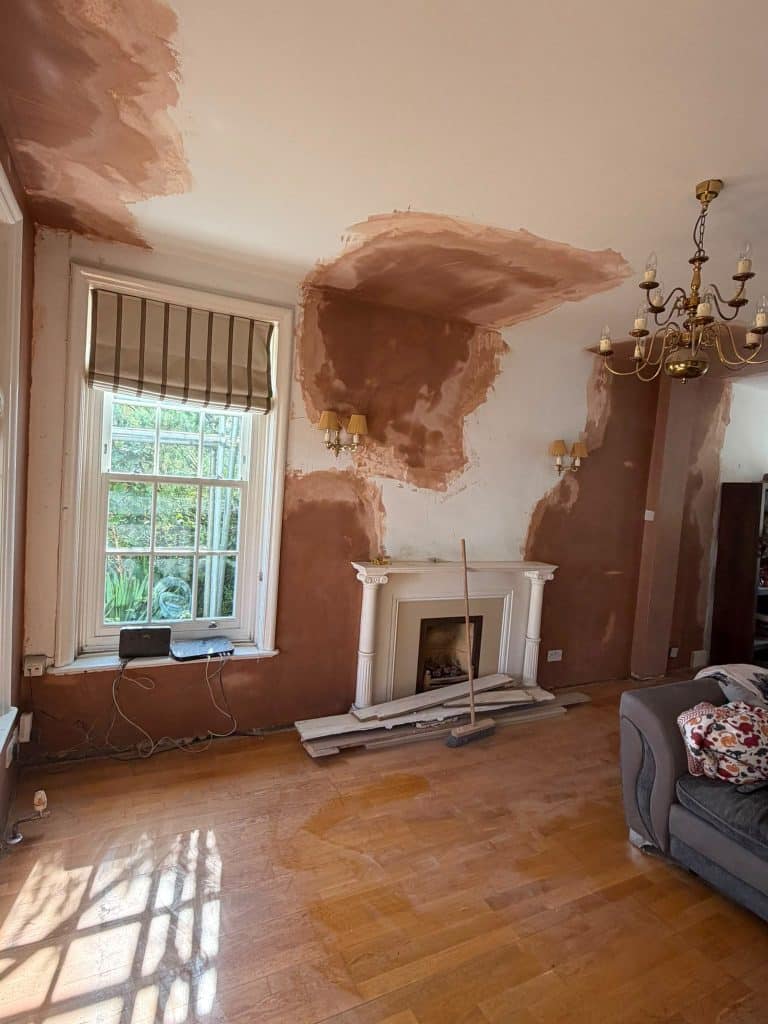
Once the membrane system had been securely installed, the treated areas were professionally replastered.
As the photographs show, some sections of this project required extensive reinstatement, including areas surrounding the windows, fireplace, wall corners and sections extending towards ceiling level.
The new plaster provides a smooth surface ready for final decoration once the recommended drying period has passed.
Nordic Damp Proofing provides complete wall repair and replastering services following damp treatment, allowing affected areas to be properly reinstated after the underlying moisture problem has been addressed.
Why External Repairs Were Also Required
Although the internal treatment was designed to control rising moisture and isolate contaminated masonry, it was equally important to address potential sources of water affecting the property externally.
Moisture entering around defective drainage, damaged pointing or poorly sealed openings can contribute to penetrating damp and keep masonry unnecessarily wet.
For this reason, several external remedial works were completed alongside the internal damp proofing.
Replacing and Repositioning the Rainwater Pipework
The existing rainwater downpipe was removed and replaced with new PVC rainwater pipework.
The new pipework was repositioned around the side elevation with fewer bends to improve the flow of rainwater and reduce the likelihood of future restrictions or blockages.
The discharge point was also redirected so that rainwater is carried safely away from the property’s foundations rather than concentrating around the affected south-west corner.
This is an important detail because repeatedly discharging rainwater close to the base of a building can keep the surrounding ground and masonry saturated.
Localised Repointing Repairs
Areas of defective pointing were also raked out and repaired using a suitable mortar mix.
Mortar joints form an important part of the weather-resistant surface of a masonry wall. When they become cracked, loose or badly deteriorated, wind-driven rain can penetrate more easily into the wall construction.
Carrying out targeted repointing repairs helped improve the weather resistance of the affected brickwork and reduced another potential pathway for moisture ingress.
Resealing Around the Window
The external perimeter of the affected window was also resealed.
A new exterior-grade silicone seal was applied around the window frame to close minor openings where rainwater could otherwise enter between the frame and surrounding masonry.
Small gaps around windows can easily be overlooked, but they can contribute to persistent damp patches around reveals and adjacent sections of wall.
Why Both Rising and Penetrating Moisture Needed Attention
This Cardiff project demonstrates why damp should not automatically be treated as a single isolated problem.
The internal specification included measures designed to control moisture rising through the masonry, while the external works reduced the risk of additional moisture entering through drainage defects, pointing and window seals.
Treating both sides of the problem provides a far more reliable solution than replacing damaged plaster while leaving external defects untouched.
The Completed Damp Proofing System
The completed works included:
- Removal of damp and salt-contaminated plaster.
- Installation of a new chemical damp proof course.
- Specialist salt-neutralising treatment.
- Cavity drainage membrane installation.
- Detailed membrane installation around windows and other features.
- Recessed membrane detailing at floor level.
- Professional replastering of treated areas.
- Replacement and repositioning of defective rainwater pipework.
- Redirected rainwater discharge away from the foundations.
- Localised external repointing.
- Resealing around the affected window.
The result is a treated and reinstated internal wall system combined with improvements to the external building envelope designed to reduce the likelihood of moisture returning.
Damp Proofing Specialists in Cardiff
Nordic Damp Proofing provides professional damp proofing services throughout Cardiff and across South Wales.
We investigate and treat rising damp, penetrating damp, condensation, mould, salt contamination and other moisture-related problems using solutions appropriate to the individual property.
Our services include damp proof course installation, cavity drainage membranes, plaster removal and reinstatement, external remedial works and specialist moisture investigations.
If you’re seeing damp patches, damaged plaster, salt deposits, mould or recurring moisture within your property, the first step should be identifying exactly where that moisture is coming from.
You can book a damp survey with Nordic Damp Proofing to arrange a professional inspection.