
Yes, wet dogs can make a home feel damper, and in some properties they can push a room from “just a bit steamy” into repeat condensation, odour, and mould.
That does not mean the dog is the only cause. More often, pets add moisture to a home that is already short on ventilation, has cold surfaces, or has an underlying building defect. In the UK, half of adults own a pet, there were about 10.6 million pet dogs in 2024, and 5% of dog owners had three or more dogs, so this is a real-world issue for a lot of households.
For homeowners in Bournemouth, Poole, Bath, and Bristol, local housing makes the issue more noticeable. On the Dorset coast, maritime humidity and wetter autumn conditions can slow drying. In Bath and Bristol, many older homes are solid-wall properties, which means internal wall surfaces can stay colder than modern insulated cavity-wall homes and become easier targets for condensation.
Why dogs add more moisture than most owners realise
At Nordic Damp Proofing, we often explain that dogs do not “cause rising damp,” but they can absolutely add to the moisture load inside a house. The biggest contributors are simple: wet fur after walks, damp paws, soaked towels, dog coats, bedding that dries indoors, and repeated splashing around water bowls.
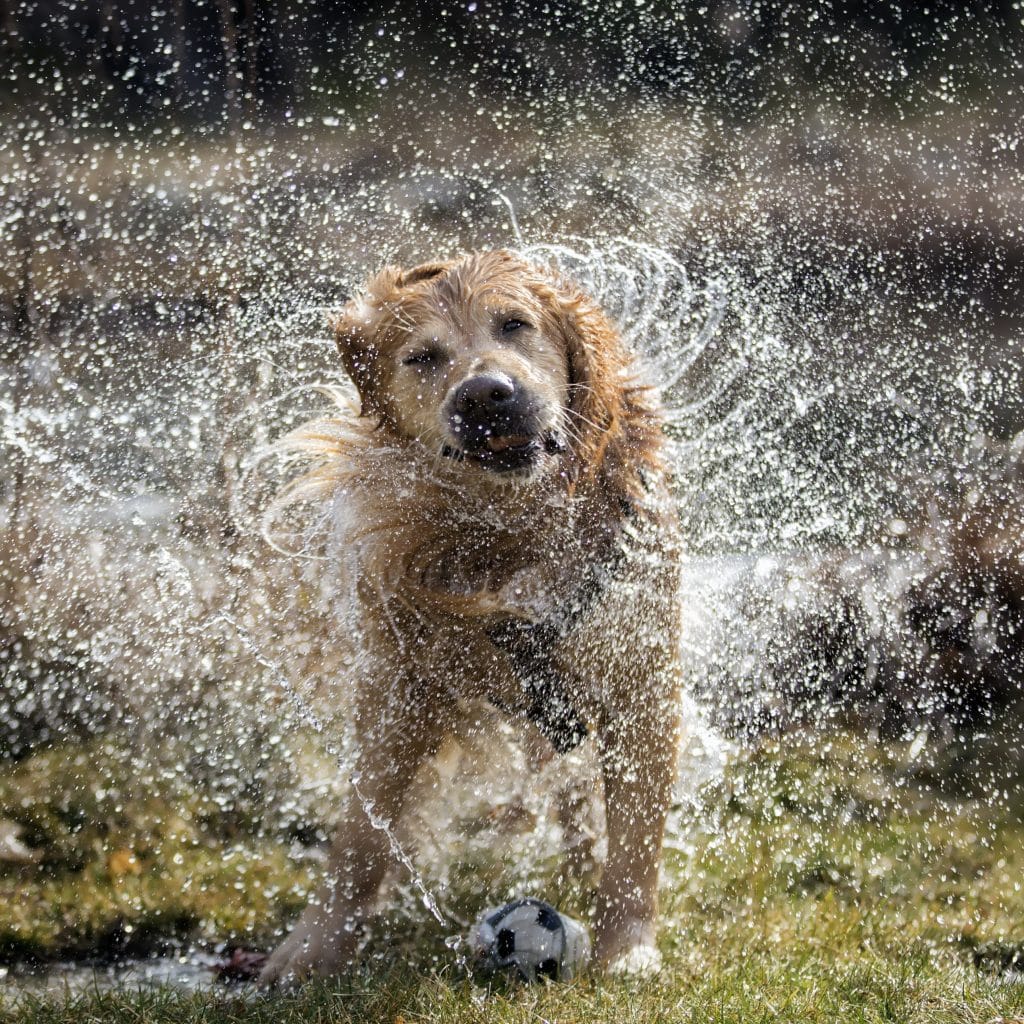
Larger dogs, long-haired breeds, and homes with multiple dogs bring in more water for the same reason a thicker towel takes longer to dry: there is simply more wet material holding moisture indoors. That is a practical inference from how moisture behaves in homes, and it matters more when a property already struggles to clear humid air.
Dog areas also tend to be in the wrong places. Beds are often pushed against an outside wall, below a window, beside patio doors, or in an unheated utility room. Those are exactly the cooler surfaces where moist air condenses first.
Pets and condensation
Occupied homes are generally most comfortable around 40% to 55% relative humidity, and homes that sit regularly above 60% are at higher risk of condensation and mould.
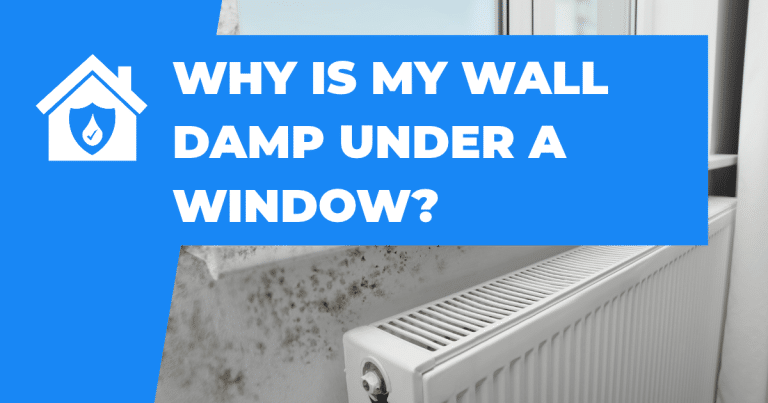
Condensation forms when moist indoor air hits a colder surface, which is why damp corners around dog beds can show up even when the rest of the room seems fine.
That is why pets and condensation are so often linked in real homes.
In Bournemouth and Poole, coastal air can mean slower drying after wet walks. In Bath and Bristol, solid-walled homes built before the 1920s or before 1919 are common enough that colder internal wall surfaces remain a day-to-day challenge for homeowners.
Most common dog-related moisture sources
| Cause | Why it can lead to damp | Best mitigation |
|---|---|---|
| Wet fur and towels | Moisture evaporates into the room and raises humidity | Towel-dry at the door, use washable entry mats, run extraction or a dehumidifier afterward |
| Damp bedding | Thick textiles dry slowly and trap moisture and odour | Rotate washable bedding, dry it fully, use a waterproof or wipe-clean bed base |
| Water bowls | Repeated drips and splashes can wet floors and skirtings | Put bowls on a waterproof tray and away from cold external walls |
| Beds against outside walls | Warm moist air meets a cold surface behind the bed | Leave a gap behind the bed and avoid cold corners or low window reveals |
| Indoor drying in closed rooms | Humidity lingers, then condenses on windows and walls | Open windows briefly, keep trickle vents open, and maintain even heat |
Signs your dog may be contributing to damp
The usual clues are localised and repetitive. You might notice a persistent damp patch near the dog bed, condensation on lower window panes close to the sleeping area, a musty smell in one corner, black mould spotting on skirting boards, or soft furnishings that never seem to feel fully dry. If the smell is strongest around wet bedding, baskets, or rugs, the issue may be trapped moisture rather than “dog smell” alone.

But if wet dogs damp seems to be spreading, or the signs include peeling paint, staining, softened skirtings, decayed timber, or damp patches that appear away from the dog area, the pet may only be exposing a bigger problem. Penetrating damp, hidden plumbing leaks, cold bridges, blocked airbricks, and salt-contaminated plaster can all mimic or worsen condensation.
Why it matters for health and the building
Excess indoor moisture is not just cosmetic. Too much moisture can damage the fabric of the building, damp and mould produce allergens, irritants, spores, and other toxins that mainly affect the airways and lungs.
Around 2 million people in England are living in homes with significant damp and/or mould, and that damp and mould were associated with roughly 5,000 cases of asthma and 8,500 lower respiratory infections among children and adults in 2019. – According to Energy Saving Trust
For the structure itself, long-term moisture raises the risk of timber decay. Wet rot and dry rot affect timber where moisture is present and should be dealt with without delay. In older homes with suspended timber floors, blocked underfloor ventilation can make matters worse, which is why airbricks and underfloor grilles should not be blocked by landscaping, debris, or internal alterations.
What to do if dogs are making a room feel damp
At Nordic Damp Proofing, our first advice is routine, not chemistry.
Dry the dog properly at the threshold, wipe paws and underbellies, and get wet towels out of the room quickly.
The RSPCA advise drying dogs off after wet walks, wet dogs should be towel- or hair-dried to prevent skin problems and matting.
Then deal with the air, not just the dog. Use extractor fans, trickle vents, or a cracked-open window after dog baths, after rainy walks, and whenever you are drying dog towels or bedding indoors.
Next, change the layout. Move dog beds a little off external walls, avoid putting bowls in cold corners, use washable bedding that can be fully dried, and keep rooms evenly heated so one cold corner does not become the condensation point. In older homes, keep wall vents and airbricks clear, because those openings help keep timber floors and joists dry.
If the problem still persists, start thinking about the building.
Check gutters, roof edges, external pointing, door thresholds, and any nearby airbricks.
Quick checklist after a wet walk
- Towel-dry the coat and paws before the dog settles indoors.
- Swap wet bedding or towels for dry ones.
- Run extraction or a dehumidifier for a short period afterward.
- Check the dog bed is not tight against an outside wall.
- Empty any splashed water from mats or bowl trays.
When to book a damp survey
If damp patches keep coming back, mould returns after cleaning, skirting boards feel soft, or a room still smells musty after you improve drying and ventilation, it is time for a specialist inspection.
That is exactly why Nordic Damp Proofing offers detailed damp surveys and practical damp proofing services.
If you are searching for damp surveys Bournemouth, or need honest advice in Poole, Bath, or Bristol, we can tell you whether the dog is the cause, a contributor, or simply drawing attention to a bigger damp problem.
Book a survey today and get a clear diagnosis before the smell, mould, or timber damage gets worse.