
Yes—damp and mould can make you ill.
UK Government guidance states that damp and mould primarily affect the airways and lungs (and can also affect eyes and skin), and that the respiratory effects can be serious. It also stresses that damp and mould can produce allergens, irritants, spores and other toxins, and that dampness alone (even without visible mould) can increase health risks.
In England, the presence of damp and/or mould in homes was estimated to be associated with ~5,000 cases of asthma and ~8,500 lower respiratory infections in 2019. England’s official housing condition data also shows damp is common: the English Housing Survey reported dampness in around 1.0 million households (4%) in 2022–23, with private renters most affected (10%).
If you’re a homeowner or landlord, the most important principle is this: treat the cause, not the symptom. Poor-quality “quick fixes” can waste money and leave people exposed. Historic England warns that damp can have many sources, causes can be hard to determine, and remedial work can make things worse if diagnosis is wrong.

How damp and mould form in homes
Moisture becomes a problem when a building can’t manage it—either because too much water is getting in, or because the home can’t dry out. Excess moisture can accumulate due to occupants’ activities, building defects, faulty services, leaking drains/utilities, groundwater, or emergencies (like flooding).

In day-to-day housing, damp typically shows up through a handful of mechanisms:
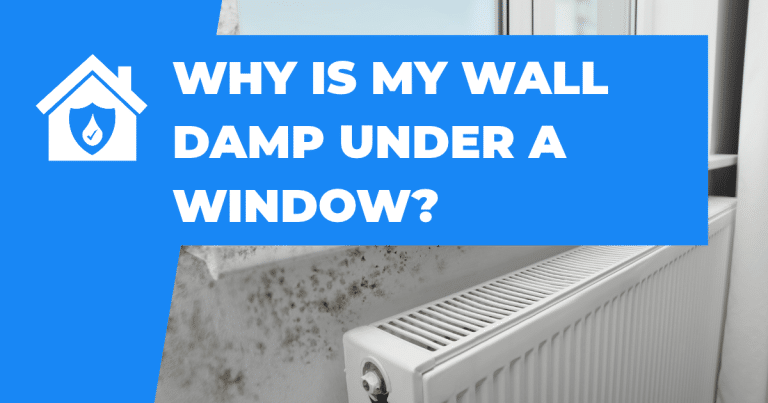
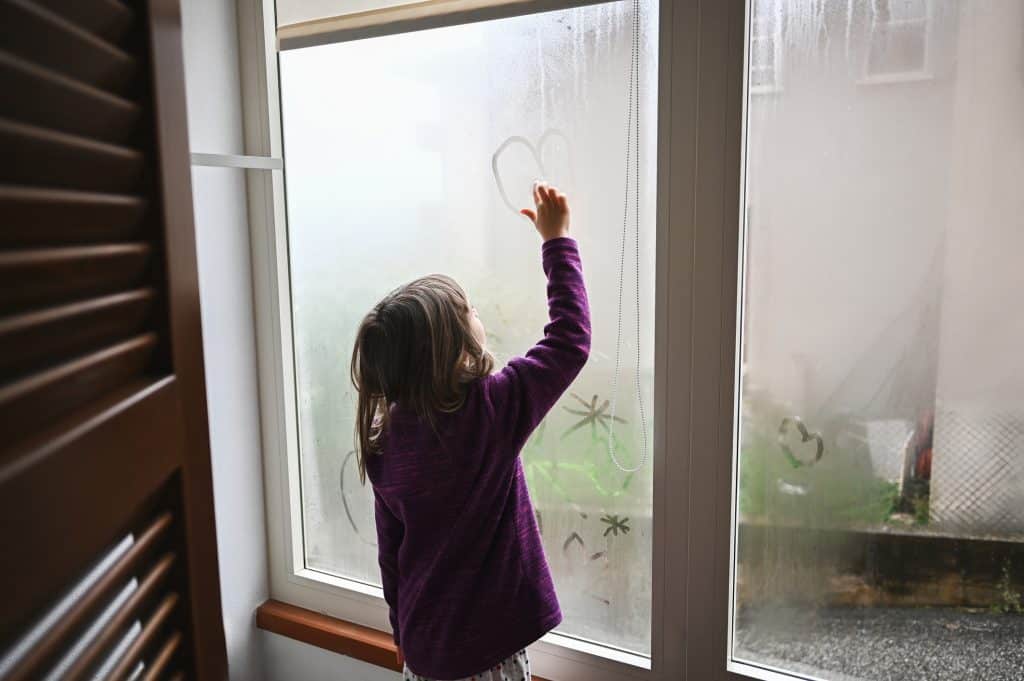
Condensation is when humid indoor air meets colder surfaces (windows, corners, external walls) and turns into water droplets. That moisture can support mould if it’s persistent.
Penetrating damp is water coming through the building envelope—roof defects, cracked render, defective pointing, broken seals around windows, or overflowing gutters. The Government’s damp and mould guidance lists these as common external checks.
Rising damp is moisture moving up from the ground, usually affecting ground floors and basements. But “rising damp” is often misdiagnosed; correct identification matters.
Internal leaks (sometimes called “traumatic damp”) come from plumbing failures, overflows, or leaks in services—often creating localised staining that can look like other damp types.
What the evidence says about health risks
Government health guidance is explicit: damp and mould can cause general respiratory symptoms such as cough, wheeze and shortness of breath, can increase the risk of airway infections (including aspergillosis), and is linked to development or worsening of allergic airway disease including rhinitis, asthma, bronchitis, hypersensitivity pneumonitis, and COPD.
The evidence isn’t just theoretical. In England, damp and/or mould exposure was estimated to be associated with ~5,000 asthma cases and ~8,500 lower respiratory infections in 2019, and contributed an estimated 2,800 disability-adjusted life years (DALYs) in the same year, according to UKHSA-led research.
Peer‑reviewed evidence supports these links. A systematic review and meta-analysis found that home dampness and mould were associated with an increased risk of developing asthma, particularly when exposure (such as mould odour) occurred before asthma onset. A separate meta-analysis reported that residential dampness and mould are associated with significant increases in respiratory infections and bronchitis.
Rhinitis matters too. Government guidance cites an estimate that damp and mould contributed to 1–2% of new allergic rhinitis cases in England in 2019, and a meta-analysis concluded indoor dampness and mould are determinants of rhinitis risk.
Symptoms to watch for
A key pattern is symptoms that worsen at home and improve when away (for example, at work or on holiday). That doesn’t prove mould is the only cause—but it is a strong reason to investigate the home environment.
Symptoms vs likely damp/mould driver
| Symptom | Likely damp/mould-related driver to consider |
|---|---|
| Persistent cough, wheeze, breathlessness | Airway irritation/allergenic exposure; asthma exacerbation; damp home conditions |
| Nasal congestion, sneezing, itchy/runny nose | Allergic rhinitis triggered by mould allergens/spores |
| Eye irritation/redness; skin flares (eczema/rash) | Irritants/allergens from mould; damp-related inflammation |
| Recurrent chest infections (especially in winter) | Increased risk of airway infections in damp/mouldy homes |
| Flu-like episodes with breathlessness after exposure (rare) | Hypersensitivity pneumonitis is recognised in damp/mould guidance; needs medical assessment |
| Symptoms plus a strong “mould smell” even without visible mould | Potential hidden mould (behind wallpaper, carpets, boxing); chronic exposure risk |
If symptoms persist, especially breathing symptoms, seek medical advice and tell the clinician about household damp/mould exposure.
Which moulds are most concerning and why
Not all mould is equal, and the colour alone is not a reliable guide. That said, several indoor genera are commonly associated with allergy and respiratory risk.
Aspergillus matters because it can cause aspergillosis, an airway infection that is rare in healthy people but can affect those with lung disease or weakened immunity. NHS information lists “damp buildings” as one environment where the mould is found.

Cladosporium and Penicillium are widely encountered and commonly linked with indoor allergy. An NHS trust “Mould Allergy Advice” sheet describes Cladosporium as frequently encountered in air and notes it is found on window frames and in damp, poorly ventilated areas; it also lists Penicillium as associated with indoor allergy.
Stachybotrys chartarum (“toxic black mould”) is concerning because certain strains can produce trichothecene mycotoxins under damp, water‑damaged conditions. A toxicology review discusses macrocyclic trichothecene mycotoxins and mechanisms relevant to respiratory inflammation and cytotoxicity, and an experimental building-material study found trichothecenes produced on water-damaged wall components after simulated flooding.
The practical takeaway is not to obsess over species identification before acting. Government guidance emphasises that damp and mould generate harmful exposures (allergens, irritants, spores, toxins) and that the health impacts worsen the longer problems persist.
Vulnerable groups and “hidden exposure” risks
Children and older adults are consistently highlighted as higher-risk. NHS Inform lists babies, children, older people, and those with asthma/eczema or weakened immune systems as more sensitive, and advises these groups to stay away from damp and mould as much as possible.
Hidden mould is a major “less obvious” hazard. Government guidance warns that a mould smell without visible mould can indicate mould behind wallpaper, beneath carpets, behind furniture or inside ventilation units, and cautions that disturbing wallpaper/carpets can release large amounts of spores. This matters because chronic low-level exposure can continue for months without obvious visual signs.
There are also “non‑mould” biological exposures associated with damp homes. The Government notes excessive moisture promotes microorganisms including mould and fungi, dust mites, bacteria and viruses. In the scientific literature, dampness-related health mechanisms include inflammatory reactions to cell wall components (such as beta‑glucans) and endotoxins, alongside allergenic sensitisation.
Laws and duties in the UK: what homeowners and landlords should know
This section is general information, not legal advice. The core principle is that homes should be safe and healthy.
In England, the Government’s damp and mould guidance notes that legislation (including provisions linked to the Homes (Fitness for Human Habitation) framework) requires rented homes to be free from hazards—explicitly including damp and mould—so serious that the dwelling is not reasonably suitable for occupation in that condition.
For social housing in England, Awaab’s Law introduces strict timeframes. Official guidance states significant damp and mould hazards must be investigated within 10 working days, made safe within 5 working days, and tenants must receive a written summary within 3 working days of the investigation finishing (with additional work starting within set timelines).
For landlords more broadly, Government guidance is clear on behaviour: respond sensitively, treat reports with urgency, and do not delay action to await medical evidence. It also states that simply removing surface mould is not enough—underlying causes must be tackled.
For tenants, Shelter advises taking photos, keeping a record of contacts and replies, and getting proof the landlord received the report.
What to do: practical steps and a professional pathway
If you’re a homeowner, start by identifying moisture sources and patterns: does damp worsen after rain (penetrating damp), appear after showers/cooking (condensation), or show as a persistent low-level tide mark (ground moisture)?
If you’re a landlord, the Government recommends internal and external checks (gutters, roof finishes, bridged DPCs, peeling wallpaper, staining, defective plaster, consistently high humidity, low wall temperature, ventilation/heating problems).
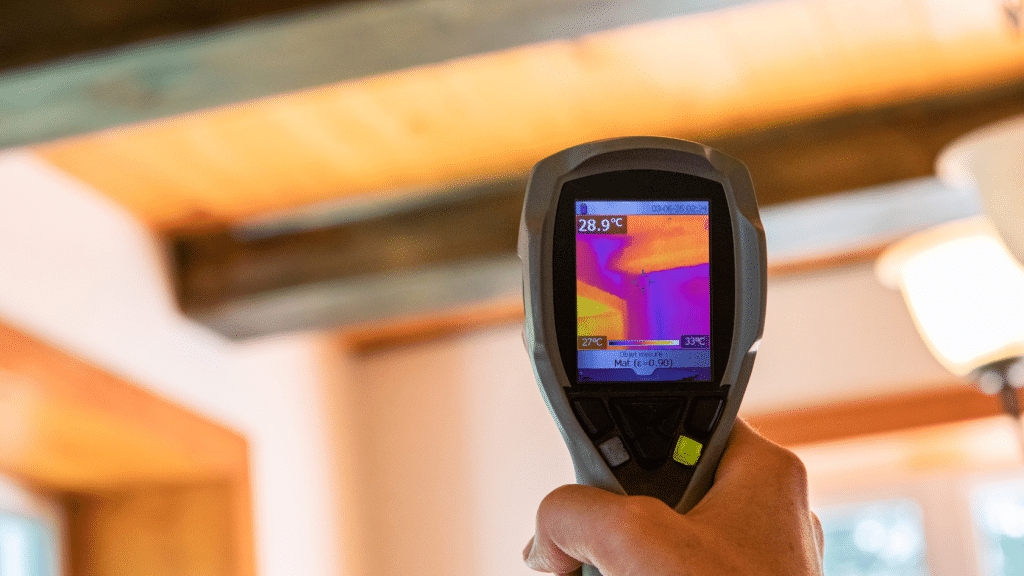
When the situation is persistent or health-related, move to professional diagnosis. Complex cases may warrant physical testing such as thermography (thermal imaging), environmental monitoring and microbial sampling, and that landlords should seek qualified support to avoid misdiagnosis. If we need to see inside cavities or voids, a borescope inspection can be carried out through a small access hole (often around 10mm) to minimise disruption while providing photographic evidence.
Quick tenant checklist (action and why it matters)
| Action | Why it matters |
|---|---|
| Photograph mould/damp and note dates/rooms | Builds a clear evidence trail and supports correct diagnosis |
| Report in writing and keep proof of receipt | Prevents “lost report” disputes and establishes timelines |
| Track humidity (simple hygrometer) and room temperature | Helps separate condensation-driven issues from leaks/penetrating damp |
| Avoid disturbing suspected hidden mould (wallpaper/carpets) | Disturbance can release significant spores; seek professional help if unsure |
| Seek medical advice for persistent respiratory symptoms | Clinicians can treat symptoms; housing conditions must still be fixed |
When to call Nordic Damp Proofing
Call us if you have persistent mould, any health symptoms you suspect are linked to the home, damp that returns after cleaning, damp that worsens after rain, or visible signs of material breakdown (crumbling plaster, decaying skirtings/timber). Hidden mould odour alone is a valid reason to investigate, particularly where vulnerable people live in the property.
Our process starts with evidence-led diagnosis (moisture profiling, thermal imaging where appropriate, humidity logging, and minimally invasive inspections where needed) and then moves to the correct fix—ventilation upgrades, leak repairs, penetrating damp remediation, damp-proofing solutions, and professional mould remediation.
To get clear answers and a remedial plan, book Damp Surveys or explore our full treatment options under Damp Proofing Services. We offer free quotes for homeowners and landlords, and qualifying work can be backed by 25-year guarantees delivered by PCA-trained, accredited surveyors.