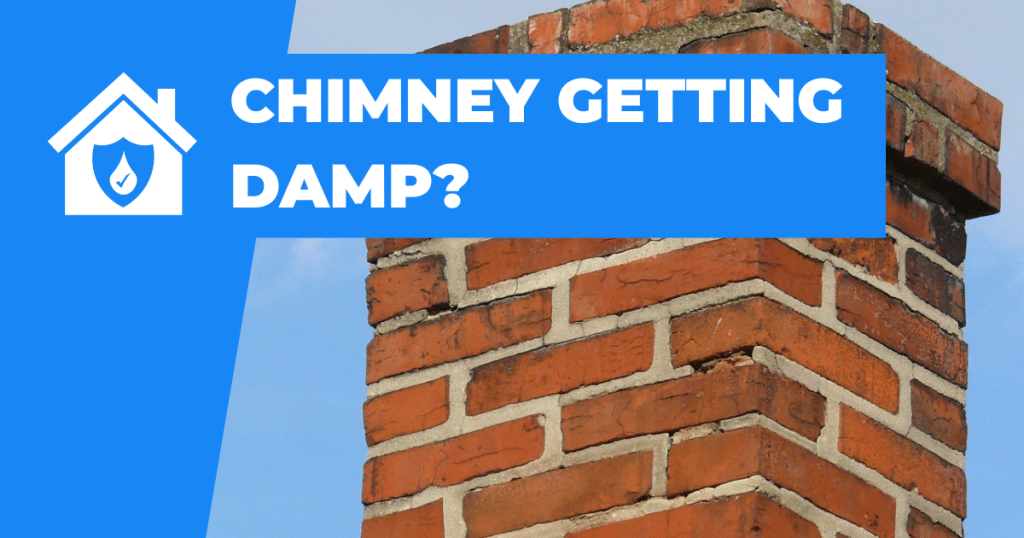
If your chimney is getting damp, you are not alone. At Nordic Damp Proofing, we regularly diagnose chimney-related damp across Bournemouth, Poole, Christchurch, Bath and Bristol. In fact, chimney damp is one of the most common penetrating damp issues we encounter in coastal and historic properties.
Across the UK, a significant proportion of the housing stock was built before 1960, long before modern damp-proofing standards were introduced. Victorian, Edwardian and early 20th-century homes almost always included at least one chimney breast. In cities like Bath and Bristol, Georgian and Victorian terraces dominate entire streets. Along the South Coast, many properties in Bournemouth, Poole and Christchurch were constructed during similar periods.
This means millions of homes still have original chimney stacks. The problem is that chimneys are one of the most exposed and vulnerable parts of any building.
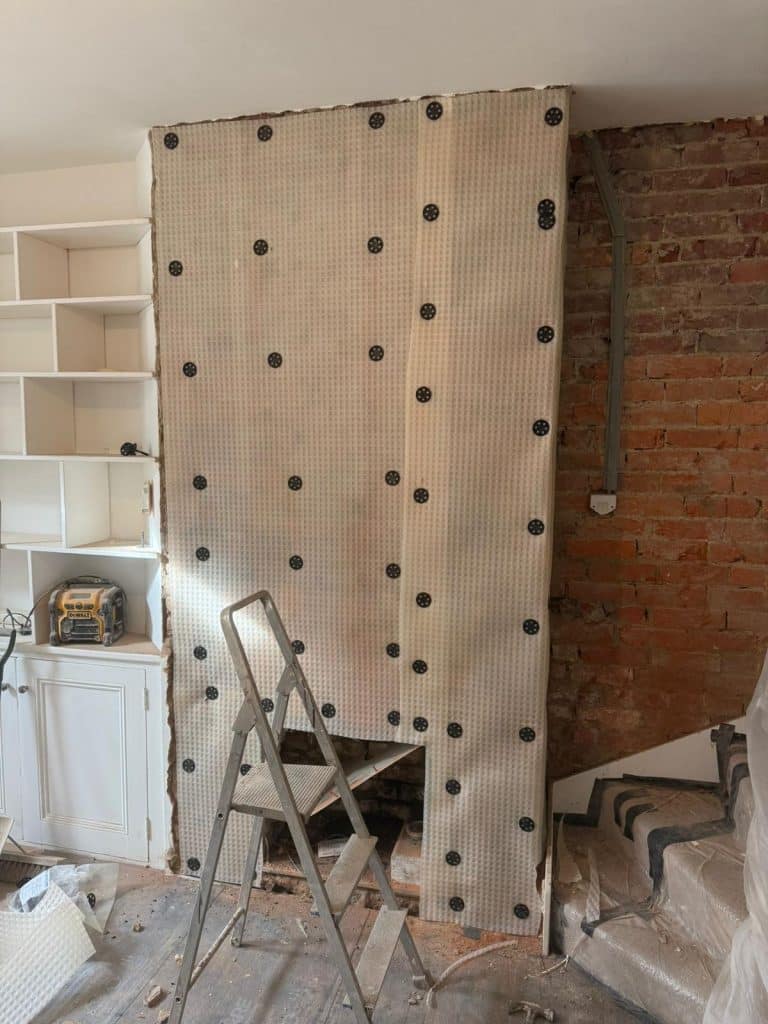
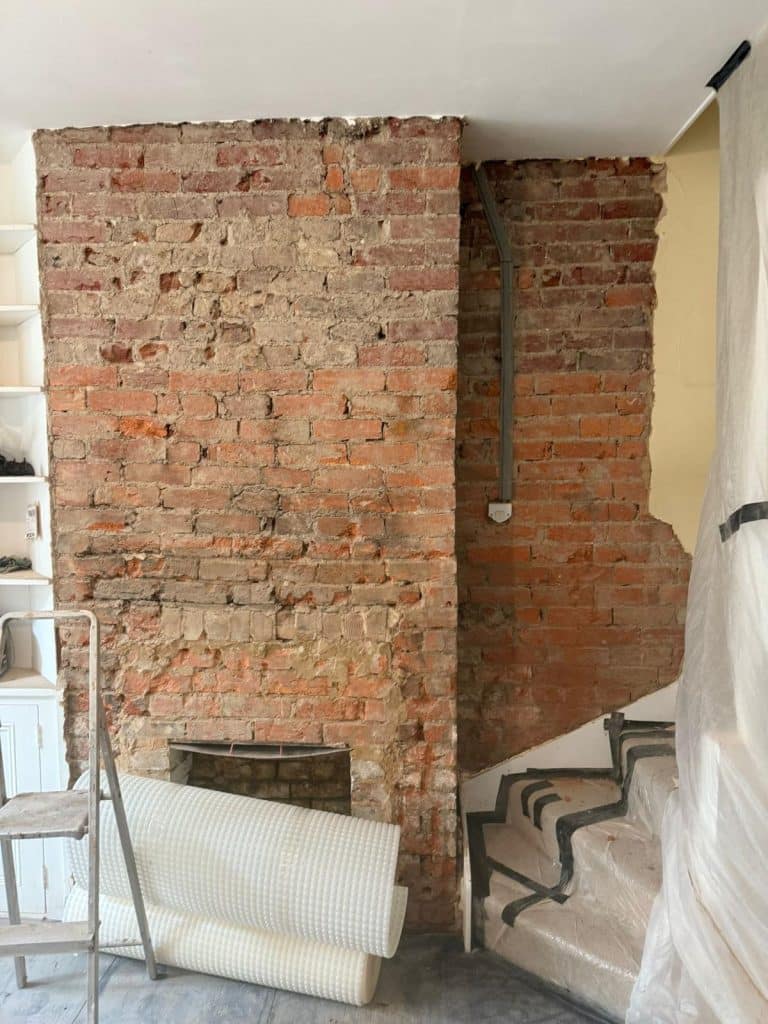
Why Chimneys Get Damp
We often explain to homeowners that a chimney is effectively a vertical column of brick or stone sitting above roof level, fully exposed to rain, wind, frost and temperature changes. Unlike most walls, chimney stacks receive driving rain from all directions.
In coastal towns such as Bournemouth and Poole, salt-laden air and wind-driven rain accelerate mortar decay. In historic cities like Bath and Bristol, porous stone and ageing lime mortar increase water absorption. Over time, this exposure allows moisture to penetrate.
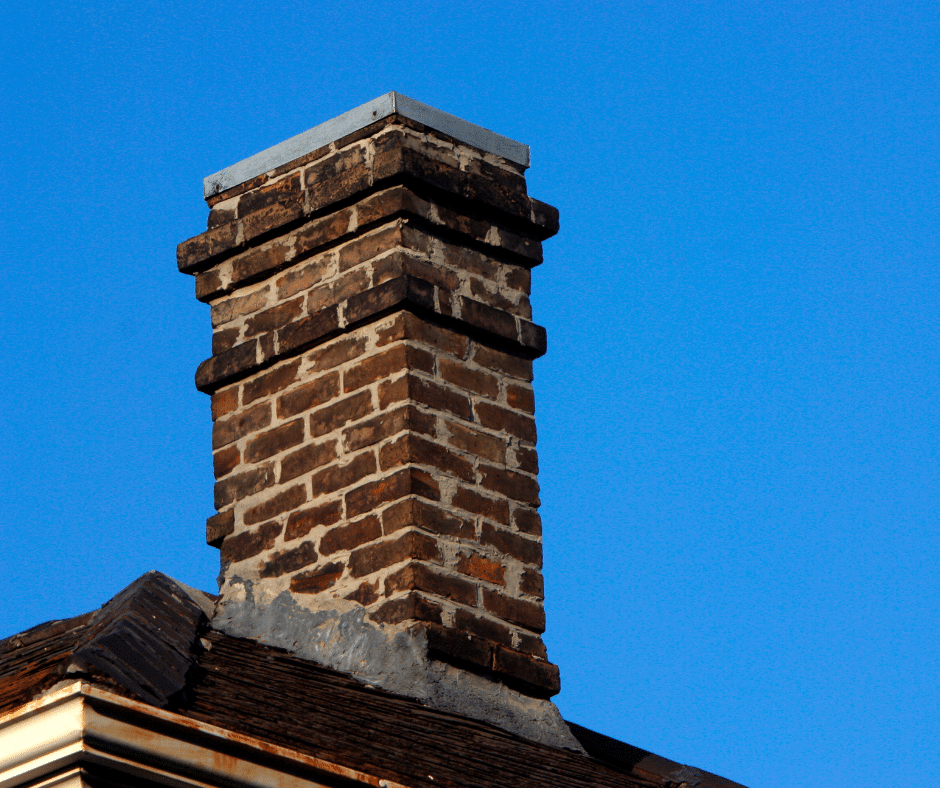
The most common causes we find when a chimney is getting damp include:
Rain entering the flue
If chimney pots are not fitted with appropriate cowls or caps, rain can fall directly down the flue. Over time, water saturates the internal brickwork and soaks into the chimney breast.
Failed or damaged flashing
Lead flashing forms the waterproof seal between the chimney stack and roof covering. When flashing cracks, lifts or deteriorates, water tracks into the roof space and internal walls.
Deteriorated pointing
Mortar joints naturally erode with age. In exposed coastal areas like Christchurch and Bournemouth, this can happen more quickly due to constant wind-driven rain. Open joints allow moisture to pass directly into the stack.
Condensation in unused chimneys
Modern homes often seal off fireplaces without maintaining airflow. When a chimney is no longer in use, warm moist air condenses inside the flue. Without ventilation, this moisture accumulates and causes damp staining internally.
Hygroscopic salt contamination
Old soot deposits contain sulphates and other salts. These salts attract moisture from the air, even when there is no active water leak. We frequently see chimney breasts that feel damp due to salt contamination rather than ongoing rain penetration.
Read more about Salt Damp here!
Blocked ventilation
If fireplaces have been removed and no air bricks or vents installed, moisture becomes trapped within the chimney breast, worsening internal damp conditions.
Signs Your Chimney Is Getting Damp
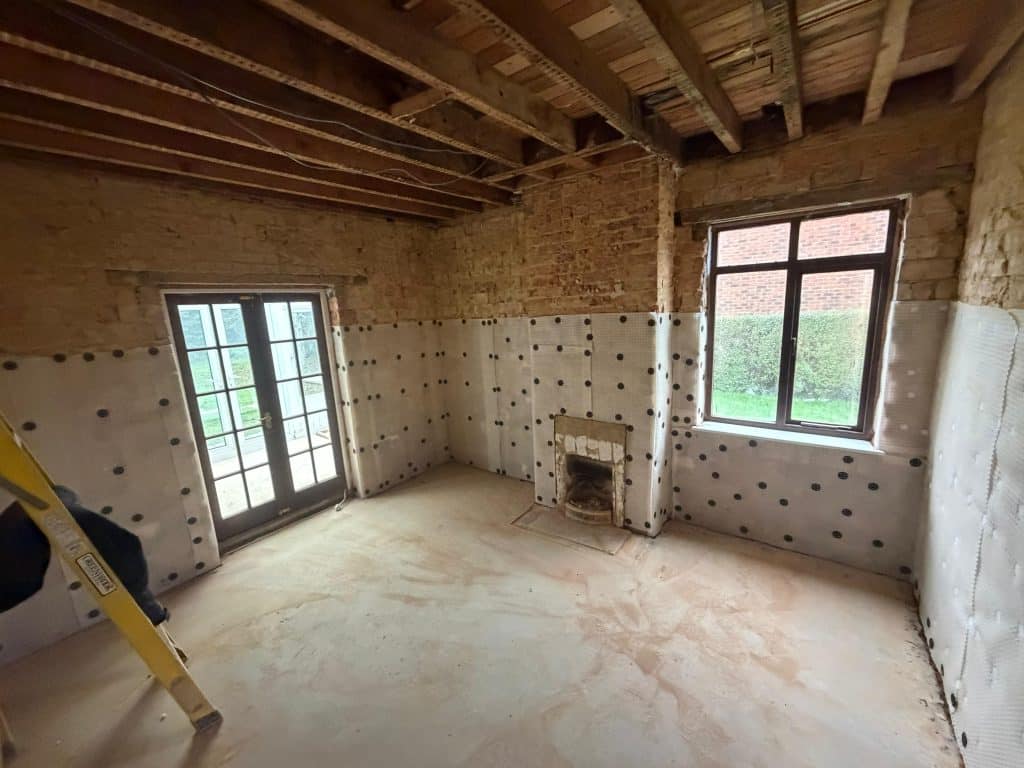
When inspecting properties across Dorset and the South West, we look for clear patterns that indicate chimney damp. Common signs include:
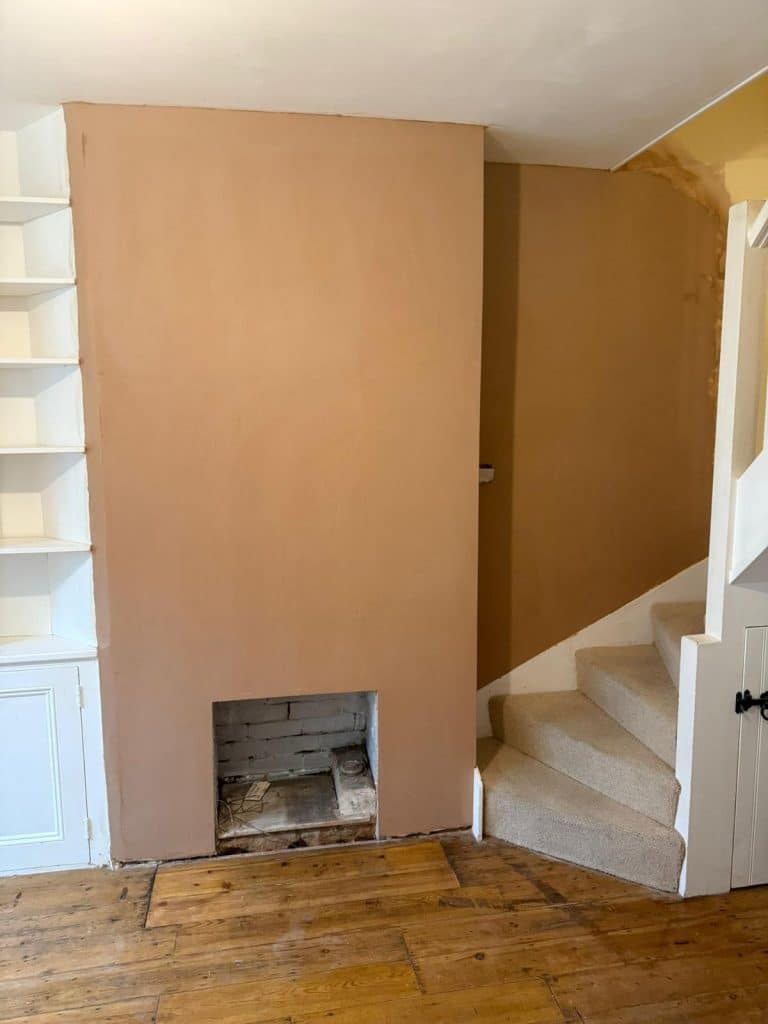
- Brown staining on chimney breast walls
- Damp patches that worsen after rainfall
- Peeling paint or bubbling wallpaper
- Musty odours in living rooms or bedrooms
- White powder deposits (salt efflorescence)
- Crumbling plaster
- Damp areas higher up the wall rather than at skirting level
Chimney Damp vs Rising Damp
Homeowners often confuse chimney damp with rising damp. The location and pattern are key indicators.
| Feature | Chimney Damp | Rising Damp |
|---|---|---|
| Location | Mid to upper wall | Lower wall (up to 1m) |
| Trigger | Rainfall or humidity | Ground moisture |
| Common in | Chimney breasts | Ground floor walls |
| Salt staining | Often present | Often present |
| Seasonal pattern | Worse in autumn/winter | Fairly consistent |
Chimney damp typically appears on the chimney breast and may worsen after storms or in colder months. Rising damp is normally limited to the lower section of ground floor walls and is caused by moisture travelling up from the ground.
At Nordic Damp Proofing, we always carry out a full moisture survey to identify the true cause before recommending treatment. Correct diagnosis prevents unnecessary or ineffective work.
Why Chimney Damp Is So Common in Bournemouth, Poole and Christchurch
We believe coastal exposure is a major factor. These South Coast towns experience:
- Persistent wind-driven rain
- Salt-laden air
- High humidity levels
- Seasonal storm systems from the Channel
Salt exposure accelerates mortar breakdown and increases hygroscopic contamination. Chimneys in these areas are under constant environmental stress.
Why Chimney Damp Is Common in Bath and Bristol
In Bath and Bristol, the issue is often linked to property age and construction type. These cities have a high proportion of Georgian and Victorian homes built with solid walls rather than modern cavity construction.
Solid walls are more porous and allow moisture to spread laterally once penetration occurs. Many chimney stacks are integrated into party walls, making water tracking more complex. Ageing lime mortar and historic stone further increase absorption risk.
What Happens If You Ignore a Chimney Getting Damp
We always advise early intervention. Left untreated, chimney damp can lead to:
- Timber decay within roof structures
- Wet rot affecting joists and rafters
- Salt contamination that destroys plaster finishes
- Structural brickwork deterioration
- Mould growth and associated health concerns
- Reduced property value
In rental properties, persistent damp may also raise issues under housing health regulations.
How Nordic Damp Proofing Resolves Chimney Damp
We approach every case methodically.
Step 1 – Comprehensive Damp Survey
We inspect the chimney stack, flashing, roof condition, pointing, ventilation and internal moisture levels. We also test for salt contamination to determine whether hygroscopic salts are contributing.
Step 2 – Address External Defects
Where necessary, we recommend repairs such as repointing chimney stacks, repairing or replacing flashing, installing chimney cowls or caps, and replacing damaged brickwork.
If penetrating damp is identified, we tailor a treatment plan to stop water ingress at source.
Step 3 – Internal Salt Treatment and Replastering
If plaster has been contaminated by salts, it must be removed and replaced with a breathable, salt-resistant system. Simply redecorating will not solve the issue.
Step 4 – Improve Ventilation
For unused chimneys, we may recommend installing appropriate vents, adding chimney caps designed for airflow, and improving overall room ventilation to reduce condensation risk.
When to Contact Nordic Damp Proofing
We strongly advise against quick cosmetic fixes. Painting over a damp chimney breast traps moisture and often worsens the problem.
We believe in identifying the true cause before treatment. Our team consists of PCA-trained surveyors and accredited specialists with decades of combined experience. We provide clear reports, practical solutions and long-term guarantees.
You should contact us if:
- Damp patches are appearing on your chimney breast
- Staining worsens after heavy rain
- You live in a coastal location
- Your property is Victorian, Georgian or pre-1960
- Damp keeps returning after redecoration
Book a Chimney Damp Survey Today
If your chimney is getting damp in Bournemouth, Poole, Christchurch, Bath or Bristol, do not ignore it. Early diagnosis prevents more serious structural damage and costly repairs later.
Contact Nordic Damp Proofing today to arrange a professional survey and expert advice.
We find it. We treat it. We stop it coming back.