Rotten skirting boards can look alarming, but damp issues are extremely common in UK homes and usually fixable. Skirting boards sit right at floor level, so they’re often the first place to show signs of moisture. Think of them as an early warning sign rather than the main problem. The key is understanding why skirting boards rot, what it means for your home, and what steps you should take to stop the damage from spreading.
Why Skirting Boards Rot: Common Causes
Skirting boards usually rot because moisture has entered the timber or the wall behind it. The most common causes include:
Rising damp

Moisture from the ground can rise up through walls if the damp-proof course (DPC) has failed, is missing, or has been bridged. This moisture can travel into skirting boards, floor timbers and plaster, causing decay.
Leaks and penetrating damp
Leaking pipework, damaged gutters, overflowing downpipes, defective roofing, or damp basements can all allow water to penetrate walls. Once the lower part of a wall becomes saturated, the skirting board quickly absorbs the moisture.
Condensation and poor ventilation
Modern homes are often more airtight, meaning moist indoor air cannot escape. When this warm, humid air hits a cold wall, it condenses. Over time, repeated condensation can soak into skirting, especially in bathrooms, kitchens or poorly ventilated bedrooms.
Bridged damp-proof course
If the ground level, external render, paving, or internal plaster covers or bridges the DPC, moisture can bypass the barrier and rise directly into the wall and skirting.
Age and materials
Older homes often have softwood skirting, lime plaster and breathable materials that readily absorb moisture. Newer homes may use MDF skirting, which swells, flakes and crumbles very easily when damp.
Any prolonged contact with moisture will make skirting boards swell, warp and eventually rot.
Old vs New Skirting Materials
Older properties usually have solid wood skirting (pine, oak etc.), fixed to plaster walls. These can last for decades but will rot if exposed to regular moisture.
Newer properties commonly use:
• MDF skirting – cheap, clean-looking, but very vulnerable to swelling and crumbling if wet
• PVC or plastic skirting – moisture resistant but can trap damp behind it if walls are wet
Regardless of the material, consistent moisture will eventually damage any skirting board.
Signs of Rotting Skirting Boards
Look closely for the following warning signs:
Soft, crumbling wood

Press gently with a screwdriver. If the board feels soft, mushy, spongy or breaks apart, it is rotten.
Bubbling or peeling paint
Moisture and salts under the paint cause lifting, cracking, or flaking at the base of walls.
Dark patches or tide marks
Brown stains, dark patches or a “tide line” above the skirting usually indicate rising or penetrating damp.
Musty or mouldy smell
A persistent damp smell at floor level often suggests long-term moisture trapped in the wall or timber.
White salt deposits
Crystals forming on the surface of plaster or skirting indicate rising damp. These salts pull moisture from the air, keeping the area wet.
Visible fungus or mould
Black mould, white fungal strands or decayed wood fibres are all signs of advanced moisture penetration.
Any of these symptoms mean moisture has been present for some time.
Rotting Skirting Boards: A Sign of a Bigger Damp Problem
Rotting skirting rarely occurs in isolation. It usually means the wall or floor behind it is damp, often for months or even years. Skirting boards are simply the first thing you can see – the real problem is usually behind or beneath them.
For example:
• Rising damp affects skirting, plaster, floorboards and joists
• A plumbing leak may soak the floor void or wall cavity
• Penetrating damp from outside can spread through external masonry
• Poor ventilation can cause mould and damp across multiple rooms
Treat rotten skirting boards seriously – they are a symptom, not the cause.
What to Do Next: DIY Checks and Professional Help
If you discover rotten skirting boards, here are the steps to take:
Investigate the source
Carefully remove a small section of damaged skirting (if loose) to inspect behind it. Check for obvious sources of moisture inside and outside. Look for leaks, overflowing gutters, high ground levels, damp basements or cracks in masonry.
Improve ventilation and heating
Increase airflow and reduce condensation temporarily by opening windows, using extractor fans, or running a dehumidifier. This won’t fix a leak or rising damp, but it can slow the spread.
Optional: Use a moisture meter
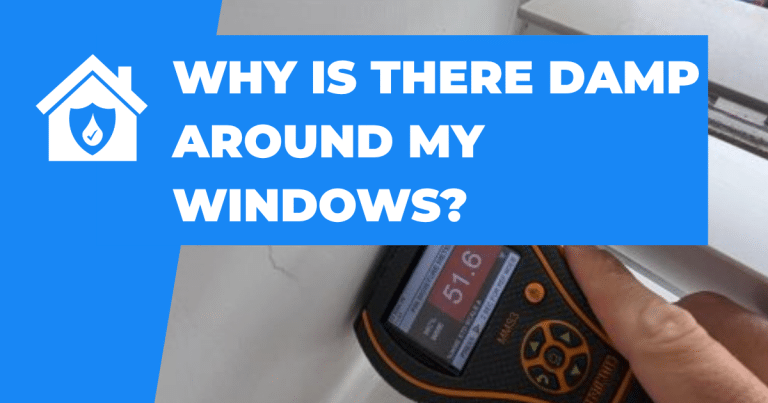
A basic moisture meter can confirm if the issue is still active. Moisture readings above roughly 18–20% mean ongoing dampness.
Check the extent of the damage
Is it one wall or several rooms? Are the flooring, joists or door frames also damp? The wider the spread, the more important it is to get a full property survey.
Book a professional damp survey
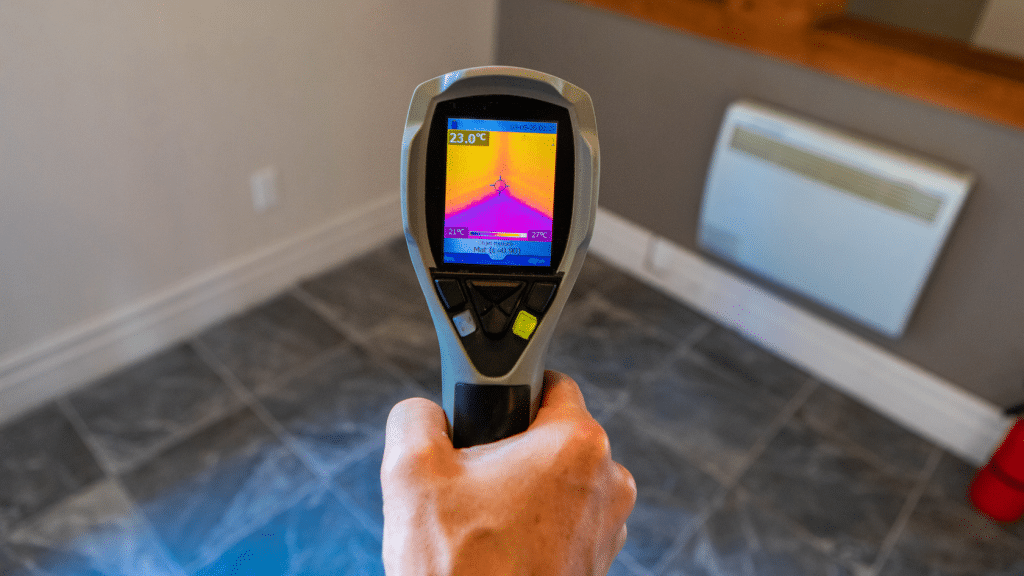
A qualified damp specialist will carry out a full assessment, using calibrated moisture meters, salt analysis and thermal imaging to pinpoint the exact cause. This avoids guesswork and prevents misdiagnosis.
Who to call
• If you find a leaking pipe – call a plumber (or us!)
• If the issue is roof or gutter related – call a roofer (Or us!)
• If the problem involves rising damp, structural damp or timber decay – call a damp specialist like us!
Document everything
Photograph the damage and track changes over time. This is useful for contractors, insurance, landlords or future property sales.
Risks of Ignoring Rotting Skirting Boards
Ignoring the issue can lead to:
Health problems
Damp and mould release spores that aggravate asthma, respiratory issues and allergies.
Structural damage
Rot can spread to joists, floorboards, plaster and masonry, reducing the structural integrity of your home.
More mould and pests
Persistent damp encourages mould, wet rot, wood-boring insects and even dry rot.
Higher heating bills
Damp walls lose heat rapidly and make rooms feel colder.
Reduced property value
Surveyors will always note damp and rot, which can affect mortgage approvals and sale prices.
Legal issues for landlords
Tenants must have safe, damp-free living conditions. Rotting skirting is often a sign of a breach in habitability standards.
Rising Damp and Floor-Level Damp
Rising damp typically shows as stains and salt deposits up to around 1 metre above floor level. Externally, high soil levels or raised paths can bridge the DPC and force moisture into the wall. In older homes without a functioning DPC, rising damp may have been active for years without obvious signs until the skirting begins to rot.
A damp survey will confirm whether rising damp is present and whether a chemical DPC, plaster replacement or ground-level reduction is required.
Encouraging Professional Damp Surveys and Treatment
Rotten skirting boards are a clear warning sign of moisture problems. The safest approach is to arrange a professional damp survey. Nordic Damp Proofing provides damp surveys, rising damp treatment and timber preservation services across Southampton, Dorset and Hampshire. We identify the cause, stop the moisture, and repair the affected areas properly.
Addressing the issue early avoids repeated repairs, mould regrowth and costly structural damage.
Steps to take now:
• Inspect your skirting and surrounding walls
• Improve ventilation temporarily
• Arrange a professional damp survey
• Follow recommendations for long-term treatment
“We Find It. We Treat It. We Stop It Coming Back.”