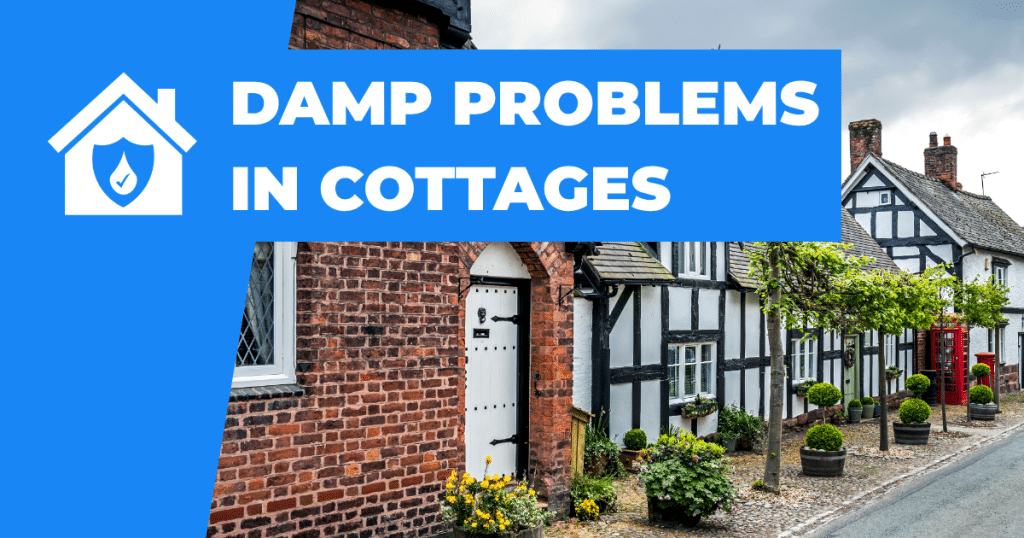
There is a lot to love about an old cottage. Thick stone walls, low beams, and a bit of history in the brickwork are all part of the appeal. But the charm often comes with one common issue which is damp. Cottages were built in a completely different way from modern homes, and if you do not understand how they are meant to work, it is easy to end up with damp patches, musty smells and flaking plaster that never quite go away.
Here is why cottages are so prone to damp and how to deal with it properly.
Why cottages hold onto moisture
Most period cottages have solid walls rather than the cavity walls found in newer houses. There is no gap to keep the outside weather away from the inside which results in moisture more easily working its way through thick stone or brick, especially on the side that catches the worst of the wind and rain.
Many cottages were also built before damp proof courses existed. A modern home has a barrier low in the walls to stop ground moisture rising up through the masonry. Plenty of cottages either never had one, or had an early version that has long since failed. This leaves the walls free to draw moisture up from the ground which shows as damp and tide marks near the floor.
Raised ground levels rarely help either. Over the years, patios, paths and flower beds tend to get built up against the walls, sometimes above the level of the original floor, and that gives damp an easy route in.
The breathability problem
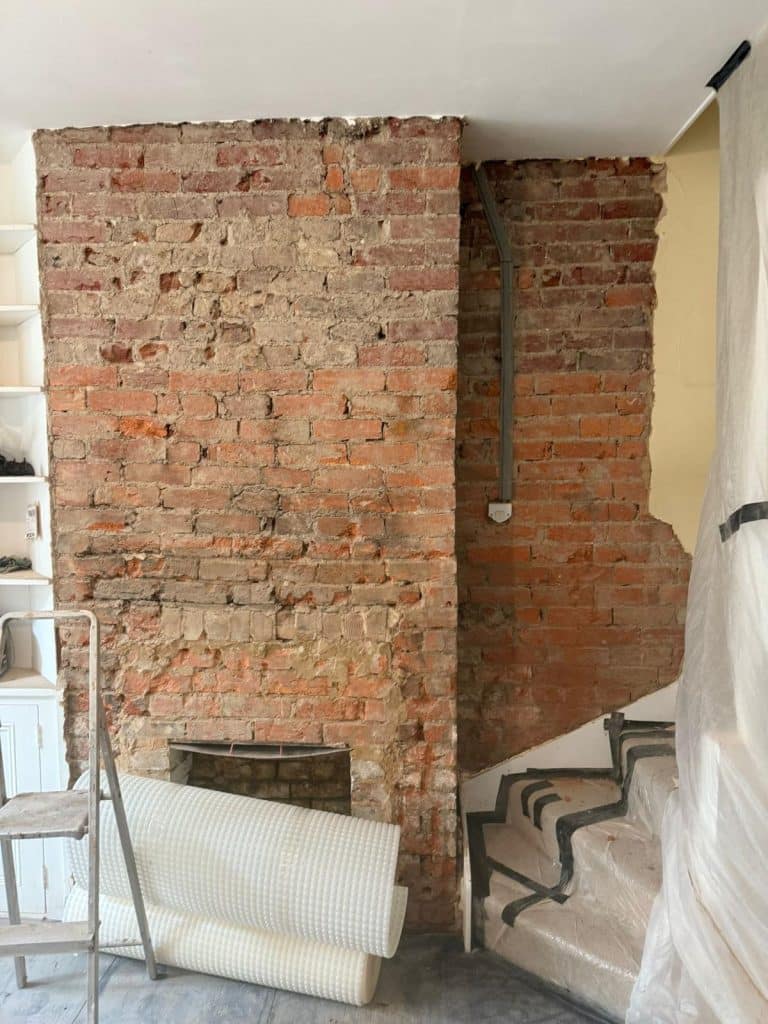
Here is the part people often miss. Old cottages were designed to breathe. Materials such as lime mortar, lime plaster, and soft masonry allow moisture to move naturally through the walls, so the building stays balanced.
Problems often begin when someone treats a cottage like a modern house. Cement render, gypsum plaster and waterproof masonry paints can trap moisture inside the walls instead of allowing it to evaporate. Over time, that trapped moisture causes plaster to blister, peel away or become damp again, even after repairs. A well-intentioned renovation can genuinely make damp worse.
Condensation in cottages
It is not all about the walls. Older cottages tend to have small windows, thick walls that stay cold, and rooms that were never built with modern ventilation in mind. Add a modern lifestyle of showers, cooking and drying laundry indoors, and you get condensation. That is the moisture you see on cold windows and walls in winter, and it is a very common cause of black mold in older homes.
Roofs, chimneys and floors
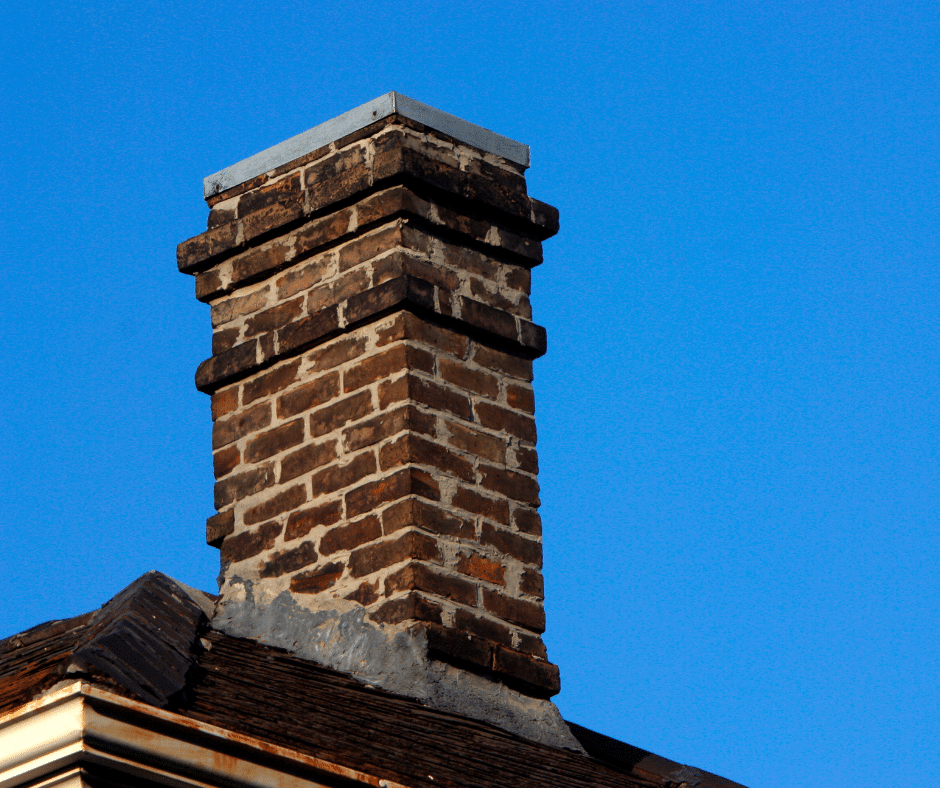
Cottages also have more of the features that let penetrating damp in. Old or slipped roof coverings, worn flashing around chimneys, and rendered walls that have cracked over the decades all give rain a way through. Below the floor, many cottages have suspended timber floors that rely on air bricks for ventilation. When those air bricks get blocked by soil, decking or a later extension, the space underneath cannot breathe, moisture builds up, and the floor timbers start to suffer.
Common signs to look for
Damp in older cottages doesn’t always announce itself straight away, but some warning signs are easy to spot:
- Tide marks or white salt deposits near the bottom of walls
- Crumbling or blown plaster
- A persistent musty smell
- Black mould around windows or in cold corners
- Soft, decaying skirting boards or timber floors
Because cottages often have thick walls and suspended floors, problems can be more serious than they first look.
Treating cottage damp the right way
The golden rule with a cottage is to work with the building, not against it. This usually means letting the walls breathe again by using lime-based plasters and renders, breathable paints, and better ventilation rather than sealing everything up tight. If rising damp is suspected, then the cause needs to be identified properly because the fix for a solid stone wall is not the same as for a modern cavity wall. Using the wrong treatment can waste time, money, and potentially create even bigger problems later on.
Work with someone who knows old buildings
The biggest mistake with a damp cottage is treating it like a modern house. Before committing to any work, it is worth having the cause diagnosed by someone who understands how period properties are built. Get that right, and the fix will suit the building rather than fighting it, and an old cottage can stay dry and healthy for many years to come.
If you are not sure what is driving the damp in your home, a proper survey will tell you. We’re around across Dorset, Hampshire and the South Coast if you would like a hand.