Yes, it can.
Failed silicone or mastic around windows, doors, roofline trims, flashings, gutters, and service penetrations can allow rainwater to get behind the outer skin of a building and soak into masonry, timber, or plaster.
That is one form of penetrating damp, which is different from rising damp and different again from ordinary surface condensation.
Official English Housing Survey data shows that 1.4 million dwellings in England had damp in 2024, with penetrating damp affecting 2% of homes, compared with 3% for severe condensation and 1% for rising damp. Building regulations also require buildings to resist moisture from precipitation, including wind-driven spray.
That matters even more in exposed locations. Rainwater penetration is more likely in coastal areas (Dorset, Hampshire) and on the western side of the UK, because exposure to wind-driven rain increases the chance of water being pushed through defects. External finishes may need attention more often by the sea or in exposed areas.
In other words, a small failure in a sealant line may stay minor for a while on a sheltered wall, but become a repeated source of damp on exposed homes.
Why failed silicone can lead to real damp
A perimeter seal is not just cosmetic.
Around frames, trims, and junctions, it is often part of the outer weathering line.
If that sealant cracks, shrinks, debonds from one side, or was never the correct product in the first place, rainwater can track behind it and into the structure.
Defective seals around windows and doors, poorly maintained rainwater goods, cracked render, and perished mortar joints among the typical external defects that can lead to rainwater penetration.
The tricky part is that the damp patch you see indoors is often not directly opposite the defect outside.
Water can travel behind trims, through cavities, across masonry, and along timbers before it shows up internally.
That is why a damp stain below a window does not automatically mean the window seal is the only culprit.
It may be the sealant, the sill detail, the mortar, the flashing, the gutter above, or several of those together.
Inspections should start at roof level and work down, and that moisture meters in masonry are only comparative tools and cannot by themselves tell you the source of damp.
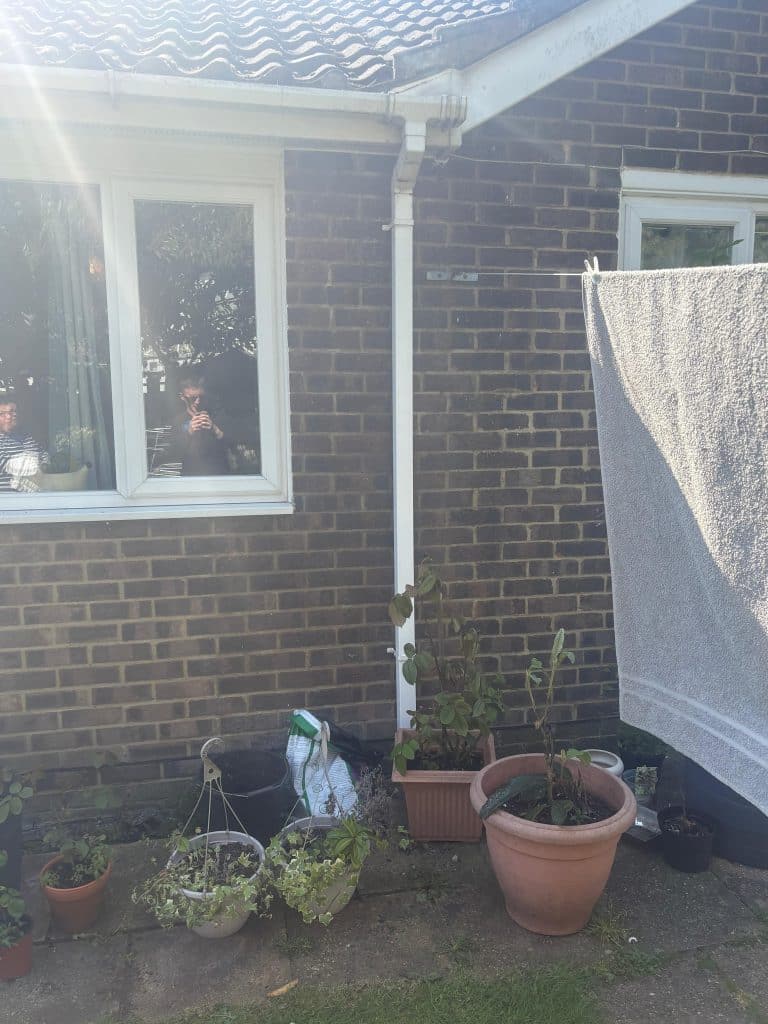
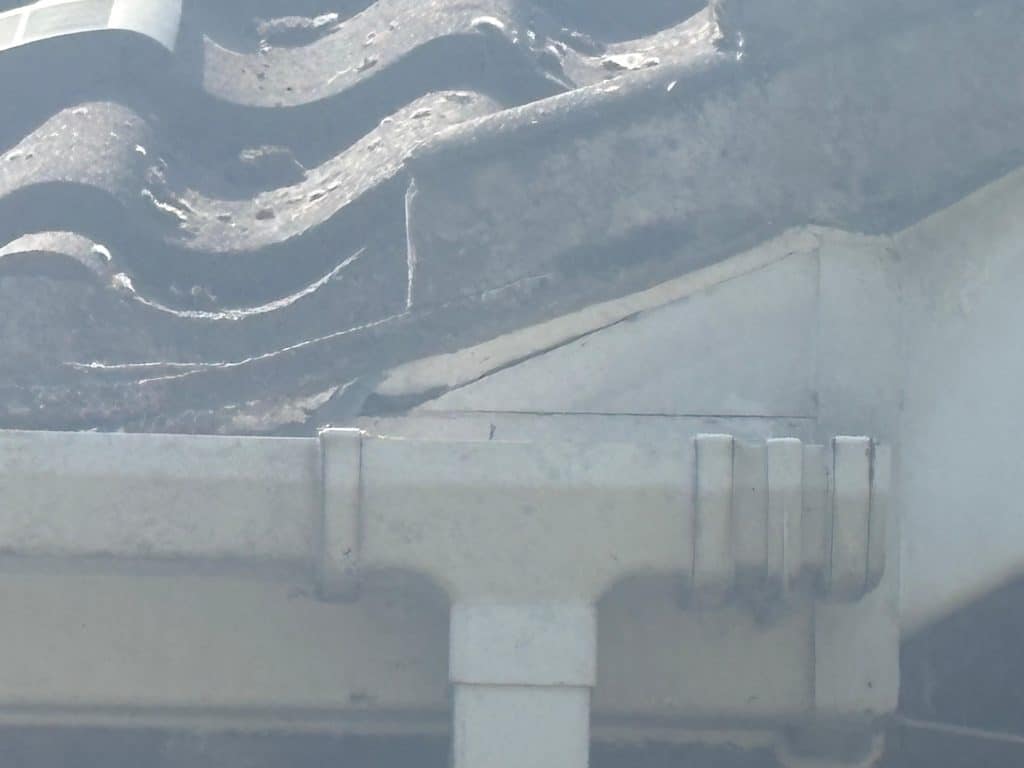
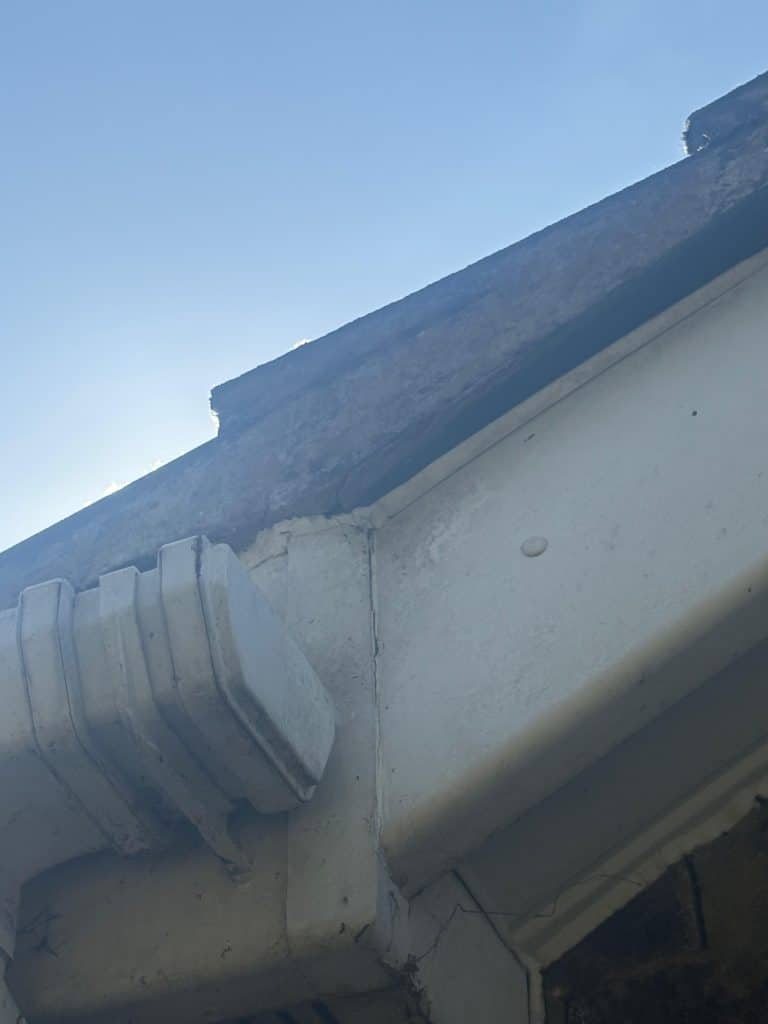
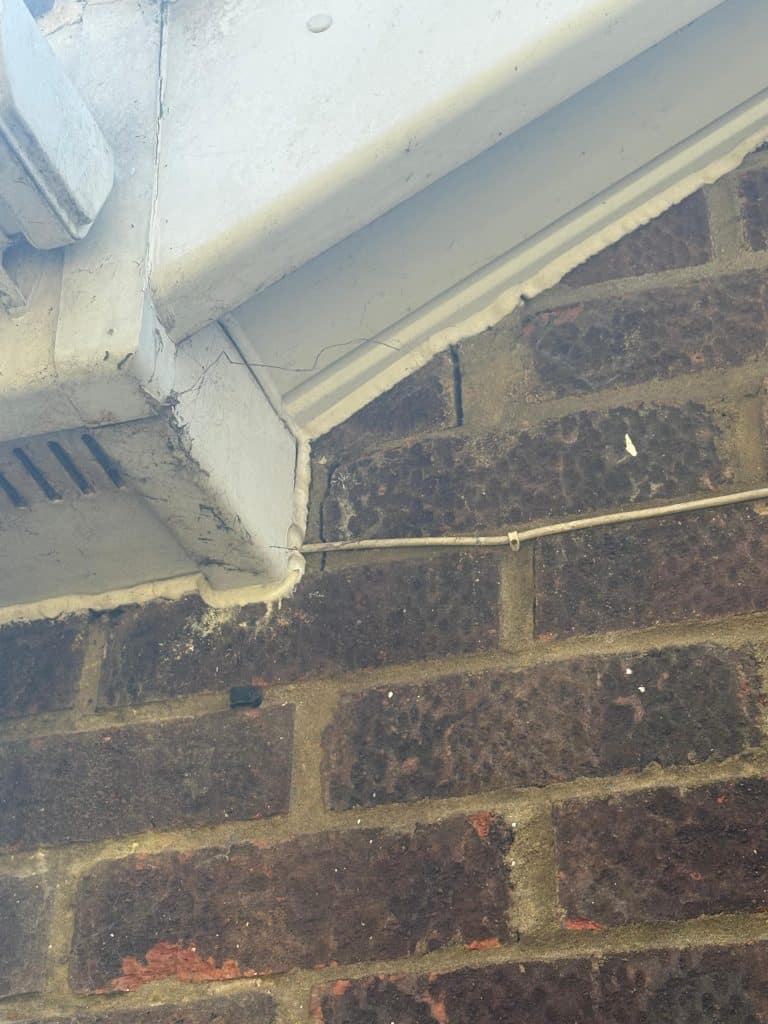
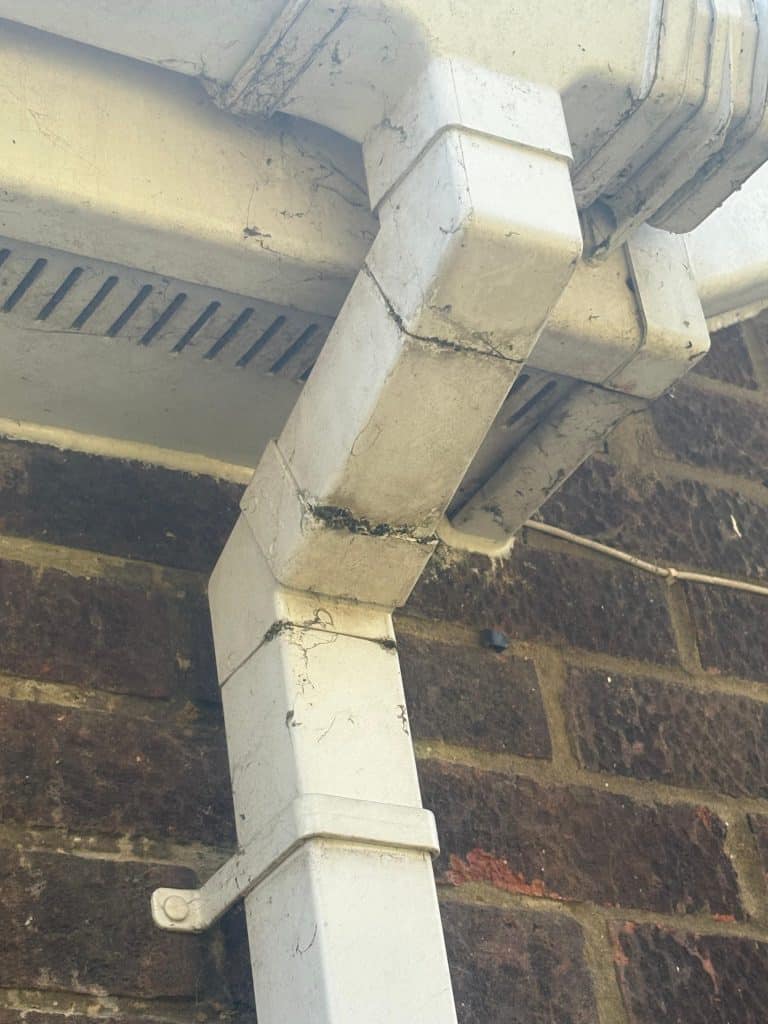
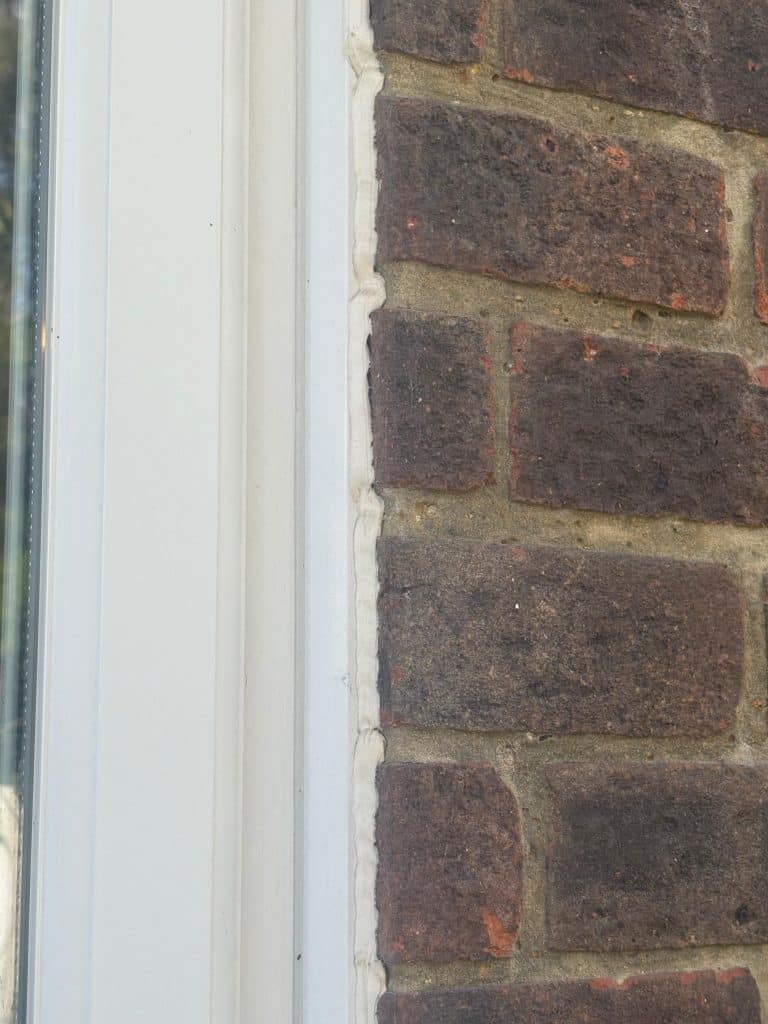
A photo can show that a joint looks poor, but it cannot tell you on its own whether water is entering through the visible crack, tracking from above, or leaking from a nearby rainwater detail. That is why experienced damp diagnosis focuses on the whole external envelope, not just the one bead of mastic that looks untidy.
Why sealant joints fail in the first place
One of the biggest misconceptions in property maintenance is that sealant is a one-time fix. NHBC has explicitly warned that materials relied on for weathertightness can have a limited life, and that sealants may need to be replaced several times over the design life of a system. In practice, ultraviolet light, thermal movement, shrinkage, substrate movement, poor installation, and water loading all shorten service life.
Installation quality matters just as much as product choice.
Manufacturer technical guidance for building sealants is consistent on a few fundamentals:
- The substrate should be sound, rigid, clean, and properly prepared
- Critical joints exposed to severe weather or high water loading may need pre-treatment or priming
- Joint width and depth must be proportioned so the sealant can move without tearing.
That is why a bead that looks acceptable on day one can fail early if it was applied onto dusty brickwork, over old contamination, across an oversized gap, or into a joint that constantly holds water.
Not every silicone is the same
Another common mistake is treating all cartridges as interchangeable.
They are not.
Industry and manufacturer guidance separates products by substrate, movement, and use-case.
Dow’s building sealant data identifies weathersealing products for doors, windows, flashings, and gutters, while masonry-oriented weatherseal products are designed for porous materials such as concrete and brick.
Sika’s envelope waterproofing guidance makes the same broad distinction: silicone systems for non-porous substrates such as glass and metal, masonry-compatible products for porous concrete and brick, and silane-modified or hybrid connection sealants where wide adhesion is needed, as with many window installations.
| Joint or location | Usually specified for this kind of task | Why it is chosen |
|---|---|---|
| Glass, metal, glazed frames, some uPVC perimeter joints | Low-modulus or neutral-cure weatherseal silicone | Good weather resistance and movement capability for exposed building joints |
| Porous brick, concrete, masonry facade joints | Masonry-compatible facade sealant or weatherproof construction sealant | Better adhesion profile for porous substrates and facade movement |
| Mixed-substrate connection joints around windows and doors | Hybrid or silane-modified connection sealant | Broad adhesion range across masonry, coated metal, PVC, and timber-like surfaces |
| Baths, shower trays, sanitary corners | Sanitary silicone | Formulated for humid internal areas, not as a universal external weathering answer |
This is also why “bathroom silicone” is not the right answer for every outside defect.
Product literature places sanitary acetoxy sealants around baths, showers, tiles, and humid sanitary areas, while external perimeter weathersealing and facade joints use different low-modulus, neutral-cure, masonry-compatible, or hybrid products depending on the substrates involved.
Some sealants are also unsuitable for particular materials or conditions, including natural stone, bituminous surfaces, certain metals, or continuous water immersion.
Why adding more mastic often does not solve the problem
If the joint design is wrong, the substrate is moving, or the actual entry point is elsewhere, adding another blob of mastic is often little more than a short-lived patch.
Purpose-made flashings or proprietary weathering details should be used for penetrations, and sealants or mastic alone should not be relied on to provide a weathertight seal.
The same logic applies around many damp problems at house level.
If the real defect is a leaking gutter, failed flashing, broken drip detail, cracked render, or open mortar, then more sealant may simply hide the symptom for a while.
Addressing rainwater penetration from the inside, without stopping water at the source, is rarely recommended because the problem can reappear elsewhere and can contribute to the deterioration of timber, masonry, or finishes.
Sometimes the silicone is only the symptom
In many damp cases, failed silicone is not the only cause.
It is the visible weak point in a wider chain of defects.
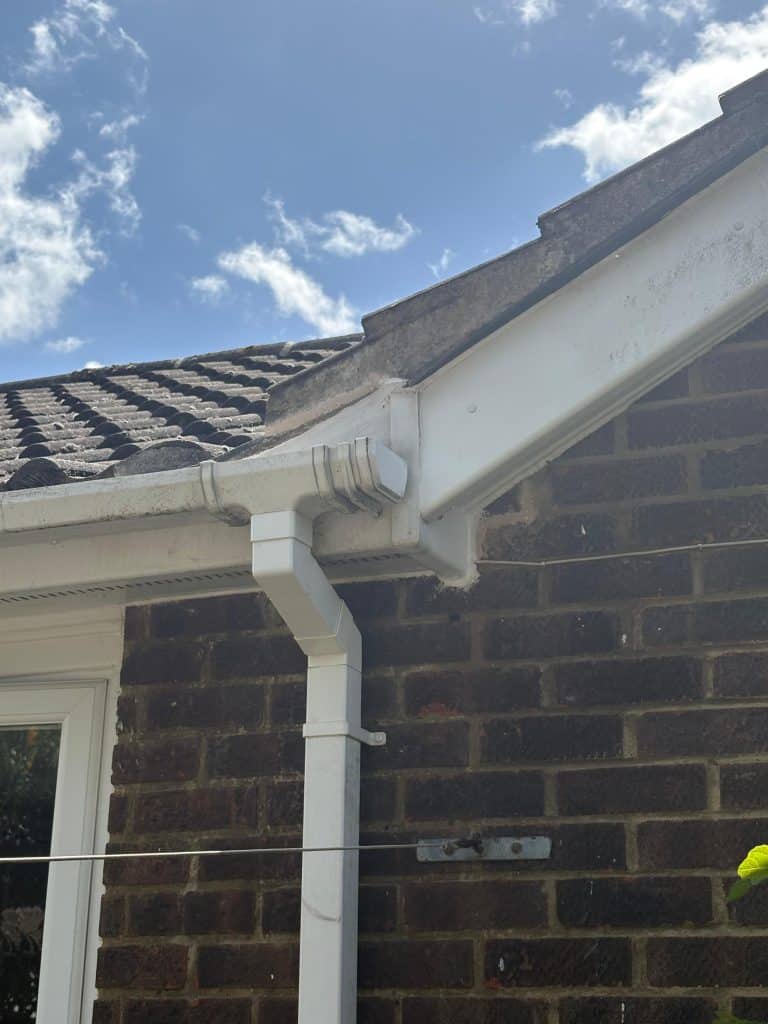
Visible staining around those joints suggests leakage or repeated wetting at the rainwater connection, and if water is escaping there it can soak the wall below and overload nearby joints.
Wet patches on walls below gutters can indicate blocked or faulty rainwater goods.
Once water repeatedly wets timber, the risk moves beyond a cosmetic damp patch. Fungal decay arises when wood becomes wet above about 20% moisture content, and that the cure is to find and eliminate the source of moisture ingress, not just treat the timber.
Mortar and render can be part of the same story. Poor maintenance is a key reason old buildings deteriorate, and its dampness guidance explains that hard modern cement renders and pointings can crack, allowing water to stream down the surface and be drawn into fine cracks where it becomes trapped.
Careful attention to pointing and downpipes during inspections.
So if a wall has open joints, brittle pointing, failed sealant and tired rainwater goods all at once, the correct answer is usually a coordinated repair strategy, not a single tube of silicone.
When a Nordic Damp Proofing survey makes sense
If you have damp below a window, by a door, under a roofline, near a chimney abutment, or below gutters and downpipes, it is sensible to ask a surveyor whether the problem is penetrating damp, condensation, residual moisture, or a mixture of several issues.
All potential causes must be considered before concluding, because visible dampness can be confused with other moisture sources and because meter readings in masonry can be distorted by salts.
At Nordic Damp Proofing, our advice is straightforward:
If you think failed silicone might be causing damp, do not assume the answer is simply to reseal it.
Check the surrounding details as well.
A proper survey should look at the roofline, flashings, guttering, downpipes, window and door junctions, mortar joints, render condition, and the internal moisture pattern before any repair is specified.
In some homes, the answer really is resealing with the correct system.
In others, the sealant has only failed because a gutter leaks above it, the pointing is open beside it, or the junction was never properly detailed in the first place.
That is why Nordic Damp Proofing surveys focus on the route the water is taking, not just the place where the damage has become visible.
If you are not sure whether the culprit is silicone, mortar, render, guttering, or a combination of defects, book a damp survey first. The right repair is the one that stops the moisture at source, allows the wall or timber to dry properly, and avoids wasting money on short-term patching.