Bath’s unique combination of historic buildings and a rainy local climate makes damp problems a common concern for homeowners. According to Bath & North East Somerset Council, properties often show signs of damp, condensation, and mould – especially during the cold, wet winter months. With over 79,000 households in Bath and North East Somerset as of 2021 (including thousands of Georgian-era homes), many residents eventually encounter issues like rising damp, penetrating damp, or black mould. In fact, a local housing survey found about 12% of private homes in the area had serious damp or cold hazards affecting living conditions. This article explores why damp is such a challenge and how Nordic Damp Proofing in Bath can help keep your property dry and healthy.
Common Signs of Damp in Bath Homes
Homeowners should stay vigilant for early signs of damp and mould. Catching problems early can prevent extensive damage. Some common signs of damp in Bath properties include:
- Tide marks or damp patches on walls (often up to ~1 metre high) – a telltale sign of rising damp drawing moisture from the ground. Plaster or wallpaper may peel or show a brownish water stain in a horizontal band.
- Wet staining on ceilings or upper walls – indicates penetrating damp from roof leaks or rain seeping through walls. You might notice this after heavy rainfall, often localized near a leak source (e.g. chimney or window).
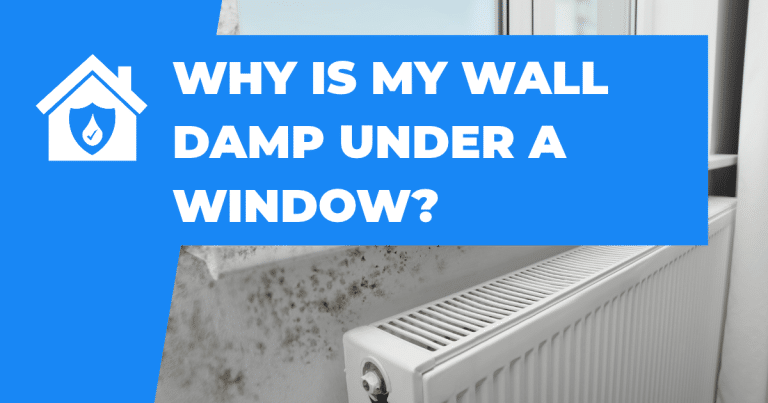
- Black or green mould spots on walls, ceilings, or around windows – usually caused by condensation and poor ventilation. Mould often appears in corners, behind furniture, or in poorly heated rooms. A musty smell often accompanies mould growth.
- Flaking paint, bubbling plaster, or rotting timber – chronic dampness can cause paint to blister and woodwork (like skirting boards or floor joists) to decay. If you touch a suspect wall, it may feel damp or cold.
- Excess condensation on windows and surfaces – persistent indoor condensation (especially in winter) suggests high humidity. This can lead to mildew on curtains, clothes or a general damp feeling in the home.





If you notice any of these signs, consider seeking a professional damp survey. Early identification is key to preventing minor damp issues from escalating into major repairs.
Damp Problems in Different Bath Property Types
Bath is renowned for its Georgian architecture and historic buildings constructed from porous Bath stone. However, the city also has a mix of property types – from basement flats to modern estates – each with their own damp risk factors. Below are some local property types prone to damp, and why:
Georgian and Historic Stone Homes:
Bath has around 5,000 listed buildings, many built in the 18th–19th centuries before modern damp-proof courses. These solid-wall masonry buildings (often Bath stone) can suffer rising damp if no DPC is present or it has failed. The porous limestone and ageing mortar may allow rain to penetrate, causing damp patches on internal walls. Ensuring proper damp treatment and repointing of stonework is essential for these heritage homes.
Basement Flats & Cellars:
Many Georgian townhouses in Bath have basements (sometimes converted to flats). Being partly or fully below ground, these spaces are vulnerable to lateral damp ingress through earth-retaining walls and floors. Signs include peeling paint, mouldy cellar walls, or water staining after heavy rain. Basement properties in lower-lying areas (e.g. near the River Avon) may also face a higher water table. Penetrating damp treatment or tanking (waterproof membranes) is often needed to keep below-ground rooms dry.
Victorian Terraces and Older Houses:
Aside from Georgian architecture, Bath has numerous Victorian and Edwardian homes. Many are brick or stone terraces with shallow foundations. Over time, their original damp-proof course (if any) may deteriorate. Look out for damp on ground-floor party walls or chimney breasts (which can draw moisture if the chimney is unused or uncapped). Timber decay in floors or stairs is another risk if subfloor ventilation is poor. Retrofit damp-proofing and timber treatment can preserve these period properties.
Newer Estates and Apartments:
Bath’s suburbs and recent developments (20th century onwards) generally include a damp-proof course in construction. However, no home is immune to damp. In well-insulated modern houses, condensation is a frequent culprit – trapped moisture from daily activities leading to mould in corners or bathrooms. Newer flats can also experience leaks from failed sealant, cracked render, or blocked gutters, causing penetrating damp. Regular maintenance (clearing gutters, ventilating bathrooms, etc.) and prompt repairs are key. For persistent condensation issues, improving ventilation or a mould removal service may be required to address resultant mould growth.
Bath & North East Somerset’s housing stock is diverse – about 78% of households live in houses or bungalows, and ~21% in flats. Whether you own a Georgian townhouse or a modern apartment, staying aware of these damp risk factors can help you protect your investment.
Bath’s Climate and Topography – A Recipe for Damp
Bath’s weather and geography contribute significantly to damp problems. The region has a temperate, wet climate, with around 830 mm of annual rainfall in Bath, higher than drier parts of England. Frequent rain and generally high humidity mean external walls and ground soils are often damp. In winter, temperatures drop and many homes see condensation build-up as warm indoor air meets cold walls or single-glazed windows. The Council notes that damp and mould tend to worsen as the weather gets colder, which aligns with residents cranking up the heat and creating moisture that condenses on chilly surfaces.
Bath’s topography also plays a role. The city sits in the River Avon valley, surrounded by hills. This valley setting can trap moisture and fog, creating a damp atmosphere at times. Low-lying neighborhoods near the river (e.g. Bathwick, Weston Island) historically suffered periodic flooding before modern flood defences were built. Even today, homes in these areas may deal with residual ground dampness. Meanwhile, houses perched on Bath’s hillsides face heavy runoff during rainstorms – water can seep into foundations or through masonry if drainage is poor. A recent climate assessment highlighted Bath’s susceptibility to issues like soil heave and slope runoff during intense rainfall, underscoring the importance of good property drainage and waterproofing.
In summary, Bath’s rainy climate and mix of river plains and hills mean that local homes are regularly tested by water from both above (rain and leaks) and below (ground moisture). Being proactive about damp proofing in this environment is crucial.
Tips for Identifying Damp Walls and Leaks
Early detection of damp can save you money and hassle. Here are some practical tips for Bath homeowners and landlords to identify damp or leak issues in a property:
Inspect exterior walls and roofs:
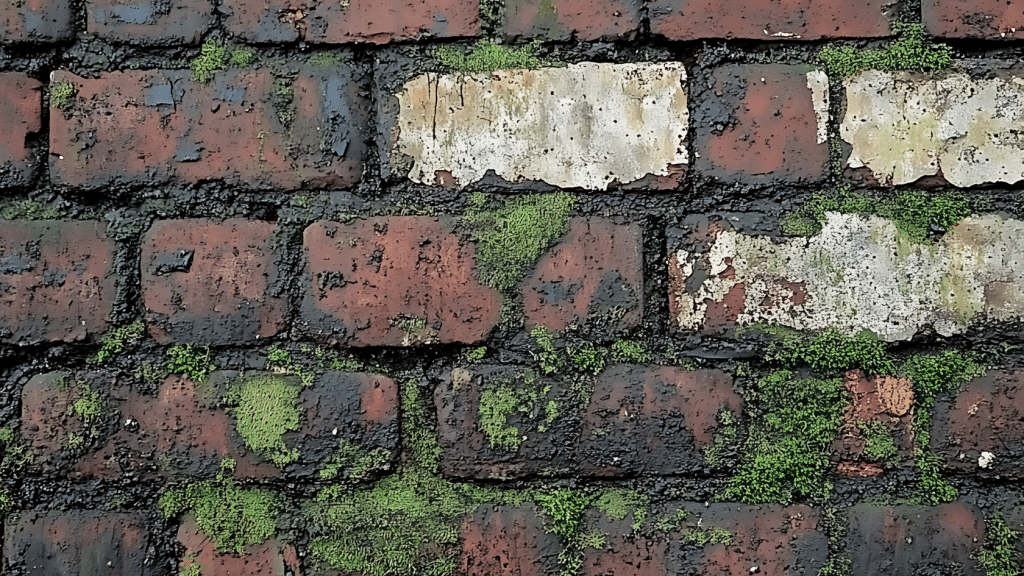
Check your roof for slipped or missing slates/tiles and inspect gutters and downpipes (especially after autumn leaf fall). Overflowing gutters or broken roof flashing often lead to penetrating damp on the corresponding interior walls. Look for telltale stains on external brick/stone work and efflorescence (white salt deposits) on masonry – these salts can be left behind when water evaporates from a damp wall.
Use touch and smell indoors:
Walk around ground-floor rooms and touch the lower parts of walls. Damp plaster feels cold or even moist to the touch. Skirting boards or carpet edges might be damp or rotting if rising damp is present. A musty odor in a particular room (often worse after a rainy spell or when the house is closed up) is a strong indicator of hidden mould or damp.
Check hidden corners and furniture backs:
Move aside curtains, sofas, or beds against external walls – these areas get little airflow and are prime spots for condensation mould. Look for black mould specks or discoloration on paint, and don’t forget to peek inside built-in cupboards on outside walls. Mould growth or a damp smell inside wardrobes (especially on clothes or shoes) also signals excess moisture.
Examine the loft and ceilings:
If safe to do so, inspect your loft for signs of roof leaks – dark water stains on timbers, damp insulation, or any drips. From below, ceiling stains (often brownish rings) indicate water ingress. Pay attention to corners of external ceilings and bay window tops. Catching a small roof leak early can prevent major timber rot or even ceiling collapse later.
Monitor humidity and condensation:
Consider using a hygrometer to monitor indoor humidity (ideal is around 50% RH). Persistent readings above ~60% could mean inadequate ventilation. Watch for consistent condensation on windows each morning – it may hint that you need better airflow or insulation. Also note if dehumidifiers fill up quickly; it might point to an underlying damp source that a professional should investigate.
By doing these checks, you can spot problems early. If in doubt, book a professional damp survey. Nordic Damp Proofing offers damp surveys in the Bath area to accurately diagnose issues using tools like moisture meters and thermal imaging, ensuring you address the real source of damp rather than just the symptoms.
Damp Proofing & Mould Removal Services in Bath
Once a damp issue is identified, it’s important to treat it properly to avoid recurring damage. Nordic Damp Proofing is a local specialist serving Bath and the South West, providing a full range of damp and mould solutions. Our team has experience with Bath’s historic and modern building types, and we tailor treatments to your property’s needs. Key services we offer include:
Damp Surveys
A thorough inspection using moisture readings and thermal imaging to pinpoint damp sources. Our PCA-certified surveyors distinguish between condensation, rising damp or leaks, so you get an accurate diagnosis before any work begins. (Book a no-obligation Damp Survey to assess your Bath property.)
Rising Damp Treatment
We install or repair damp-proof courses in affected walls, using methods like injectable DPC cream or membrane systems to halt moisture rising from the ground. After treating the source, we replace salt-contaminated plaster with specialist waterproof render. (Learn more about our Rising Damp Treatment process.)
Penetrating Damp Repairs
For water ingress through walls or roofs, we identify entry points and fully waterproof your structure. This may involve fixing roof defects, sealing external masonry with breathable water-repellents, and repairing damaged pointing or render. Interior plaster can be treated or renewed with dry-lining or tanking slurry if needed. (See our Penetrating Damp Treatment services.)
Comprehensive Damp Proofing Services
Beyond specific treatments, we offer holistic moisture protection for your home. This includes installing ventilation systems for condensation control, fitting sump pumps or drainage for chronic basement water issues, and general damp proofing of new extensions or renovations. Our goal is to make your entire property resilient against damp. (Explore our full range of Damp Proofing Services.)
Mould Removal & Prevention
If mould growth is already present, our technicians perform safe mould remediation. We use professional biocides to clean and kill mould, then address the root cause (e.g. poor ventilation or leaks) to prevent it returning. We can also apply anti-fungal coatings on walls and advise on lifestyle tweaks to reduce humidity. (Read about our Mould Removal Services for Bath homes.)
Timber Treatment
Damp often goes hand-in-hand with timber problems like wet rot or dry rot in floors, joists, or roof timbers. Nordic provides timber preservation treatments, replacing severely decayed wood and using fungicidal treatments to stop rot. We are experienced in treating historic timber frames sensitively, preserving as much original material as possible while ensuring structural safety.
By using a trusted local expert, you can be confident the damp issue will be solved at the source. We never recommend unnecessary work – our surveys might reveal that what looks like rising damp is actually condensation-related, for example, saving you from the wrong fix. Whatever the cause, our team can implement a lasting solution.
Damp Proofing Surveys, Lasting Guarantees – Contact Nordic in Bath
Damp can be daunting, but getting it fixed is just a phone call away. Nordic Damp Proofing offers Bath homeowners and landlords quotes and surveys to kick-start the process. If you’re concerned about a damp problem (or just want peace of mind with a preventative survey), get in touch for a no-obligation assessment of your property.
As a company, we pride ourselves on quality workmanship and honest service. All our damp proofing treatments come with long-term assurances – we provide 25-year guarantees on most remedial damp-proofing work for your peace of mind. Our surveyors are PCA-trained professionals and accredited by Biokil Crown and the ISSE, reflecting our commitment to industry best practices. With 40+ years of combined experience in damp control and timber preservation across the South West, we have seen it all and successfully repaired it all. We are also fully insured and compliant with British Standard practices for damp-proofing.
Don’t let damp or mould compromise your beautiful Bath home. Whether you live in a historic Royal Crescent terrace or a modern flat in Combe Down, Nordic Damp Proofing can provide the expert care needed to keep your property dry, healthy, and structurally sound. Contact us today to arrange your damp survey or quote. We’ll help you safeguard your investment and enjoy a dry, comfortable home – backed by our professional expertise and 25-year guarantee on lasting protection