Homeowners in Dorset and Hampshire love their picturesque thatched cottages – but these charming historic homes face unique challenges from damp and timber decay. Thatched-roof properties are often older buildings with thick, natural roofs and timber frames that can be vulnerable to moisture issues. Without proper care, excess damp can lead to mould, wood rot and insect infestations, threatening both the building’s structure and your health. This article explains why thatched homes are susceptible to damp, how to spot warning signs, and ways to prevent and treat problems while respecting traditional building methods.
Why Thatched Roof Homes Are Vulnerable to Damp and Decay
Thatched roofs are made of organic materials (straw or reed) layered thickly to shed rain. Over time, weather exposure and modern changes can upset their moisture balance. In fact, a high proportion of damp problems in buildings are caused by condensation and rain penetration – conditions that easily affect thatch and old timber. Several factors make thatched properties prone to damp and decay:

Moisture Retention in Thatch:
As a thatched roof ages it often accumulates moss and lichen, especially on shaded or north-facing areas. These growths hold moisture and prevent the thatch from drying out, creating a perfect environment for decay. Prolonged wetness in the thatch can lead to fungal growth and wood-rotting organisms taking hold in the roof structure. Regular wet winters in southern England have increased moss and lichen growth on thatch, making maintenance even more crucial.
Lack of Modern Damp-Proofing:
Many thatched cottages are centuries old and built before modern damp-proof courses or membranes existed. They often have solid walls of brick, stone, cob or wattle-and-daub with no plastic damp-proof layer. These traditional materials are porous and “breathable”, meaning they absorb and release moisture. While this helps regulate humidity, it also means ground moisture can rise up walls (rising damp) and heavy rain can soak in if surfaces aren’t well-maintained. If past repairs used cement mortar or impermeable paint, moisture can become trapped in walls, leading to damp patches and timber decay.
Inadequate Ventilation:
Older thatched homes were designed to “breathe” with open fireplaces, chimneys and draughty windows allowing airflow. When modern homeowners install tight double glazing, block air bricks, or overly insulate, the reduced ventilation causes humid air to build up inside. Warm moist air then condenses on cooler surfaces (like the inside of thatch or cold walls), causing condensation, dampness and mould growth. A roof structure that has been made more airtight or colder (for example by adding insulation without ventilation) is at greater risk of condensation, mould and timber decay. Thus, energy-efficiency upgrades must be done carefully in thatched homes to avoid unintended damp problems.
Timber Frame Susceptibility:
The structural timbers in a thatched property (roof rafters, trusses, joists and wooden beams in walls) can last for centuries if kept dry – many Georgian houses still contain medieval oak roof timbers in good condition. However, these timbers are organic and vulnerable: if persistent dampness raises their moisture content above about 20%, wood-decay fungi (wet rot or dry rot) and wood-boring insects (like woodworm beetles) can thrive. Thatch itself is layered on wooden battens; if the thatch stays wet or leaks, the underlying wood can begin to rot. Roof valleys, eaves and chimney beams are especially at risk of hidden decay if water is seeping in there. In essence, damp timbers become soft and weakened, undermining a thatched home’s structural integrity.
In Dorset and Hampshire’s climate – with mild wet winters and sea air – a thatched cottage can quickly develop damp and timber issues unless it is well maintained. Understanding these vulnerabilities is the first step to protecting your home.
Common Signs of Damp in Older Properties
Owners of historic and thatched homes should be vigilant for warning signs of damp and decay. Early detection can save a fortune in repairs. Here are some common signs of damp in older or heritage buildings:
Peeling Paint or Wallpaper:

Moisture in walls or ceilings can cause paint to bubble and flake, or wallpaper to peel away. You might notice blistered paint or curling wallpaper in chronically damp corners. This happens because water breaks the adhesion and salts push through, damaging finishes.
Musty or Mouldy Smell:
A persistent musty odour often indicates hidden damp or mould growth. Even if you can’t see mould, a dank smell (especially in enclosed rooms, loft spaces or behind furniture) suggests moisture is present and fungus may be growing. Never ignore a musty smell in an old cottage – it’s a clear red flag of dampness.
Tide Marks and Stains:
Brown or yellow water stains on plaster or wood, or a white powdery salt crust on lower walls, are classic signs. Horizontal “tide marks” along interior walls a foot or two above the floor indicate rising damp (moisture drawn up from the ground), leaving mineral deposits as it evaporates. Stains around window lintels or on ceilings could mean roof leaks or penetrating rain. Mould spots (black, green, or grey) may appear on plaster, especially in corners or behind cupboards where airflow is poor.
Mould Growth:
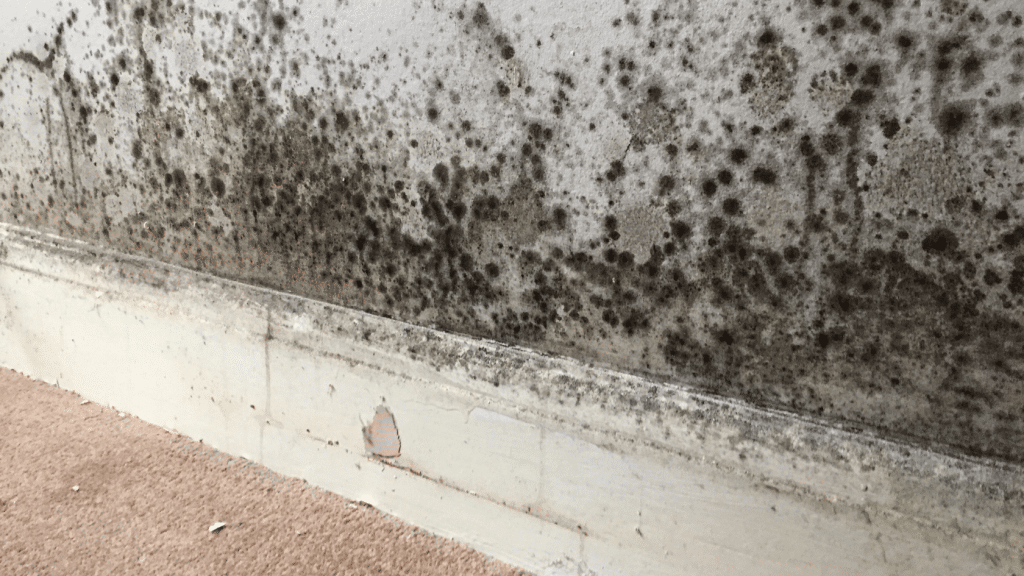
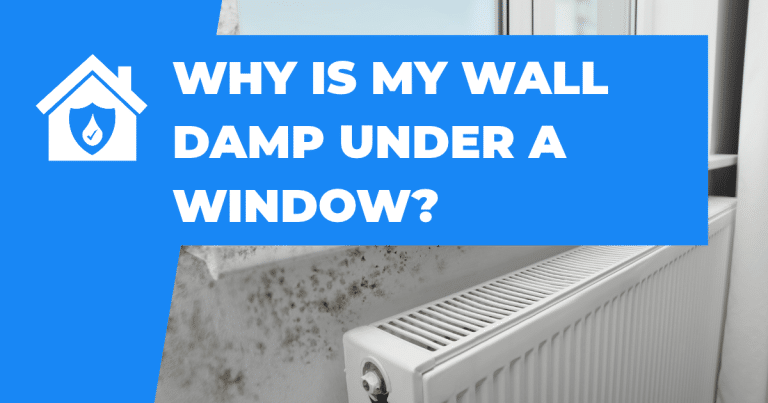
Visible mould or mildew on walls, ceilings, or timber is a sure sign of excess moisture. Black mould in bathroom corners, green algae on interior lime plaster, or fungal growth on wood beams all point to damp conditions that need addressing. Mould thrives on organic materials in humid, unventilated areas. Besides damaging surfaces, it can pose health risks to occupants.
Crumbling Plaster or Rotting Wood:
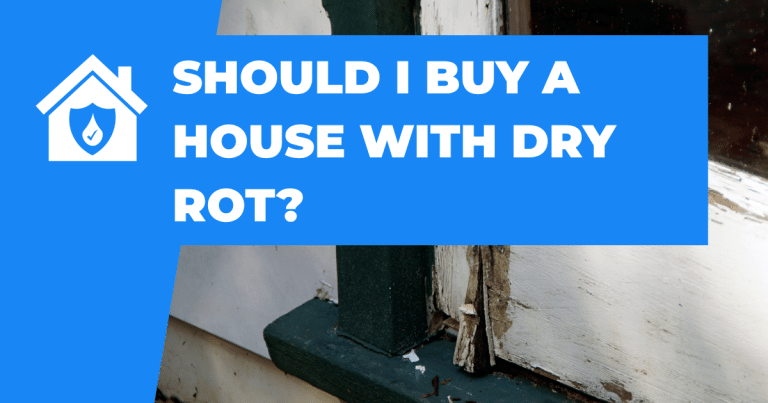
In chronic damp areas, plaster may crumble or powder off the wall as its lime or gypsum binder breaks down. You might see blistering, chalky plaster with salt deposits. Timber elements – such as skirting boards, floorboards or roof timbers – may show soft, spongy patches, cracks, or dark staining. Painted wood might have peeling paint with soft wood underneath. These are signs of wet rot fungus digesting the wood. In severe cases of dry rot, you might even spot brittle cubic cracking in timber or sheet-like fungal mycelium on surfaces. Additionally, an outbreak of woodworm holes (tiny round holes with fine sawdust) in beams or floors indicates the wood has been damp enough to attract wood-boring beetles.
Any one of these signs warrants further investigation. Dampness tends to cause secondary damage: mould and fungi in wood, deteriorating plaster and paint, salt efflorescence, rusting ironmongery – all of which can progressively worsen. If you notice mustiness, mysterious stains or decay in your thatched property, act quickly to identify the source before it spreads.
The Structure and Maintenance of Thatched Roofs and Timber Frames
Understanding how thatched roofs and timber-framed structures are built will help you care for them properly. Thatch and timber have stood the test of time in many heritage homes, but they need regular maintenance to stay dry and sound.
Thatched Roof Construction:
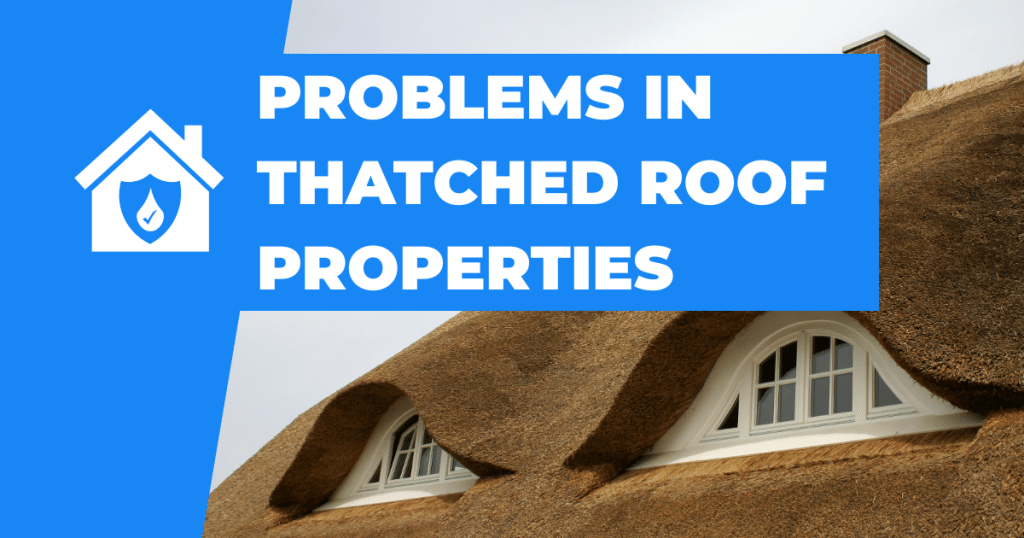
A traditional thatched roof consists of layers of dried vegetation (commonly long straw, wheat reed or water reed) packed tightly on a wooden roof frame. Thatch is laid in courses, usually over an older “base coat” of thatch that remains in place. In fact, many thatched cottages hide an archaeological record in their roof – some have base thatch layers over 500 years old still intact beneath newer layers. This accumulated thickness (historically, new thatch was often applied on top of old) can be over half a metre thick, providing excellent insulation. The topmost layer is shaped into a ridge along the roof crest, which is often renewed or “recapped” every 10–15 years as it weathers. The ridge and other vulnerable junctions (like where the thatch meets a chimney or dormer) are secured with fixings (spars, wire netting) to hold the thatch tight.
Timber Roof Frame:
Under the thatch, the roof structure is typically timber – oak or elm in older cottages – comprising trusses, purlins, rafters and battens. These hefty old timbers, sometimes hand-hewn, are inherently strong and have survived for centuries in many homes. They do, however, require protection from moisture. The timber frame not only holds up the thatch, but in many thatched buildings it also forms part of the visible interior (exposed beams and joists). Timber-framed walls (with infill of cob or plaster) are also common in historic thatched properties. All these wood elements are high-value heritage fabric worth preserving.
Regular Maintenance Needs:
Thatch is a durable roof material if well cared for – a good quality thatch can last 40–50 years on the main coat. The key is regular maintenance and timely repairs:
Ridges and Flashings:
The ridge capping is usually the first area to wear. When it starts to erode or develop holes, it should be rethatched or patched by a master thatcher before water penetrates. Likewise, at chimneys or roof junctions, a mortar fillet (cement or lime) is used to seal the gap between thatch and brickwork. Over time this mortar can crack or pull away. Cracks or gaps around chimneys are a common source of leaks – they should be repaired promptly to keep rain out.
Thatch Surface Condition:
As the thatch roof ages, check for visible thinning or dips in the surface. If you can see horizontal lines or patches where fixings or old thatch layers show through, the thatch may be worn thin and need attention. Also look for gullies or channels forming in the thatch surface (often below a chimney or in valleys where water flows more heavily). These are signs the material is eroding and may need patching or partial rethatch. In some cases, wire netting on the ridge can be seen lifting – raised netting means the thatch underneath has worn down significantly.
Moss, Algae and Overhanging Trees:
One maintenance task unique to thatch is managing biological growth. Moss, algae and fungi will colonise a thatch roof as it weathers – especially on sections under overhanging trees or facing north where dampness lingers. While a bit of growth is normal, too much moss keeps the thatch wet and decaying underneath. A good maintenance routine includes raking or brushing off moss and debris (usually when the roof is dry) to allow the thatch to shed water and breathe. Many thatchers do this when replacing the ridge or during annual check-ups. Trimming back overhanging tree branches will also improve air flow and sunlight, helping the roof dry after rain.
Vermin or Bird Damage:
Thatch can occasionally attract birds looking for nesting material, or even rats in rural areas. Look for small holes or pulled-out straw which could indicate vermin or bird activity. Promptly address any infestations (e.g. professional pest control or netting) because rodents can gouge deep into a thatch and create pathways for water.
Gutters and Drainage:
Not strictly part of the roof itself, but vital: keep gutters, downpipes and roof edges clear. Thatch roofs often overhang without gutters, but where there are gutters, leaves and thatch debris can quickly clog them. Blocked gutters cause water to spill onto walls, leading to damp penetration. Ensure any valley gutters (between roof sections) are regularly cleared as well.
Inspection Schedule:
Owners of thatched homes should visually inspect the roof at least yearly (or have a thatcher inspect it) and after major storms. Look from ground level or a ladder for obvious defects. Catching small issues like a slipped ridge spar or a cracked flashing can prevent more extensive damp damage. Having a maintenance plan for your thatch is wise – Historic England and the Society for the Protection of Ancient Buildings (SPAB) recommend regular inspection and prompt minor repairs rather than waiting until a full rethatch is needed.
By caring for the thatched roof covering and the supporting timber frame, you’ll greatly reduce the risk of serious damp and decay. Remember that much of your home’s value (and charm) lies in these historic materials – a roof that may include layers from centuries past, and timbers hand-cut by craftsmen long gone. Maintenance preserves this fabric. For instance, when rethatching, keep the old base layers intact if possible, as they are part of the building’s heritage (some basecoats in Southern England are medieval in origin). Engage an experienced thatcher and, when timber repairs are needed, a conservation carpenter who can splice or repair old beams rather than wholesale replace them. With proper care, a thatched roof and oak frame can last indefinitely, staying dry and strong.
Causes of Water Ingress, Condensation and Rot in Traditional Homes
Understanding what causes damp and timber problems in thatched properties will help you prevent them. Traditional rural homes are built of different materials than modern houses, so the causes of damp can be slightly different in emphasis, though ultimately it boils down to unwanted water getting where it shouldn’t. Here are the main causes of damp, water ingress and rot in thatched and historic properties:
Rainwater Ingress (Penetrating Damp):
Keeping the rain out is any roof’s first job. When water finds a way through, penetrating damp results – water soaking in from the outside. In thatched roofs, common points of entry are worn-out ridges, damaged chimney flashings, and thin or uneven thatch areas. A leak in a thatched roof often first shows up as a damp patch on an upstairs ceiling or wall, though the actual entry point may be elsewhere on the roof. Because thatch is thick, water can travel within it before dropping out, so leaks can be deceptive. Aside from the roof, rain can also enter through the walls of older homes: cracked render or missing pointing in brick or stone walls allows driving rain to penetrate. Defective gutters or downpipes are another huge culprit – if a gutter overflows in heavy rain, water cascades down the wall and can quickly soak through solid brick or cob. Over time, this causes damp interior walls and decay of timber lintels or floor joists embedded in the masonry. To summarise, any external defect – a hole in the roof, broken pointing, leaking gutters, gaps around windows – can let water in where it will cause damp patches and eventually rot. Regularly walking around your home after rainfall to check for tell-tale wet spots or drips can catch penetrating damp early.
Condensation from Indoor Humidity:

Many damp problems in inhabited buildings (perhaps the majority in old homes) are caused by internal condensation rather than rain leaks. This occurs when warm, moisture-laden air inside the house hits a cold surface and water condenses out. Old thatched cottages can suffer condensation if they’ve been sealed up too much or lack adequate heating and ventilation. Everyday activities like cooking, bathing, drying clothes, and even breathing, release litres of water vapour into the air. In the past, open chimneys and draughty construction allowed this moisture to escape; nowadays, efforts to draught-proof and insulate mean the vapour often stays trapped indoors. The thatch itself, being a thick insulator, can keep the roof space colder if no heat rises from below, increasing the chance of condensation in the roof on cool nights. Signs of condensation issues include water droplets on windows, mould growth in room corners, and widespread mustiness. Condensation is worst in winter when outside temperatures are low and ventilation is minimal. It can also occur within the thickness of walls or roofs (“interstitial condensation”), hidden from view. Over time, chronic condensation moisture will lead to timber decay (for example, roof rafters can develop rot if the attic is unventilated and condensing moisture accumulates on them). The solution is to reduce indoor humidity and improve ventilation – we’ll discuss remedies later. But it’s worth noting that condensation damp is frequently misdiagnosed as something else; a trained surveyor will look at patterns (like diffuse damp patches and lack of salts) to distinguish condensation from rising damp.
Rising Damp:
In many older cottages, the walls were built directly on shallow foundations with no impermeable layer. Moisture from the ground can be drawn up into the wall by capillary action – what we call rising damp. This typically affects walls up to ~1 metre above ground and is evident by tide marks, salt efflorescence, and decayed plaster at the lower levels. If floors are timber on joists, those joists can also suffer: raised external ground levels or blocked air vents may mean the wooden floor structure sits in damp conditions and begins to rot. For example, if a previous owner laid a concrete path or flower bed against the cottage, the higher earth can bridge any original damp course and make the wall perpetually damp. The result might be wet rot attacking the skirting and joist ends. Many historic buildings were constructed without a damp-proof course at all, relying on breathable materials and airflow to stay dry. Introducing modern concrete floors or impermeable coatings can exacerbate ground moisture issues by forcing it elsewhere. Rising damp is a slower process, but over decades it can cause significant damage to plaster, finishes and embedded timbers. It often coexists with condensation issues, making diagnosis tricky – hence the importance of a professional damp survey to identify it correctly.
High External Ground and Drainage Issues:
Related to rising damp is the issue of poor drainage around the house. Traditional thatched cottages in rural Dorset and Hampshire might have survived centuries precisely because they were built on slightly raised plinths or had good perimeter drainage. But if over time soil, gravel, or paving builds up against the walls (or if garden drainage is poor), moisture can collect and penetrate. Likewise, overflowing drains or soakaways near the house can keep the ground saturated. Always ensure external ground levels are below the level of internal floors and that rainwater is directed away from the building.
Wood-Decaying Fungi (Wet Rot and Dry Rot):
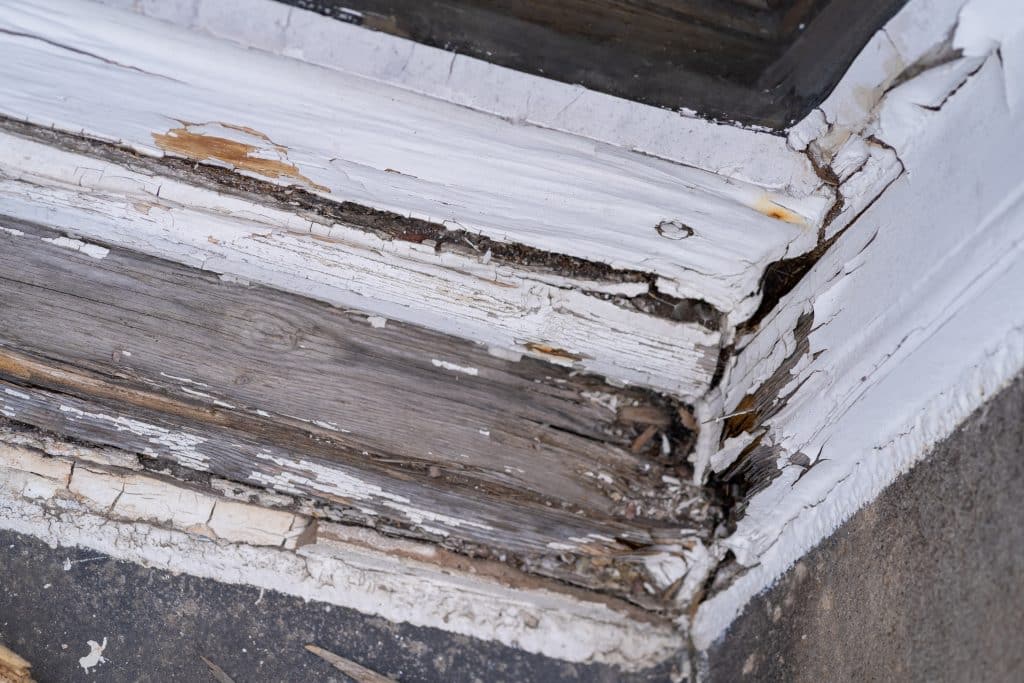
Once water ingress or chronic dampness has occurred, timber decay fungi can take hold. The two main types are wet rot and dry rot. Wet rot is a term for various localised fungi (such as Coniophora) that thrive in very damp wood; they tend to cause the wood to darken, soften, and lose strength, but only in the continually wet area. Wet rot is commonly found in places like rotting window sills, the ends of roof rafters in a leaky eave, or a damp floorboard over a wet crawlspace. It will stop growing if the wood dries out. Dry rot (Serpula lacrymans), despite its name, also requires significant moisture to get started – but it is far more destructive. Dry rot can spread across dry areas by sending out filaments and can even travel through masonry or behind plaster in search of new wood. It produces a tell-tale musty mushroom smell and sometimes white or grey fungal sheets and orange spore dust. In a thatched property, a long-undetected roof leak or unseen damp in an enclosed timber frame can spawn dry rot. This is a serious issue that often requires professional remediation. Both types of rot need a combination of moisture and moderate warmth to flourish. The key point is that if you eliminate the source of water, the rot fungi will go dormant and stop spreading. This is why fixing leaks and drying out structures is so critical; any chemical rot treatment without doing so is just treating symptoms, not the cause.
Wood-Boring Insects:
Damp timber is also inviting to pests like woodworm (common furniture beetle) and other beetles. These insects lay eggs in the wood; the larvae then bore through it, creating tiny tunnels. They prefer timber that is softened by moisture or fungus. Often, an outbreak of woodworm in a rafter or beam is a sign that the wood has been or is too damp. As noted, beetle infestation generally requires the wood’s moisture content to be above ~17% for sustained periods. That level typically occurs in poorly ventilated, damp conditions. While woodworm holes (1-2mm diameter) and frass can be alarming to see, the infestation may no longer be active if the wood has dried out. A specialist can determine if holes are old or new. Nonetheless, wood-boring pests are part of the damp-related decay cycle and often go hand-in-hand with rot. Keeping wood dry will protect against most insect attacks.
Past Inappropriate Repairs:
Sometimes, the causes of damp today trace back to well-intentioned but unsuitable repairs in the past. For example, applying a cement render or pointing to an old thatched cottage wall can trap moisture, causing it to wick upwards or inwards, where it then causes damp spots and timber decay behind the hard surface. Plastic paints can have a similar effect. Likewise, installing modern insulation or membranes without considering ventilation can inadvertently create condensation traps. Even something like injected chemical damp-proof courses, while useful in some cases of rising damp, can be misused in walls that actually need better drainage or breathable plaster instead. Always consider the breathability and flexibility of materials used in a historic building. Incompatible modern materials often exacerbate damp issues rather than solve them.
In summary, moisture can enter a traditional home from above (rain and leaks), below (groundwater) or within (condensation). Once it’s there, it sets off a cascade of decay in organic materials like wood and thatch. The good news is that by understanding these causes, you can take targeted action to prevent problems. Next, we’ll look at modern treatments and preventive measures that address these causes at their source – while respecting the traditional construction of your thatched property.
Modern Treatments and Preventative Measures (Respecting Traditional Methods)
Owning a thatched roof property doesn’t mean you must tolerate damp and rot as “part of old house living.” There are many modern treatments and preventative steps to eliminate damp and timber decay, so long as they are compatible with traditional building methods. Preservation of a historic home requires a balance between using modern technology and not damaging the building’s fabric. Here are some effective measures:
Ensure Proper Ventilation and Heating:
One of the simplest yet most effective remedies for condensation and mould is improving air flow. Unblock any closed chimneys or vents (install discreet grills if needed to keep them open for ventilation). Use extractor fans or Positive Input Ventilation systems in kitchens and bathrooms to expel humid air outside. Even in winter, periodic opening of windows helps – outside air, though cold, usually has lower vapour pressure and will draw moisture out of the house. Avoid the temptation to seal every draught; a little airflow is healthy for an old building. Additionally, keeping the interior reasonably heated in cooler months will help keep surfaces above the dew point so condensation is less likely to form. It’s better to have steady, background heating than extreme intermittent heat in old houses. Where possible, insulate cautiously – for instance, use breathable insulation like sheep’s wool and never apply impervious insulation boards directly under a thatch without expert guidance, as this can trap moisture. Notably, do not use spray foam on the underside of a thatched roof – this has been known to trap moisture and cause serious timber decay in roof structures. Always choose solutions that let the building “breathe.”
Repair Faults and Improve Weatherproofing:
Many cases of penetrating damp can be solved with basic repairs. Regularly inspect and maintain the exterior: replace broken or missing thatch sections, and have ridges rethatched when needed; fix any cracked render or loose pointing on walls with a suitable mortar (preferably lime mortar, which is breathable and flexible). Our repointing services use traditional lime-based mortars to ensure walls can release moisture, unlike hard cement. Check that flashings around chimneys are intact – replacing a failing lead flashing or refurbishing a cracked cement fillet can stop a leak immediately. Similarly, ensure windows and door frames are properly sealed (using breathable sealants or oakum caulking for old frames), but also consider trickle vents for ventilation. Painting exterior woodwork with microporous (breathable) paint or using limewash on exterior walls can help shed water while allowing drying.
Damp Proofing Solutions for Walls and Floors:
For issues like rising damp, modern damp proofing treatments can be applied in a way that respects the building. For example, installing a new chemical damp-proof course (such as injecting silicone cream into the base of walls) can create a barrier to rising moisture. If done by professionals, this can be effective, but it must be accompanied by replastering with breathable plaster (like a lime plaster or a renovating plaster) to allow the wall to dry out afterwards. Simply injecting a DPC but leaving impervious gypsum or cement plaster will trap residual moisture. Our Damp Proofing Services include holistic solutions – we not only install damp-proof courses where appropriate but also replace compromised plaster and finishes with appropriate materials, and improve ventilation to ensure the damp problem is truly solved. In the case of damp earth floors or cellars, solutions might involve installing a ventilated limecrete floor or a membrane beneath a new floor, again with care to not push moisture into walls. Each building is unique, so a damp survey is critical to choose the right approach.
Timber Repairs and Treatments:
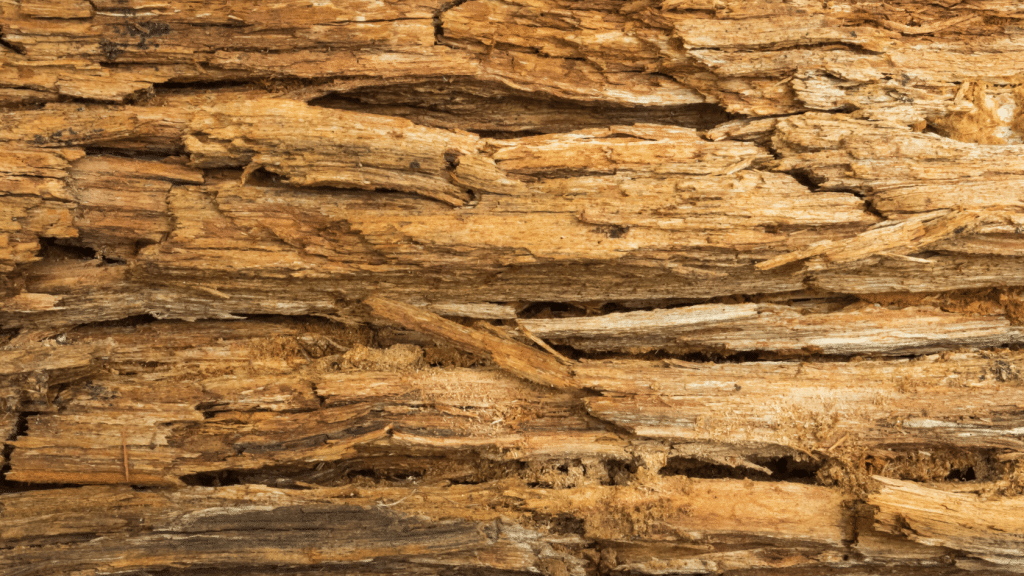
When timber decay is found, the first step is always to eliminate the moisture source and let the wood dry out. Often, once kept dry, wood will stop deteriorating. If the rot is not too extensive, the timber can sometimes be saved by cutting out and replacing the damaged section or reinforcing it (for example, splicing in a new piece or adding a sister beam) – thereby avoiding wholesale removal of historic timber. This kind of repair should be done by a qualified conservation carpenter or timber specialist to ensure structural safety and preservation of original material. After or during repair, applying a timber preservative treatment can help, but chemicals should be used sparingly and appropriately. Modern wood preservatives (boron-based treatments, for example) can penetrate and protect wood against fungus and insects and are relatively non-toxic. Our specialist team offers Timber & Wood Preservation services that treat vulnerable timbers with the right preservatives, approved for use in historic buildings and safe around occupants and any resident bats. If wet rot is identified in localised areas, we perform targeted wet rot treatment – this might involve removing and replacing the rotted wood section and treating surrounding timber with a fungicide to prevent regrowth. For dry rot, which can be more invasive, a more extensive remediation is needed: we find and cut off the moisture source, remove all affected timber (and even adjacent plaster if infected), then sterilise masonry and wood with fungicidal treatment. Our Dry Rot Treatment plans also address any underlying ventilation or damp issues to ensure the fungus does not return, because dry rot will recur if damp conditions persist. In all cases, solving the root moisture problem is paramount – chemical treatments are a supplement to good repair and drying practices.
Wood-Boring Insect Eradication:

If woodworm or other insect infestations are active, professional Woodworm Treatment can be carried out. This typically involves applying an insecticidal treatment (often a permethrin-based or borate solution) to the affected timber to kill larvae and deter future beetles. Again, this should be done by professionals who understand old buildings – for instance, only “bat-friendly” chemicals would be used in roof voids where bats might roost. However, it’s worth noting that if you reduce moisture and increase ventilation, you make the environment unfavourable to woodworm naturally. Many old house owners choose to avoid prophylactic chemical treatments if the infestation is minor or inactive and instead focus on keeping the wood dry (since beetles won’t re-infest dry wood). A qualified surveyor can advise whether treatment is truly necessary or if the problem has already self-resolved after fixing the damp. When we do treat, we ensure all safety measures are followed and only appropriate chemicals are used, with minimal impact on the building.
Mould and Interior Damp Treatments:
For tackling mould on surfaces, the first step is always to dry out the environment and increase airflow. Physically clean off mould growth using appropriate biocide washes (many companies offer mould cleanup services, but you can also use a mild bleach solution or white vinegar on non-sensitive surfaces). After cleaning, redecorate with breathable finishes – e.g. use limewash or specialist anti-mould paint that allows the wall to breathe, rather than vinyl paint. We often find that once the root damp issue is fixed, surface mould won’t return. Installing a dehumidifier can help in the short term to dry out rooms, but long-term moisture control (via ventilation and fixing leaks) is the real solution
Respecting Traditional Materials:
Across all these interventions, a golden rule is to work with your building, not against it. This means favoring techniques and materials that are compatible with how the house was built. Lime mortars, plasters and washes are generally preferable to cement and acrylics because they allow the walls to breathe and move. If you need to replace timbers, use well-seasoned wood of the same species where possible, and avoid introducing timber that’s been pressure-treated with chemicals that could leach. Avoid any approach that “seals in” moisture – for example, we never recommend tanking an old wall with a waterproof membrane unless absolutely necessary on a below-grade cellar, because while it might hide the damp, it simply forces the moisture to rise or move elsewhere. Instead, address the cause (whether that’s high external ground, driving rain, etc.) and allow the wall to dry.
Preventative Maintenance:
Finally, the best cure is prevention. Regular maintenance routines form the backbone of damp prevention in thatched homes. This includes tasks like: keeping roof valleys clear, sweeping chimneys (to ensure they can vent moisture and smoke), checking the roof space for signs of moisture or insect activity, repainting external woodwork before it fails, and so on. Many preservation societies encourage owners to keep a log of maintenance – noting when the roof was last rethatched or repaired, when gutters were cleared, etc. This helps anticipate when the next work is due, so you don’t accidentally let something go too long. Also consider improvements like French drains or gravel edging around the house to keep walls dry at the base, or installing subtle eaves, gutters or ground gutters (if your thatch allows) to better control rain runoff. There are modern products like permeable water repellents that can be applied to thatch to reduce moss growth and shed water; however, these should be used cautiously and preferably on the advice of a thatching expert, as some can affect the thatch’s performance or be visually intrusive. Often, simple traditional practices (like the copper wire method for moss control mentioned earlier) can help without resorting to chemicals.
In conclusion, modern technology and treatments can certainly solve damp and timber problems in thatched properties – but they must be chosen and applied with respect for the building’s traditional construction. By using the right materials and methods, you can effectively “find it, treat it, and stop it coming back” – all while keeping your cottage’s historic character intact.
The Importance of Qualified Damp and Timber Surveys for Thatched Homes
Given the complexity of damp issues in historic thatched homes, it is essential to get a qualified survey of your property if you suspect problems. A professional damp and timber survey will pinpoint exactly what is happening and the causes, so that repairs can be targeted correctly. This is far better than guessing – misdiagnosis can lead to wasted money or even damage (for example, unnecessarily injecting a damp-proof course when the real issue was condensation or leaky gutters).
What Does a Survey Involve?
A qualified surveyor (often with heritage experience or a PCA-trained damp and timber specialist) will thoroughly inspect your property. They will use tools like moisture meters, hygrometers, thermal cameras, and detailed visual examination of all accessible areas (including the loft, under floors, behind furniture, etc.). Importantly, they will differentiate between types of dampness – condensation vs rising damp vs penetrating damp, each of which requires a different remedy. They may take plaster or salt samples, check the condition of thatch and flashings, and probe timbers for softness or insect damage. In a timber survey, they’ll look for signs of rot fungi and determine if it’s active or old (for instance, dry rot has distinct indications). They will also assess ventilation, heating, and insulation factors that might contribute to moisture problems. A good survey report will map out problem areas and give recommendations ranked by priority.
Why Use a Specialist?
Because thatched and historic buildings behave differently from modern ones, it’s important to use a surveyor or company experienced in older buildings. Some general contractors might quickly prescribe a modern damp-proofing injection or fungicidal treatment without addressing the real cause. In contrast, a specialist surveyor will adopt a “find and cure the cause” approach rather than just treating symptoms. For example, they might identify that an external ground level is too high on one wall, causing damp, or that a hidden plumbing leak in a bathroom is actually the source of what looked like rising damp. They will also recognise harmless signs – such as old, inactive woodworm holes – so you don’t end up paying for needless chemical treatments on timbers that have been sound for decades. Moreover, if your home is listed or in a conservation area, an independent survey documenting the issues can be helpful in discussions with conservation officers or when applying for consent to do certain repairs.
Peace of Mind:
A professional damp and timber survey gives you a clear roadmap to making your thatched home healthy again. It often pays for itself by preventing trial-and-error repairs. You’ll learn exactly where moisture is getting in or accumulating, and you’ll get expert advice on fixing it in a way that suits your building. Many surveyors today use thermal imaging and endoscope cameras to look into walls and thatch layers with minimal disruption – this can spot things like damp insulation or hidden rot colonies early. After implementing the recommended remedies, you might even ask the surveyor to re-check that the damp levels are falling, ensuring the treatments worked.
When to Get a Survey:
If you notice any of the earlier-mentioned signs of damp or decay, or if you’re purchasing a thatched property and the homebuyer report flags potential issues, that’s the time to call in a damp specialist. It’s also wise to get periodic surveys – for instance, every few years – as a preventative measure, especially for thatched roofs which might need more frequent check-ups. Think of it as a “health check” for your house. Our Damp Surveys service, for example, offers a comprehensive inspection and moisture analysis specifically tailored for traditional homes on the South Coast.
Lastly, a benefit of a proper survey is it can support applications for grants or insurance claims if needed. A detailed report by an accredited specialist can be used to justify financial assistance for extensive repairs. In the next section, we’ll outline some grant support options that might be available for owners of historic thatched homes facing costly damp repairs.
Grant Support and Heritage Funding for Damp Repairs
Repairing a thatched roof or remedying serious damp and timber problems can be a significant financial undertaking. The good news for owners of heritage properties is that there are grants and funding schemes available to help with the conservation of historic buildings. Especially if your thatched home is listed (Grade II, II or I)* or in a designated conservation area, you could be eligible for assistance. Here are some avenues to explore:
Historic England Repair Grants:
Historic England (the public body responsible for England’s heritage) offers grants for the urgent repair and conservation of historic buildings that are listed or scheduled and considered “Heritage at Risk.” This can include structural roof repairs, masonry repairs, and measures to tackle serious damp issues in order to save the building. These grants prioritise buildings that have suffered neglect or where without repair they would be lost. If your thatched cottage is formally on the Heritage at Risk register due to its condition, you should definitely investigate this. Historic England grants can even cover associated project development work like surveys and professional fees – for instance, they may fund a damp investigation or timber survey to develop the right repair approach. It’s worth noting that these grants are competitive and often aimed at buildings of national significance or community value, but many private owners have benefitted, particularly for roofs (thatch) and structural timber repairs in listed buildings.
Local Authority Grants:
Many local councils have small-scale historic building grant schemes. For example, East Hampshire District Council (as one example) has offered grants for the repair and maintenance of listed buildings. Dorset and Hampshire county or district councils may have funds (sometimes jointly with Historic England) to encourage owners to maintain thatched roofs or traditional properties. These grants often require matching funding from the owner and approval of the methods (e.g. using an approved thatcher or conservation specialist). The works they support might include rethatching in traditional materials, repairing timber frames, replacing lime plaster, fixing damp issues, etc., so long as it preserves the character of the building. Contact your council’s Conservation Officer or search the council website for “historic buildings grant” to see what’s currently available in your area. Even a small grant (some offer a few hundred to a few thousand pounds) can help offset survey or material costs.
Heritage Lottery Funding:
The National Lottery Heritage Fund sometimes provides grants for heritage at a community level. If your thatched building has some communal or educational aspect (or if you open it to the public at times), you might find opportunities there. However, most individual homeowners won’t go this route unless part of a larger community project.
Historic England and SPAB Advice:
Even if direct funding isn’t available for your particular case, organisations like Historic England and the Society for the Protection of Ancient Buildings (SPAB) provide free technical advice that can save you money by guiding your repair approach. SPAB in particular has advisors who can talk through problems like damp and decay in old buildings and suggest cost-effective, sympathetic solutions. They also sometimes run courses on caring for thatch or dealing with damp, which could empower you to do some maintenance yourself.
Other Sources:
There are sometimes regional or specialised funds – for instance, areas hit by specific issues (like flooding) might have grants to improve the resilience of historic homes. Occasionally, charitable trusts focus on vernacular buildings or rural crafts and might help fund a rethatching. The Listed Property Owners Club maintains information on grants and VAT concessions for listed building repairs. Also note that repairs to listed thatched roofs may be eligible for VAT relief (a reduced VAT rate or exemption under certain grant schemes), which can effectively save 20% of your costs if properly claimed.
Energy and Damp Grants:
In some cases, general home improvement grants (for example, schemes to improve energy efficiency or to resolve severe mould for health reasons) can indirectly assist. For instance, local authorities sometimes have funding to help vulnerable residents fix serious damp and mould problems (recognising the health impacts). These aren’t heritage-specific, but if you qualify, they could be used in a way that also benefits your historic home (with appropriate methods).
When seeking funding, always check the specific criteria and get advice on the application process. Grant bodies typically require that you use appropriate techniques – which aligns with what we’ve discussed (using traditional materials and skilled craftspeople). They may also require multiple quotes and evidence of need. It can take time, but the effort is well worth it if you receive thousands towards preserving your thatched property.
In summary, don’t let finances deter you from addressing damp and timber issues. Help is out there. From Historic England’s national grants to local council schemes, it’s possible to get support because maintaining our rural thatched heritage is in the public interest. Combining such funding with the expertise of specialists will ensure your home is not only repaired but repaired correctly for the long term.
Conclusion
Thatched roof properties in Dorset, Hampshire, and across England are treasures of our built heritage – but they require knowledge and care to keep problems like damp, mould, and timber decay at bay. By understanding why these traditional homes are vulnerable to moisture, you can take proactive steps to protect your cottage. Remember to watch for early signs of damp and tackle the causes promptly – whether that means fixing a leak, improving ventilation, or clearing an old drain. Use modern treatments judiciously, always respecting the building’s historic fabric with breathable materials and qualified craftsmanship. And don’t hesitate to seek expert help: a professional damp and timber survey can give you clear direction, and there are specialist services (like ours) ready to assist with everything from Damp Proofing Services and Repointing Services to targeted Wet Rot Treatment, Dry Rot Treatment and Woodworm Treatment for your peace of mind. With proper maintenance and the right interventions, even a centuries-old thatched home can be made dry, sound and healthy for many years to come.
“We Find It. We Treat It. We Stop It Coming Back.”